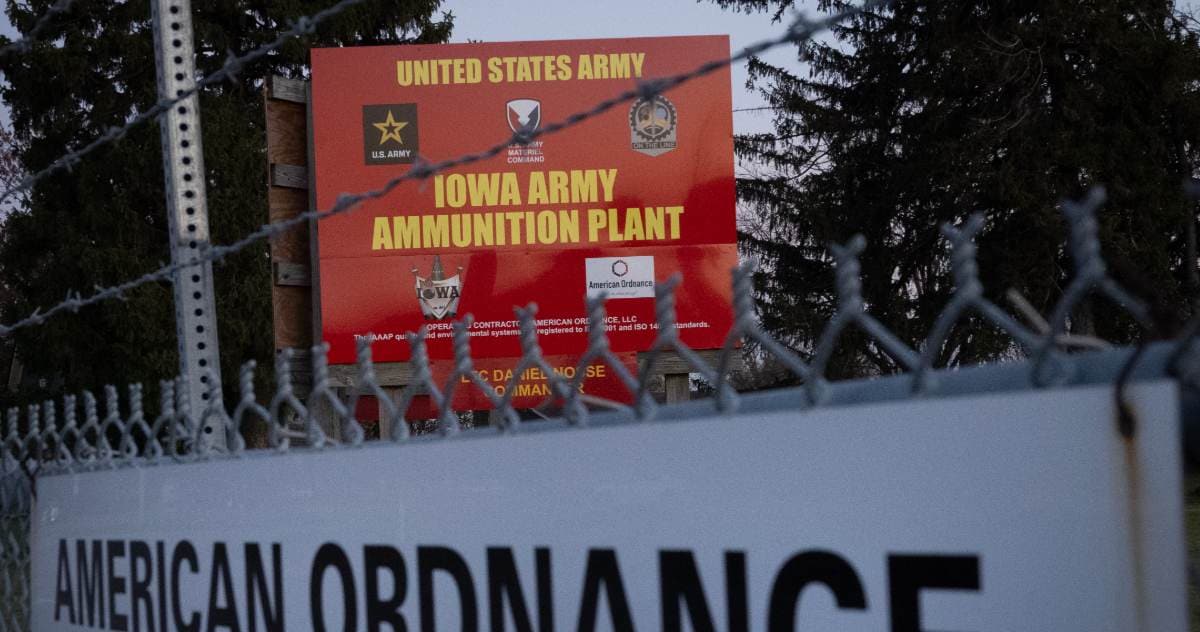
Democrats prepare Iran war funding amendment ahead of January takeover of Congress
WASHINGTON, DC: Democrats preparing to take control of Congress in January next year are making efforts to end federal funding for the US war with Iran a priority. However, lawmakers have yet to agree on how to force President Donald Trump to halt military operations without compromising the security of American forces in the region.
Lawmakers are considering using an upcoming government funding deadline and amendments to appropriations bills to restrict money for the conflict. The debate has surfaced as the war remains in a fragile stalemate, with continued attacks on shipping and uncertainty over who is leading US diplomatic efforts.
Democrats consider funding deadlines and amendments to restrict Iran war operations
One of the first opportunities to limit funding for offensive operations could come before Democrats formally take control of the House and Senate. Congress faces a December 11 deadline to fund the government, and some Democrats are considering using negotiations over spending legislation to address the war.

A full-year spending agreement supported by Republicans could preserve funding for military operations at a time when Trump has alternated between threatening to resume large-scale attacks and maintaining economic pressure through sanctions and a naval blockade in the Strait of Hormuz.
House Appropriations Committee ranking member Rosa DeLauro (D-Conn) has supported passing full-year spending legislation for as many noncontroversial government priorities as possible. That could leave military funding to be addressed through a shorter-term spending measure, allowing Democrats to take up the issue after assuming control in January.
"To a person, we all want to see the funding on the war ended; the issue is how that gets done, what we can do in the short term and then what we need to do afterward," DeLauro said.

Senator Tim Kaine (D-Va), who serves on the Senate Armed Services and Foreign Relations committees, said Democrats were still working towards a common position.
"We're working on a consensus position; we're not there yet," the senator told The Hill. "We're not there yet. It will be soon."
The immediate strategy is also expected to become clearer after Senate Democrats vote on their caucus leadership on December 1. The contest is between Senate Minority Leader Chuck Schumer (D-NY) and Senator Chris Van Hollen (D-Md).
Van Hollen has called for "not one penny more" in funding for the war, while Schumer's position remains unclear.

Senator Kirsten Gillibrand (D-NY), who supports Schumer, and Senators Tammy Duckworth (D-Ill) and Elizabeth Warren (D-Mass), who have not declared their positions in the leadership contest, announced plans to introduce an amendment to appropriations bills blocking funding for the conflict.
Democrats face challenge of protecting US troops while ending offensive operations
Beyond securing agreement on funding restrictions, Democrats face the challenge of ensuring that money for defending US troops and regional allies cannot be used to support further offensive operations.
Lawmakers have said they want to preserve defensive capabilities while preventing the administration from continuing its campaign against Iran. The distinction could become central to any legislative effort to restrict funding, as Democrats seek to limit offensive military action without undermining the safety of American personnel in the region.
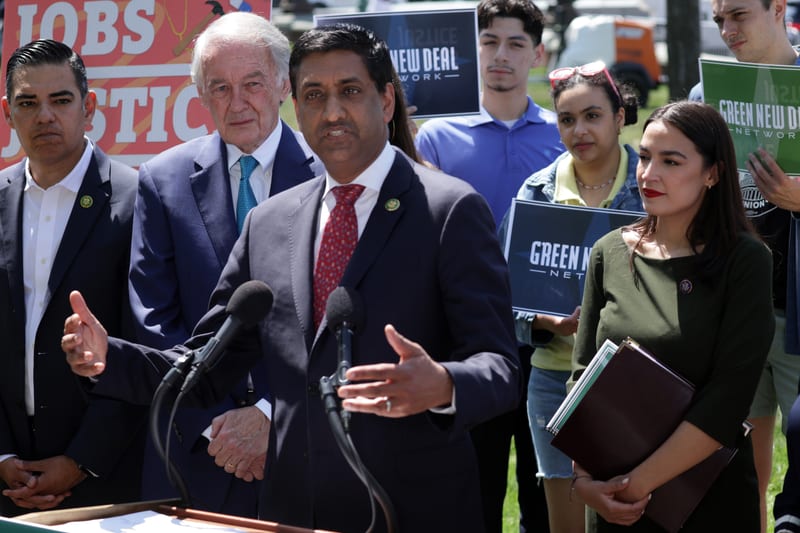
Rep Ro Khanna (D-Calif), a member of the House Armed Services Committee, argued that ending the war's funding could push Trump towards negotiations with Tehran.
"If we end the war, it will force Trump to the negotiating table with Iran," he said.
Senator Jacky Rosen (D-Nev), who serves on the Senate Foreign Relations Committee, said that “the administration needs to come and talk with us and consult with us, and as they continue to work on a diplomatic solution, we all need to be engaged.”
However, Democrats have yet to establish a unified approach to achieving that objective. While lawmakers broadly support ending funding for the war, disagreements over the timing and legislative strategy leave questions about what steps would follow and how the administration would respond.