Fact Check: Are reports that ICE agents can arrest US citizens true?
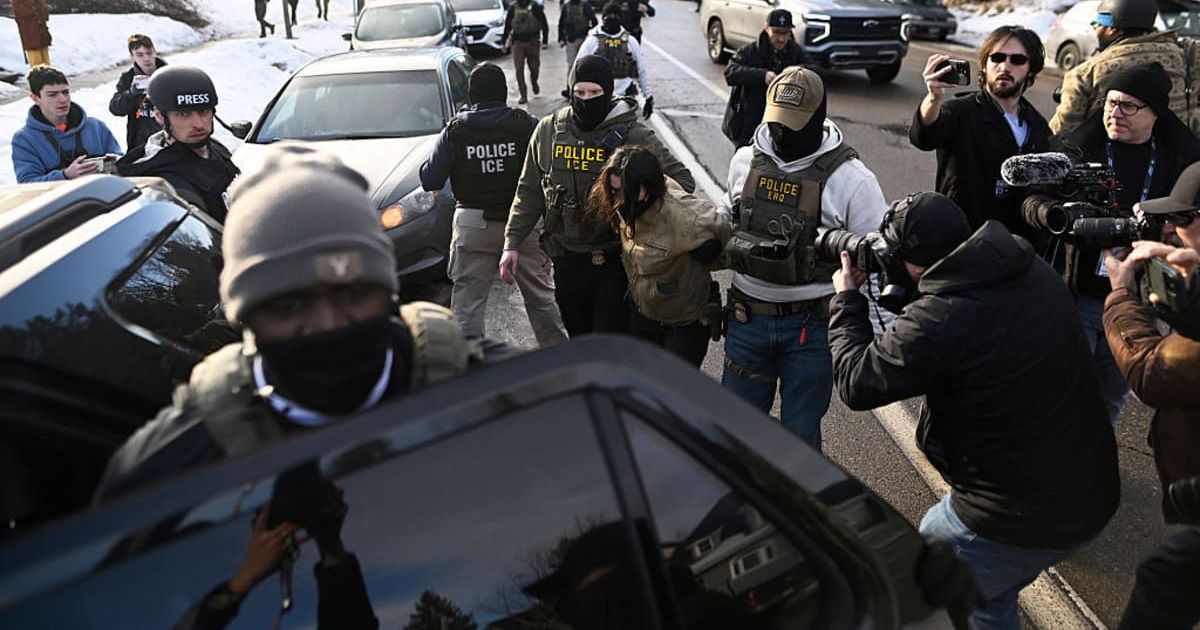
WASHINGTON, DC: Since President Donald Trump launched sweeping immigration enforcement operations across major cities in 2025 and 2026, people have questioned whether it is legal for ICE agents to arrest a US citizen.
There have also been several reports claiming that ICE agents can arrest US citizens. But is it really true, or are the reports just a made-up story? Let us find out below.
Claim: Reports state ICE agents can arrest US citizens
Several reports have claimed that ICE agents have the right to arrest a US citizen. The Minnesota Star Tribune published on January 10 that ICE says agents can 'initiate consensual encounters' to speak with people and briefly detain or arrest those they believe are not legally authorized to be in the US.
The report added that to be allowed inside a home or private areas of a business, ICE must have a warrant signed by a judge with the correct name and address on it, says the Immigrant Law Center of Minnesota.
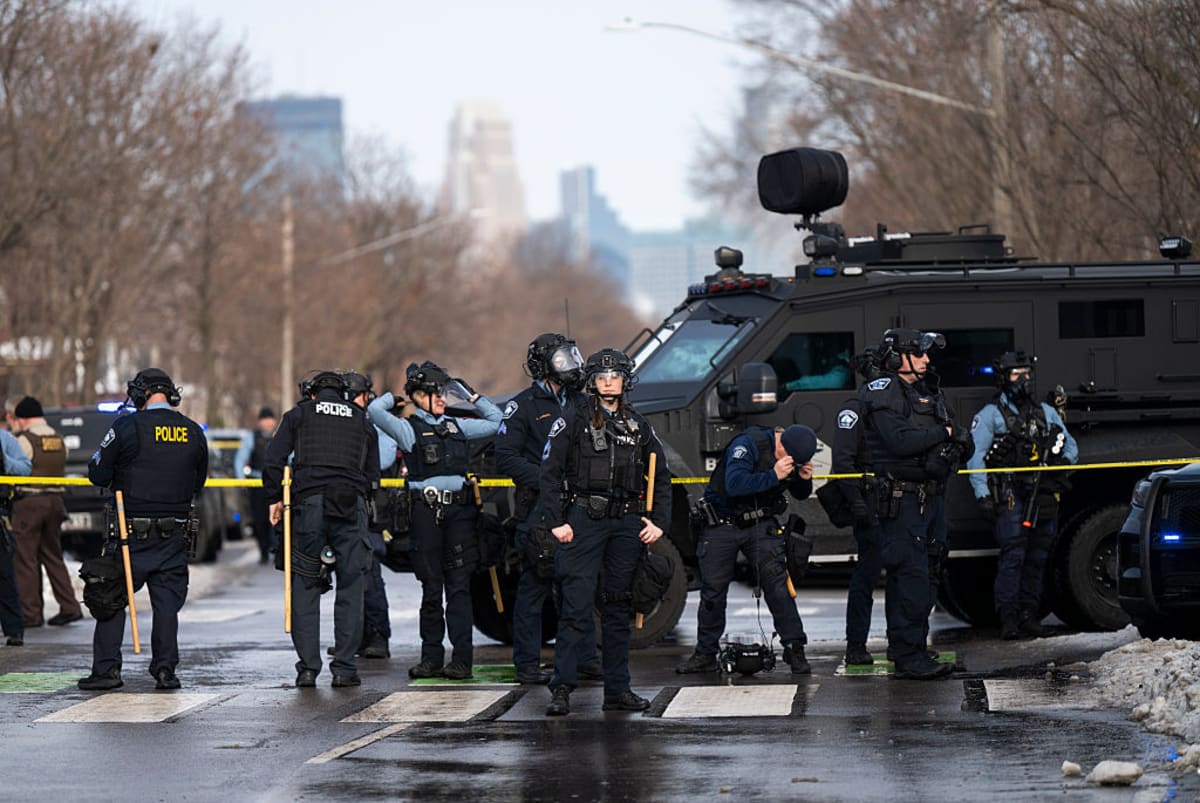
Citing guidelines from the Minnesota Attorney General’s Office, the report mentioned that ICE can enter public areas such as a lobby, hospital waiting room, or church sanctuary unless signs are posted marking those areas as private or inaccessible to ICE without a court-issued warrant or subpoena.
Similarly, news outlet NPR also reported that ICE agents have used deceptive practices to gain entry into a person's home or business to make arrests without a warrant, according to a lawsuit filed in 2020 against the DHS.
Fact Check: ICE cannot arrest US citizens without warrant, except in some circumstances
ICE agents generally do not have the authority to arrest US citizens without a warrant, except in certain circumstances. Nathan Yaffe, an immigration lawyer in New York, told Snopes that three criteria have to be met to justify the arrest of a citizen.
Firstly, ICE has to be actively in the middle of performing duties related to immigration enforcement. Secondly, the person they are arresting has to have been committing an 'offense against the United States', as it would be a subset of federal crimes.
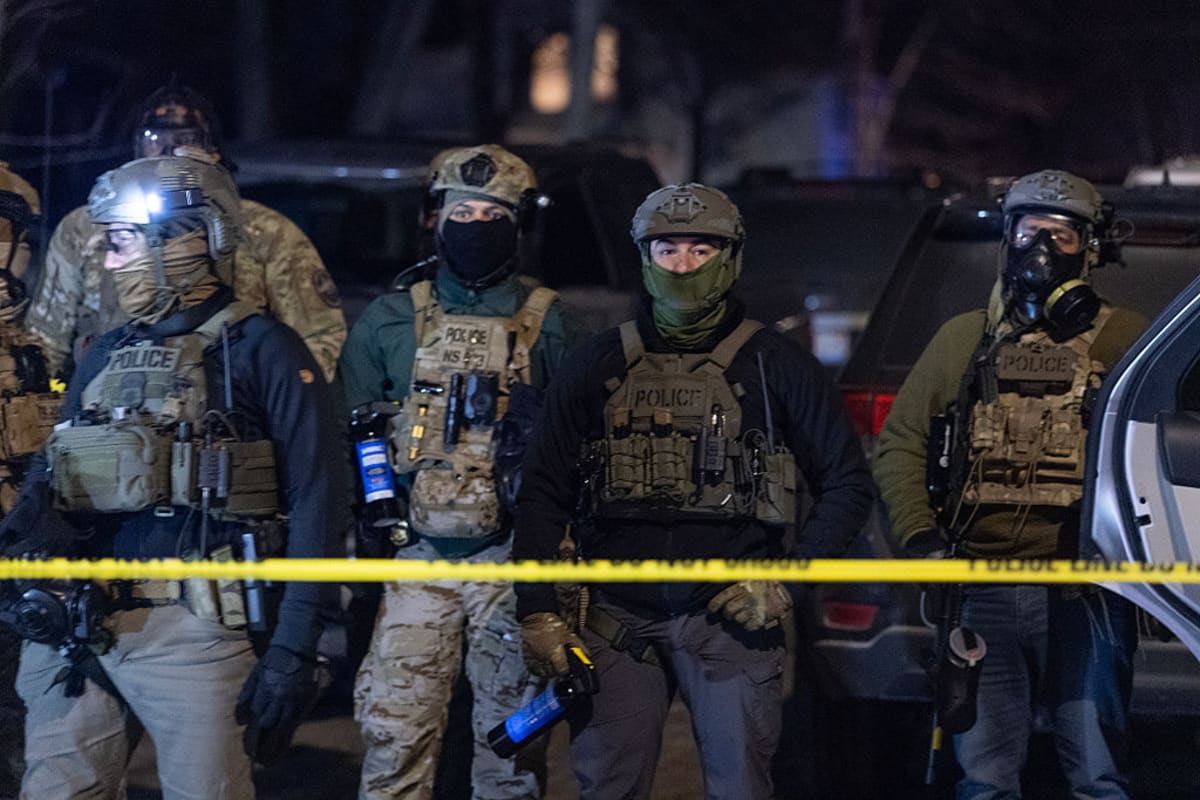
And lastly, there has to have been 'a likelihood of the person escaping before a warrant could be obtained'.
The 8 US Code 1357, in section 5 of 'Powers without warrant', states that agents can arrest anyone 'for any offense against the United States, if the offense is committed in the officer's or employee's presence' or 'for any felony' and if the agent believes the citizen will escape before a warrant can be obtained for his arrest.