Fact Check: Can Senate Reconciliation 3.0 require states to change voting laws?
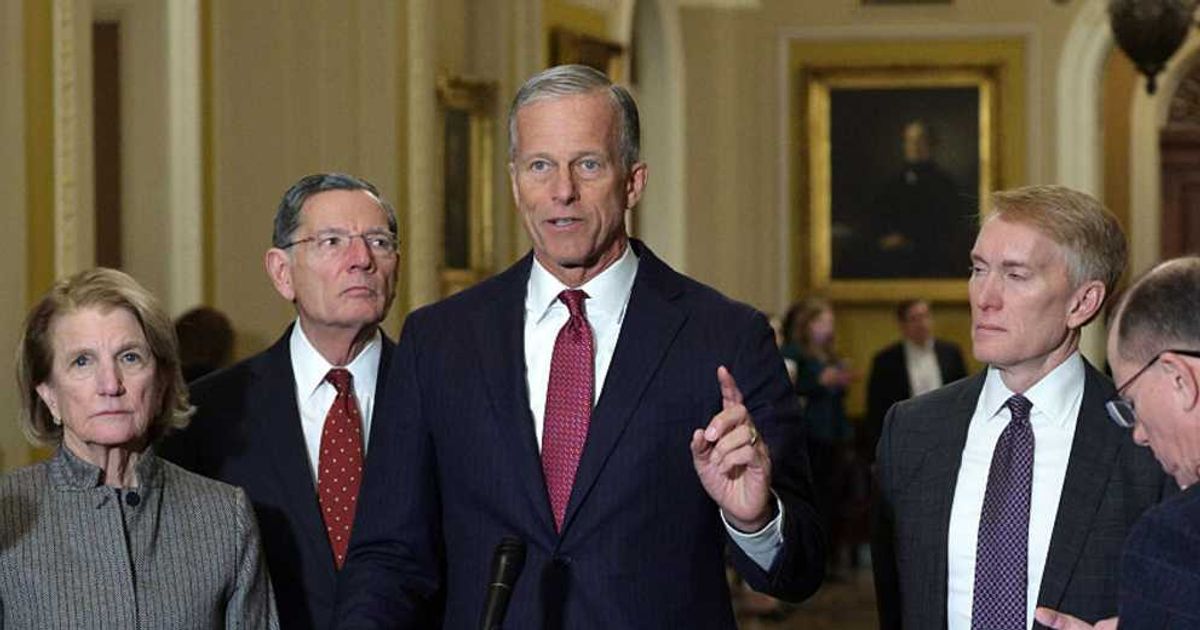
WASHINGTON, DC: A claim spreading online has sparked questions about whether Senate Reconciliation 3.0 could force states to change their voting laws, including requiring measures such as voter ID and proof-of-citizenship rules. The claim gained attention as Senate Republicans moved forward with a third reconciliation package after the House passed a budget resolution to begin the process.
Claim: Senate Reconciliation 3.0 forces states to change their voting laws
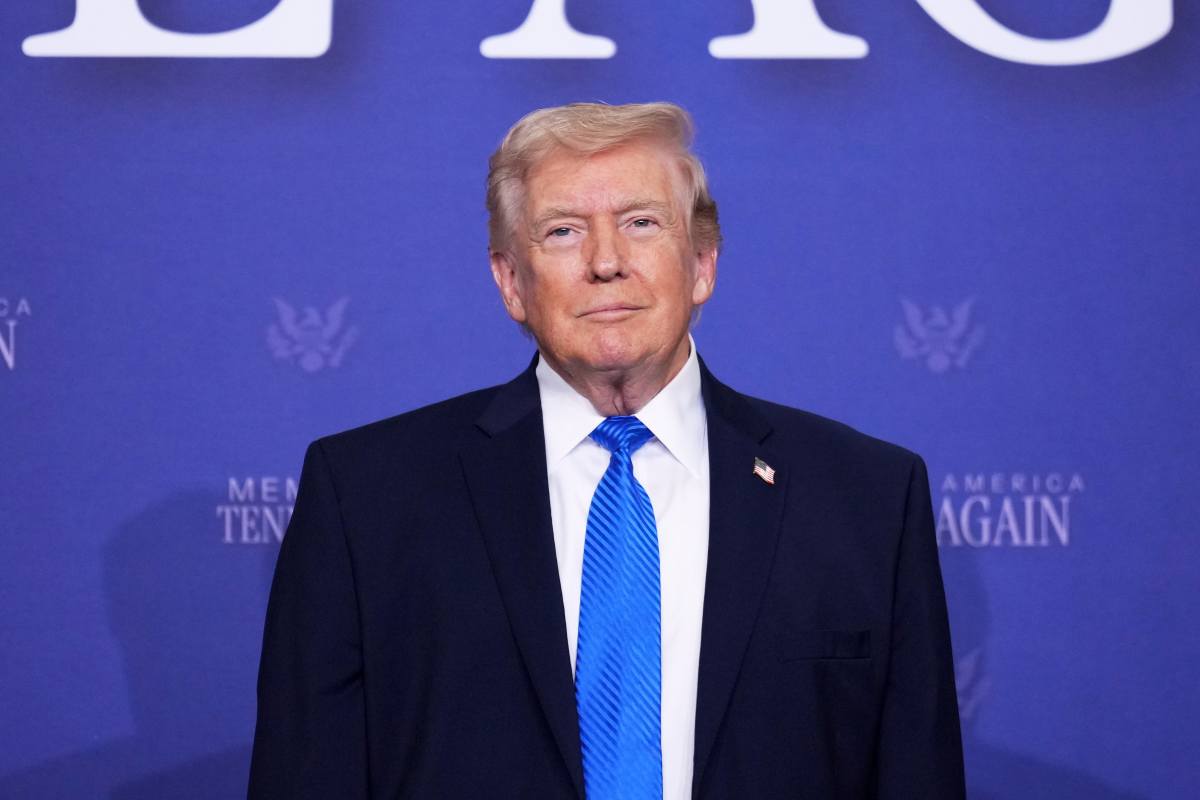
The budget resolution passed by the House last week set the stage for a third reconciliation bill, known as Budget Reconciliation 3.0.
The proposal has sparked online claims that the Senate reconciliation process could force states to change their voting laws, including requiring voter ID or proof-of-citizenship measures.
Republicans and President Donald Trump are using the reconciliation process to advance their legislative priorities while avoiding a Senate filibuster, which would allow the bill to pass with a simple majority instead of the usual 60 votes.
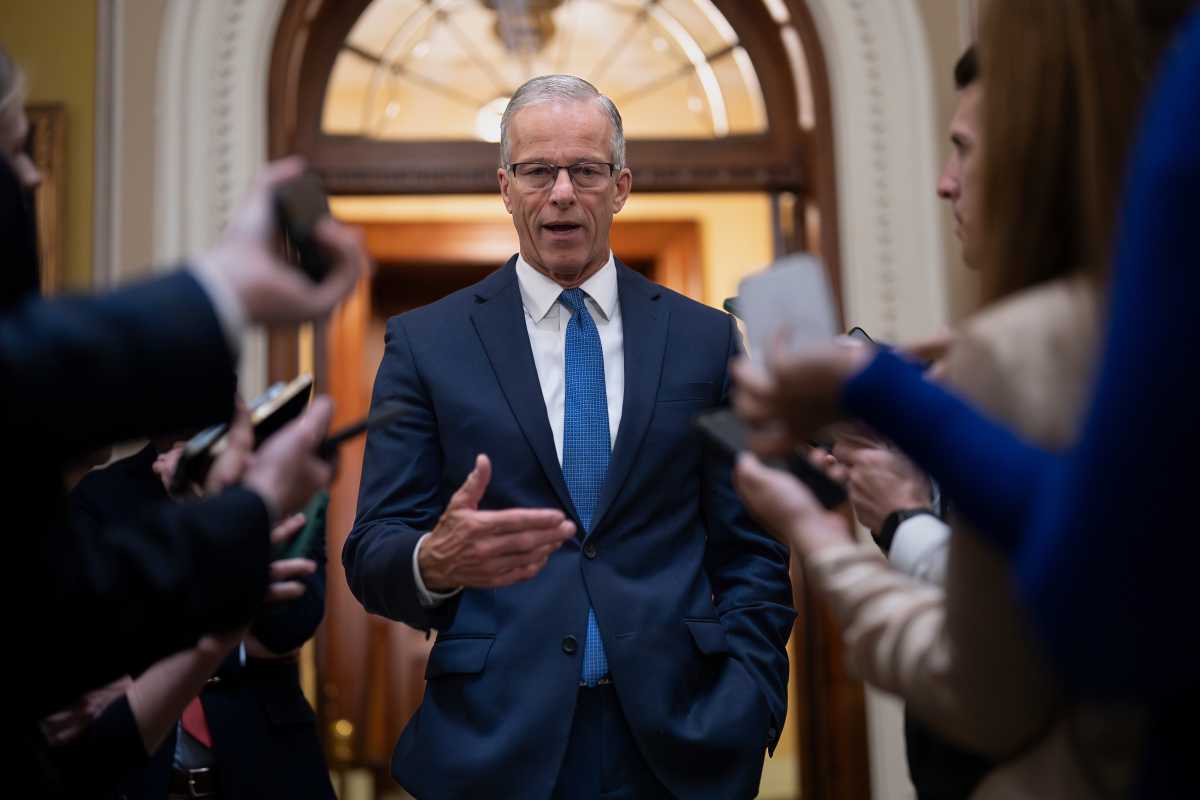
However, the proposal has faced opposition from some GOP senators, with disagreements over its spending levels and whether it should move forward.
Trump has strongly pushed for the bill because it includes parts of his election overhaul proposal, the SAVE America Act. He also urged supporters to contact Senate Majority Leader John Thune to pressure him to advance the measure.
However, Thune has indicated that the Senate is unlikely to consider the budget resolution before the August recess and said the immediate priority is passing a temporary funding bill to keep the government operating.
Fact Check: False, state reconciliation process is limited
The claim is false. Senate Reconciliation 3.0 cannot directly force states to change their voting laws. Under Senate rules, the reconciliation process is limited to measures that primarily affect federal spending, revenue, or the national debt. It cannot be used to impose new election requirements on states.
Experts said that while Republicans could potentially include election-related funding or grant programs in a reconciliation package, they could not directly order states to adopt specific voting laws.
Moreover, the federal government could provide financial incentives to states that choose to implement measures such as voter ID or proof-of-citizenship requirements.
As Senate Republicans continued discussions on the reconciliation package, the proposal faced hurdles due to disagreements in the party and a lack of clear support in the Senate. Senate Majority Leader John Thune indicated there was no clear path forward, while Trump continued pushing lawmakers to advance his election priorities.
Therefore, the claim that Senate Reconciliation 3.0 could force all states to change their voting laws is misleading. The process could influence state policies through funding incentives, but it cannot mandate nationwide changes to election rules.