Fact Check: Did 2015 Iran nuclear agreement give Iran right to have top grade nuclear weapons'?
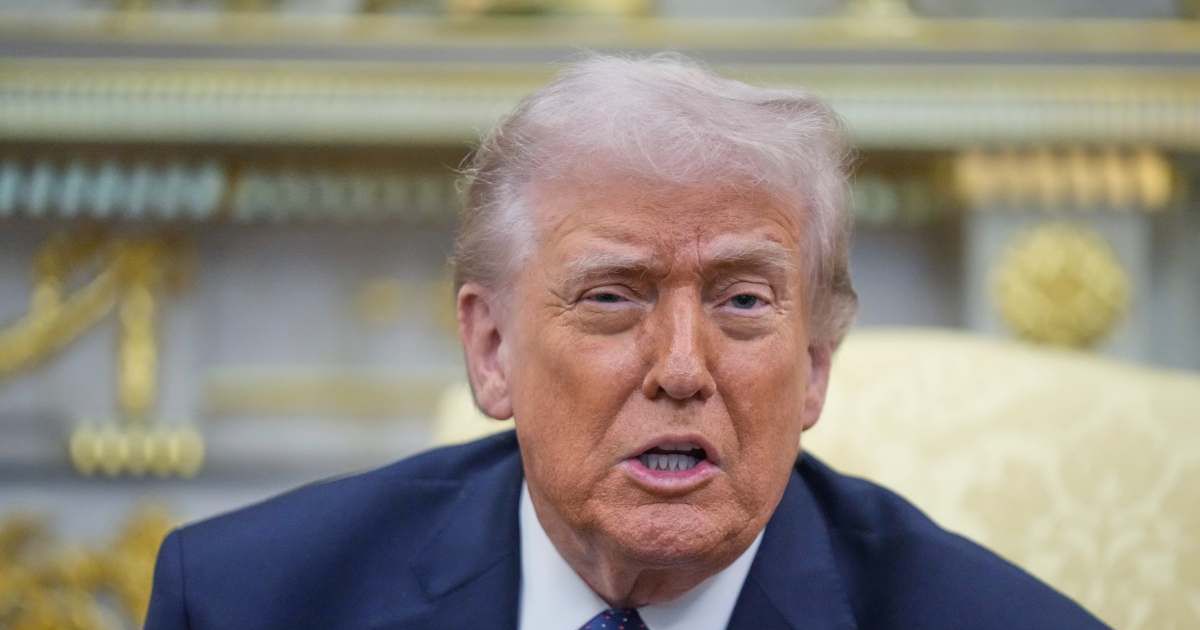
WASHINGTON, DC: The US-Iran war, which started on February 28 with joint US-Israeli airstrikes targeting Iranian military infrastructure, nuclear sites, and leadership, resulted in the death of Supreme Leader Ayatollah Ali Khamenei. The war has now entered its second week amid a rapidly escalating regional conflict.
Recently, President Donald Trump claimed that the 2015 Iran nuclear agreement "gave Iran the right to have top-of-the-line nuclear weapons." But is there any truth to this? Let us find out below.
Claim: 2015 Iran nuclear agreement 'gave Iran right to have top-of-the-line nuclear weapons'
Former President Barack Obama’s nuclear agreement with Iran was in force until 2018, when Donald Trump pulled the US out during his first term.
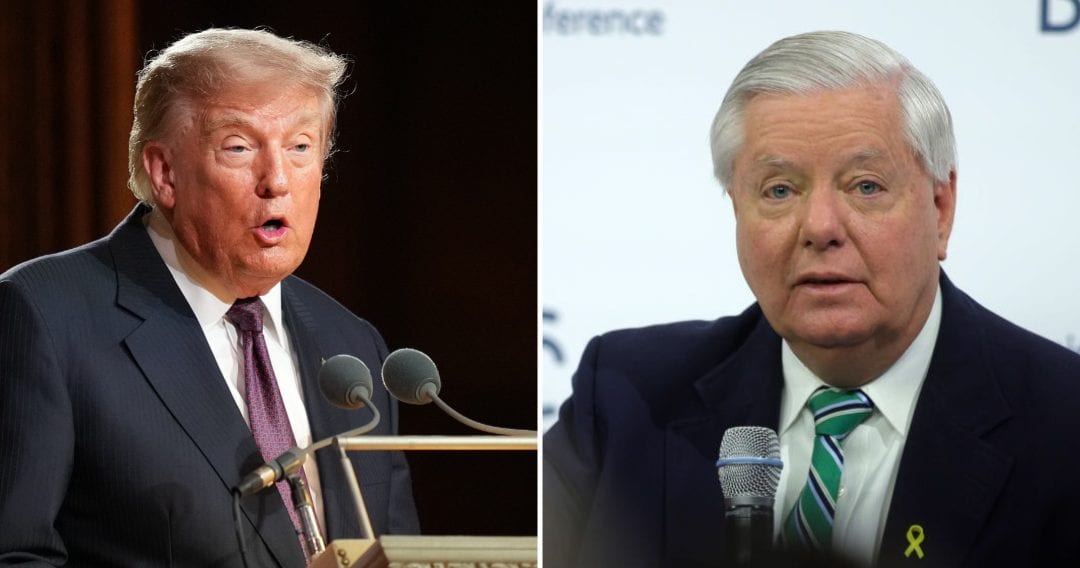
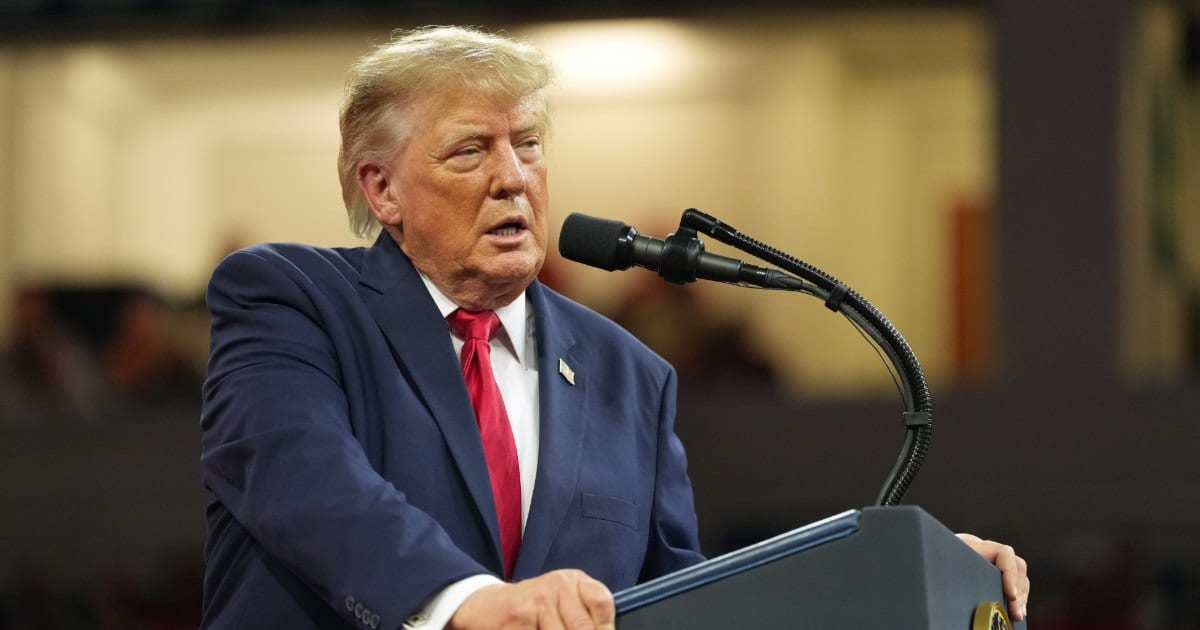
While taking questions in the Oval Office on Tuesday, March 3, along with German Chancellor Friedrich Merz, the POTUS said that the agreement he pulled out of "gave Iran the right to have top-of-the-line nuclear weapons."
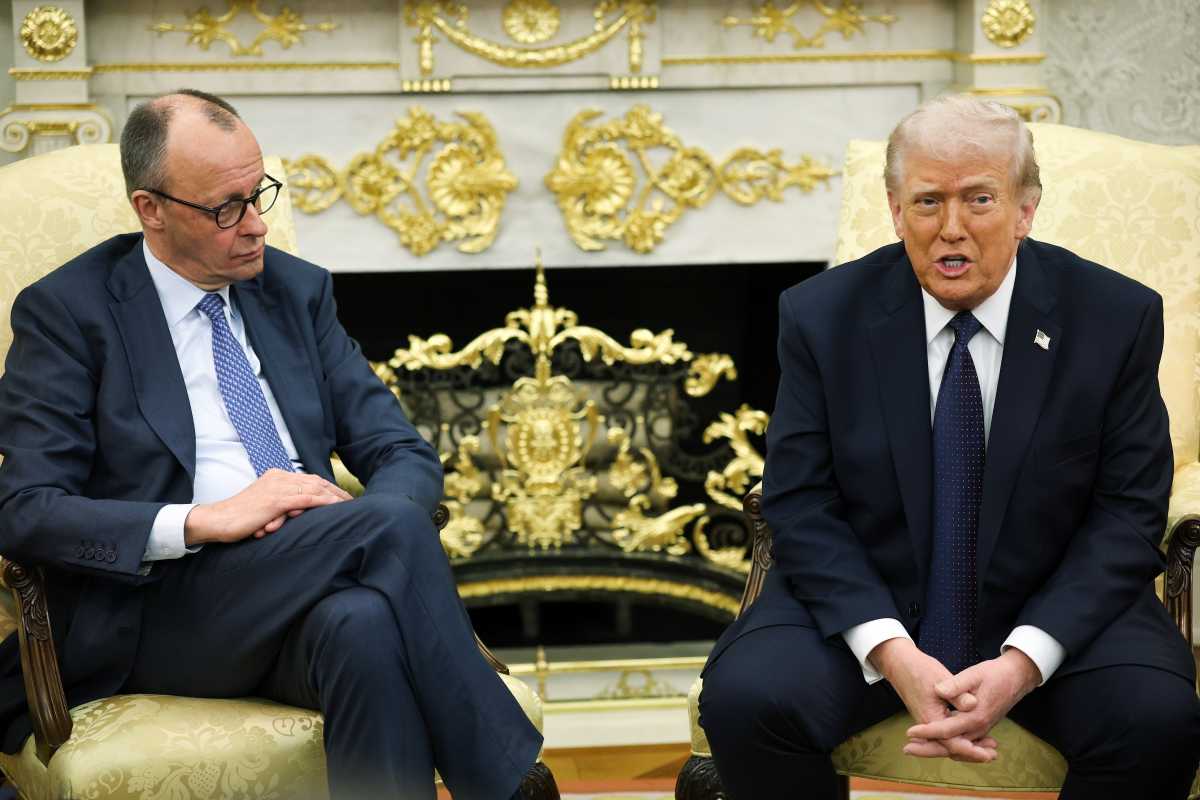
The President said, "I was very proud to have knocked out the Iran nuclear deal by President Barack Obama. That was a horrible, horrible, dangerous document. They were on the road to getting a nuclear weapon legitimately, through a deal that was signed foolishly by our country."
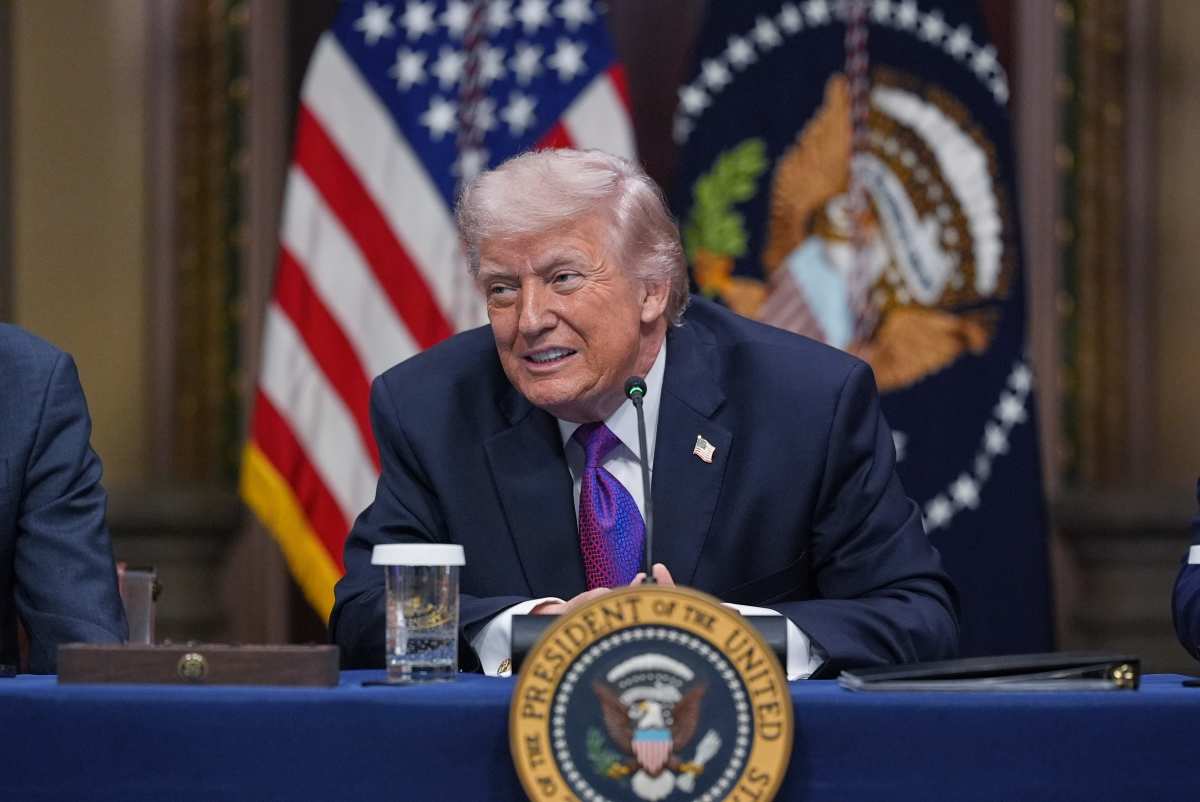
Similarly, on March 4, the POTUS said at a roundtable on energy prices that the nuclear deal 'was a route to a nuclear weapon.'
Fact Check: False, experts debunk Trump's statement
The claims made by Donald Trump that the 2015 Iran nuclear agreement "gave Iran the right to have top-of-the-line nuclear weapons" are false, as several experts debunked his statement.
Daryl G. Kimball, executive director of the Arms Control Association, informed PolitiFact that the 2015 agreement, also known as the Joint Comprehensive Plan of Action, or JCPOA, "absolutely did not give Iran 'the right to have top-of-the-line nuclear weapons'."
During his run, former President Obama campaigned on a promise to ensure that Iran did not obtain a nuclear weapon. The agreement was signed in 2015 by the US and Iran, as well as China, Russia, France, Germany, and the United Kingdom.
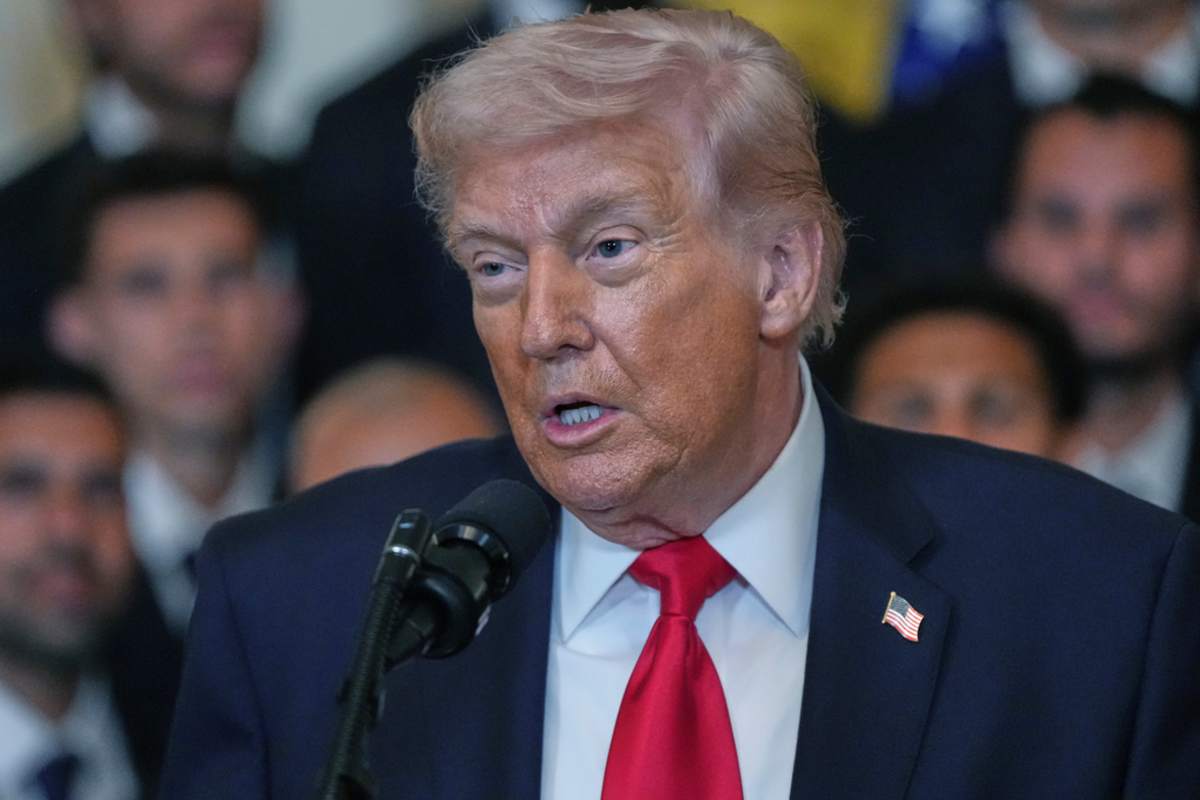
As per the deal, Iran agreed to refrain from pursuing nuclear weapons, allowing continuous monitoring of its compliance in exchange for relief from economic sanctions.
Moreover, different sections of the agreement were scheduled to last between 10 and 25 years, while some elements were to last indefinitely. Obama officials also hoped for future renegotiations.
The 2015 agreement was based on Iran continuing to belong to the Nuclear Non-Proliferation Treaty, or NPT, requiring Iran to agree to forgo developing or acquiring nuclear weapons.
Richard Nephew, who worked for the US government on Iranian issues during the Biden administration, said that by signing the agreement, ran "explicitly committed not to have a nuclear weapon, reflecting their NPT commitment not to have one."
"The entire purpose of the deal was to make sure that they could not do so," he added.