Fact Check: Did Arizona process 112,693 duplicate voter registrations?
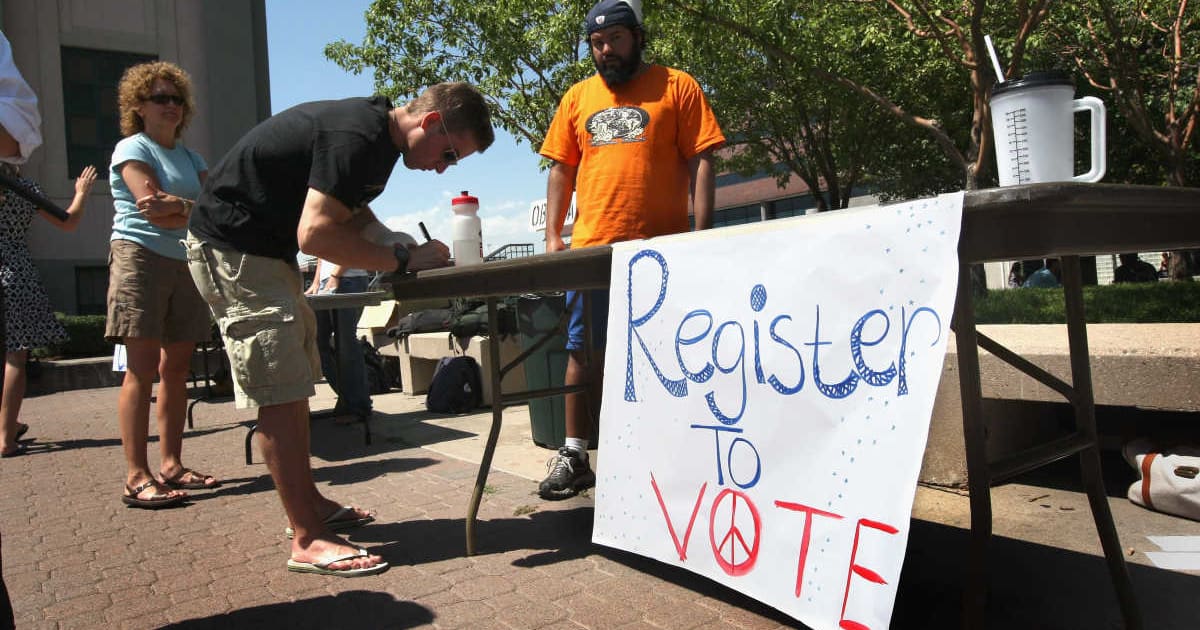
WASHINGTON, DC: A claim about duplicate voter registrations in Arizona is spreading on social media, with posts saying the records show the state’s election system is vulnerable to fraud.
One viral post claims Arizona processed 112,693 duplicate registrations, while Mark Kelly won the 2022 Senate race by 78,806 votes. The claim has raised questions about whether duplicate registrations affected Arizona’s election results.
Claim: Arizona processed 112,693 duplicate voter registrations
Governor Katie Hobbs won Arizona by 17,117 votes in 2022.
— Shiloh Marx (@Shilohmarx) July 19, 2026
Arizona processed 434,088 duplicate registrations. pic.twitter.com/r2kOkK94NV
Voting more than once is a felony in Arizona. However, social media posts are using records of duplicate voter registrations to suggest the state's election system is vulnerable to fraud.
“Sen. Mark Kelly (D-AZ) won by 78,806 votes. Arizona processed 112,693 duplicate registrations,” Shiloh Marx, founder of the voter-roll analysis group Integrity First Alliance, claimed in an Aug. 30, 2026, post on X.
Marx made a similar claim about Arizona's 2022 governor's race, suggesting that duplicate registrations helped Democrat Katie Hobbs win the election. Hobbs is seeking reelection.
The claims spread across TikTok, Facebook, Instagram, and Threads, with users questioning the results of past Arizona elections and calling the duplicate registrations evidence of “cheating.”
Marx has also posted similar claims about duplicate registrations in other states.
Fact Check: The claim is misleading
The claims are misleading. Arizona did process duplicate voter registration transactions, but the records do not show that more than 100,000 people were registered twice or voted more than once.
The US Election Assistance Commission (EAC), an independent government agency that helps officials improve election administration, reported the registration figures. Kristen Muthig, the EAC’s director of communications, said “duplicate registration transactions” include records that exactly match existing voter registrations.
These can happen when people do not realize they are already registered or submit registration forms more than once through different methods.
Processing these records does not mean that more than 100,000 people appeared on Arizona’s voter rolls twice or could vote twice.
“When they say duplicate registrations, we're talking about submissions, not duplicate voters,” Michelle Kanter Cohen, policy director at the nonpartisan Fair Elections Center, said.
Kanter Cohen said election officials review each registration to determine whether it belongs to a new voter, updates existing information such as an address, or matches an existing record and should be treated as a duplicate.
She said the social media posts are misleading because they present data from this routine administrative process as evidence of election fraud. The data instead shows that election officials review registration requests and process them as part of the normal voter-registration process.