Fact Check: Did Bill Gates create an Alzheimer's cure called 'Brain Honey'?
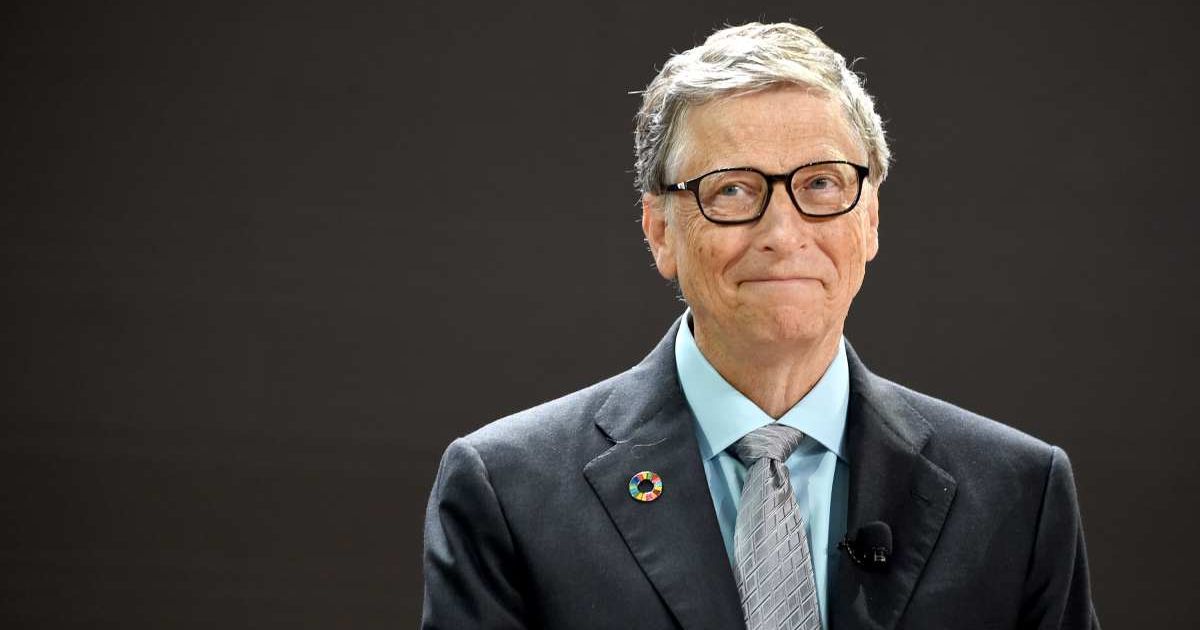
WASHINGTON, DC: Several online ads and viral videos have falsely used Bill Gates’ name to promote alleged remedies for Alzheimer’s disease and dementia, including products marketed as breakthrough cures. The claims surfaced despite Gates’ long-standing public support for legitimate Alzheimer’s research, diagnosis, and treatment advancements. Here’s a fact-check of the viral rumor.
Claim: Bill Gates promoted remedies for Alzheimer’s disease
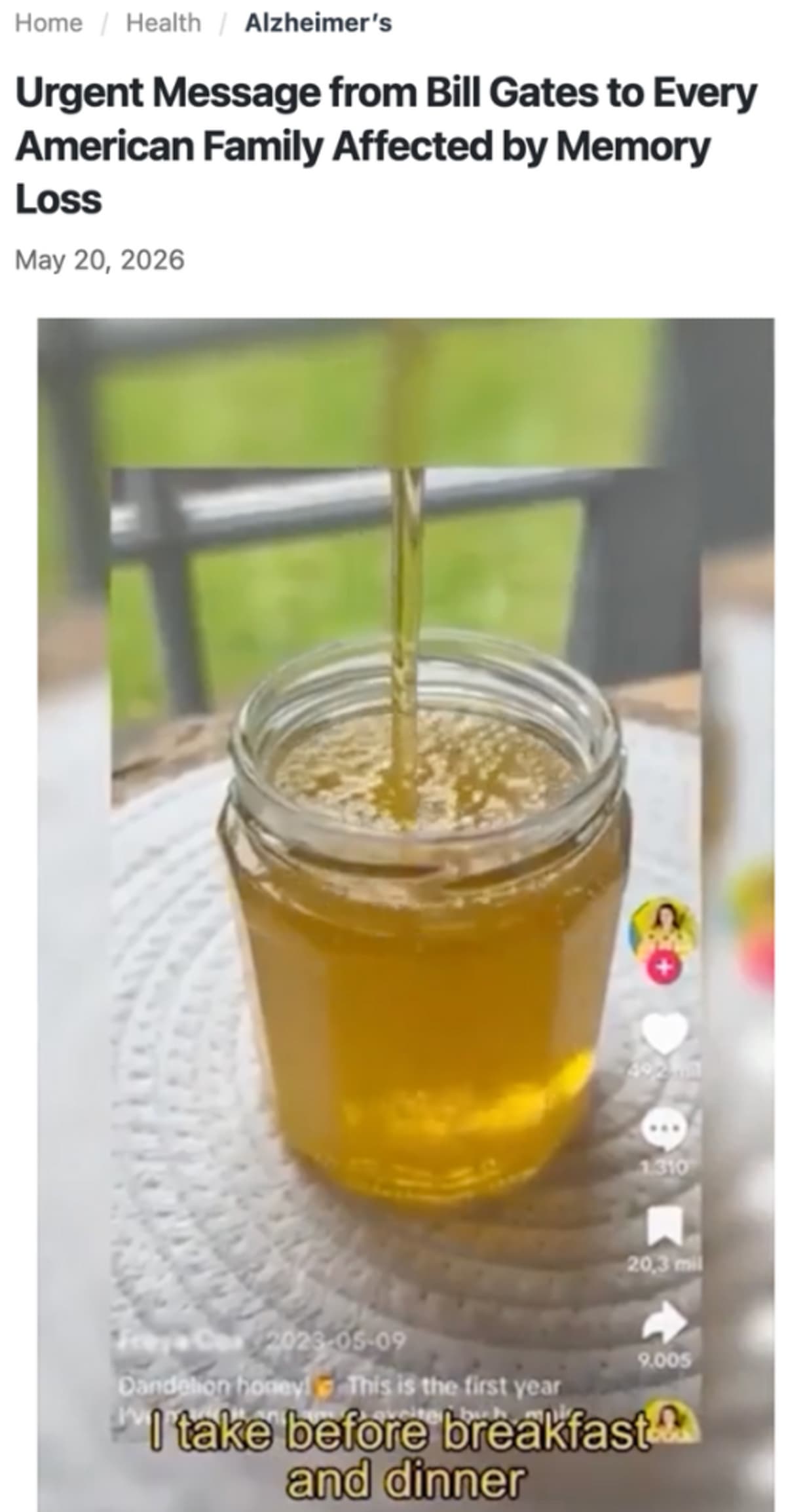
One website promoting the claim featured a video titled “Urgent Message from Bill Gates to Every American Family Affected by Memory Loss,” implying that Gates personally endorsed the product.
However, Gates is known for publicly speaking about supporting legitimate Alzheimer’s research and treatment advancements.
In a 2018 speech, he stated that although Alzheimer’s research was outside the Gates Foundation's main focus, he had personally committed $100 million to support new approaches to dementia research, including Alzheimer’s disease.
Gates’ genuine interest in Alzheimer’s research may have contributed to the spread of the rumor.
The claim circulated through a network of ads, videos, and promotional webpages connected to multiple product names, including “Brain Honey,” “Mind Boost,” “Memopezil,” “BrainHealth,” and “Neuro Honey Blend.”
Fact Check: Bill Gates did not sell products under names like 'Brain Honey'
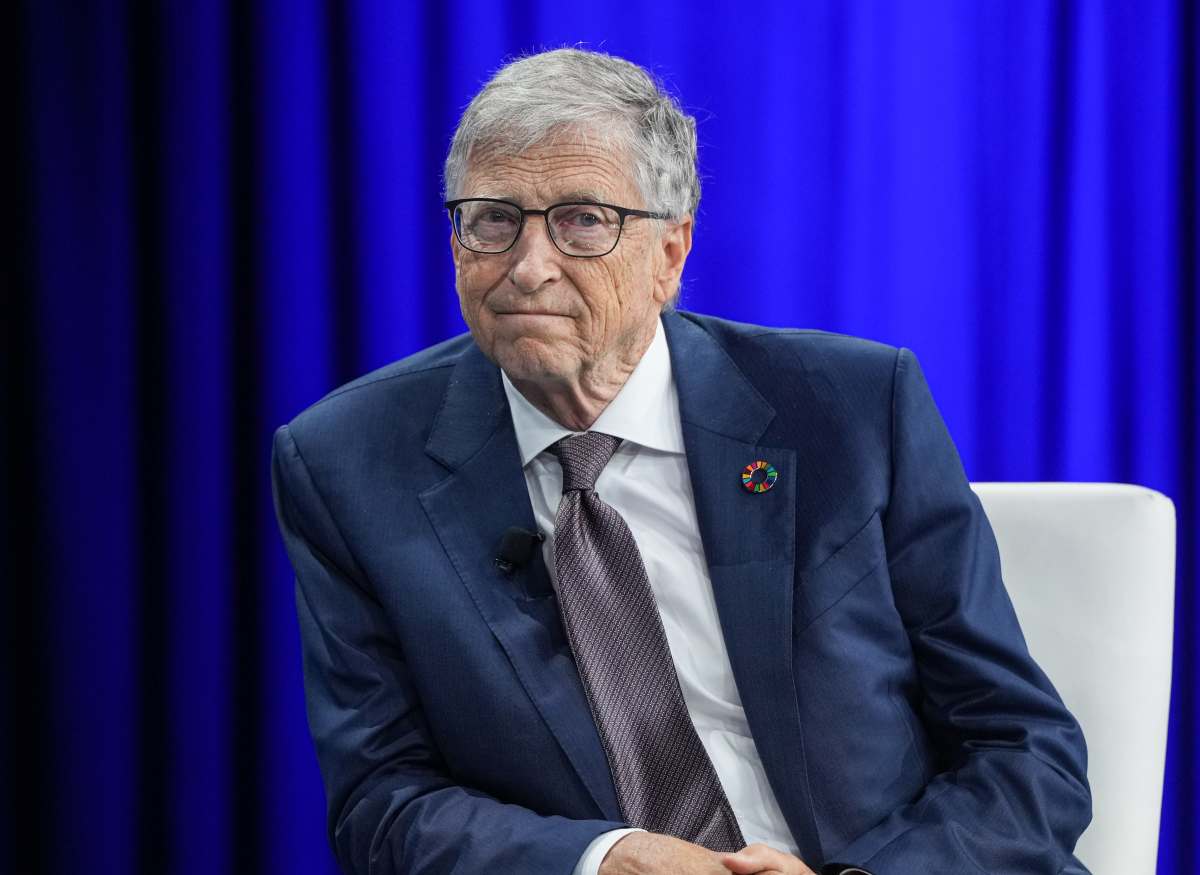
Online searches and fact-checks found no evidence that Bill Gates created, endorsed, or sold products promoted under names such as “Brain Honey,” “Mind Boost,” or “Memopezil.” Instead, the advertisements followed a common scam pattern that uses Gates’ name and image to market unproven supplements through lengthy promotional videos and misleading health claims.
Medical experts further contradict the claims made in the advertisements. According to the Alzheimer’s Association, there is currently no cure for Alzheimer’s disease, although some approved treatments may help manage symptoms or slow progression in certain patients.
The US Food and Drug Administration has similarly warned consumers about companies illegally promoting unapproved products with exaggerated claims about preventing or curing Alzheimer’s disease.
Some versions of the rumor specifically promoted honey-based remedies for dementia. While limited early-stage studies have explored whether compounds found in honey may have potential neuroprotective properties, researchers emphasized that more human clinical studies are needed. Existing research does not support claims that honey-based supplements can reverse dementia or cure Alzheimer’s disease, nor is there evidence that Gates backed such treatments.
The ads also displayed several common warning signs associated with online scams, including urgent messaging, countdown timers, lengthy videos that withhold product details, and disclaimers stating that the FDA has yet to evaluate the claims. There is no evidence that Bill Gates is selling or endorsing an Alzheimer’s cure, and the products promoted online rely on unsupported medical claims and false associations with his name.