Fact Check: Did Trump call Minnesota a 'transgender town' ahead of the midterms?
WASHINGTON, DC: With the midterm elections only a day away, a rumor began circulating on social media platforms claiming that President Donald Trump, during a campaign rally, called Minnesota a transgender town. The claim has sparked criticism online, while others have remained skeptical and called for a fact-check.
Claim: Trump called Minnesota a 'transgender town'
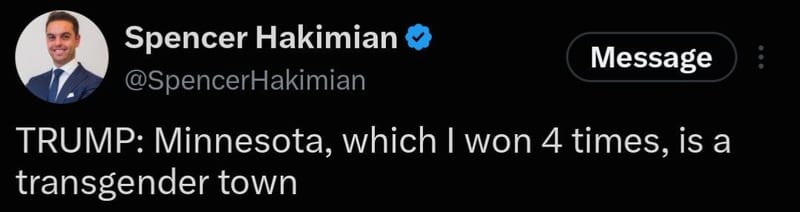
According to a post that surfaced on X, the president said, “Minnesota, which I won 4 times, is a transgender town.”
The post has garnered thousands of views as of this writing and has also spread on other platforms such as Instagram and Facebook, drawing mostly criticism from online users, who are slamming him for the alleged remark.
Meanwhile, a few others remain skeptical and question the authenticity of the viral rumor, with many calling for a fact-check.
Fact Check: Donald Trump did not say it
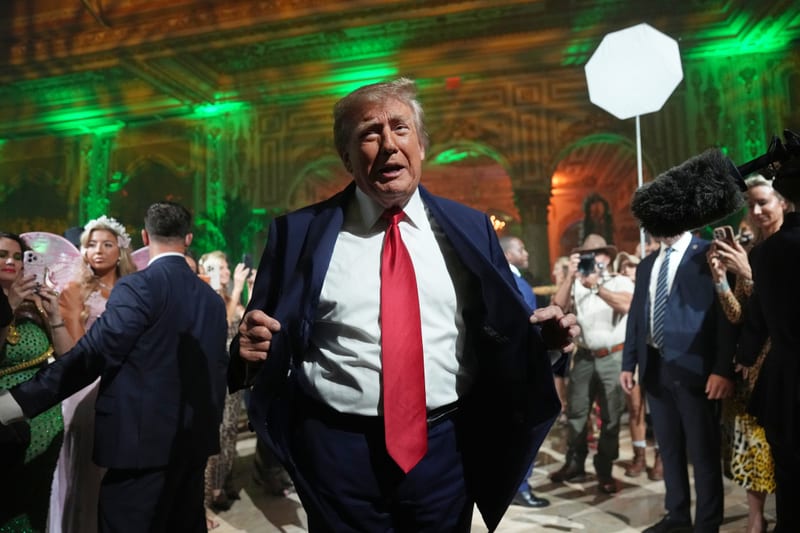
Although the president did say something similar, he did not explicitly say that Minnesota is a transgender town.
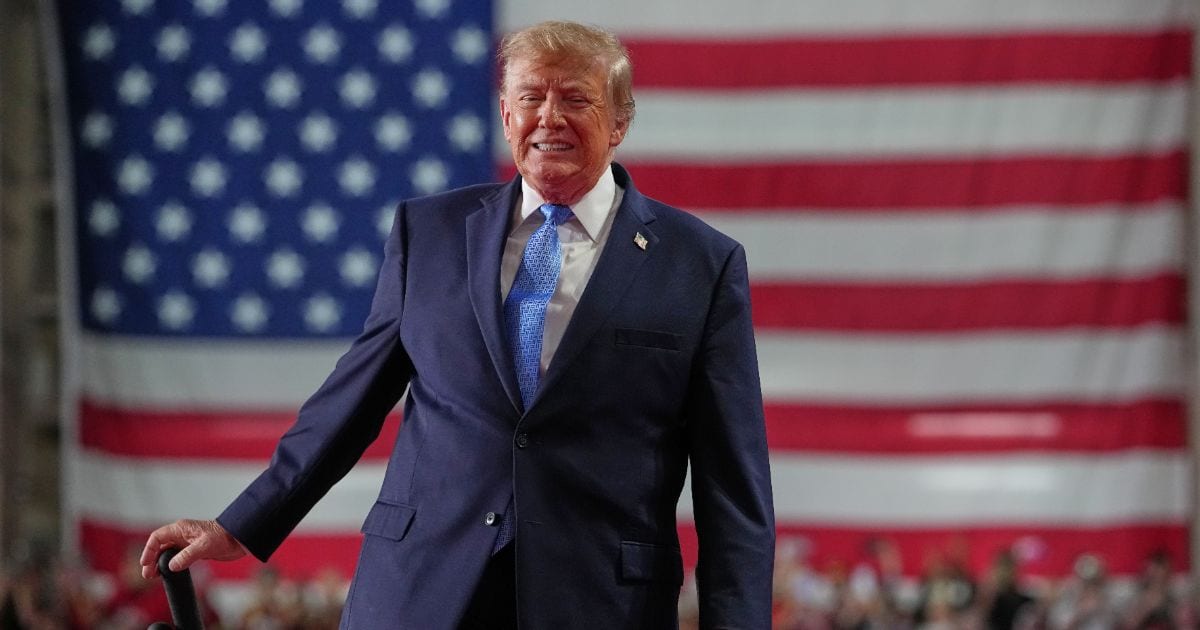
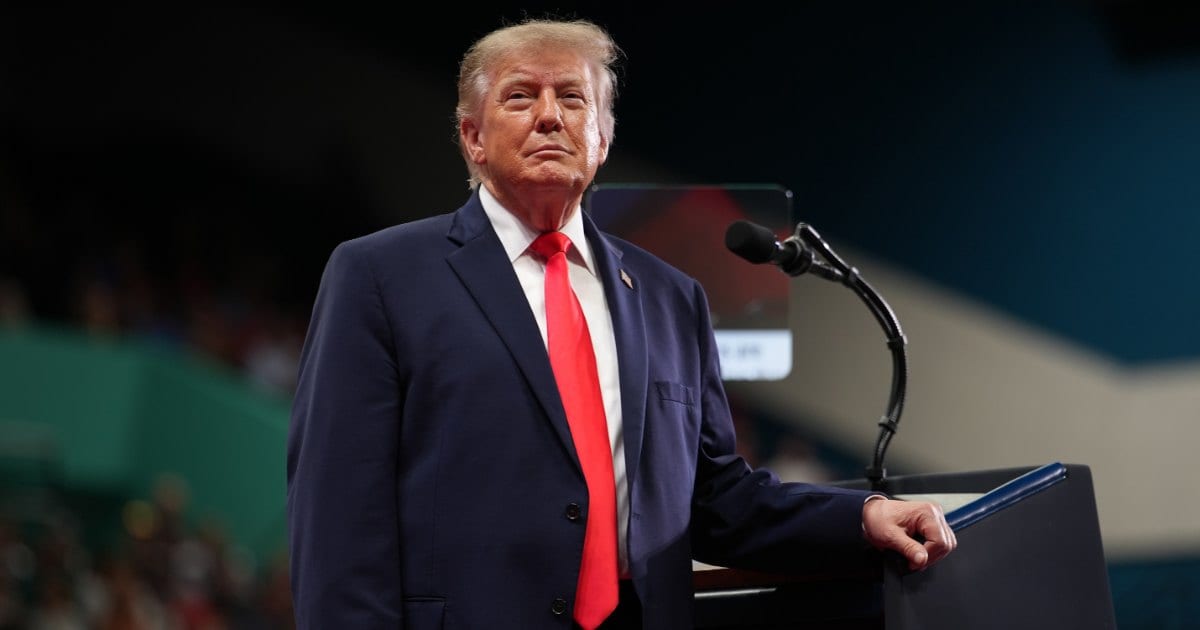
"Think of it. Your beautiful son leaves the house. His name is Tim. 'Goodbye, Tim, I'll see you later.' 'Thank you, mommy, thank you.' And you don't see Tim for four days. Four days later, Tim comes back as Sally. Okay? It's true. We have states that are allowed to do that. A place called Minnesota. I won it 3 times," Trump said during his recent rally.
The speech contains no such remark, and there are no official statements, press conferences, or social media posts from Trump where he said it, which, if true, would have been widely covered and made headlines.
Additionally, the claim originated from an X user named Spencer Hakimian, who, though not explicitly a satire account, has posted several such fake and exaggerated claims for the sake of engagement.
Court blocks Donald Trump's transgender healthcare restrictions
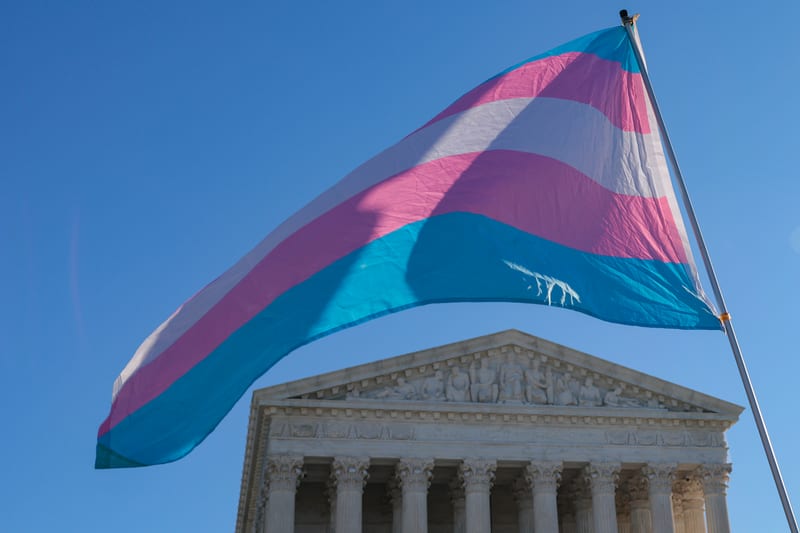
Earlier, the Supreme Court on October 21 rejected the Trump administration's emergency request to enforce restrictions on gender-affirming healthcare for transgender people held in federal prisons, a ruling that allows existing protections to remain in effect while legal challenges continued in lower courts.
The policy was introduced as part of Trump’s broader effort to reverse federal policies recognising gender identity, which followed his January 2025 executive order directing federal agencies to recognise only the "immutable biological classification" of male or female.
The policy was challenged by transgender inmates, who argued that the government had not adequately explained its departure from previous practices and that denying medically necessary care violated the Constitution's Eighth Amendment prohibition on cruel and unusual punishment.