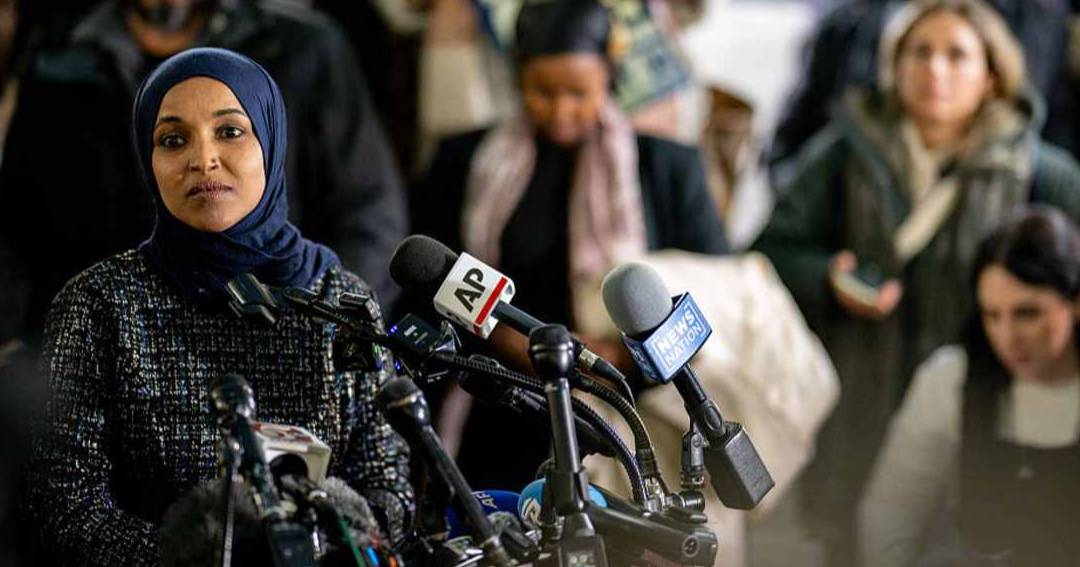
Fact Check: Did Trump decline Pakistan's offer to host US-Iran mediation talks?
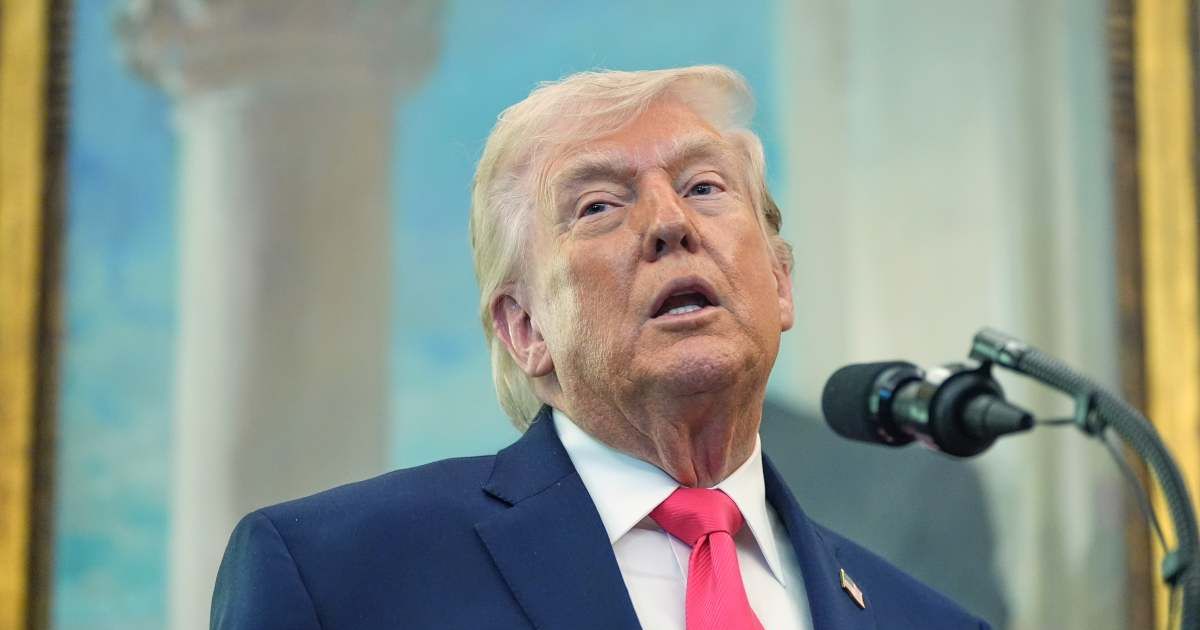
WASHINGTON, DC: Pakistan on Monday, March 23, reportedly offered to act as a mediator to broker an end to the US-Israel war against Iran. As per reports, Pakistan held backchannel communications with the US and Iran, which were described as 'substantive rather than symbolic'.
However, following this, there were claims that President Donald Trump declined Pakistan's offer to host US-Iran mediation talks. But is there any truth to this? Let us find out below.
Claim: Trump declined Pakistan's offer to host US-Iran mediation talks
Pakistan's Chief of Army Staff Asim Munir spoke with President Trump on Sunday, and officials at Ankara and Cairo played a significant role in backchannel diplomacy and served as an intermediary between Washington and Tehran to 'bridge the gap', as per media reports.
As per US media reports, the officials from these countries engaged with US Special Envoy Steve Witkoff and Iranian Foreign Minister Abbas Araghchi.
Moreover, the subcontinent nation also claimed that Pakistani Prime Minister Shehbaz had a conversation with Iranian President Masoud Pezeshkian over the phone, and stressed the need for dialogue and diplomacy.
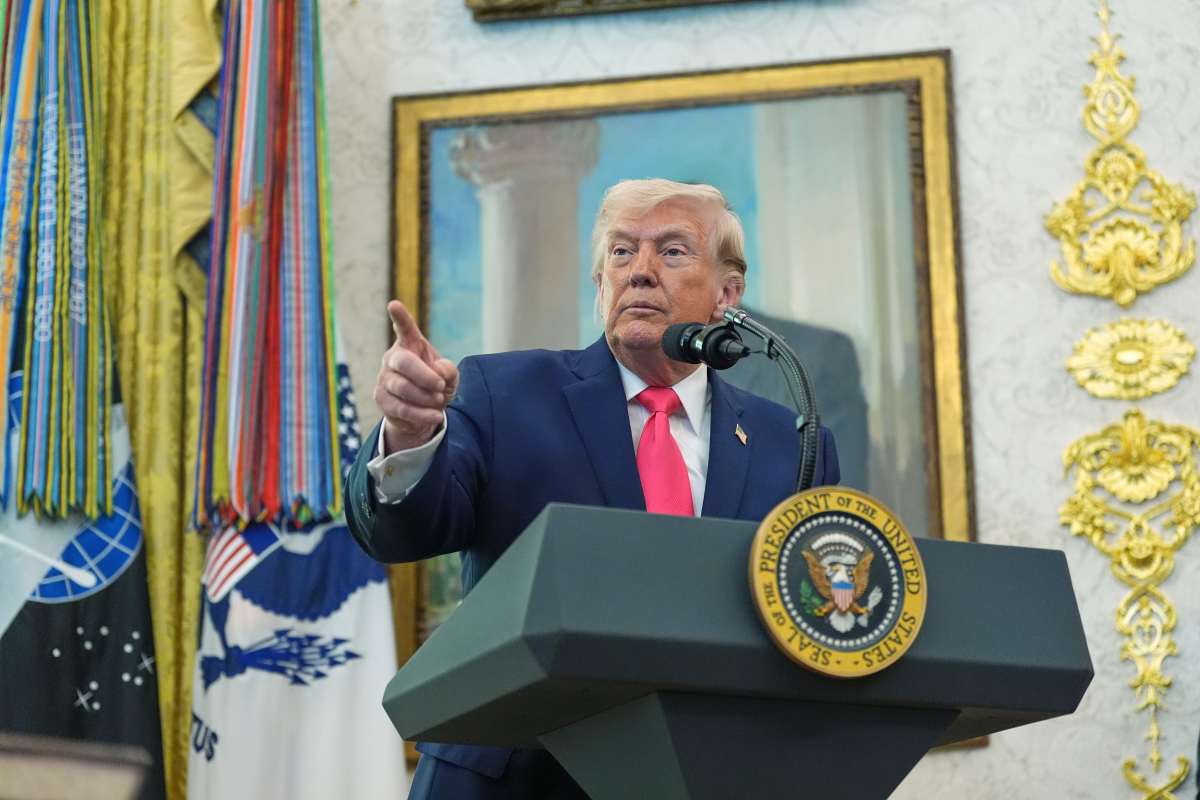
Following this, reports quoting Israeli officials mentioned that the US and Iran could hold talks in Islamabad as soon as this week, and the summit could see the participation of Vice President JD Vance.
Although there was no official confirmation from Pakistan, Foreign Office spokesperson Tahir Andrabi informed a Pakistani outlet that "if the parties desire, Islamabad is always willing to host talks."
Fact Check: True, WH downplays reports of any possible US-Iran talks in Pakistan
The claim is true as the White House downplayed the reports of any possible US-Iran talks in Pakistan, and suggested that any such diplomatic engagement would be formally announced.
White House Press Secretary Karoline Leavitt said the "US will not negotiate through the press", when asked about the potential 'Islamabad summit'.
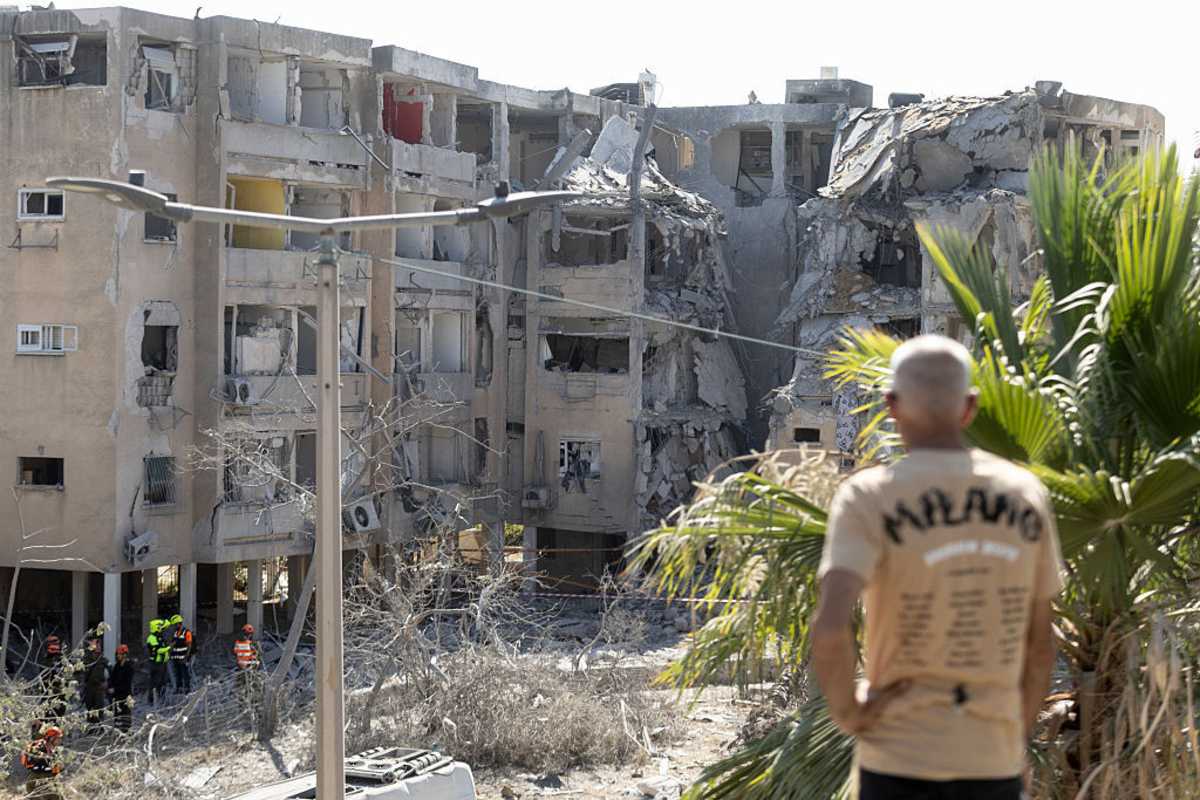
She added, "This is a fluid situation, and speculation about meetings should not be deemed as final until they are formally announced by the White House."
Moreover, Iran denied holding direct talks with the US as Iran’s foreign ministry spokesperson Esmaeil Baqaei said Iran had received messages from the United States through 'friendly states' requesting negotiations, and added that appropriate responses were given as per the country’s fundamental positions.
Furthermore, Iran’s parliament speaker, Mohammad Bagher Qalibaf, dismissed reports of direct negotiations as 'fake news' and accused the US and Israel of attempting to influence financial and oil markets.