Fact Check: Did Trump say he can end birthright citizenship without Supreme Court approval?
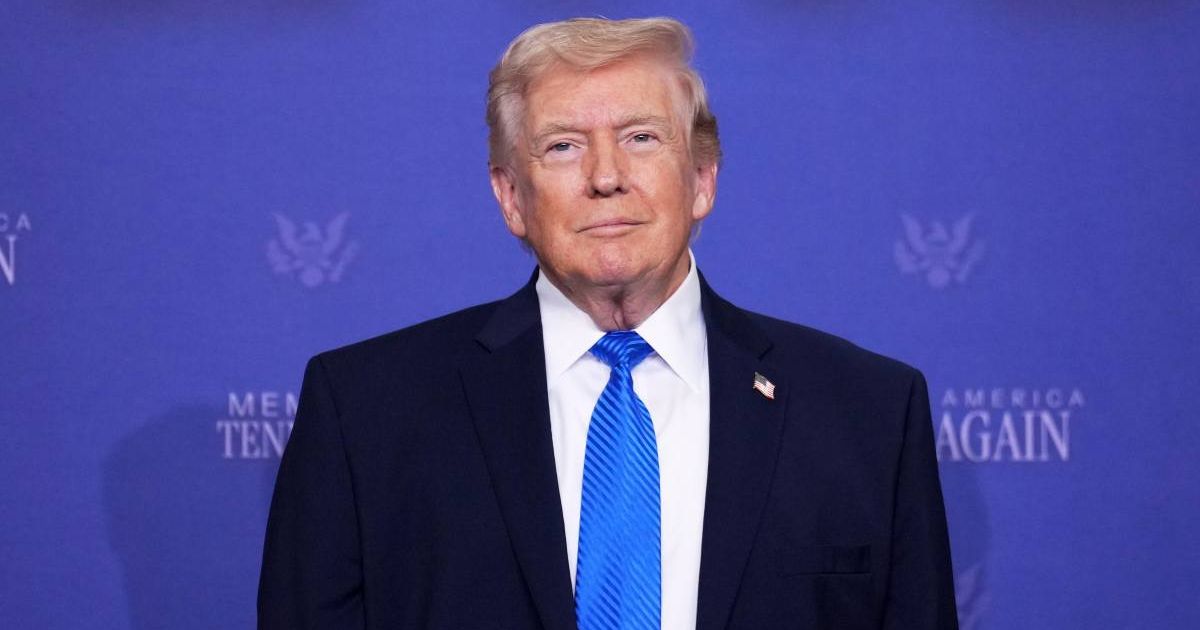
WASHINGTON, DC: Following the US Supreme Court's June 30, 2026, 6-3 ruling upholding birthright citizenship and blocking his executive order, President Donald Trump became the subject of a viral social media claim.
An X post alleged that Trump declared he could end birthright citizenship for children of illegal immigrants with or without Supreme Court approval, presenting the statement as breaking news. Let's fact-check the claim.
Claim: Trump says he can abolish birthright citizenship for illegal immigrants
🚨BREAKING NEWS:
— P/R Football (@brfutboll) June 30, 2026
Lionel Messi has donated $5 million & sent three private planes filled with various medical supplies to the earthquake victims in Venezuela.
A great human being both on and off the field. pic.twitter.com/c5naEsJ4Ya
An X post claimed, "President Trump declares he can abolish birthright citizenship for illegal immigrants, WITH OR WITHOUT Supreme Court approval."
The claim surfaced after the US Supreme Court ruled against the Trump administration's attempt to end birthright citizenship through an executive order.
On June 30, 2026, the Supreme Court issued a 6-3 decision blocking Trump's executive order, which he signed on the first day of his second term.
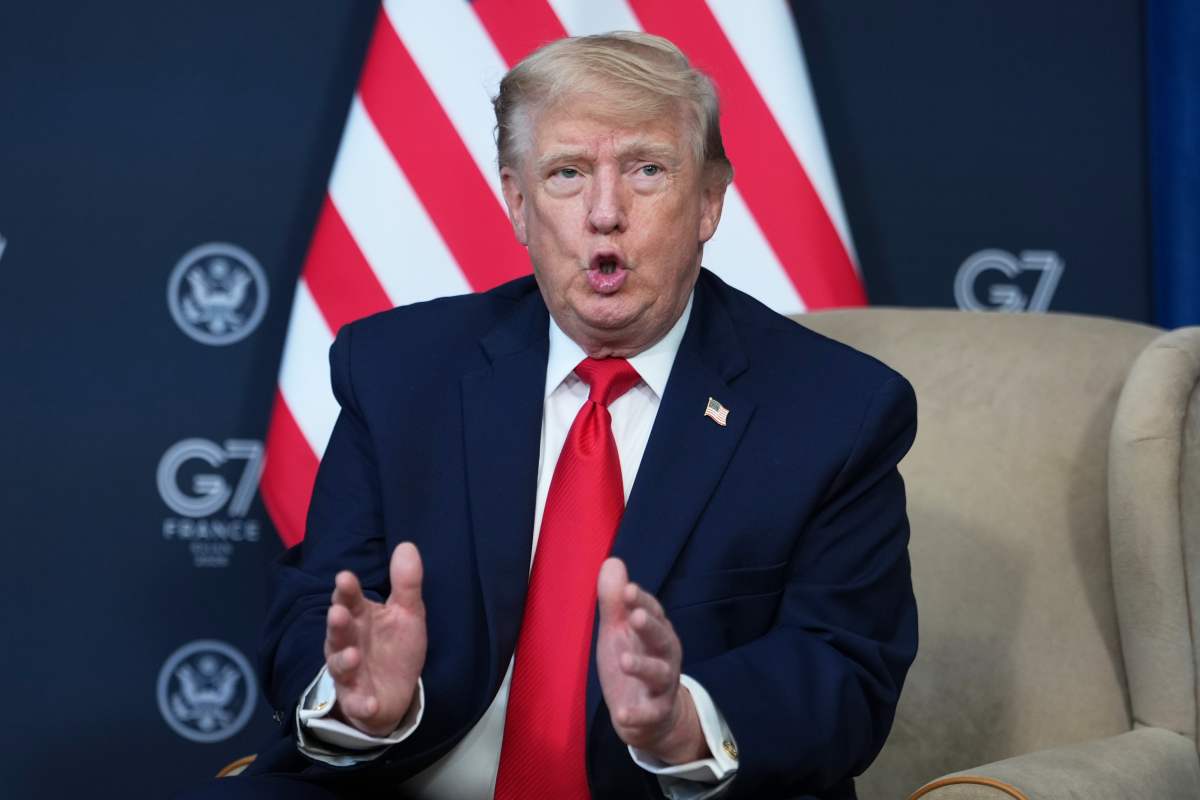
The order sought to end automatic US citizenship for children born to undocumented immigrants and certain temporary foreign visitors.
The policy quickly faced legal challenges from Democratic state attorneys general and the American Civil Liberties Union, and the court heard oral arguments in Trump v Barbara in April.
In its ruling, the court held that the executive order violated the Citizenship Clause of the 14th Amendment, reaffirming a constitutional principle established more than a century ago. Although Justice Brett Kavanaugh agreed with the judgment, he wrote a partial dissent.
Fact Check: False
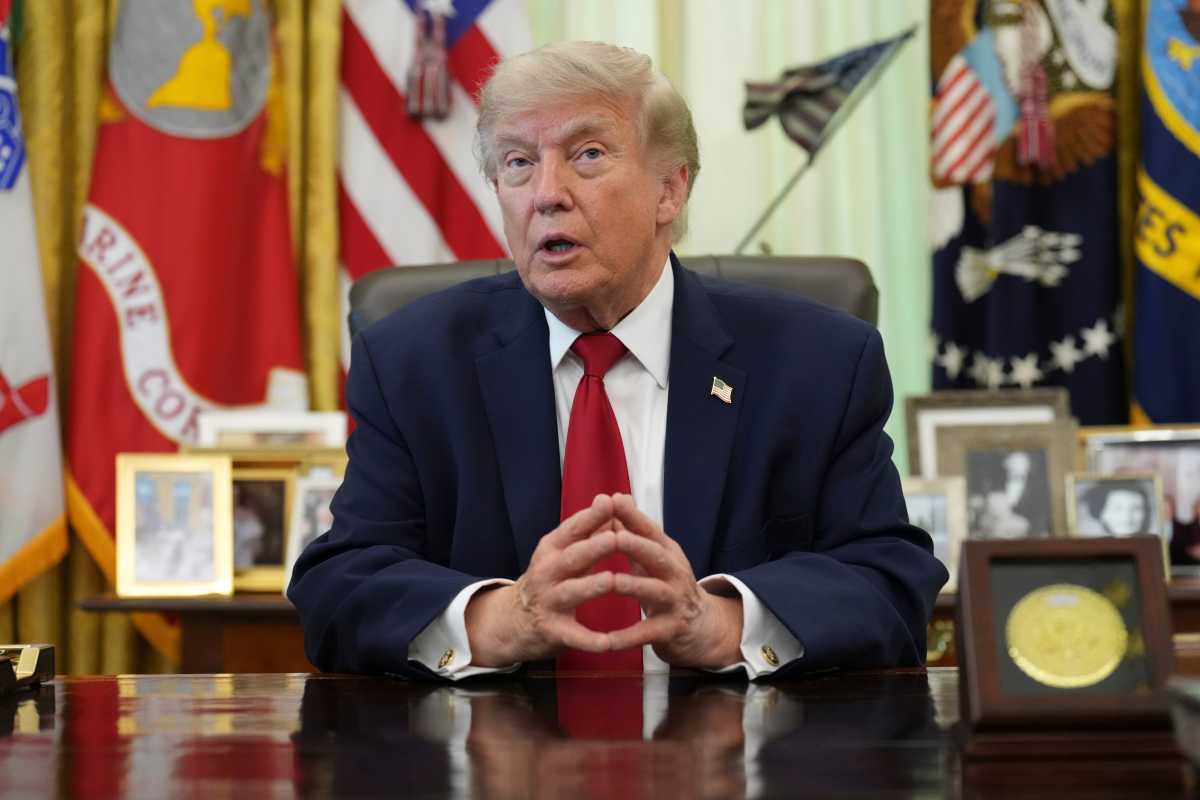
The claim in the original X post is inaccurate. Trump did not declare that he could abolish birthright citizenship with or without Supreme Court approval after the court's ruling.
Following the ruling, Trump called the decision "too bad" but did not claim he could unilaterally end birthright citizenship. He urged Congress to pass legislation to end what he described as "expensive and unfair" birthright citizenship.
Trump argued that Congress could address the issue through legislation rather than a constitutional amendment, which would be significantly more difficult to pass. He called on lawmakers to create exceptions to birthright citizenship for children born to parents who do not have permanent legal status in the United States.
In a post on Truth Social, Trump wrote, "Congress should start TODAY to work on ending expensive and unfair to our Country, Birthright Citizenship."
Even if Congress introduced such legislation, it would still face significant obstacles, including the Senate's 60-vote filibuster threshold, which has repeatedly blocked highly divisive bills during Trump's second term.