Fact Check: Does the US have stricter ID rules for buying beer than voting?
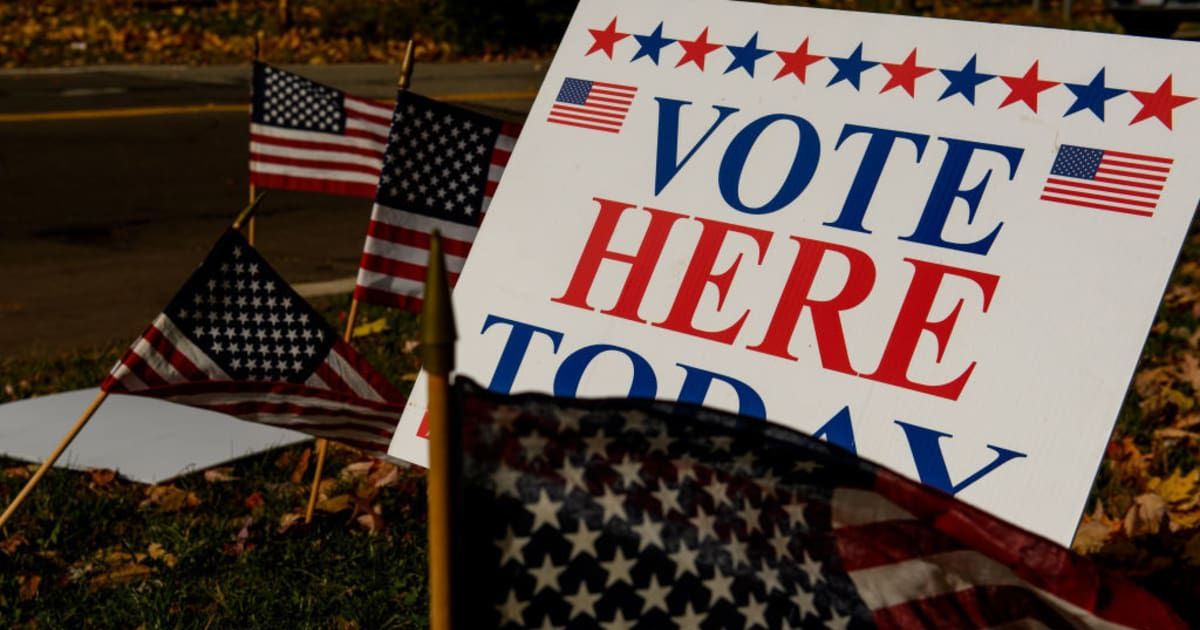
WASHINGTON, DC: As Republicans pushed for a national photo voter ID law in mid-February 2026, they argued that people need an ID for everyday purchases, such as beer, so why not for voting?
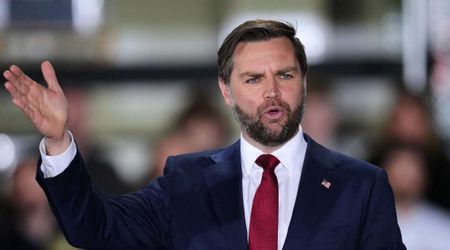
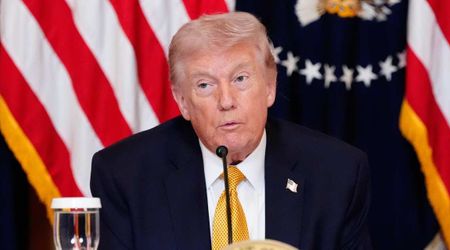
Rep Bryan Steil said during the debate on February 11 that when he recently went to buy a six-pack of beer, the clerk asked to see his ID even though she recognized him. So does the US really have stricter ID rules for buying beer than voting? Let us find out below.
Claim: US has stricter ID rules for buying beer than for voting
Rep Steil shared a clip of his argument on X and captioned it, "It's nuts that we protect our beer in this country more than our ballots!"
In the clip, the Republican Rep was saying, "I went to buy a six-pack of beer. The clerk recognized me, said, 'hi Bryan, how you doing? She said I need to see your ID."
It's nuts that we protect our beer in this country more than our ballots! pic.twitter.com/spE8XWMi3v
— Bryan Steil (@RepBryanSteil) February 11, 2026
"I handed over my ID, confirmed it, allowed me to buy the beer. I think it's nuts that we protect our beer in this country more than our ballots in jurisdictions," Steil added.
The SAVE America Act, passed by the House in February 2026, would mandate photo ID for voting in federal elections.
Fact Check: False, the claim is misleading
The claim that the US has stricter ID rules for buying beer than for voting is not accurate overall. It's a misleading or oversimplified comparison.
Notably, when, how, and why alcohol retailers ask customers for IDs mostly depend on the state law. Retailers can impose stricter ID checks if they want to.
Like, a 2024 Oklahoma law gives businesses discretion to ask for ID, while Utah’s law requires an ID check for every customer purchasing alcohol.

In Rep Bryan Steil’s home state of Wisconsin, employees 'should demand proof of age of anyone entering the premises who appears to be under the legal drinking age,' according to a state guide. As per the law, employees may require a person to present ID and proof of age.
The guide lists multiple acceptable forms of ID, such as a driver’s license, state ID, passport, military or tribal identification, or 'any other form of identification or proof of age acceptable to the licensee.'
Interestingly, most states, around 36, request or require voters to show some form of ID at the polls, while the remaining 14 states and Washington, DC, require no form of identification.
However, they use other methods to verify voters' identities, such as matching signatures or asking for personal information.