Fact Check: Is trillionaire Elon Musk's Social Security tax the same as someone making $184,500?
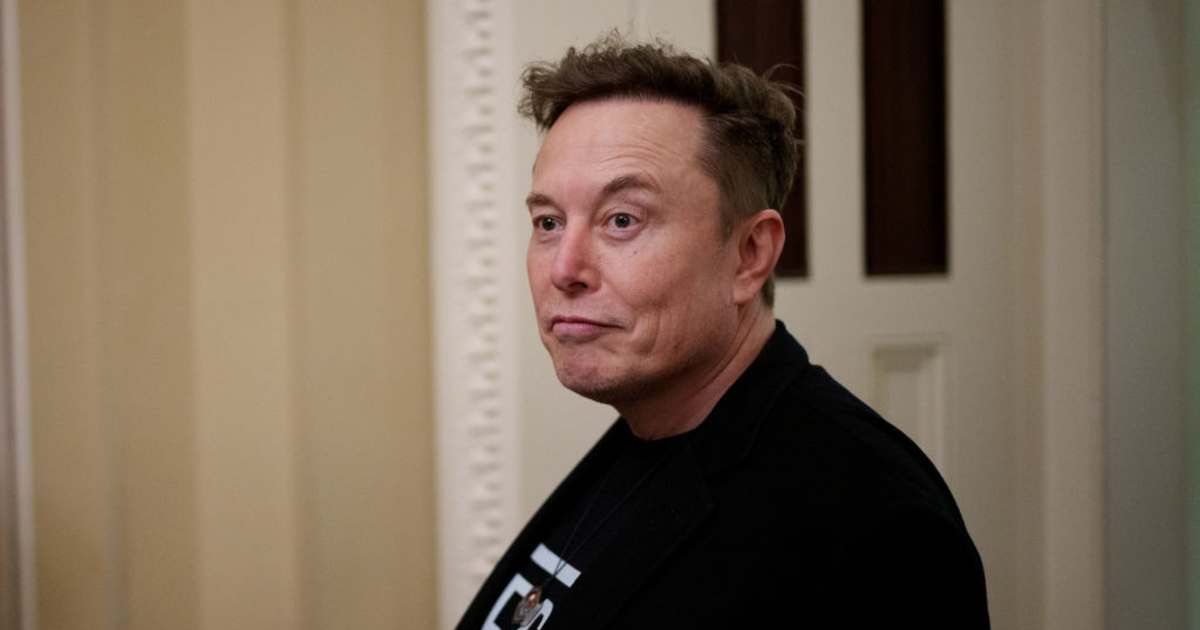
WASHINGTON, DC: As debate over wealth inequality and tax policy continues, Sen Bernie Sanders has renewed scrutiny of the Social Security system with a striking claim: that Elon Musk, now a trillionaire, pays the same amount into Social Security as someone earning $184,500 a year.
The veteran politician's statement highlights a little-known feature of the program's payroll tax cap, which limits the amount of wages subject to Social Security taxes. Let's fact-check Sanders' statement.
Claim: Elon Musk pays the same amount into Social Security as someone making $184,500
Today, Elon Musk, a trillionaire, pays the same amount into Social Security as someone making $184,500.
— Sen. Bernie Sanders (@SenSanders) June 12, 2026
If we end that absurdity and lift the cap on taxable income, we can make Social Security solvent for 75 years and expand benefits by $2,400. My Social Security bill does that.
Elon Musk became the world's first trillionaire on June 12 after the value of his company SpaceX surged following its public listing. The milestone reignited debate over wealth inequality and whether the wealthiest Americans should pay more in taxes.
Sen Bernie Sanders argued that the current Social Security system allows ultra-wealthy individuals such as Musk to pay the same amount into the program as someone earning $184,500 a year.
In a X (formerly Twitter) post, he wrote, "If we end that absurdity and lift the cap on taxable income, we can make Social Security solvent for 75 years and expand benefits by $2,400. My Social Security bill does that."
His claim is based on a real feature of the Social Security tax system. In 2026, the federal government collects Social Security taxes only on the first $184,500 of a person's wages. Once an individual's income reaches that amount, earnings above the cap are not subject to Social Security taxes.

For most employees, Social Security taxes are deducted directly from their paychecks. Workers and employers each contribute 6.2% of wages up to the taxable limit. As a result, the maximum Social Security tax paid by an employee in 2026 is $11,439. Self-employed workers pay both the employee and employer portions, bringing their maximum Social Security tax to $22,878.
Because of this cap, a person earning $200,000, $2 million, or even more does not pay additional Social Security taxes on income above $184,500. Future Social Security benefits are also capped, meaning higher earnings above the limit do not increase a person's benefits.
As labor economist Teresa Ghilarducci noted, the maximum Social Security tax is effectively the same for someone earning $184,500 and for the richest person in the country.
Fact Check: Bernie Sanders' claim about Elon Musk is largely accurate
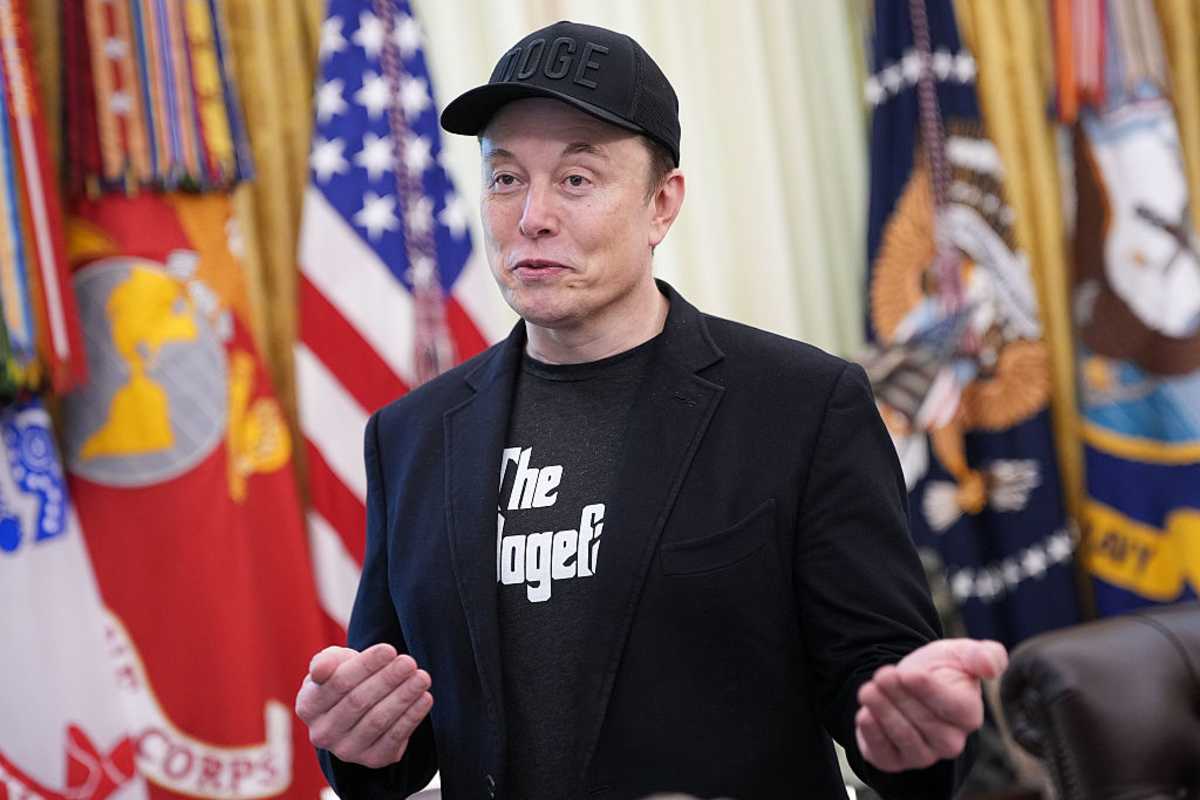
Sanders' claim is largely accurate. He said Musk "pays the same amount into Social Security as someone making $184,500."
However, it is unclear whether Musk actually pays the maximum Social Security tax every year because most of his wealth does not come from wages. He could pay less than someone earning $184,500 in some years, depending on how much wage income he receives.
Social Security taxes apply only to wages, such as salaries, paychecks, bonuses, and some forms of stock-based compensation. They do not apply to investment income, including capital gains from stocks. Experts note that much of Musk's wealth comes from his holdings in Tesla, SpaceX, and other companies rather than from a traditional salary.
When the value of Musk's stock increases, his net worth rises, but those gains are not subject to Social Security taxes. Likewise, selling stock or borrowing against stock holdings generally does not create wage income subject to payroll taxes.
Public records show that Musk does not take a salary from Tesla. A filing before SpaceX's public offering showed that he earned a salary of $54,080 from the company. Because several of the tech mogul's other companies are privately held, details about his compensation are not publicly available.
In recent years, Musk's largest payroll tax obligations have come from exercising stock options that he received as compensation. For instance, in 2021, he exercised Tesla stock options that generated more than $20 billion in taxable income. Even then, his Social Security tax liability remained limited by the payroll tax cap.