Fact Check: Is Trump's claim US will save $500 billion in prescription drug over 10 years true?
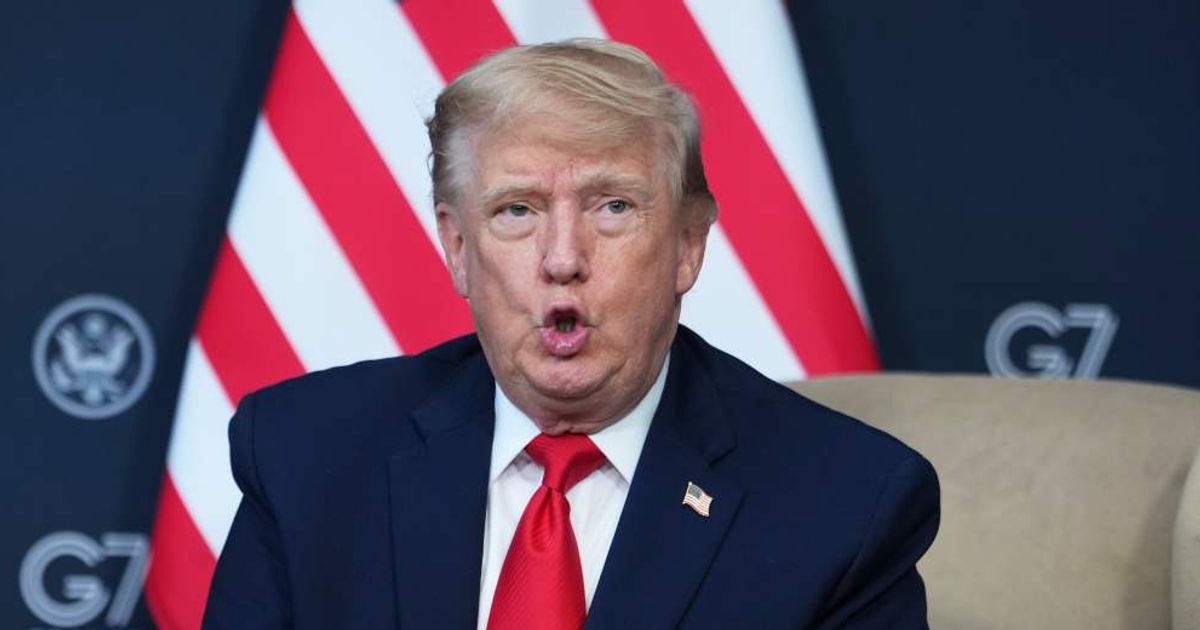
WASHINGTON, DC: President Donald Trump has touted his prescription drug policies as a major victory for consumers, claiming they will save Americans more than $500 billion over the next decade.
The estimate stems from a White House analysis based on a "most favored nation" (MFN) pricing model, which assumes drug companies will sell new medicines in the United States at prices comparable to those charged in other countries.
But do Trump's policies currently support such massive savings, or are the projections based on assumptions about future changes? Let's examine the facts.
Claim: Trump's policies will save Americans over $500 billion in 10 years
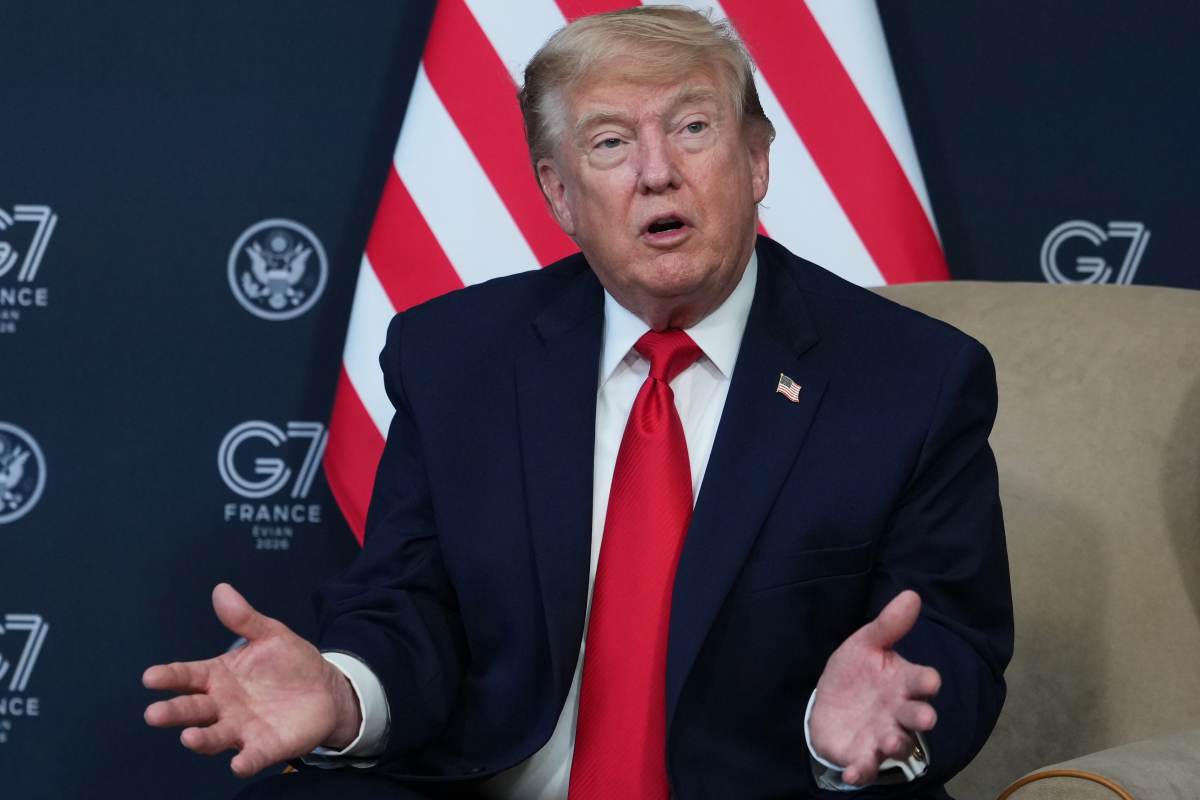
Most of the projected savings come from a May 5 report by the White House Council of Economic Advisers, which assumes that all new prescription drugs will be sold in the United States at "most favored nation" (MFN) prices in the future.
The report estimated that this change alone would save Americans about $529 billion over the next 10 years. Another $64.3 billion in savings would come from applying MFN pricing to Medicaid.
Trump highlighted these projections during a May 18 event announcing the addition of more drugs to TrumpRx, the administration's website that directs consumers to cash prices for prescription medications.
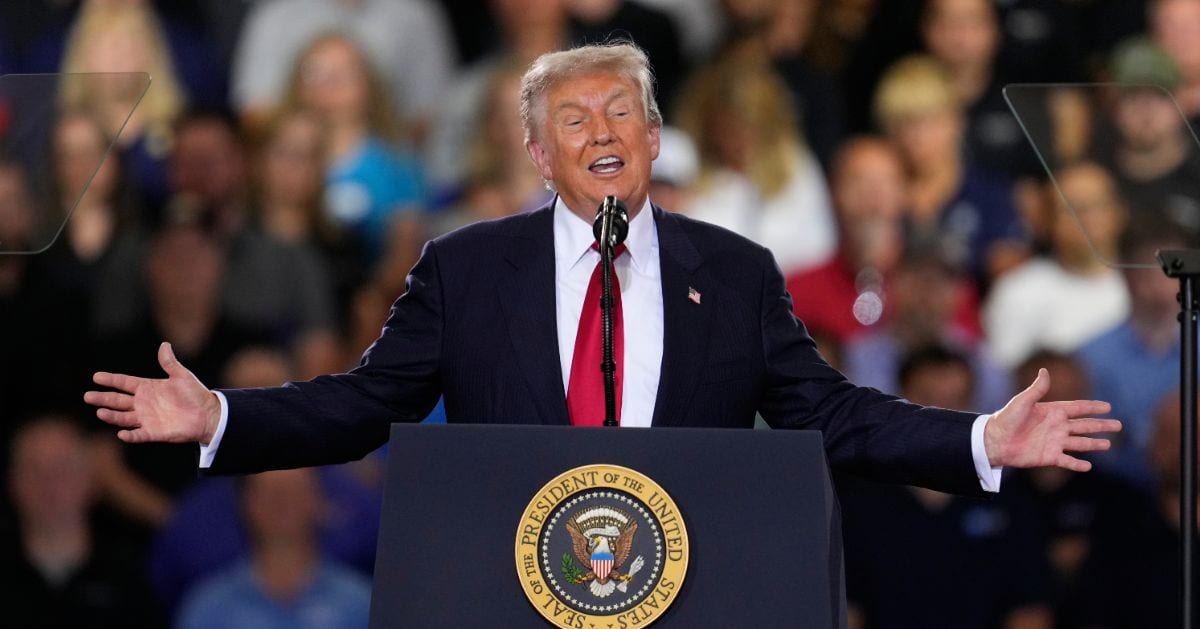
“People are saving a lot of money,” Trump said. “Over the next 10 years, the Council of Economic Advisers estimates that our most favored nation drug policies will save Americans over $500 billion. And this has been the greatest breakthrough in lowering healthcare costs in modern history.”
Dr Mehmet Oz, administrator of the Centers for Medicare & Medicaid Services, made a similar argument during a June 2 event announcing further additions to the TrumpRx website. Calling on Congress to make MFN pricing law, Oz said, “Think about the $600 billion of savings to the average American over the next 10 years,”
Referring to the administration's negotiations with pharmaceutical companies, Oz added, “It’s just a massive number that they voluntarily, sort of, gave back because the president went after them and said: ‘You got to deal with this problem.’”
Fact Check: False
No evidence shows that drug companies have agreed to deliver $500 billion in savings to Americans, let alone to the "average" American.
So far, the Trump administration has reached voluntary agreements with 17 pharmaceutical companies to lower drug prices. The White House and the companies have said these deals include commitments to launch new drugs at most favored nation (MFN) prices and offer MFN pricing to state Medicaid programs. However, neither side has released detailed terms of the agreements, and some companies have said the deals will expire after three years.
Health policy experts say the lack of transparency makes it difficult to verify the administration's projected savings.
Juliette Cubanski, vice president and director of the Program on Medicare Policy at KFF, said, “Right now we just have a lot more questions than we have answers, and that makes it really difficult to assess the validity or accuracy or even ballpark-ness of this very large estimate of savings in the White House report.”
She added that analysts still do not know key details, including “how many of these manufacturers’ drugs are subject to MFN pricing.”
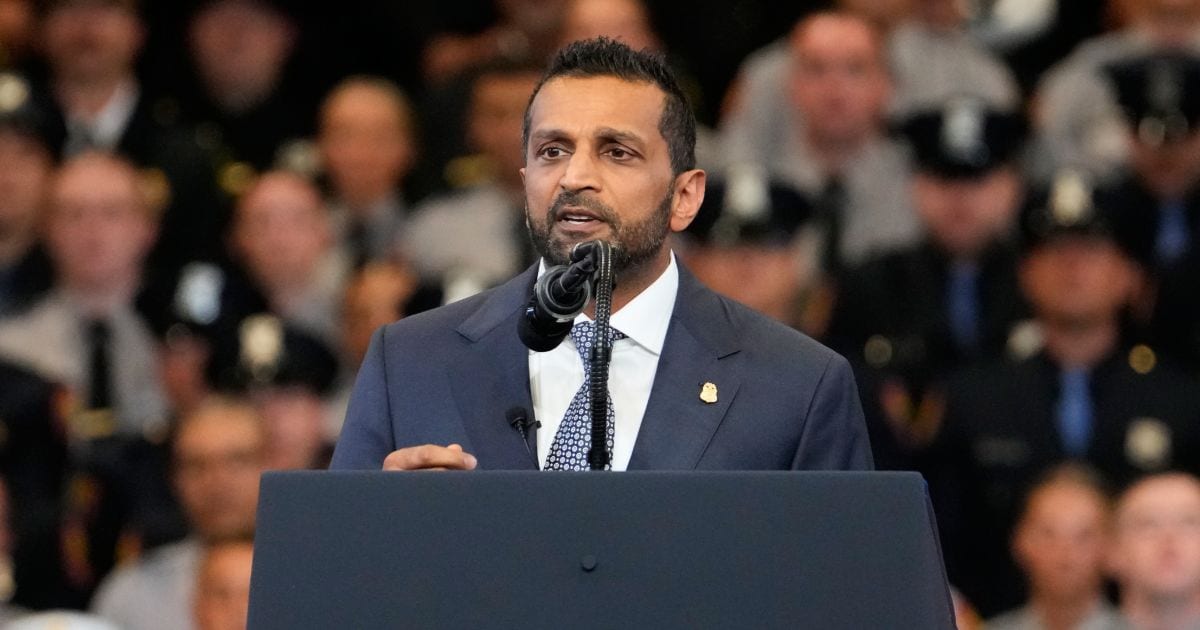
When asked to explain how the administration plans to achieve the projected savings, White House spokesperson Kush Desai said that “the research report lays out all of the assumptions underlying this analysis.”
The White House's estimate of hundreds of billions of dollars in savings does not come from discounts offered through the TrumpRx website. Instead, the estimate largely relies on assumptions about future drug pricing. The discounted cash prices listed on TrumpRx help only certain groups of consumers, such as people paying out of pocket for fertility or weight-loss medications that insurance does not cover. Many insured patients can often obtain lower prices through their health plans than by paying cash.
The Council of Economic Advisers' analysis estimated only $4.6 billion in savings from TrumpRx over 10 years, and those savings apply specifically to Americans paying for fertility treatments.
An associate professor in the department of health policy and management at Johns Hopkins Bloomberg School of Public Health, "We’ve seen no indication from pharma, from other key stakeholders, that this $600 billion number is real,”