Trump touts Iran deal as ‘unconditional surrender,’ says his power has ‘no limits’
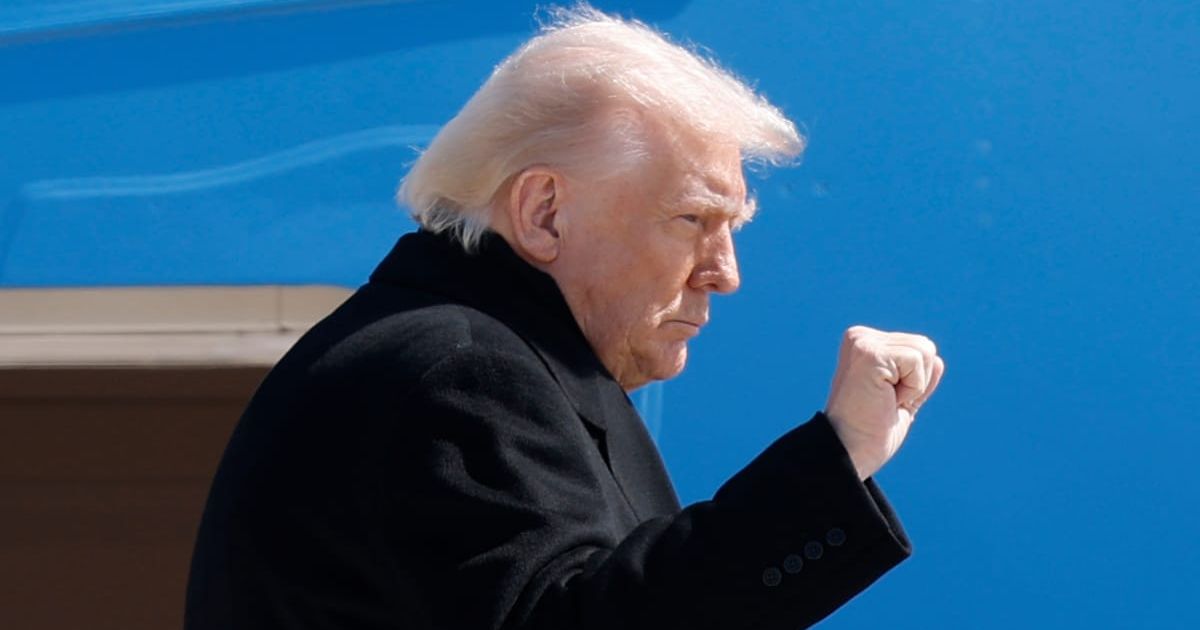
Trump defended the Iran accord as a strategic victory, claiming Tehran had effectively surrendered
Trump said his agreement with Iran ended a global economic crisis (AP Photo)

WASHINGTON, DC: President Donald Trump defended the newly signed agreement between the United States and Iran, describing it as a major strategic victory and arguing that Tehran had effectively accepted an “unconditional surrender.”

In an interview with Axios on Thursday, June 18, Trump asserted that there were effectively “no limits” to his ability to exercise presidential power, while crediting US military pressure for bringing Iran to the negotiating table.

Trump rejects criticism, calls deal ‘unconditional surrender’

Trump defended the agreement as a decisive outcome of the conflict, arguing that US military pressure had forced Iran to accept terms favorable to Washington.

When asked whether the memorandum of understanding amounted to the “unconditional surrender” he had initially demanded from Tehran, Trump replied, “well, it really probably is unconditional surrender.”

The president also used the interview to argue that the conflict underscored the reach of American military power and his own ability to exercise authority as commander-in-chief. “There are no limits,” Trump said when asked what he had learned about the exercise of power during the war.
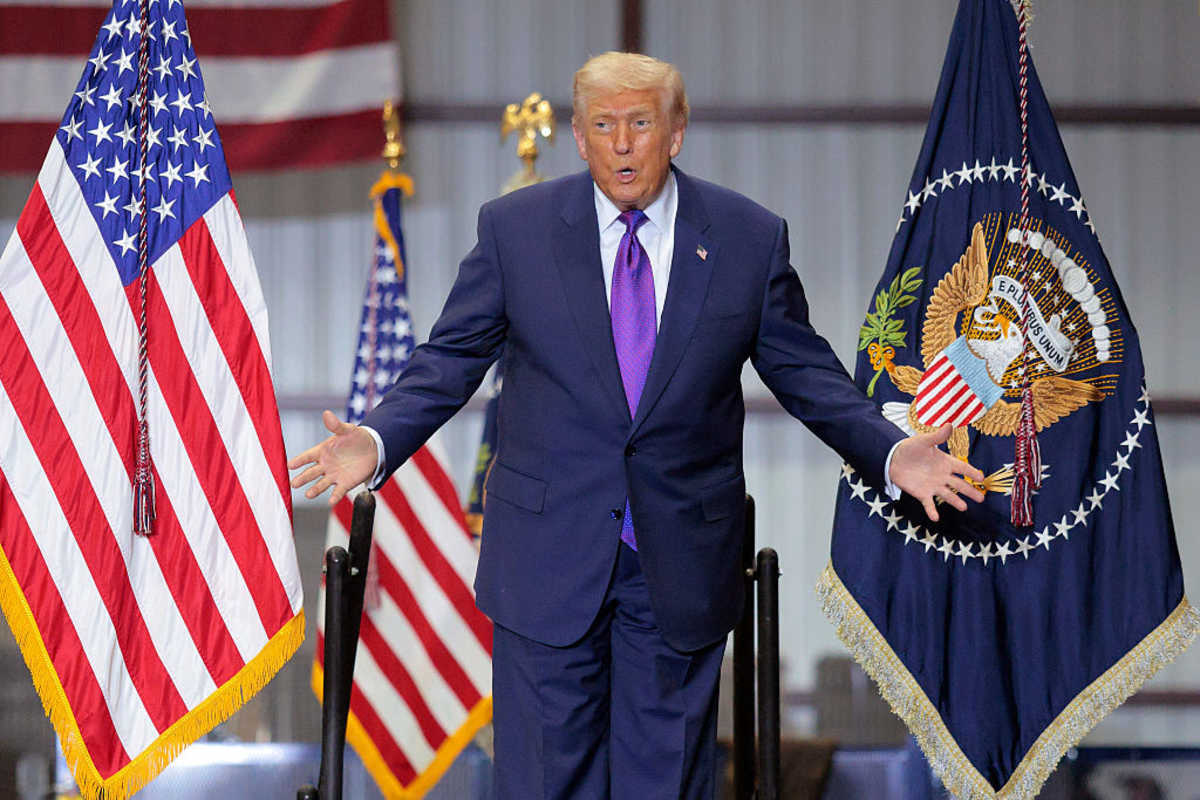
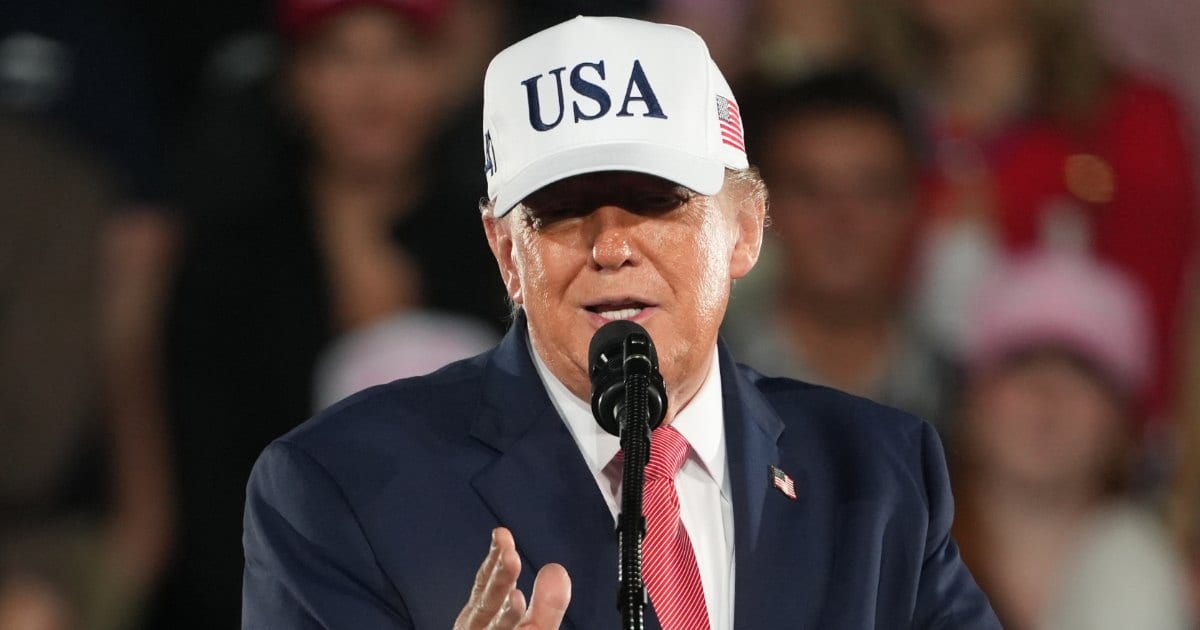
ROME, GEORGIA - FEBRUARY 19: U.S. President Donald Trump walks onstage before delivering remarks at the Coosa Steel Corporation on February 19, 2026 in Rome, Georgia. Trump delivered remarks on the economy and affordability as the state has started voting to replace the seat vacated by former Rep. Marjorie Taylor Greene. (Photo by Chip Somodevilla/Getty Images)
President Donald Trump walks onstage before delivering remarks at the Coosa Steel Corporation on February 19, 2026 in Rome, Georgia (Chip Somodevilla/Getty Images)

When pressed on whether the conflict had revealed any constraints on presidential authority, Trump responded: “No, none. I haven’t learned that lesson yet. I know there are. But you know, there are no limits. We defeated them totally militarily.”

His remarks came as several Republican lawmakers and conservative commentators criticized the agreement, arguing that it leaves key issues unresolved, including Iran's nuclear program and sanctions relief.
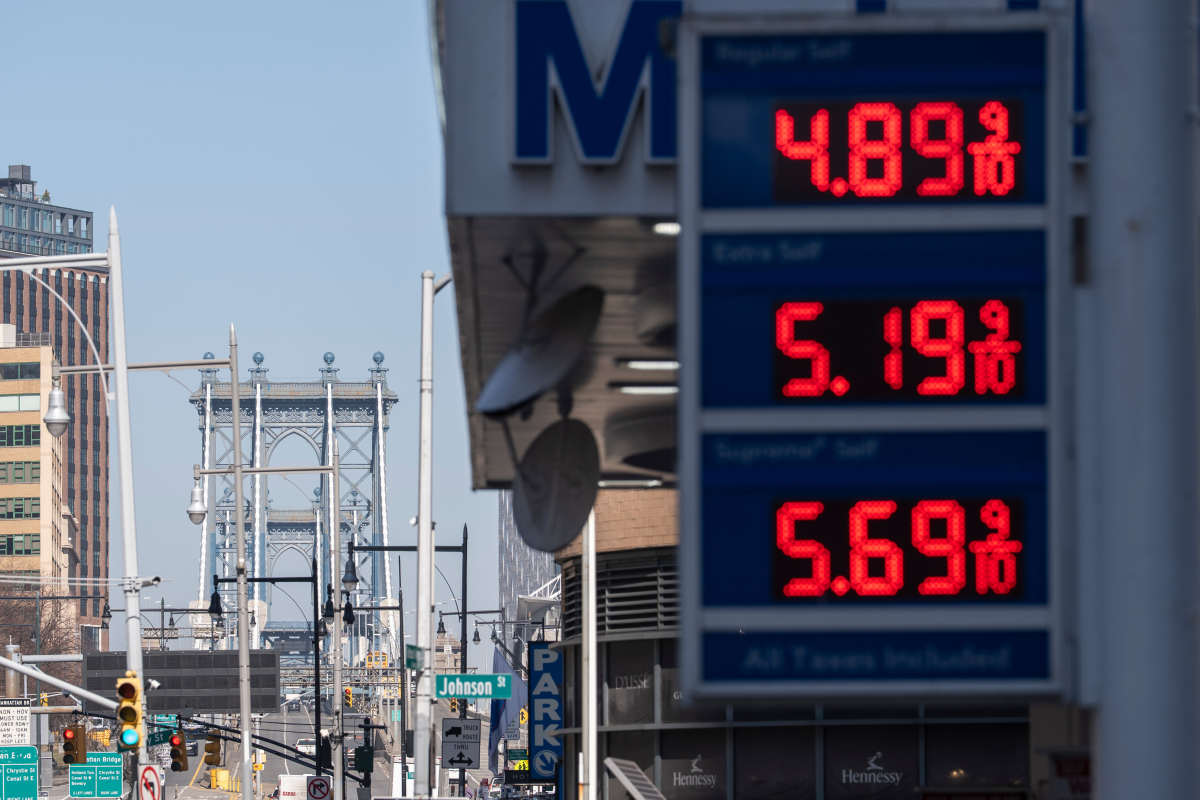
Manhattan Bridge is seen behind a display showing the gas prices at a gas station, Tuesday, March 10, 2026, in the Brooklyn borough of New York. (AP Photo/Yuki Iwamura)
Manhattan Bridge is seen behind a display showing the gas prices at a gas station, Tuesday, March 10, 2026, in the Brooklyn borough of New York (AP Photo/Yuki Iwamura)

Trump dismissed those concerns, maintaining that the deal delivered lower oil prices, reopened the Strait of Hormuz and secured what he described as an American victory.

Trump says deal averted economic crisis 

Trump acknowledged that concerns over global energy supplies played a key role in his decision to pursue an agreement rather than extend military operations. The memorandum of understanding, signed Thursday, June 18, includes a 60-day ceasefire, the reopening of the Strait of Hormuz and a framework for future nuclear negotiations. 

The president said prolonging the conflict would have risked keeping one of the world's most important oil transit routes closed and could have triggered wider economic consequences.

“The only way I can get tougher is if I go in there for another two or three weeks and continue to bomb the hell out of 'em. Right? But what does that get us? The Strait of Hormuz will not be open,” Trump said.
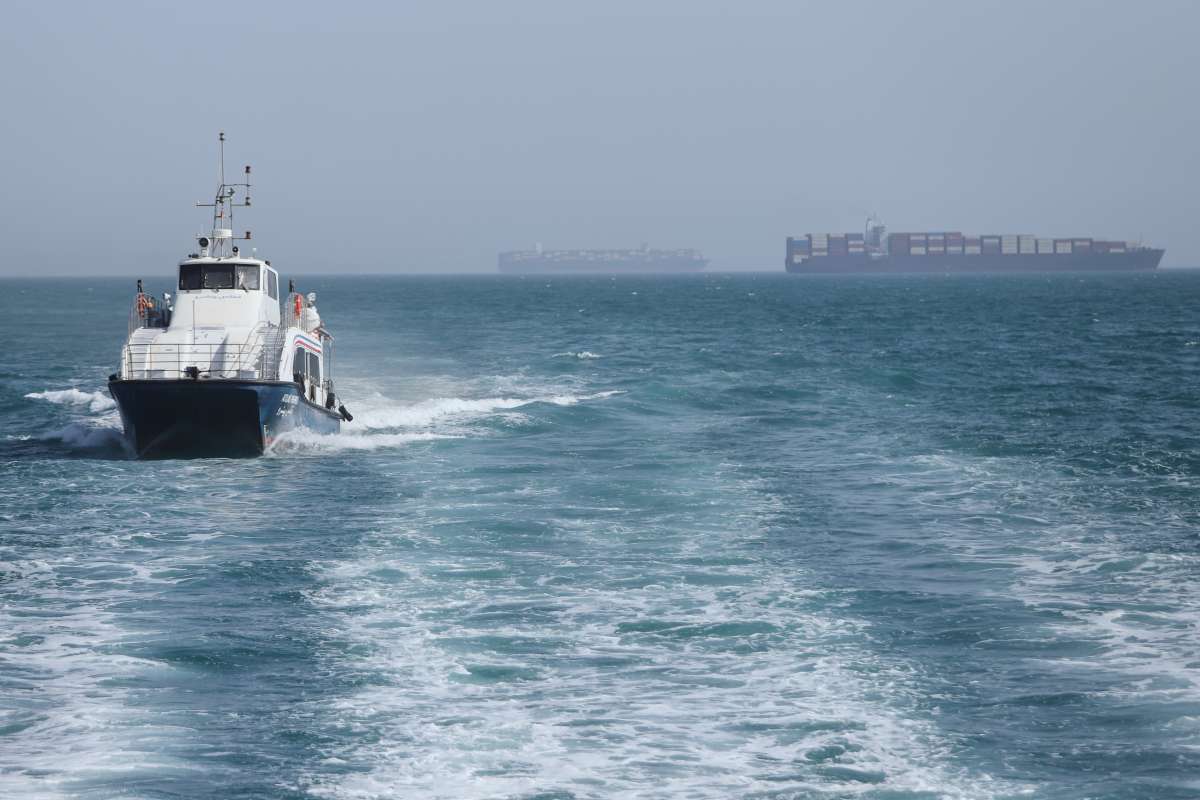
A patrol boat moves through the water as cargo ships sit at anchor in the Strait of Hormuz off Bandar Abbas, Iran, Saturday, May 2, 2026.(Amirhosein Khorgooi/ISNA via AP)
A patrol boat moves through the water as cargo ships sit at anchor in the Strait of Hormuz off Bandar Abbas, Iran, Saturday, May 2, 2026 (Amirhosein Khorgooi/ISNA via AP)

“We wouldn't have oil for months. As long as you're dropping bombs, that thing is automatically closed,” he added. “This is the kind of thing that could cause a worldwide depression.”
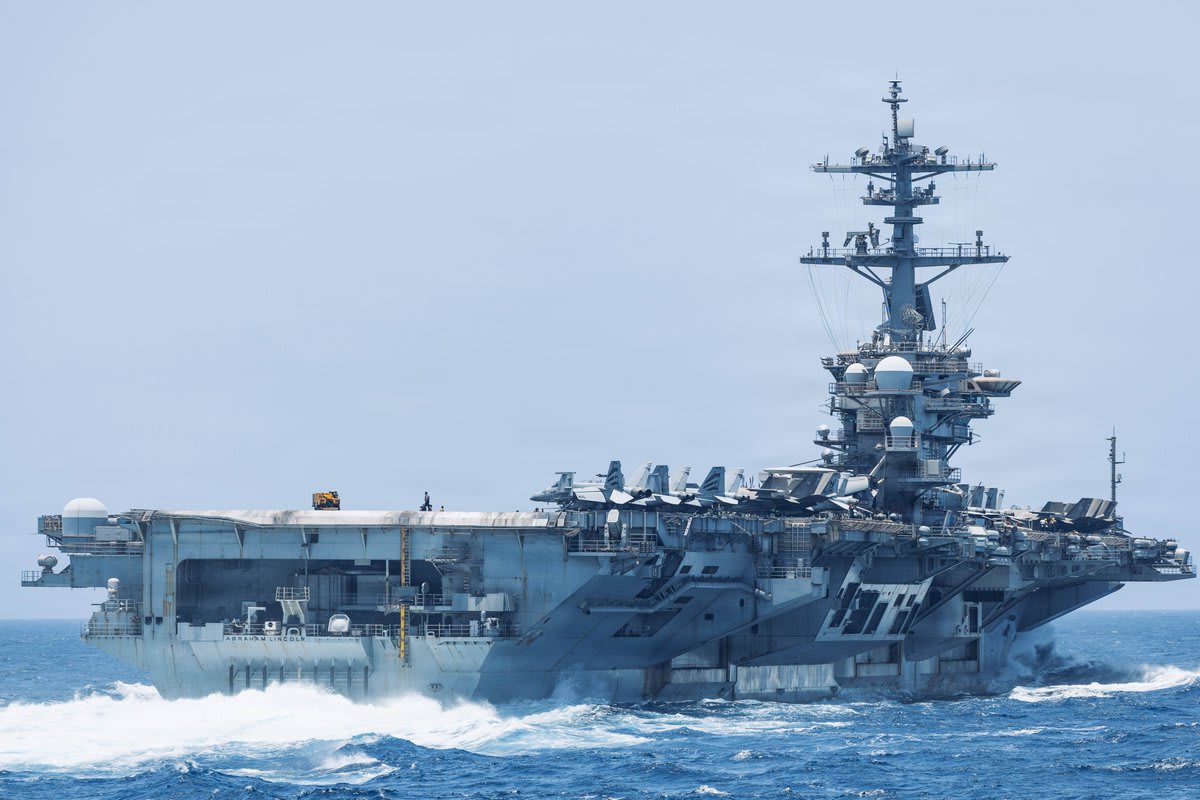
USS Abraham Lincoln (CVN 72) transits the Arabian Sea as the aircraft carrier continues to support the US blockade against Iran. US forces have redirected 122 commercial vessels to ensure compliance (US Central Command X CENTCOM)

While defending the agreement, Trump also portrayed it as the result of overwhelming American military pressure. He pointed to the US naval blockade imposed during the conflict, arguing that it demonstrated Washington's ability to force Iran into negotiations.
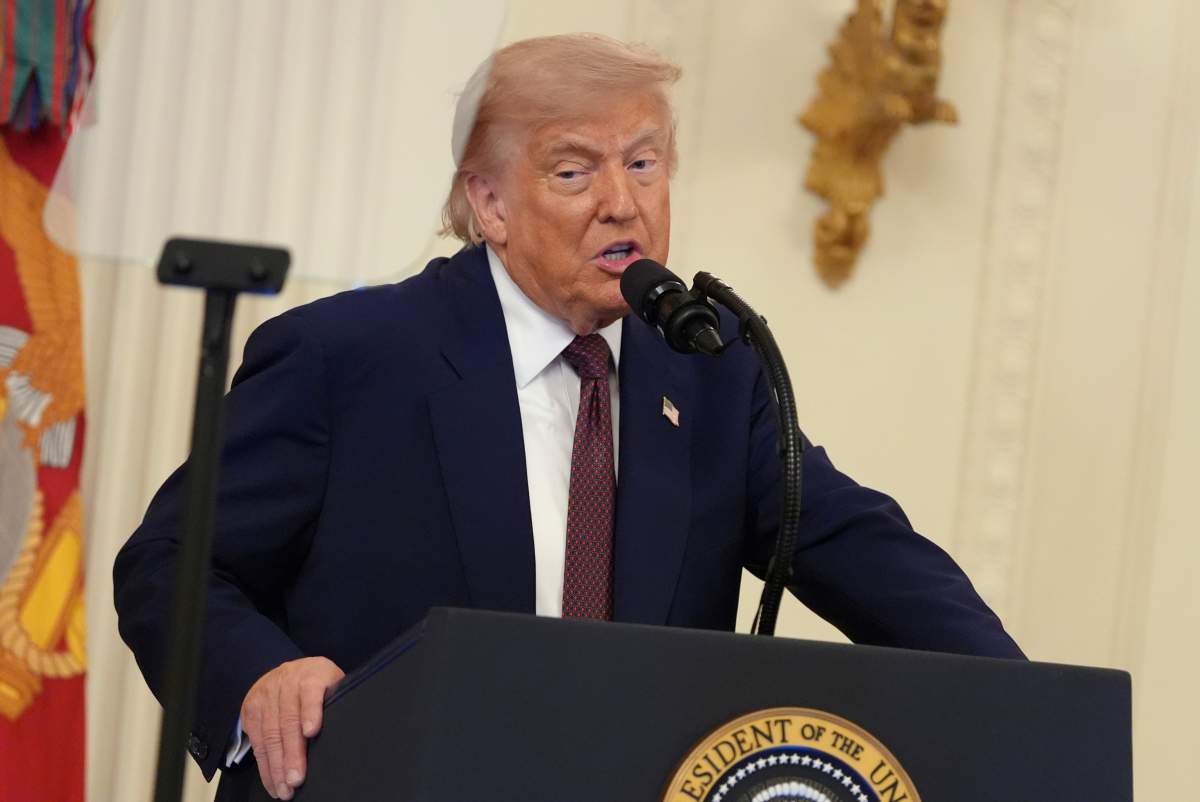
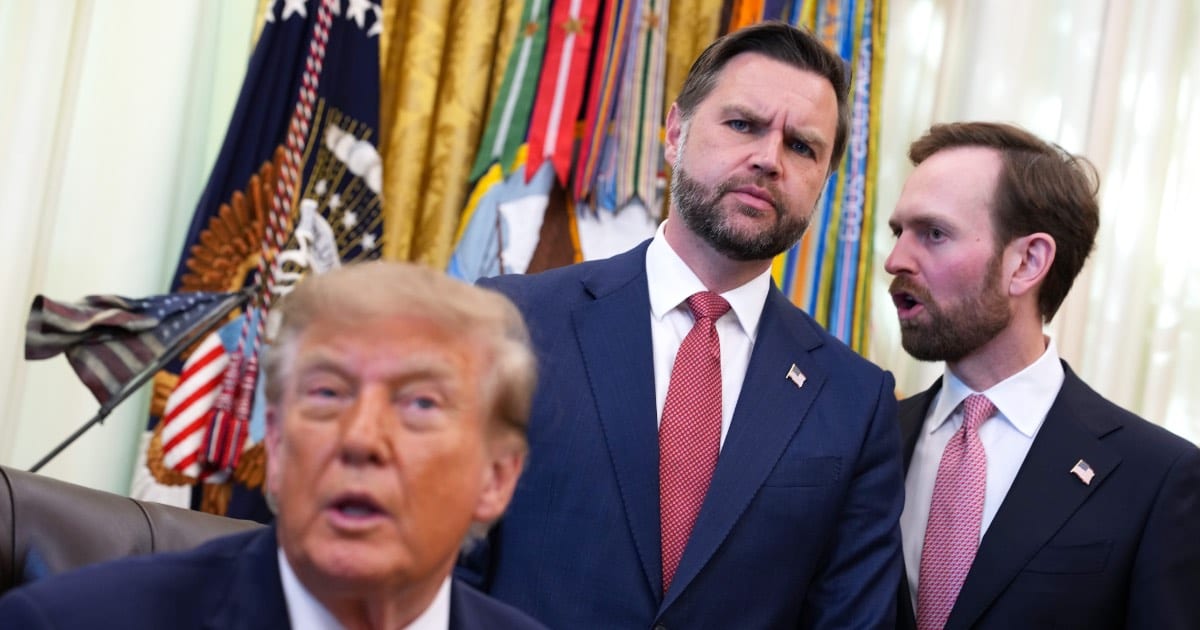
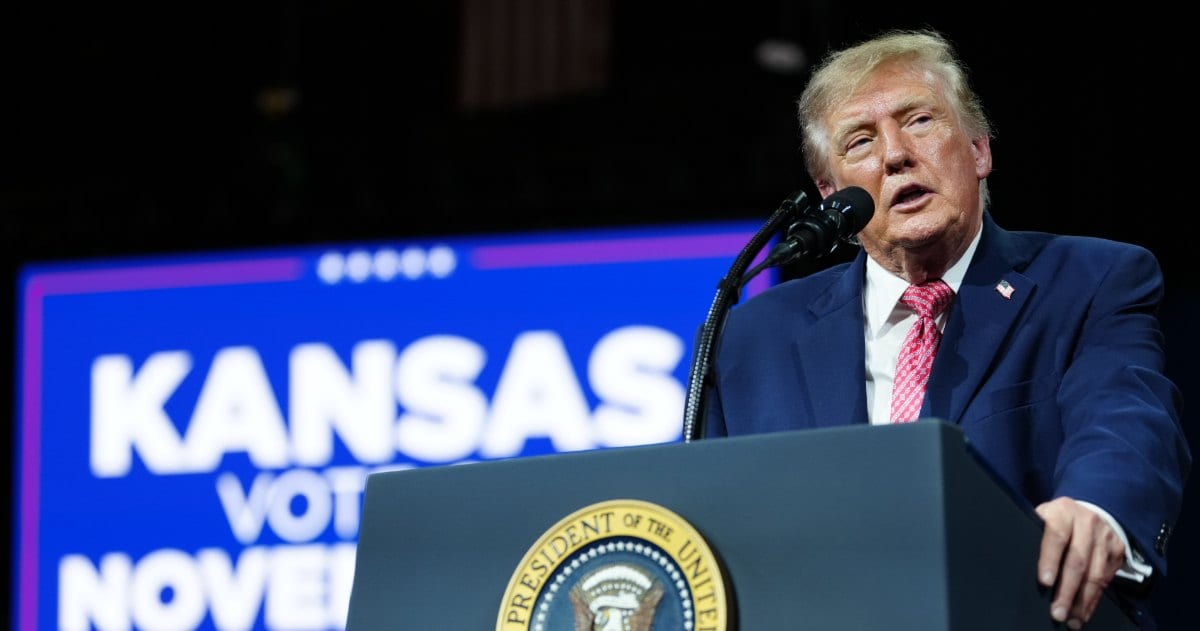
President Donald Trump speaks during a Medal of Honor ceremony in the East Room of the White House, Thursday, June 18, 2026, in Washington. (AP Photo/Jacquelyn Martin)
President Donald Trump speaks during a Medal of Honor ceremony in the East Room of the White House, Thursday, June 18, 2026, in Washington (AP Photo/Jacquelyn Martin)

We have the most powerful military in the world, by far,” Trump said. “Who else could have done a blockade like that?”
RELATED TOPICS US STRIKES IRAN

GET BREAKING U.S. NEWS & POLITICAL UPDATES
STRAIGHT TO YOUR INBOX.

MORE STORIES

'I think it's terrific that people who will likely seek the GOP nomination for president are revealing themselves', Mark Levin wrote on X
5 hours ago
President Trump predicted he could be the GOP's final White House occupant if Republicans failed to act
6 hours ago
GOP senators opposed provisions that would lift sanctions on Iranian oil exports and potentially unfreeze Tehran's assets
7 hours ago
Vice President JD Vance made it clear that the administration would not lift sanctions based solely on a preliminary deal
9 hours ago
Justice Neil Gorsuch said that the government's historical analogy failed to justify disarming regular controlled-substance users
10 hours ago
Despite fears that tensions would disrupt a key shipping route and raise oil prices, Vance said prices stayed near pre-war levels
10 hours ago
The remarks came hours after President Trump criticized opponents who said the Iran deal was too lenient or failed to curb Tehran's ambitions
12 hours ago
Keith Sonderling warned states could lose administrative funding over unemployment fraud, calling it an unprecedented nationwide crackdown
19 hours ago
Clinton offered assessments of US foreign policy, Dem party strategy, Trump’s future influence and the Supreme Court
19 hours ago
Trump's comments especially stood out because they were delivered during a G7 press conference rather than at a campaign rally or on social media
20 hours ago