Fact Check: Is Trump administration cutting down DC's oldest cherry tree for a golf course?
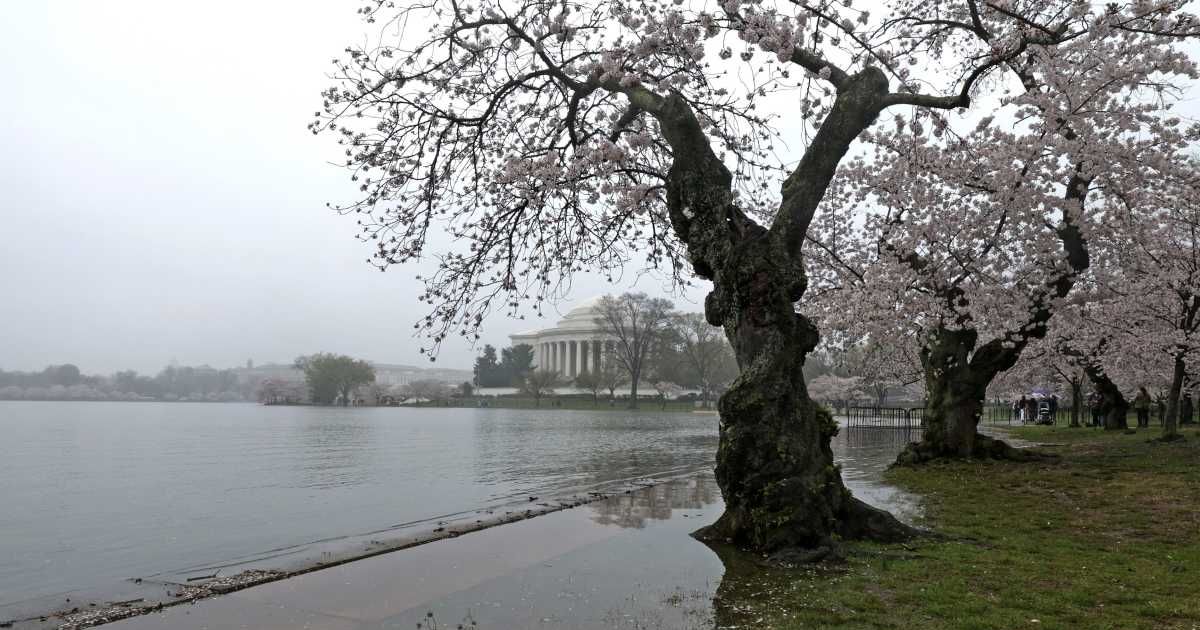
WASHINGTON, DC: After President Donald Trump announced plans to redevelop Washington, DC's historic East Potomac Golf Links into a premier public golf course beginning in September 2026, an X (formerly Twitter) post alleged that the project will require cutting down the city's oldest cherry tree.
The viral post, which included a stern portrait of Trump and an image of cherry blossoms near the Jefferson Memorial, has fueled renewed debate over the potential impact of the redevelopment on Washington's iconic cherry trees.
Claim: Trump admin to cut down DC's oldest cherry tree for golf course
The Trump administration is planning to cut down DC's oldest cherry tree to make way for a new Trump golf course. pic.twitter.com/QjV2eUTpgL
— FactPost (@factpostnews) July 1, 2026
The post by X user @factpostnews read, "The Trump administration is planning to cut down DC's oldest cherry tree to make way for a new Trump golf course."
The announcement renewed public debate over the potential impact of the project on the city's iconic cherry trees.
Washington's cherry trees, gifted by Japan in 1912 as a symbol of friendship, are among the capital's most recognizable landmarks and attract millions of visitors each year.
As a result, any claim suggesting that the redevelopment could threaten the trees is likely to spark environmental, cultural, and political concerns while also fueling broader debate over the Trump administration's redevelopment plans, federal land use, and preservation of historic public spaces.
Fact Check: Misleading

The claim that the Trump administration plans to cut down Washington, DC's oldest cherry tree to build a new Trump golf course is misleading. The administration is renovating the existing public East Potomac Golf Links after ending a nonprofit's lease. While the project may require limited tree removal, there is no evidence that officials plan to cut down the city's oldest cherry tree or build a new private golf course.
Project plans and renderings show that some work could affect park areas and nearby cherry groves at East Potomac. However, a federal judge ruled in May 2026 that no more than 10 trees can be removed without notifying preservation groups. There are no verified reports that the city's oldest cherry tree is among those at risk.
The oldest cherry trees, planted in 1912, are located mainly around the Tidal Basin, while East Potomac is known for its later-blooming Kwanzan cherry trees. The project will renovate the existing public golf course, which will remain open to the public under the oversight of the Department of the Interior, and the redevelopment continues to face legal scrutiny.
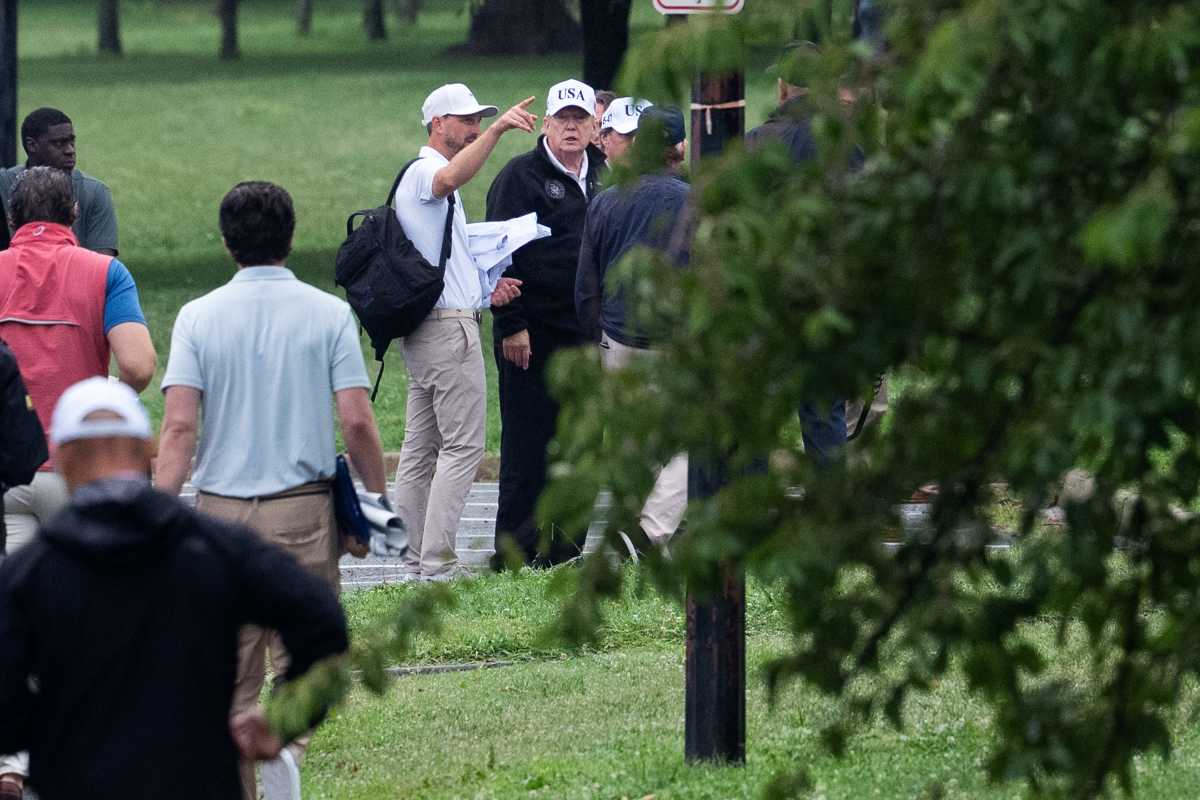
Golf course architect Tom Fazio said Trump instructed him to protect the cherry trees during the renovation. The Washington Post also reported that the cherry tree grove does not appear to be affected by the current redevelopment plans.
"The President and his team will redevelop this aging golf course in the nation's capital to restore its quality and prestige," White House spokeswoman Taylor Rogers said.