Fact Check: Is Trump ‘funneling’ money from Venezuelan oil sales to a bank account in Qatar?
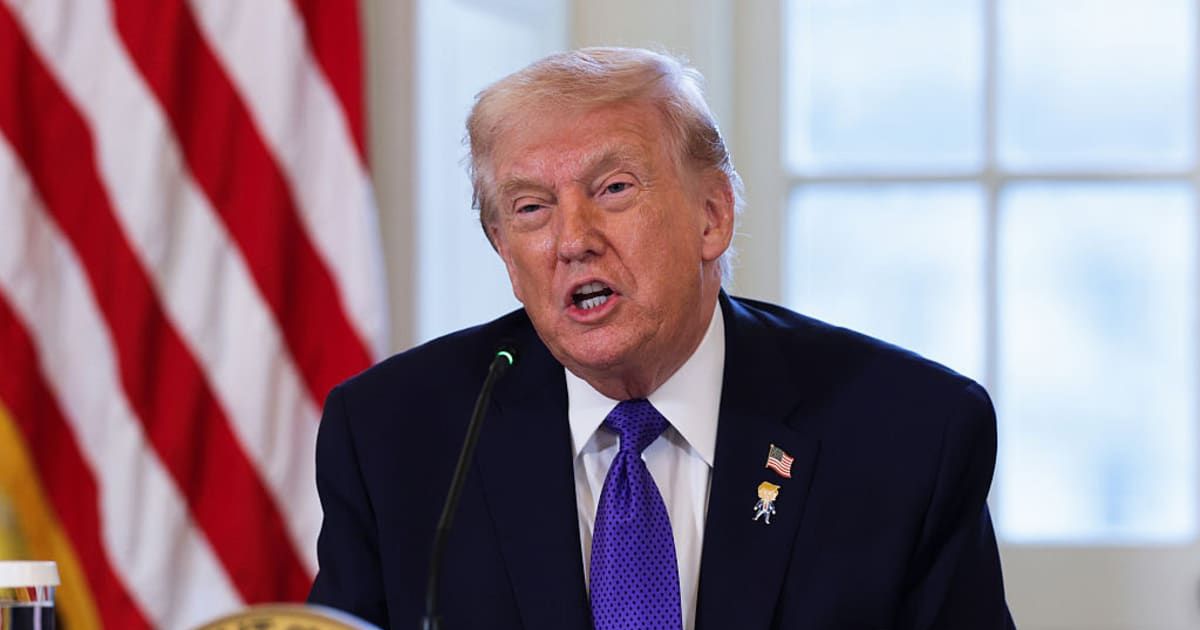
WASHINGTON, DC: A recent political claim circulating online alleges that President Donald Trump is funneling proceeds from Venezuelan oil sales into a bank account in Qatar following a controversial operation in Venezuela, ousting its leader, Nicolas Maduro.
The narrative has drawn strong criticism and debate over its legality. Let us fact-check the claim.
Claim: Donald Trump funneling Venezuelan oil money to Qatar bank account
Trump is selling seized Venezuelan oil and putting the cash in a bank account in Qatar. Nothing to see here. https://t.co/hY4JH8udTM pic.twitter.com/1qigkS2Wfn
— Ron Filipkowski (@RonFilipkowski) January 14, 2026
According to a report by Semafor on Wednesday, January 14, Trump is sending the proceeds from the sale of Venezuelan oil to a bank account in Qatar.
The report alleges that the Trump administration’s first sale of Venezuelan oil was valued at $500 million and that the money is being held in multiple bank accounts, the biggest of which is in Qatar.
“Revenue from the oil sales is currently being held in bank accounts controlled by the US government," as indicated in Friday’s order, according to the administration official.
The main account, according to a second senior administration official, is located in Qatar.
“The second official described Qatar as a neutral location where money can flow freely with US approval and without risk of seizure. Trump’s order noted that at least some of the revenue would be held in US Treasury accounts,” the online report claimed.
Fact Check: The claim is mostly true, but the word 'funneling' is misleading

It remains unclear why funds held in Qatar would face a lower risk of seizure than the money kept in a US bank. The administration has also not explained who it believes might attempt to seize or freeze the funds, leaving the rationale for this decision unresolved.
“There is no basis in law for a president to set up an offshore account that he controls so that he can sell assets seized by the American military,” Sen. Elizabeth Warren (D-MA), the ranking member of the Senate Finance Committee, told Semafor. “That is precisely a move that a corrupt politician would be attracted to.”
The claim is mostly true but the word 'funnelling' implies personal or illicit diversion, which is not supported by existing evidence. Instead, credible sources describe the US government (under the Trump administration) holding proceeds from the sale of Venezuelan oil in US-controlled accounts.
Revenue from these sales is being held in bank accounts controlled by the US government, as per an executive order and administration statements.
Some funds are also noted as being held in US Treasury accounts.
The White House and Department of Energy have stated the proceeds are intended to benefit the American and Venezuelan people, with US oversight, and sales will continue indefinitely.
This has drawn criticism from Democrats and observers, who question the use of offshore accounts and potential for scrutiny or misuse, with some likening it to money laundering concerns, though no evidence of personal gain by Trump has been reported.
Trump talks with industry leaders on the future of Venezuelan oil
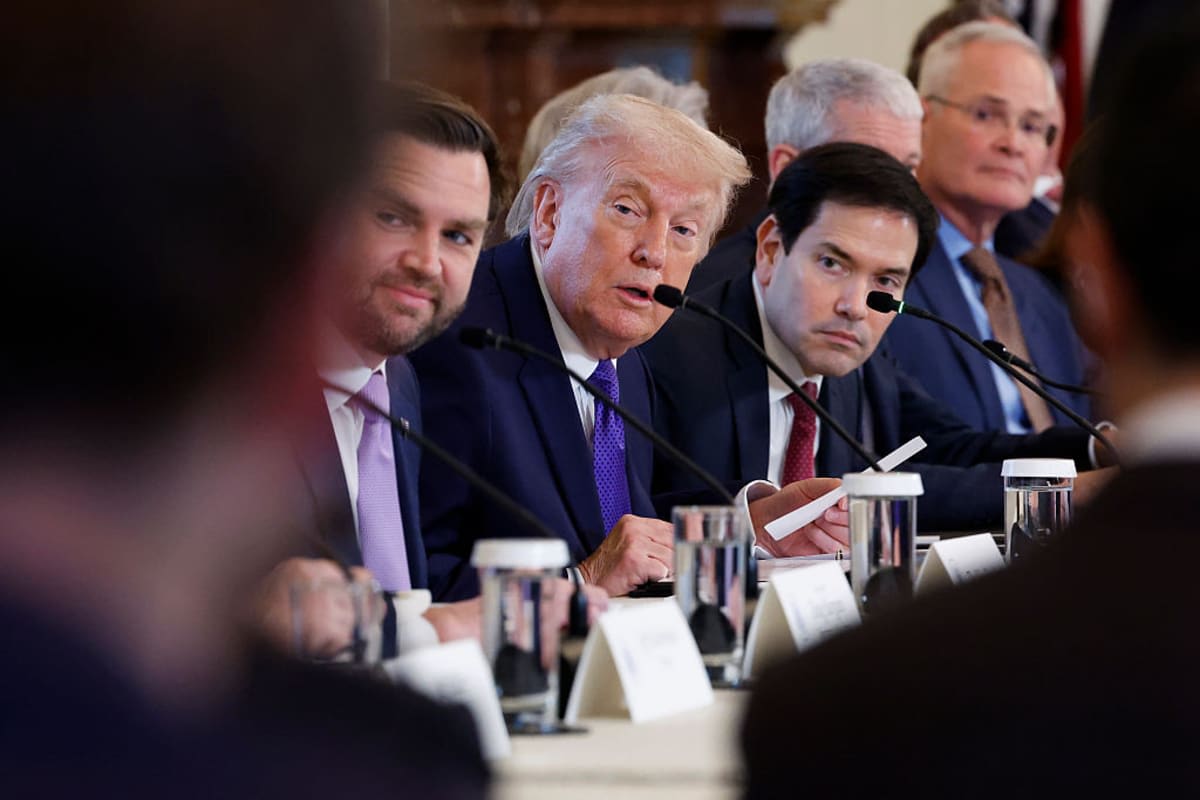
On January 9, Trump hosted top oil industry executives at the White House to encourage them to consider investing in Venezuela’s vast oil reserves and infrastructure.
He spent more than an hour and a half listening as company leaders outlined their plans and discussed the challenges of making long‑term investments in the country. The session included senior executives from Exxon, ConocoPhillips, and Shell.
Trump highlighted that Venezuela’s interim government has authorized the United States to refine and sell up to 50 million barrels of crude oil.
He also suggested that the US would offer security guarantees to those US companies that are willing to help rebuild the energy sector; he made clear that this would not involve US troops on the ground.