Fact Check: Is Trump's $10M Reflecting Pool already filled with algae?
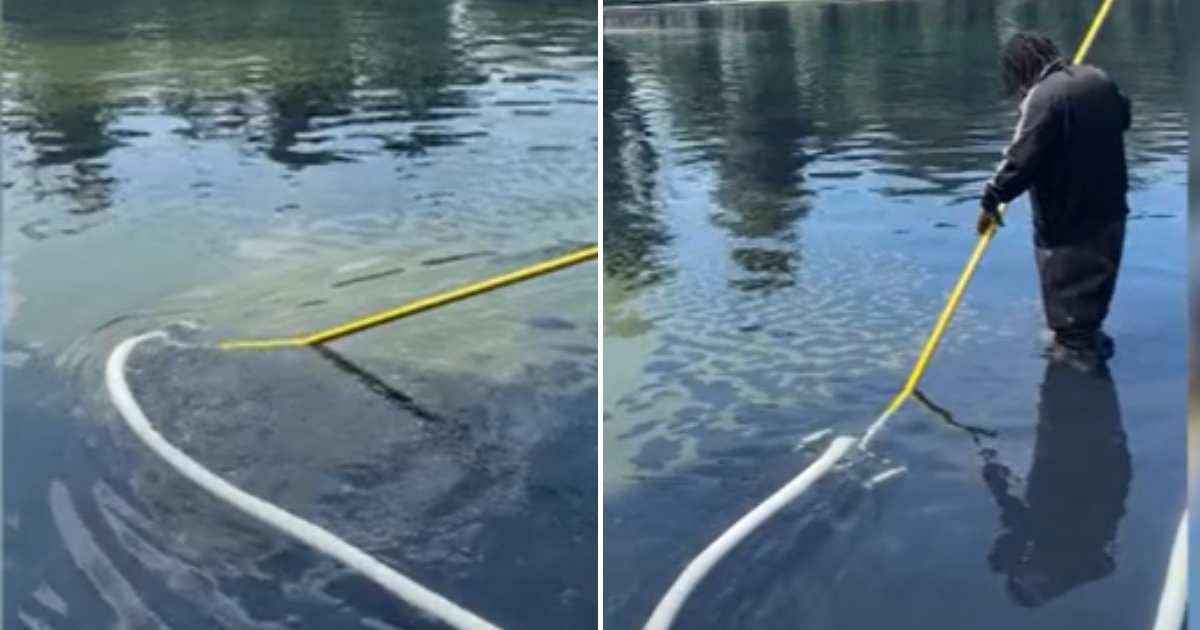
HOLY CRAP: Trump’s $10 million renovation of the reflecting pool is already filled with algae just days after it opened.
— Brian Krassenstein (@krassenstein) June 11, 2026
Is this what you all voted for? pic.twitter.com/1xq9C7vKu2
WASHINGTON, DC: After celebrating the completion of the Lincoln Memorial Reflecting Pool renovation, the Trump administration hailed the project as another step toward making Washington, DC, look “better than ever.” However, a viral video has sparked debate over whether the newly refurbished landmark is already showing signs of trouble.
But just one day after workers refilled the pool, a video showing visible algae near the water's edge began circulating online. The footage sparked questions about the condition of the newly renovated landmark and whether cleanup crews were already working to remove algae from the pool. But does the viral video actually show that? Let's fact-check the claim.
The water is ON, the Reflecting Pool is reflecting, and D.C. is looking better than ever.
— The White House (@WhiteHouse) June 4, 2026
We are so back. THANK YOU, PRESIDENT TRUMP. 🇺🇸 pic.twitter.com/J3xE33XiA5
Claim: Trump's $10 million Reflecting Pool renovation already filled with algae
The Trump administration has spent days heavily promoting the finished renovations at the Lincoln Memorial Reflecting Pool, crediting the president with making Washington, DC, look “better than ever.”
— CNN (@CNN) June 11, 2026
But a day after the reservoir was filled post-renovations, there was already… pic.twitter.com/JdROzIPmgc
The claim gained attention after CNN reported that algae had become visible in the Lincoln Memorial Reflecting Pool shortly after workers refilled it following the renovation.
The report included footage showing a worker wading through the water and clearing algae from the pool. Soon afterward, a video showing a worker scraping greenish water, with trees and grass visible in the background, began circulating widely on social media.
One X user shared the video and wrote, "Trump’s $10 million renovation of the reflecting pool is already filled with algae just days after it opened."
The post ended with the sarcastic question, "Is this what you all voted for?" As the video spread and accumulated millions of views, many users began questioning its authenticity and timing.
Some asked whether the footage was recent, while others wondered how quickly algae could have formed in the newly refilled pool. Several users also questioned whether the renovation had even been completed when the video was recorded.
Fact Check: The claim is misleading
The claim is misleading and partly inaccurate. While some algae did appear in the Lincoln Memorial Reflecting Pool shortly after it was refilled, online posts and videos exaggerate the situation and present it as evidence that the renovation project had failed.
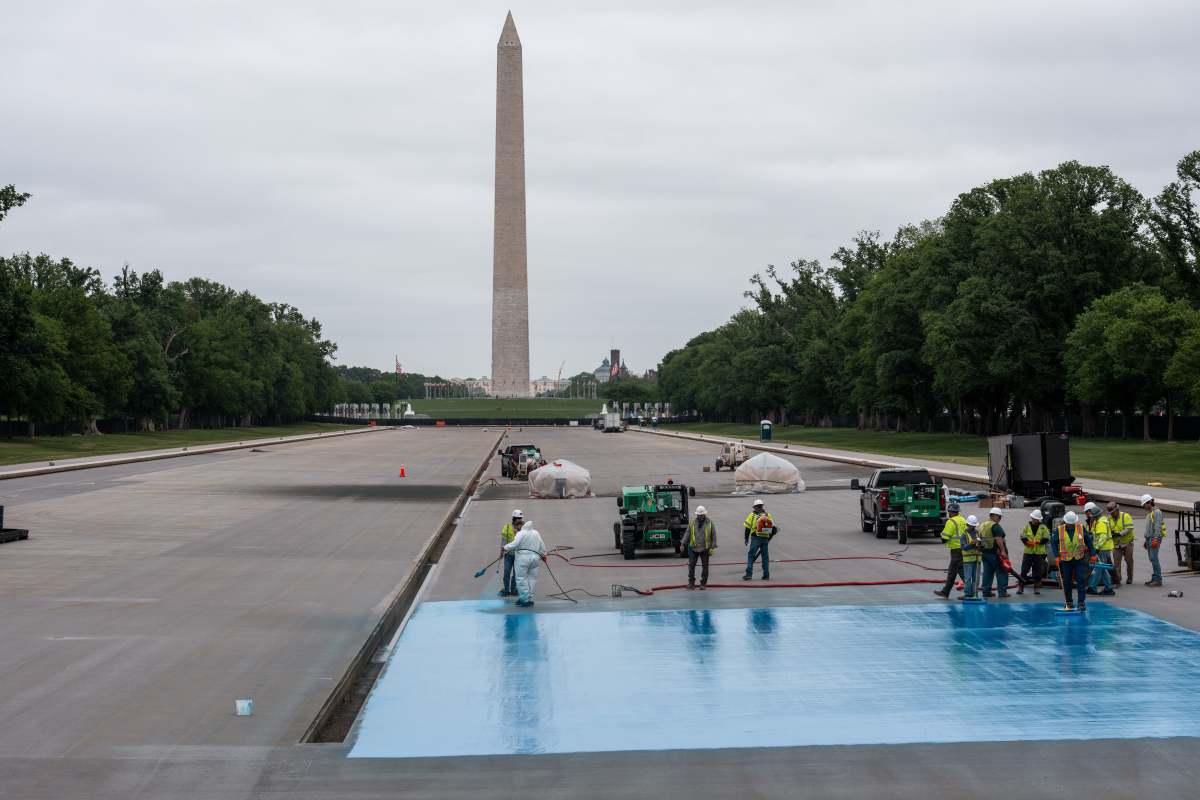
As part of the renovation, the Trump administration drained the Reflecting Pool, repaired leaks, cleaned the basin, applied a new industrial-grade waterproof coating, upgraded the filtration system, and refilled the pool ahead of the July 4 and America 250 celebrations. Days after the refill, workers were seen removing greenish algae from the water, which fueled criticism online.
However, the National Park Service and the Interior Department said the algae was a temporary issue caused by residual material in water supply lines that had been inactive during roughly eight weeks of construction.
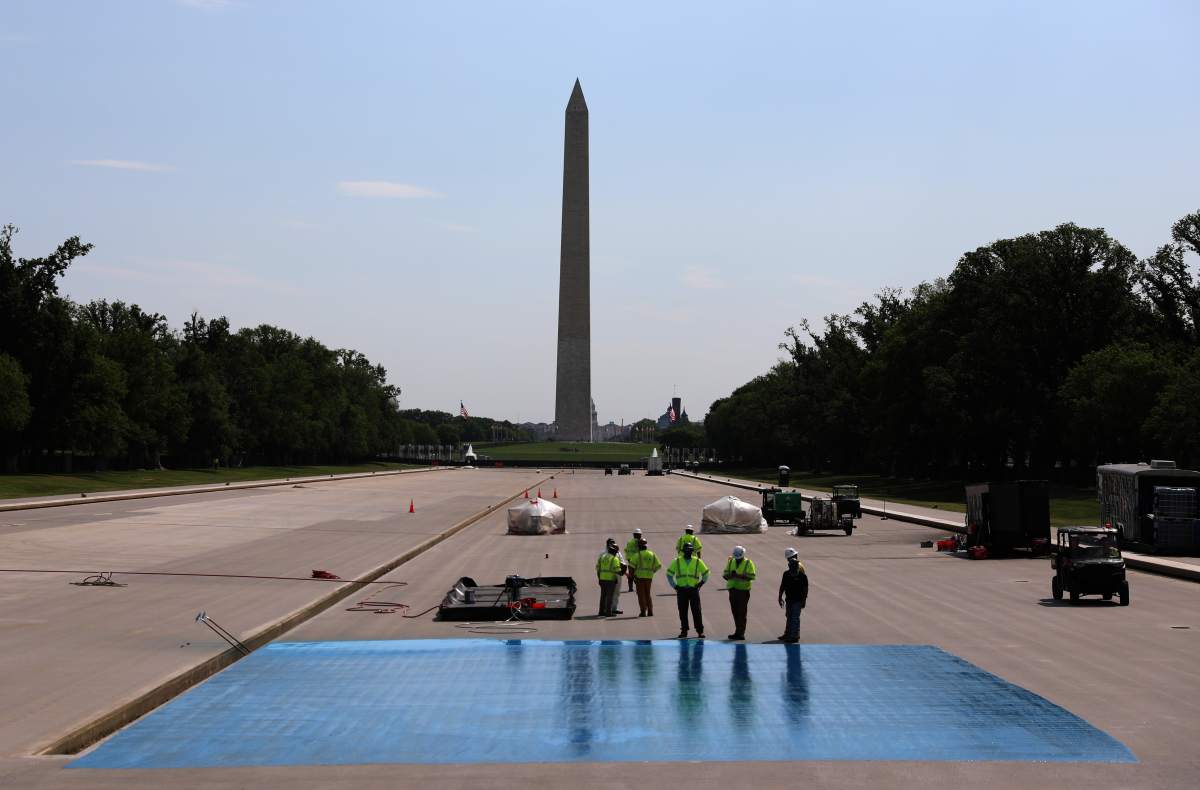
"What you are seeing is residual algae from the supply lines, which have been sitting dormant for eight weeks while construction has been taking place. It’s part of the normal startup process. We are removing the algae, and the nanobubblers will maintain the pool and keep it algae-free," communications director Kate Martin shared. Officials described the project as a long-term solution to recurring maintenance challenges at the site.
Algae growth is not a new problem for the Lincoln Memorial Reflecting Pool. Similar issues emerged after a previous renovation in 2012, and algae has long been a challenge in the shallow, sun-exposed pool, particularly because environmental restrictions limit the use of certain water-treatment chemicals.
As a result, claims that the pool was "already filled with algae" shortly after reopening lack important context. While algae was present and workers were cleaning it, officials characterized it as a temporary and expected issue rather than a major failure of the renovation project. The pool's leakage and algae problems have persisted for years and across multiple administrations.