Fact Check: Is Trump's claim Democrats jail people for fixing their own vehicles true?
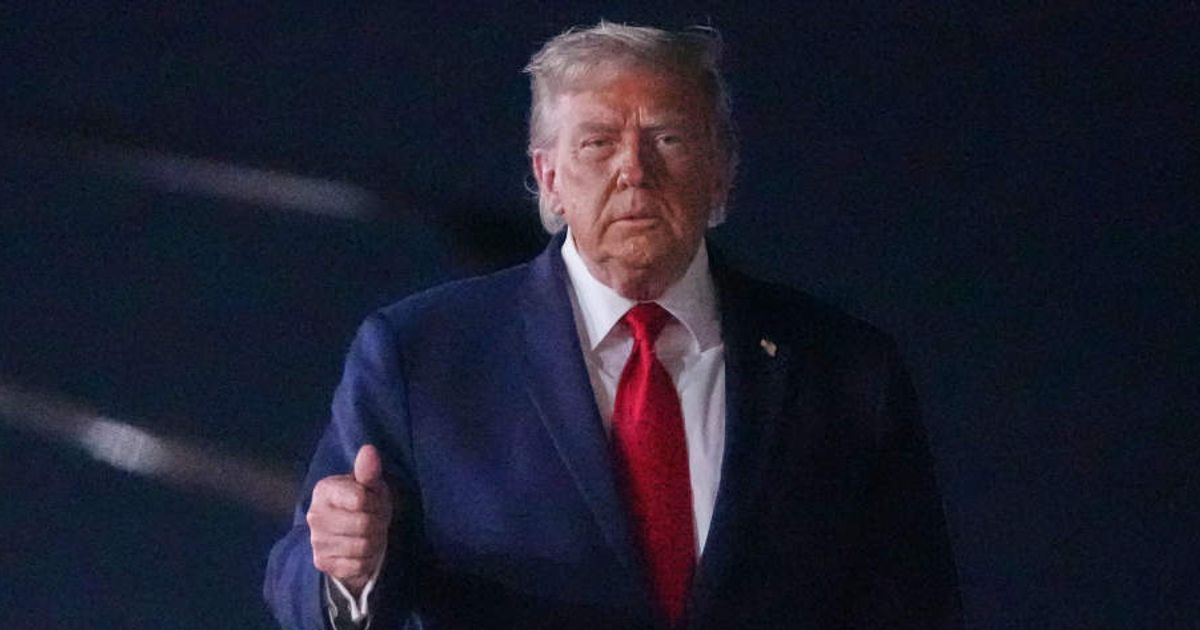
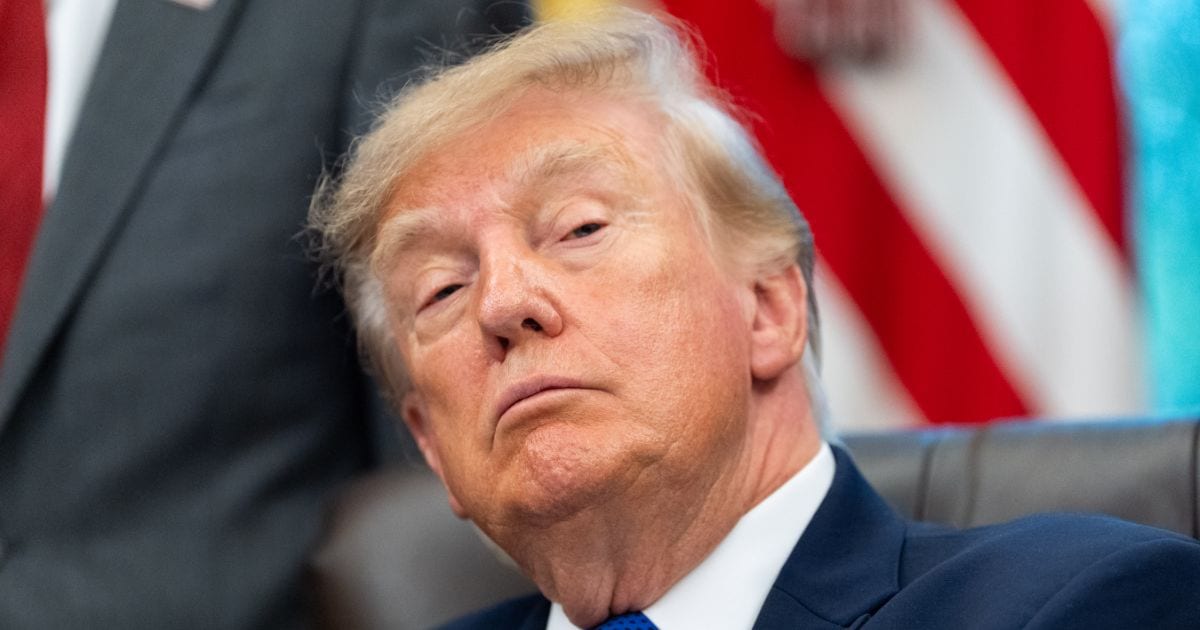
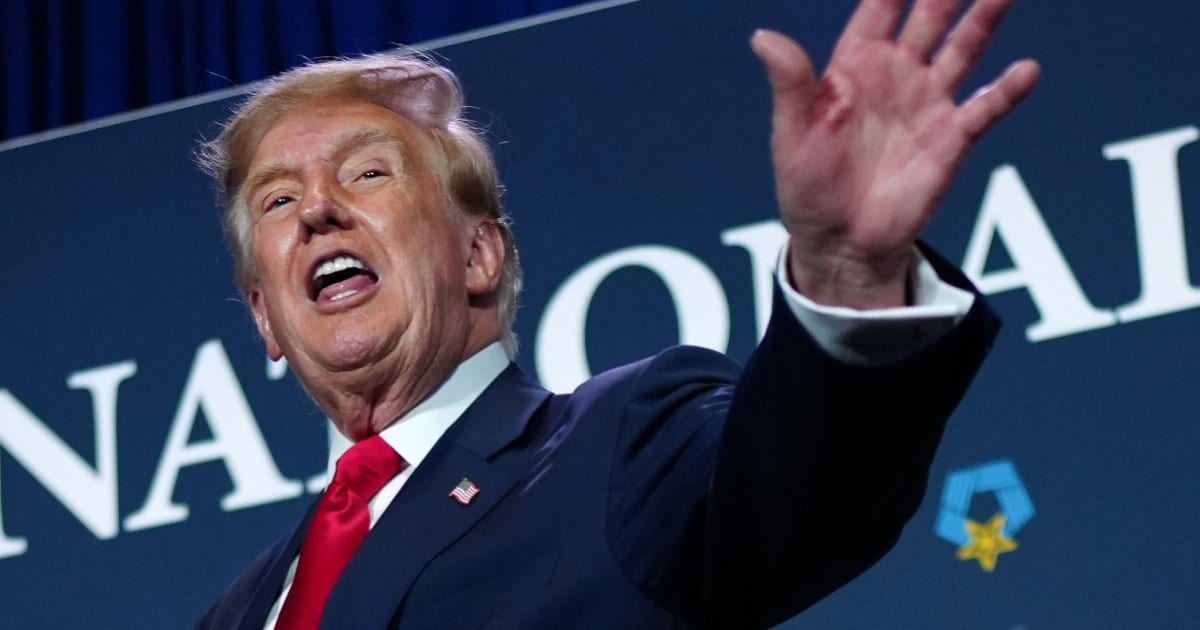
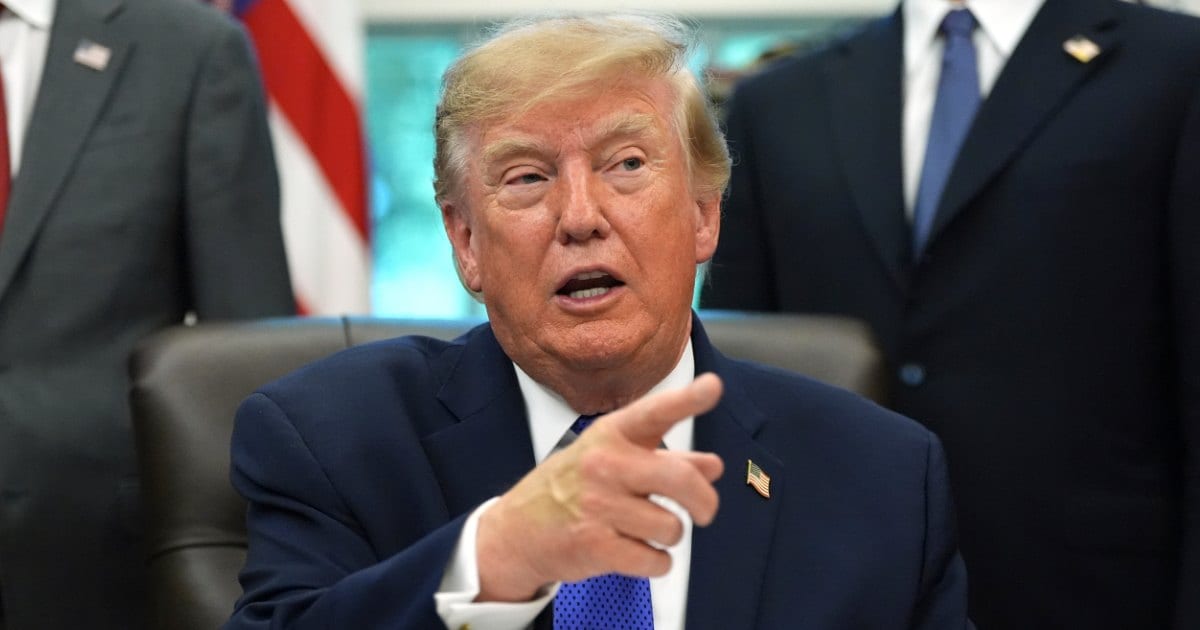
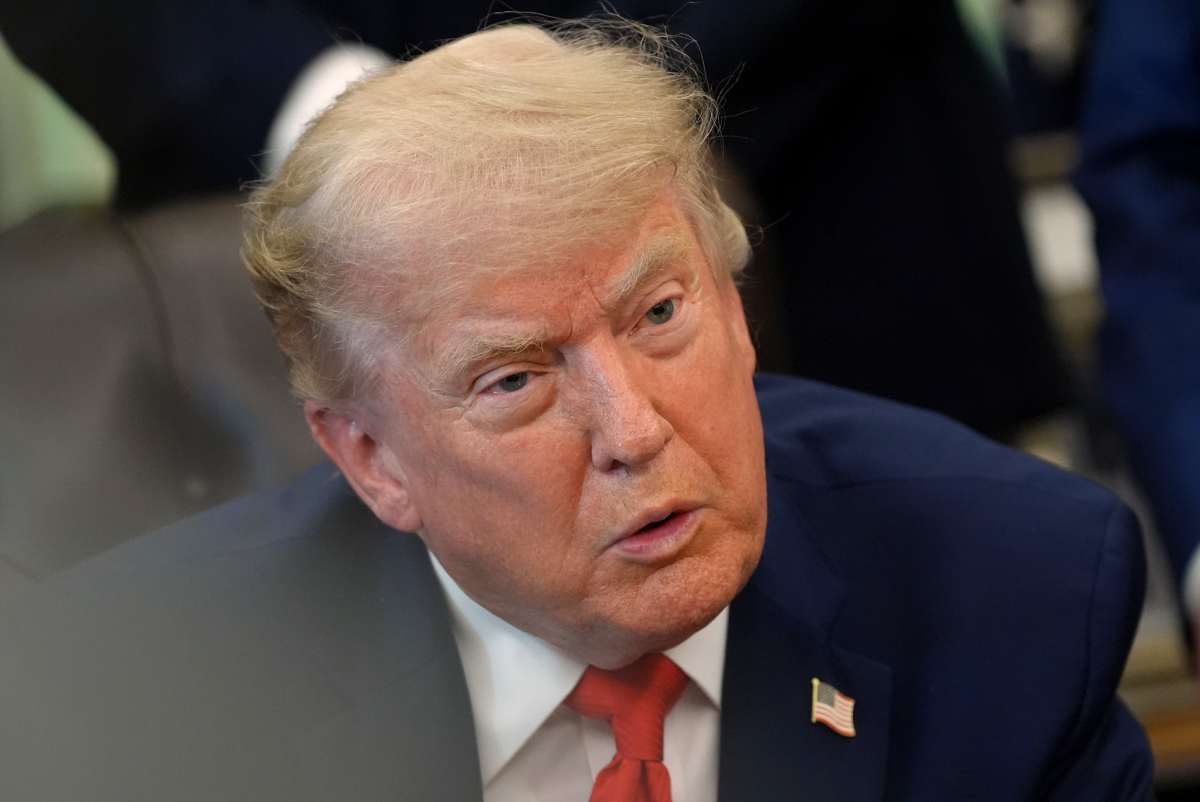
WASHINGTON, DC: President Donald Trump entered the heated "right to repair" debate with a story about a mechanic he said was sentenced to seven years in prison simply for fixing his own vehicle. Trump used the anecdote to argue that consumers should have the freedom to repair their cars and trucks. However, records show that his description of the case misrepresented both the length of the sentence and the reason for the conviction. Did Trump accurately describe the case? Let's fact-check the claim.
Claim: Trump said Democrats jail people for fixing their tractors
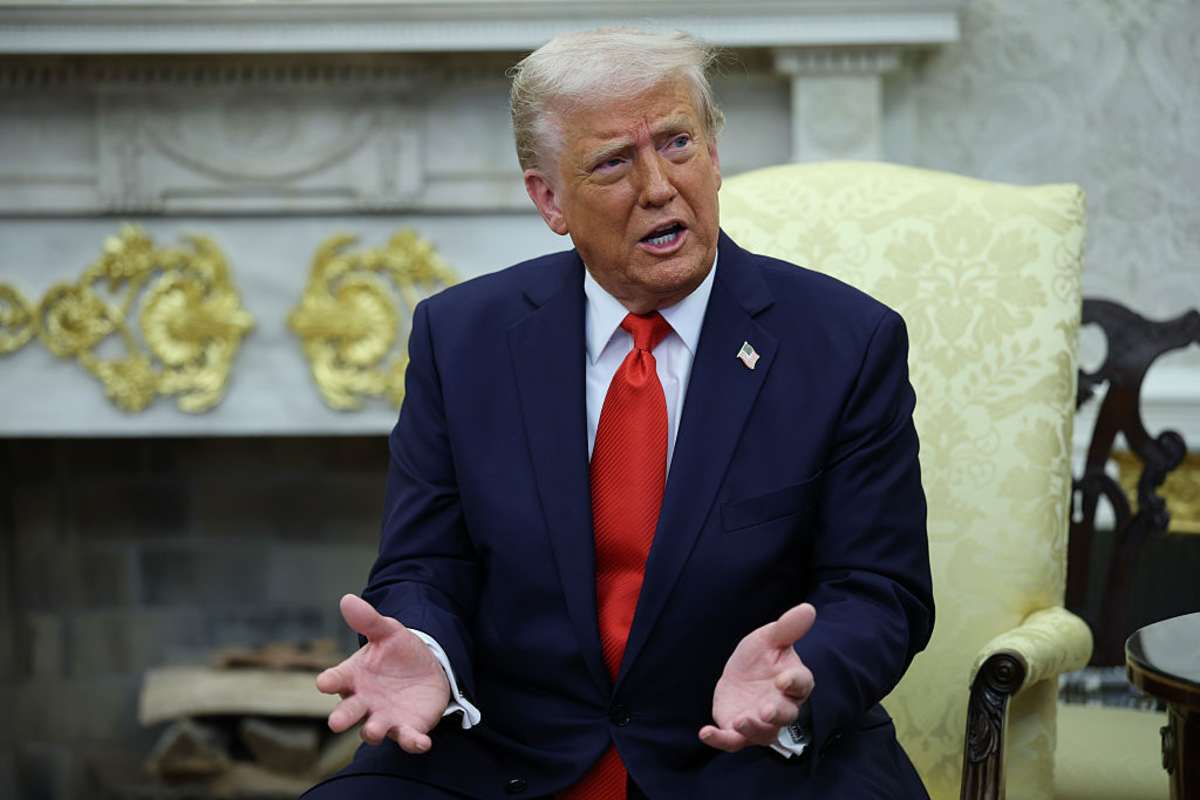
According to the comments shared by Trump on June, 4 "They gave a man seven years in jail, actually, because he fixed his own car.”
On June 4, during an agriculture roundtable in Chippewa Falls, Wisconsin, President Trump repeated the story while discussing the "right to repair" debate. He suggested that government regulations could punish people for repairing their own vehicles and pointed to a pardon he had recently granted as an example.
“I mean, they actually have, the Democrats, a restriction that if you get caught fixing your tractor, they bring you to jail,” Trump said. “You know that? Do you know that I pardoned a man last week who was sentenced to seven years in jail because he got caught fixing his car or his truck? I said—I like to always say, ‘What did he do?’ ‘Sir, he was fixing his truck.’ I said, ‘How long is he getting?’ ‘Seven years.’ I said, ‘Say it again.’ It’s the first time I’ve ever heard—like two weeks ago. I gave him a pardon because he had to go to jail because he was fixing his tractor or his truck. Can you believe it?”
Trump used the anecdote to argue that Americans should have the right to repair their own vehicles without facing government interference. The comments quickly drew attention because they described a mechanic who was allegedly sentenced to prison simply for fixing a truck.
Fact Check: False
The claim is not supported by the available evidence.
Trump argued that Democrats have policies that can send people to jail for fixing their own vehicles and pointed to a man he said received a seven-year prison sentence for repairing a truck. However, records show that the case he referenced involved Wyoming diesel mechanic Troy Lake, whose conviction stemmed from violations of environmental law rather than routine vehicle repairs.
Trump appears to have been referring to the pardon he granted to Lake, who served seven months of a one-year sentence, not seven years. Lake pleaded guilty to violating the Clean Air Act by disabling emissions-monitoring systems on hundreds of heavy-duty commercial trucks.
According to the US Attorney's Office for the District of Colorado, Lake and his company, Elite Diesel Service Inc., instructed employees to disable computerized onboard diagnostic (OBD) systems on at least 344 trucks. Federal prosecutors said these systems are required to monitor emissions-control equipment and ensure it functions properly.
Investigators also identified eight customers who hired Lake to modify the systems so they would not detect emissions-related malfunctions. Those customers later cooperated with authorities and paid more than $500,000 in fines.
Prosecutors said Lake's actions violated federal laws that prohibit tampering with emissions-monitoring devices. They also stated that disabling the systems led to a substantial increase in harmful pollutants, including nitrogen oxides, carbon monoxide, hydrocarbons, and particulate matter.
While Lake's case has been cited in discussions about regulation and vehicle repair, there are no known reports of someone being sentenced to prison simply for fixing their own car, truck, or tractor. The broader right-to-repair debate focuses on consumer access to repair tools, software, and vehicle data, not criminal penalties for ordinary repairs.