FBI turns to Genetic Genealogy used in Golden State Killer case to hunt Nancy Guthrie suspect

TUSCAN, ARIZONA: The same cutting-edge DNA technology that unmasked the Golden State Killer and helped book a suspect in the University of Idaho killings is now being deployed to find Nancy Guthrie’s suspected kidnappers.
The FBI confirmed on Tuesday, February 17, that Investigative Genetic Genealogy (IGG) is being used to analyze DNA found on a glove and inside Guthrie's home.

FBI uses genetic genealogy to track Nancy Guthrie suspect
IGG is defined as "the science of using genetic and genealogical methods to generate leads for law enforcement entities investigating crimes and identifying human remains," according to the International Society of Genetic Genealogy.
This process allows investigators to use a DNA sample to search for genetic familial matches, ultimately narrowing down potential identities by focusing on close relatives of the individual.
In simple terms, genetic genealogy is part genetics, part genealogy research, and part traditional police work. Authorities in Arizona found DNA last week belonging to someone other than Guthrie or those in close contact with her on her property.

Sheriff Chris Nanos of Pima County confirmed there has not been a match yet but said the DNA was collected on the day authorities first arrived at the crime scene.
Nanos said the DNA was collected from the scene the morning investigators processed Nancy’s home but declined to specify whether it was found inside or outside the house.
This move comes after neither sample found a match in the nationwide law enforcement database, CODIS, which includes only individuals previously known to authorities. IGG is not without pitfalls, as it has raised concerns about genetic privacy.
Searches can sometimes occur without police warrants, and individuals who uploaded their DNA may not have realized their genetic information could be used by law enforcement.

The Golden State Killer and Idaho student deaths
This technology has helped solve some of the most infamous cold cases in history, including the Golden State Killer case.
After more than 30 years and dozens of crimes, IGG ultimately identified Joseph James DeAngelo as the man responsible for a series of crimes across California.

By matching crime scene DNA to online genetic profiles, investigators built an extensive family tree that led them to DeAngelo, a former police officer. He was arrested in 2018 and later sentenced to multiple life terms.
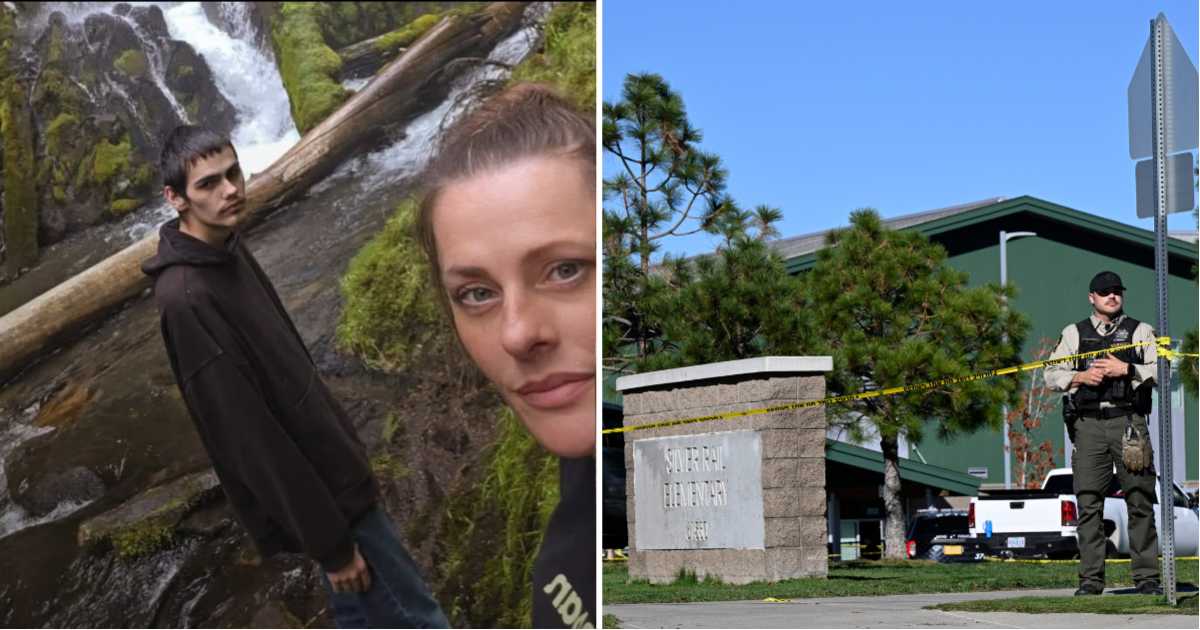
Following the 2022 killings of four University of Idaho students, investigators used DNA found on a knife sheath left at the scene. When traditional databases and CODIS failed to produce a match, the lab Othram created a profile that led police to Bryan Kohberger’s family in Pennsylvania.
Kohberger eventually pleaded guilty to the crime and is currently serving four consecutive life sentences.
Guthrie, 84, was last seen at her home in Pima County, near Tucson, Arizona, on Jan 31.