Federal Reserve cuts interest rates in narrow vote as Trump eyes potential successor
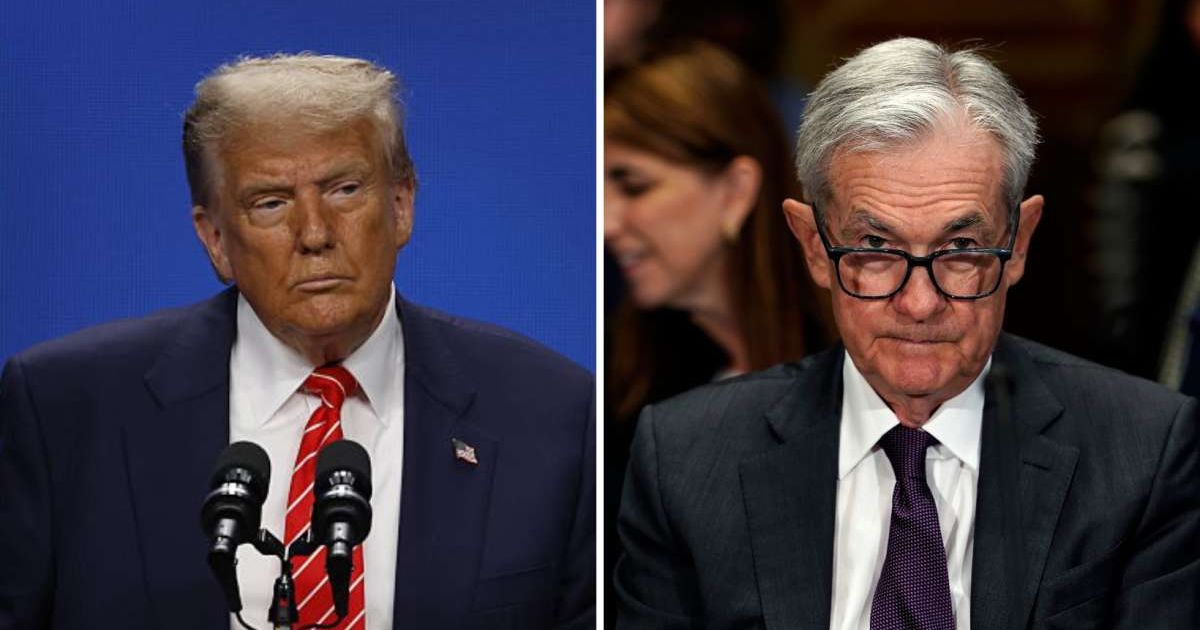
WASHINGTON, DC: The Federal Reserve cut interest rates on Wednesday, December 10, in an unusually contentious vote, exposing deep rifts within the central bank as officials grapple with a foggy economic landscape and intensifying political pressure.
The Federal Open Market Committee (FOMC) voted 9-3 to lower its baseline interest rate by 0.25 percentage points, bringing the target range down to 3.5% to 3.75%.
The split decision marked the most significant dissent at the Fed since 2019, underscoring the difficulty Chair Jerome Powell faces in uniting the committee as inflation reignites while the labor market softens.
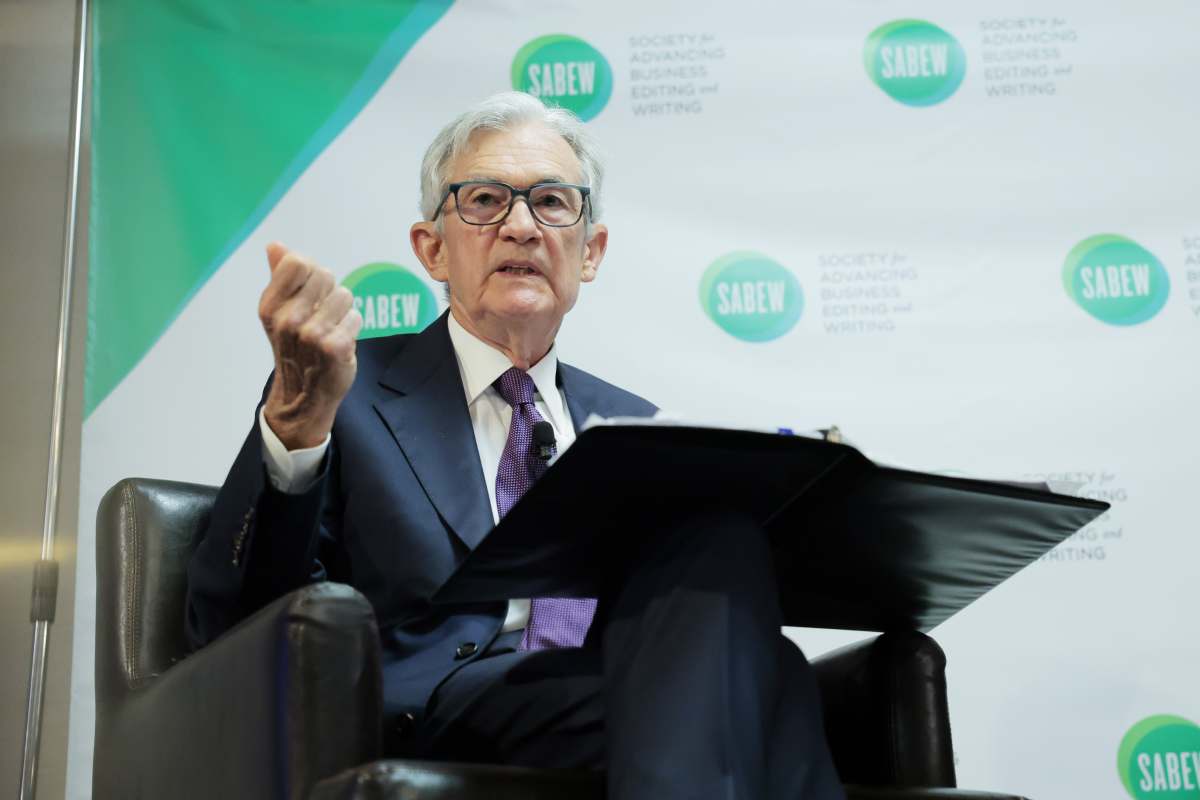
Dissenters pull in opposite directions
The rare three-way dissent highlighted the conflicting priorities among policymakers.
Federal Reserve Board Governor Stephen Miran, a Trump appointee and former Treasury official, broke with the majority to push for a more aggressive 0.5 percentage point cut.
🚨 BREAKING: The Fed just cut interest rates another 0.25%, bringing them down to 3.5%–3.75% — the third straight cut!
— Stephen Gardner (@StephenGardnerX) December 10, 2025
Trump and Scott Bessent were RIGHT.
Trump appointee Stephen Miran even pushed for a bigger 0.50% cut. pic.twitter.com/VdJ1EdMzja
Conversely, Chicago Fed President Austan Goolsbee and Kansas City Fed President Jeffrey Schmid voted against any reduction, arguing that rates should remain steady to ensure inflation is fully tamed.
Shutdown blindsides data-dependent Fed
The committee's decision-making was complicated by a critical lack of economic data.
A recent federal government shutdown shuttered the Bureau of Labor Statistics (BLS) for weeks, preventing the collection of key survey data for October.
As a result, officials were forced to fly blind without the standard monthly employment and Consumer Price Index (CPI) reports, leaving them to rely on incomplete information as they attempted to calibrate policy.
Trump eyes Jerome Powell's successor
The divisive meeting comes as President Donald Trump prepares to name a successor to Chair Powell, whose term expires in May 2026.
Speculation has centered on Kevin Hassett, the director of the National Economic Council, as a leading candidate to take the helm of the central bank.
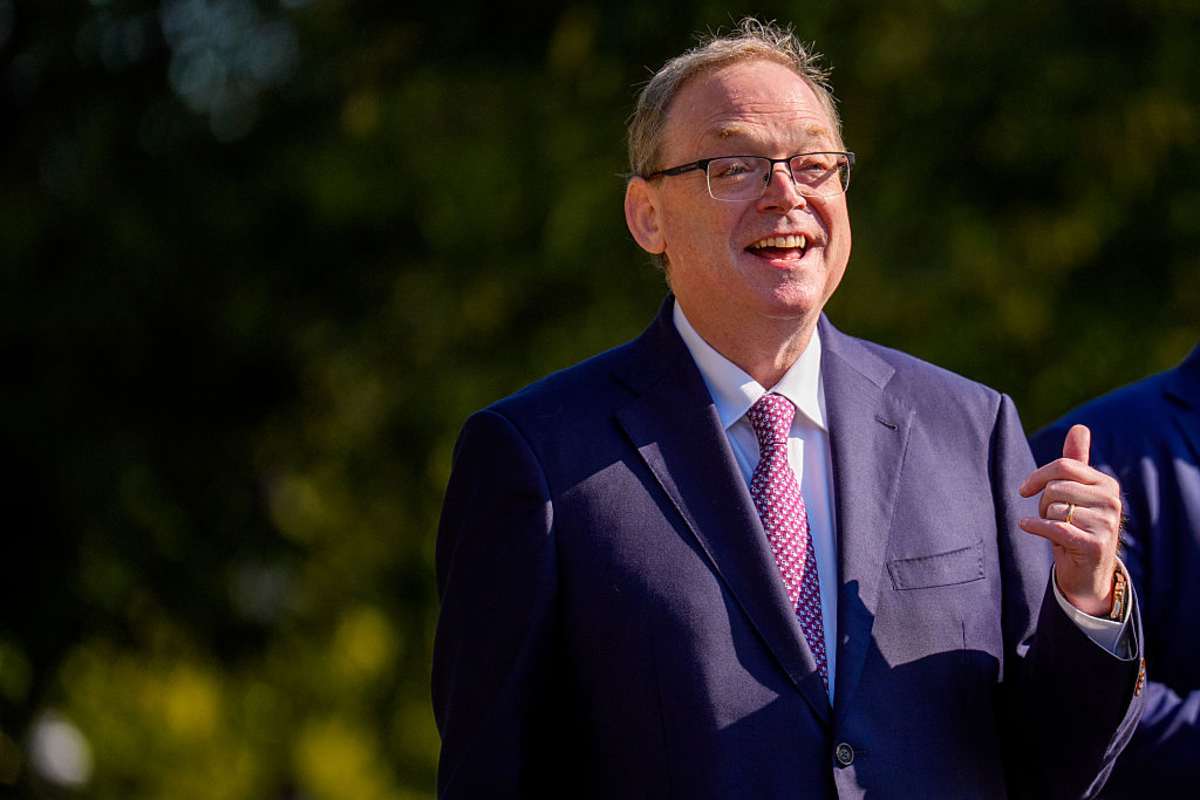
Trump has been a vocal critic of Powell, arguing the Chair has been too slow to cut rates, a sentiment echoed by the "dovish" dissent from Governor Miran.
Fed weighs rate cuts amid tariff-driven inflation risks
Fed officials are attempting to execute a delicate balancing act: lowering rates enough to support a cooling job market without allowing tariff-driven price growth to become entrenched.
While price growth had slowed significantly during the final year of the Biden administration, inflation ticked up shortly after President Trump took office and implemented new tariffs.
Simultaneously, US hiring has slowed, pushing the unemployment rate higher and rattling consumer confidence.
While the majority of the FOMC views the current inflation spike as a temporary consequence of trade policy, the "hawkish" dissenters like Schmid fear that cutting rates now could lock in higher prices for the long term.