Former DHS legal chiefs oppose ICE policy allowing home searches without warrants
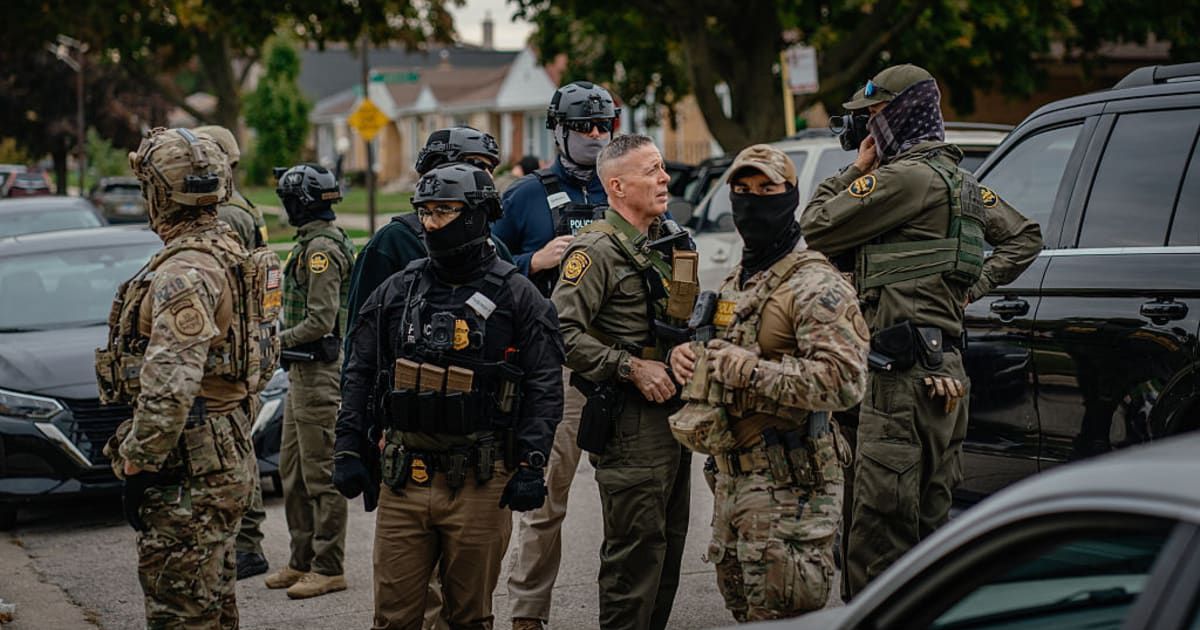
WASHINGTON, DC: Six former Department of Homeland Security general counsels have sharply criticized a newly disclosed immigration enforcement policy that allows officers to search homes without a judicial warrant, arguing the administration is relying on what they call an “unsound constitutional justification.”
Writing in a New York Times opinion piece, the former officials- Stevan Bunnell, Gus Coldebella, Ivan Fong, Kara Lynum, Jonathan Meyer and John Mitnick - took aim at current DHS general counsel James Percival’s defense of the policy, which he said was needed to overcome resistance from “deep-state actors” within the federal government.
Former official warns: ‘It’s the Fourth Amendment, not the deep state’
The former general counsels, who served under both Democratic and Republican administrations, rejected that claim, noting that long-standing limits on warrantless home searches stem from the Constitution itself.
“It is not the so-called deep state that has restrained ICE from entering homes using only administrative warrants,” they wrote. “It is the Fourth Amendment to the Constitution and the lawyers who took an oath to support and defend it.”
After whistleblower exposed ICE memo, officials weigh in
CNN previously reported that a memo, written in May and later disclosed by a whistleblower group, authorizes immigration officers to enter private residences using administrative warrants rather than judicial ones.
Administrative warrants are issued by immigration judges within the executive branch and generally require a lower standard than judicial warrants, which must be approved by independent judges. Legal experts said the memo appears intended to circumvent constitutional safeguards on searches of homes and private businesses.
Warning against ‘constitutional workarounds’
The former DHS lawyers emphasized that the role of the department’s general counsel is not to find shortcuts around constitutional protections.
“The general counsel’s job is not to provide convenient legal cover or constitutional workarounds,” they wrote. “It is to provide sound legal analysis and advice, even when that advice may be inconvenient for the administration,” they argued.
Fierce public backlash after Minneapolis shootings
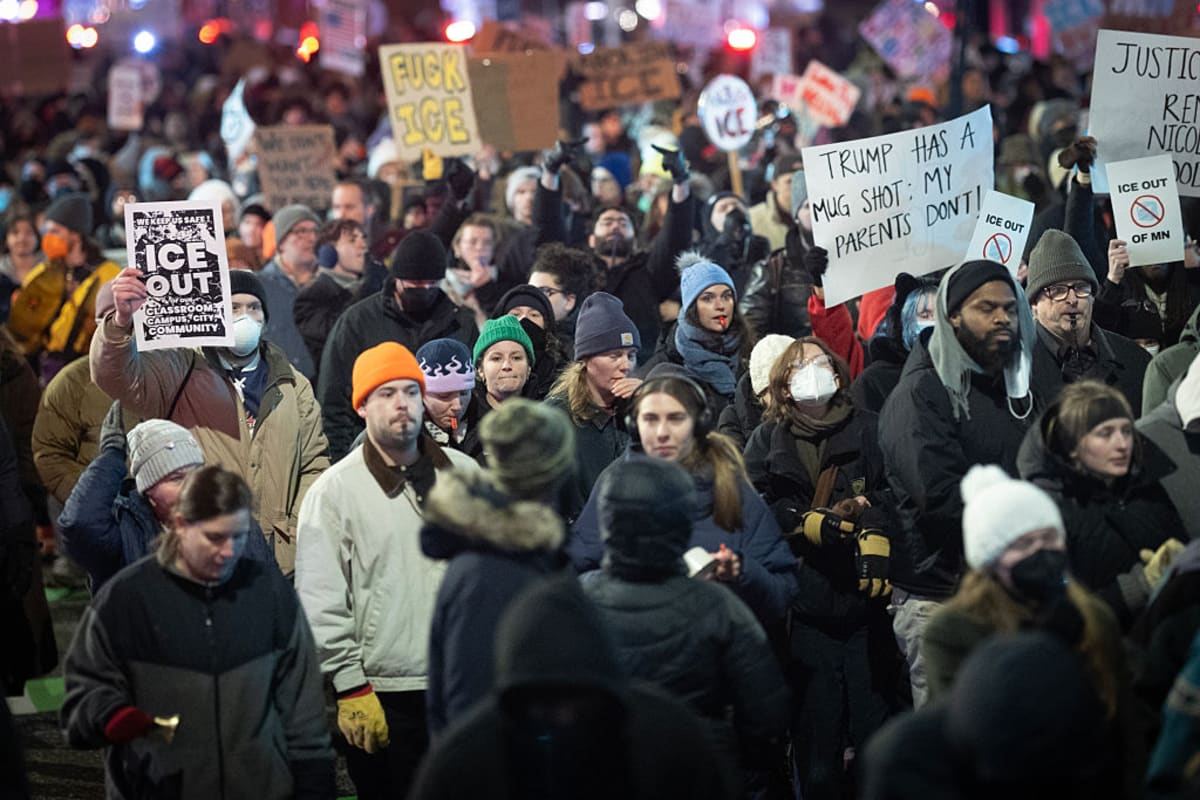
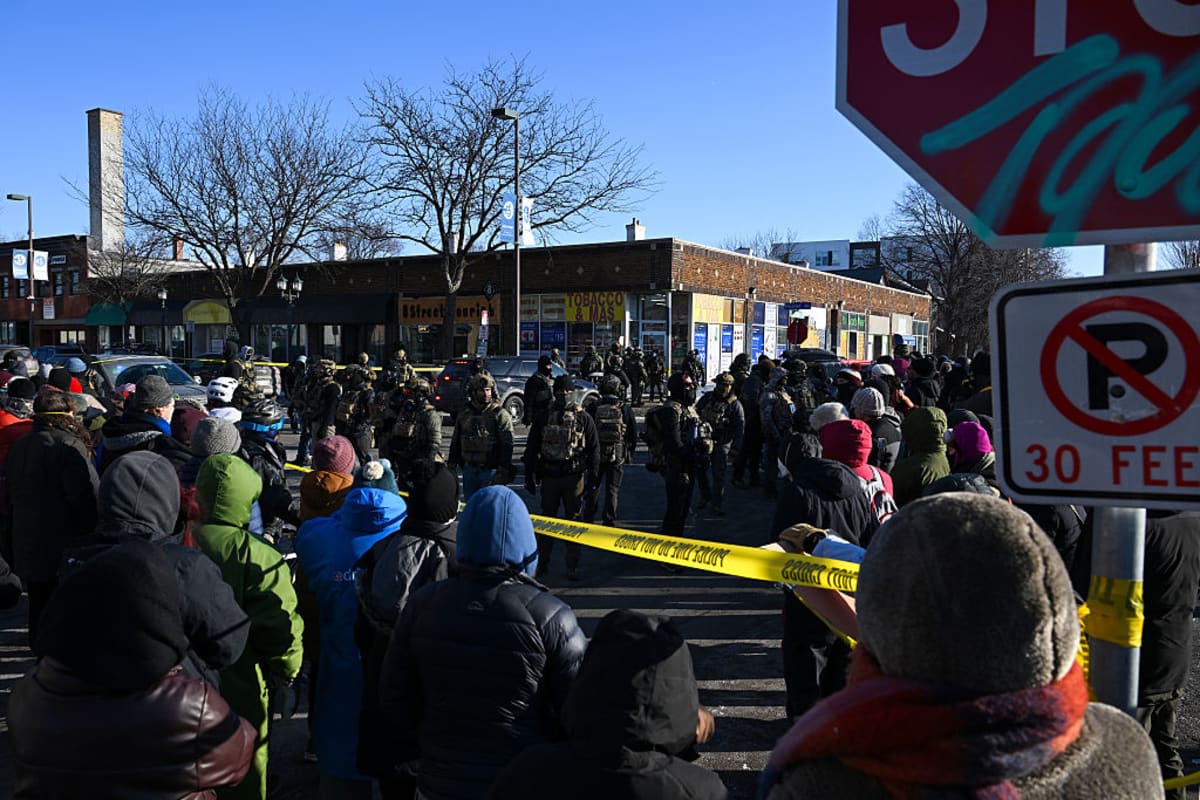
Recent Immigration and Customs Enforcement (ICE) operations have intensified across the US, drawing fierce public backlash and widespread protests. Federal enforcement has been amplified under initiatives such as Operation Metro Surge in Minnesota, where thousands of ICE and other federal agents were deployed to detain undocumented immigrants.
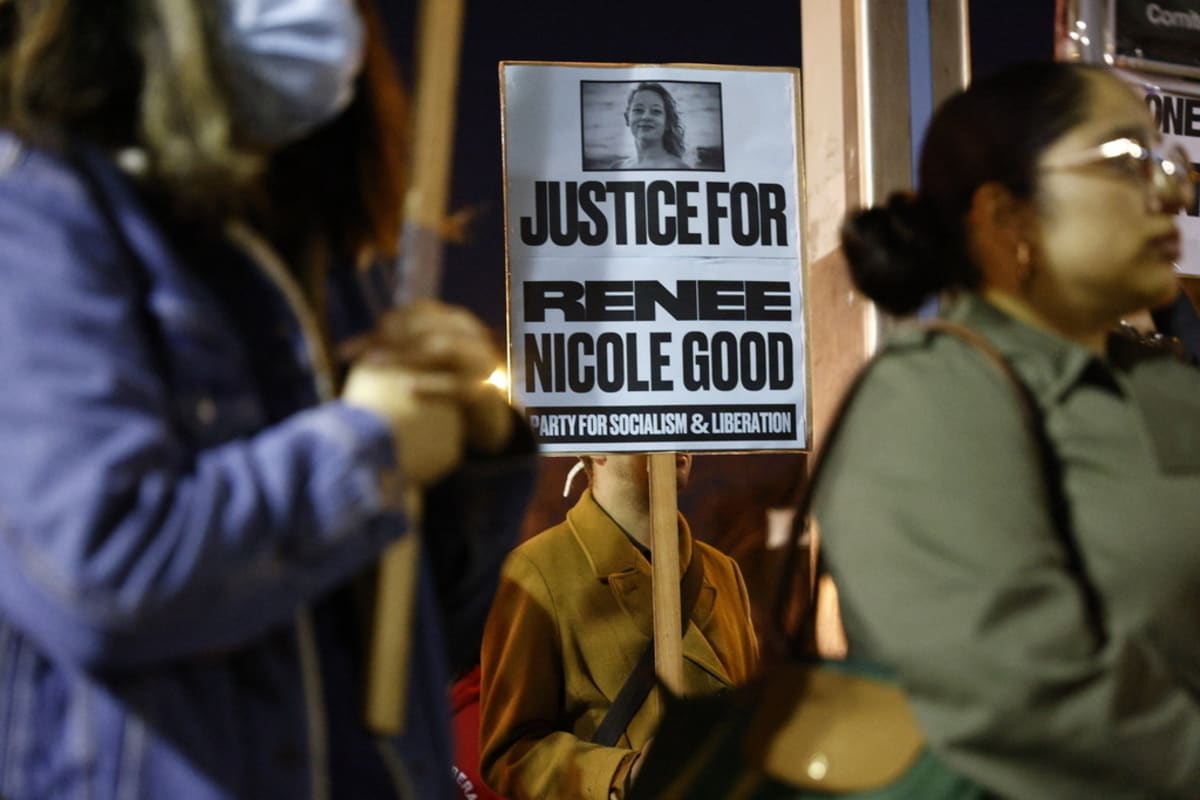
The situation escalated dramatically after the fatal shooting of Renée Good, a resident, by an ICE agent during a raid in Minneapolis, igniting large demonstrations and calls for accountability. Days later, another resident, Alex Pretti, was also shot and killed during confrontations involving federal agents, further fueling outrage and protests.
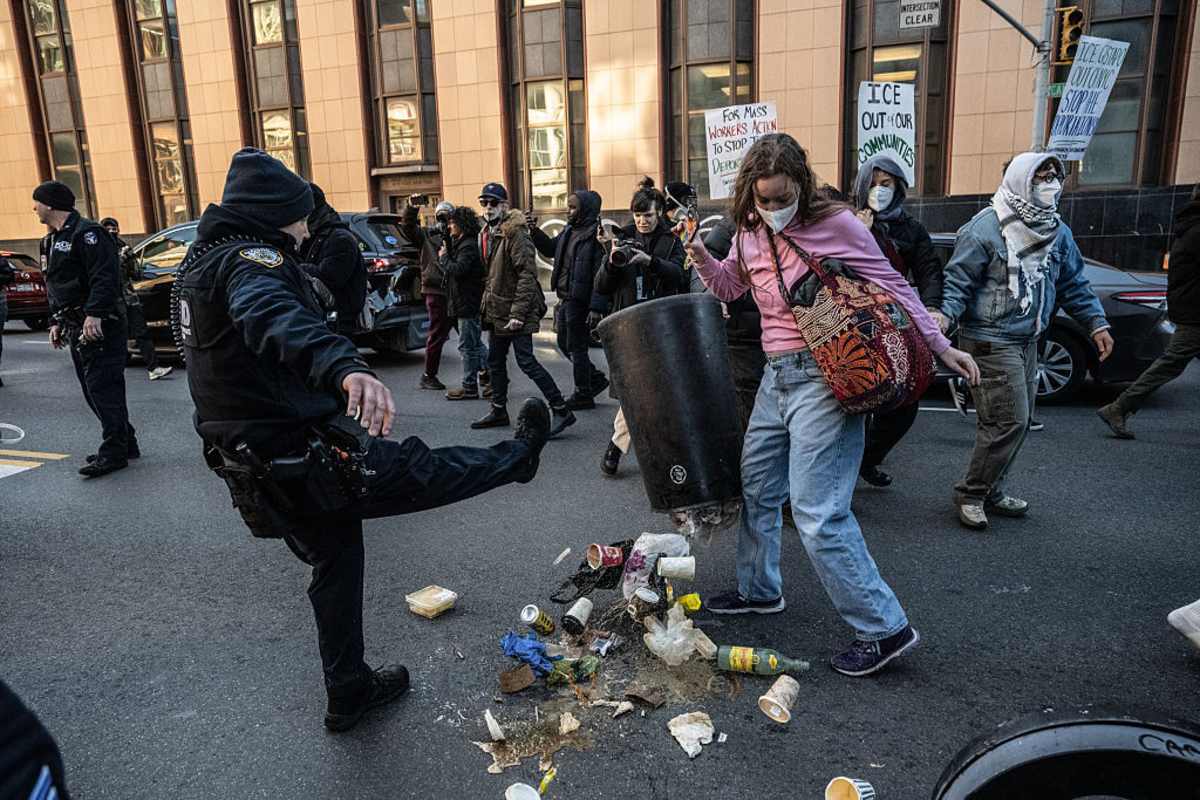
Opposition to ICE has grown into a sustained movement, with demonstrators calling for investigations, legal reforms and limits on federal enforcement powers amid broader debates over civil rights and due process protections.