From missing ballots to incorrect vote totals: Inside 4 midterm election controversies
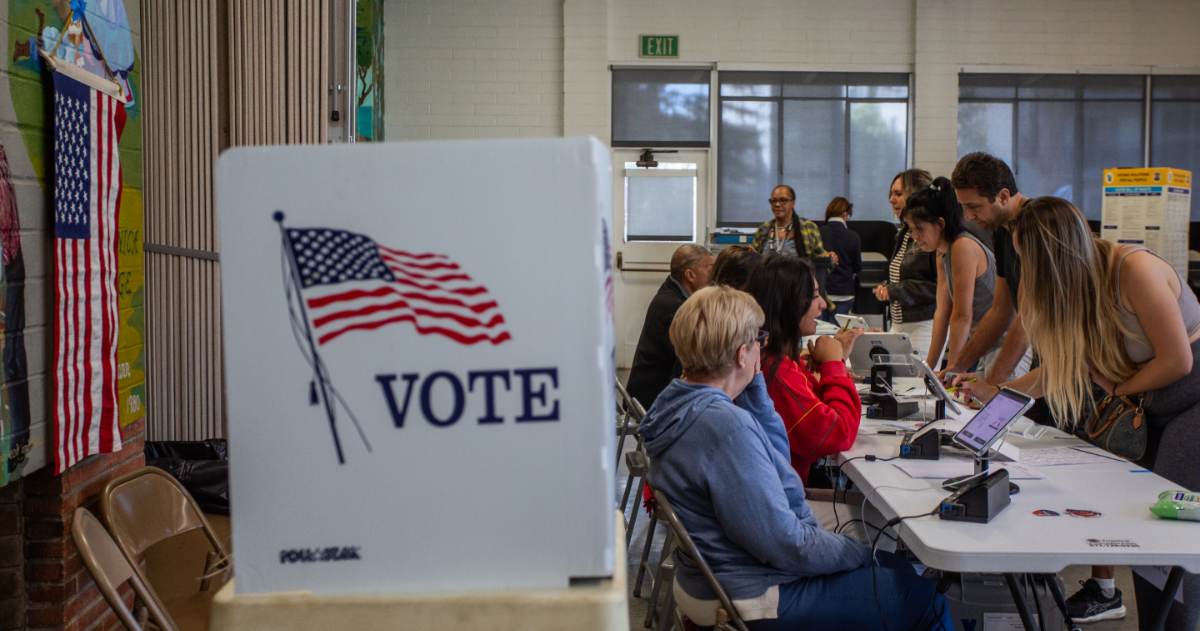
WASHINGTON, DC: The 2026 midterm elections left more than just winners and losers behind. In Mississippi, Idaho, Ohio and Florida, a series of problems involving ballots and vote totals raised questions about how election results were handled. Some ballots were missing from election-night counts, others were rejected, and one state had to correct figures that included mock-election results. In Florida, the Associated Press also acknowledged a mistake in its reported numbers.
The four cases involved different issues, but each drew attention to the way votes are processed and results are reported. While officials in some states said the errors did not affect race outcomes, questions remained in others about rejected ballots and discrepancies in publicly available figures. Here's what happened in each state.
Mississippi: Why did officials reject more than 1,600 affidavit ballots?
Mississippi's Senate race between Democrat Scott Colom and Republican incumbent Cindy Hyde-Smith also drew attention to the handling of affidavit ballots. These are ballots cast when there is a question about a voter's eligibility. Election officials review them afterward to determine whether they can be counted.
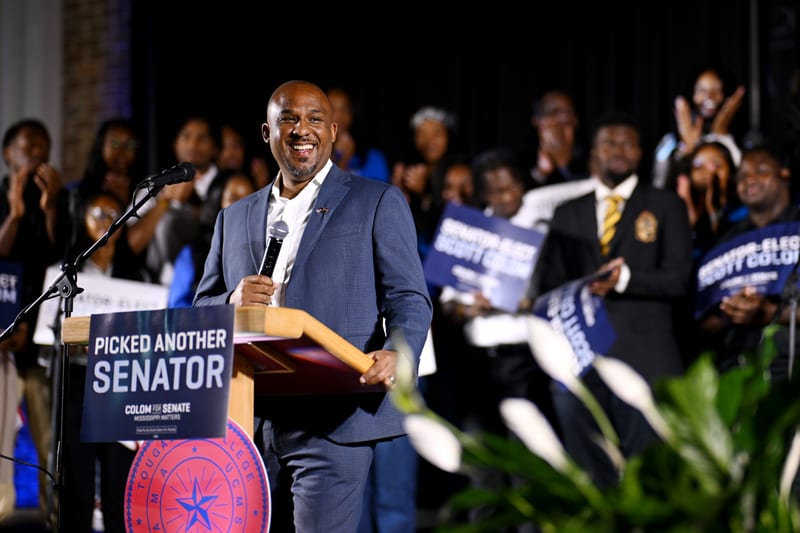
In Hinds County, officials accepted only 817 of the 2,426 affidavit ballots cast and rejected the remaining 1,609. In other words, roughly two-thirds of these ballots were not counted.
The high rejection rate raised concerns about whether some ballots had been discarded because of paperwork errors, including mistakes made by poll workers. Brandon Presley, who previously ran for governor as a Democrat, said some ballots were rejected because poll workers had forgotten to initial them. Voting rights advocates also pointed to documentation errors that could have cost people their votes.
When asked whether it had looked into the reasons behind the rejections, particularly in cases where poll workers may have made mistakes, the Mississippi Secretary of State's Office exclusively told Meaww that it had not conducted such a review.
"There is no mechanism in state law authorizing or permitting administrative review of ballot processing," it explained.
The office further maintained that it did not have a final county-by-county breakdown of affidavit ballot rejections for the 2026 midterms, noting that complete information would only be available after all elections had been certified.
It also clarified that county election officials were responsible for training poll workers and ensuring they understood the requirements for processing affidavit ballots.
However, statewide figures showing how Hinds County's rejection numbers compared with those of other counties were not available at the time. The office also said it had not reviewed whether the rejected ballots could have affected any election results, including the Senate race, citing the absence of a mechanism under state law for an administrative review of ballot processing.
Idaho: How did 2,675 ballots go missing from election-night results?
Idaho faced two separate ballot-counting problems in Latah and Bannock counties.
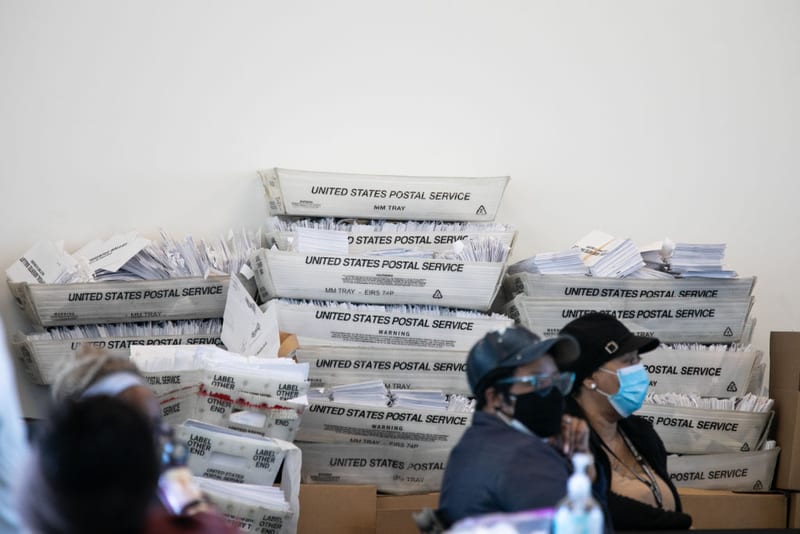
In Latah County, officials discovered that 2,342 ballots had gone through the voting machines but were missing from the reported election-night totals. They found the discrepancy while reviewing the results after the election.
Officials then began a recount of all 18,104 ballots in the county on November 10. Secretary of State Phil McGrane said initially that the missing votes would not change the outcome of any races. State officials oversaw the recount, and members of the public could observe the process.
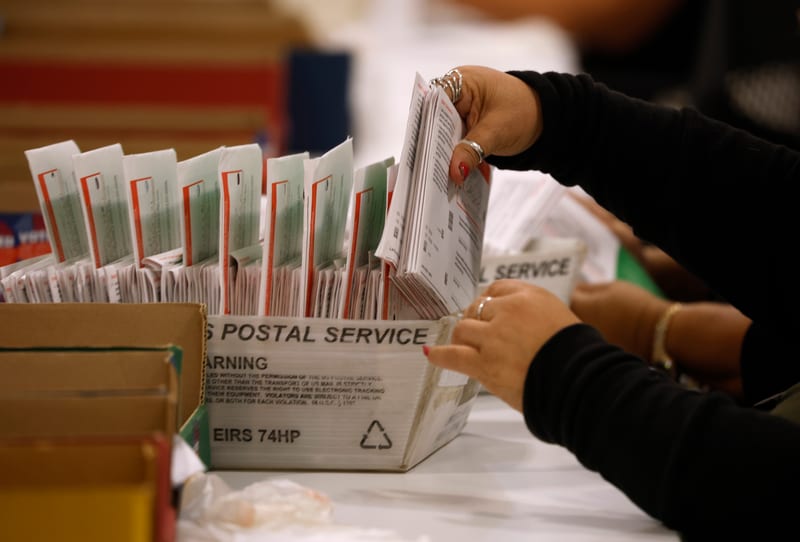
Bannock County had a similar problem, although on a smaller scale. A total of 333 ballots from the Pocatello 2 precinct were left out of the election-night results. Officials found the oversight during their post-election reconciliation and counted the ballots.
State officials said the additional votes did not change the outcome of any race
Ohio: How did mock-election votes end up in unofficial results?
Wyandot County, Ohio, had to correct its unofficial election results after numbers from an October 28 mock election remained in one precinct's reporting system.
The mistake affected some race totals in the unofficial results released after Election Day on November 3.
Darcy Zimmerman, the county's Elections Director, said Ohio's election safeguards worked as intended. She stressed that such errors were caught before the results became official and assured voters that certified results would reflect the actual ballots cast on Election Day.
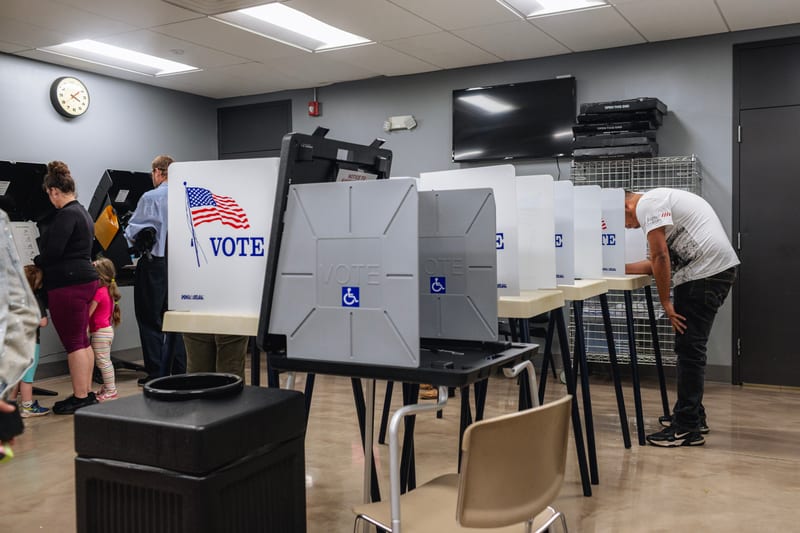
Officials corrected the affected figures in the unofficial results after discovering the mistake. The problem was with the reporting system. There was no indication that practice ballots had been mixed in with the actual votes cast by voters.
Florida: Why did a candidate's vote total suddenly change?
Florida's 26th Congressional District also saw questions over its reported vote totals. Democrat Nicole Locklin raised concerns about a discrepancy of roughly 3,000 votes in her race against Republican Mario Diaz-Balart.
On election night, Locklin saw Associated Press figures that appeared to show her winning and announced her victory. But the higher vote total later disappeared. The AP attributed the discrepancy to a data-entry mistake and said it had corrected the error.
Locklin questioned that explanation. She pointed out that the higher figure had also appeared in data pulled directly from Miami-Dade's public reporting system by civicAPI and other independent groups. She then asked the Miami-Dade County Supervisor of Elections for election-night tabulation records and warned that she would take legal action if they were not released.
Miami-Dade election officials maintained that their office had reported the results accurately. A spokesperson for Supervisor of Elections Alina Garcia said there had been no errors in the county's figures.
Diaz-Balart appeared to secure the win by 0.8 percentage points, receiving 114,578 votes to Locklin's 112,874.
The AP took responsibility for its data-entry mistake, but Locklin continued seeking the underlying records to find out how the higher vote count had appeared in other databases. The county, meanwhile, stood by its reported results.
What the four midterm election controversies revealed
The four cases involved different problems at different stages of the election process. In Mississippi, the questions centered on why so many affidavit ballots were rejected in Hinds County. In Idaho, thousands of ballots were missing from the initial election-night totals. Ohio officials had to correct unofficial results after mock-election figures appeared in the reporting system. In Florida, the AP traced the discrepancy to a data-entry mistake on its end.
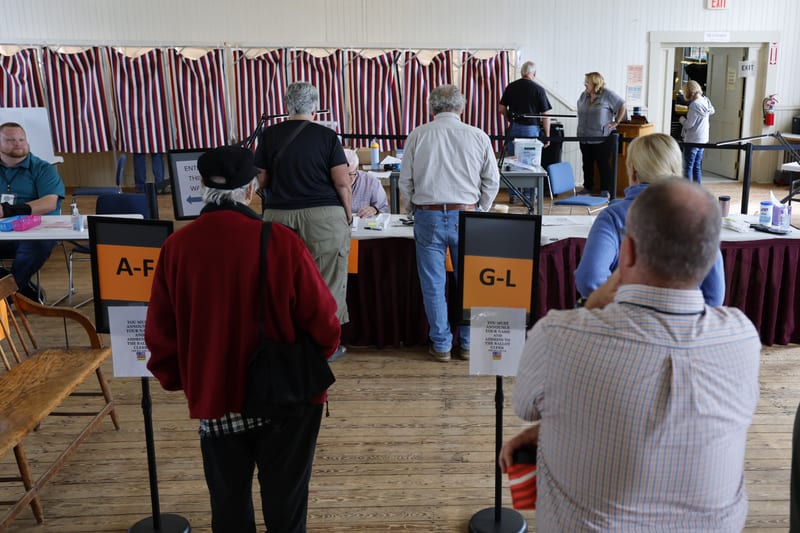
Officials in Idaho and Ohio said the corrections did not change the outcomes of the affected races. In Florida, the AP corrected its figures, while Locklin continued asking for county records. Mississippi officials, however, said they had not reviewed the reasons behind the Hinds County rejections or whether the ballots could have affected the Senate race.
The cases did not establish widespread election fraud or show that the reported mistakes changed any race outcomes. But they did leave questions about ballot processing, the training of poll workers and the checks used to verify election results. For voters, getting those details right matters just as much as announcing the results.