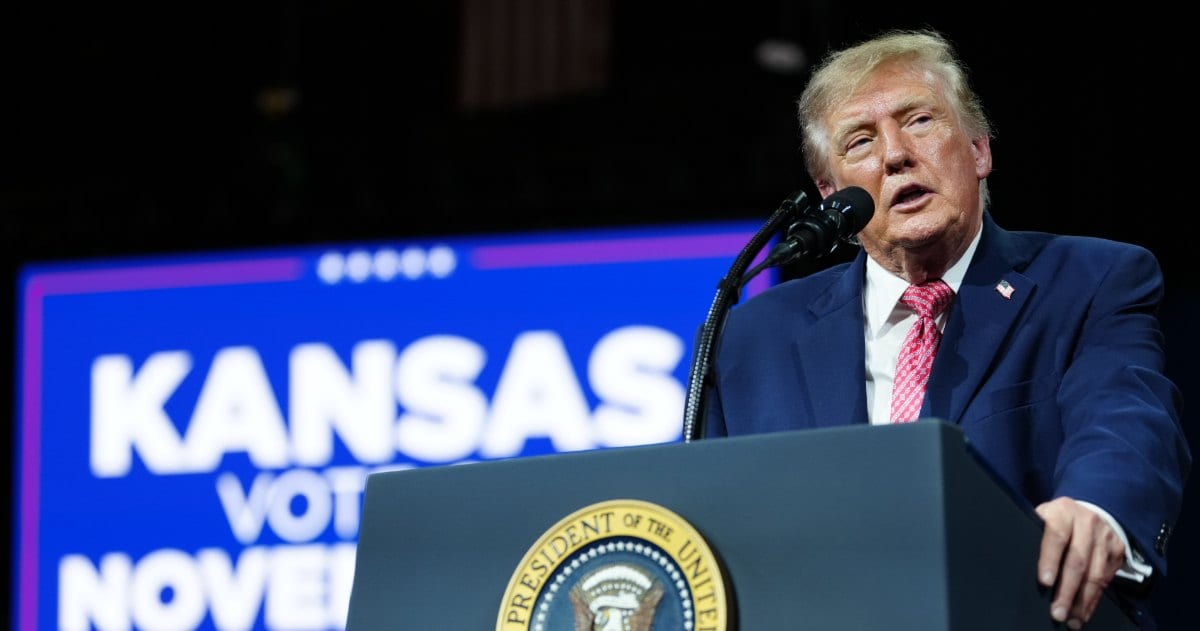
'Full Marxist, socialist, communist': Mike Johnson's midterm attack on Democrats

WASHINGTON, DC: House Speaker Mike Johnson called Democrats “full Marxist, socialist, communist” while arguing Republicans can defy historical trends and retain their House majority in November’s midterm elections.
Johnson identified 22 competitive districts as central to the battle, saying President Donald Trump won 21 of them in the previous presidential election.
The Louisiana Republican made the remarks during a Fox Business interview on Monday, September 28, discussing China, AI, the economy, campaign messaging, and the party’s prospects.
Began today with @MorningsFBN to talk China, AI, and how Republicans are fighting to make life more affordable for the American people.
— Speaker Mike Johnson (@SpeakerJohnson) September 28, 2026
This is a contrast between common sense and crazy, and we’re on the side of common sense. pic.twitter.com/Qk3iC5FgGZ
Mike Johnson targets Democrats as Republicans prepare for midterms
Johnson said Republicans have better candidates, a fundraising advantage and a message focused on their record in office.
He argued those factors could help the party overcome historical trends that have generally challenged the president’s party in midterm elections.
“This is a contrast election between common sense and crazy,” Johnson said. “Common sense is on our side.”
He also criticized the Democratic Party’s political direction, describing it as “full Marxist, socialist, communist on the other side.”

Johnson said that characterization could help Republicans in competitive races.
The speaker pointed to 22 swing districts that he believes will determine the outcome of the House contest.
He said Trump carried 21 of those districts two years ago, though he did not provide a projected seat count.
“I’m not going to prognosticate,” Johnson said when asked how many seats Republicans would hold on November 4. “But I'm telling you, we will keep and grow the House majority.”
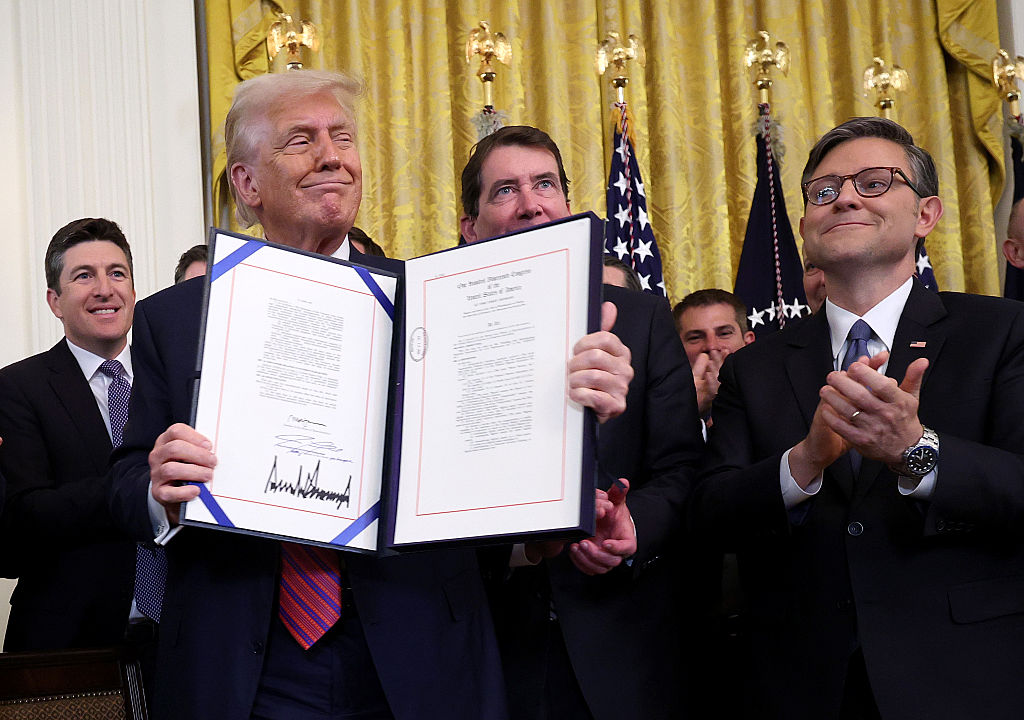
Johnson acknowledged the party faces a difficult task with its narrow majority, saying he currently holds the smallest House majority in US history.
Speaker Johnson touts GOP economic record as costs remain high
Johnson also defended the Republican economic agenda as he addressed concerns about affordability, including gasoline, health care and transportation costs.
He cited $4.1 trillion in tax cuts, $1.6 trillion in spending reductions and the addition of 1 million private-sector jobs as evidence of the party’s economic record.
He also said wages were rising and inflation was coming down.

However, Johnson acknowledged that costs remain too high for American families.
He attributed current price pressures to the Strait of Hormuz and the unresolved conflict in Iran.
“I do believe we're coming to a new phase of that soon,” Johnson said, predicting that gasoline prices would fall dramatically when the conflict changes course.

He also argued lower transportation costs would reduce the prices of goods.
Johnson did not provide specific estimates for how much families could save before the midterms.
He also addressed Trump’s proposal for a $5,000 dividend check if Republicans retain control of both chambers of Congress, but did not explain how such payments would be funded.
Louisiana Republican defends AI approach amid China concerns
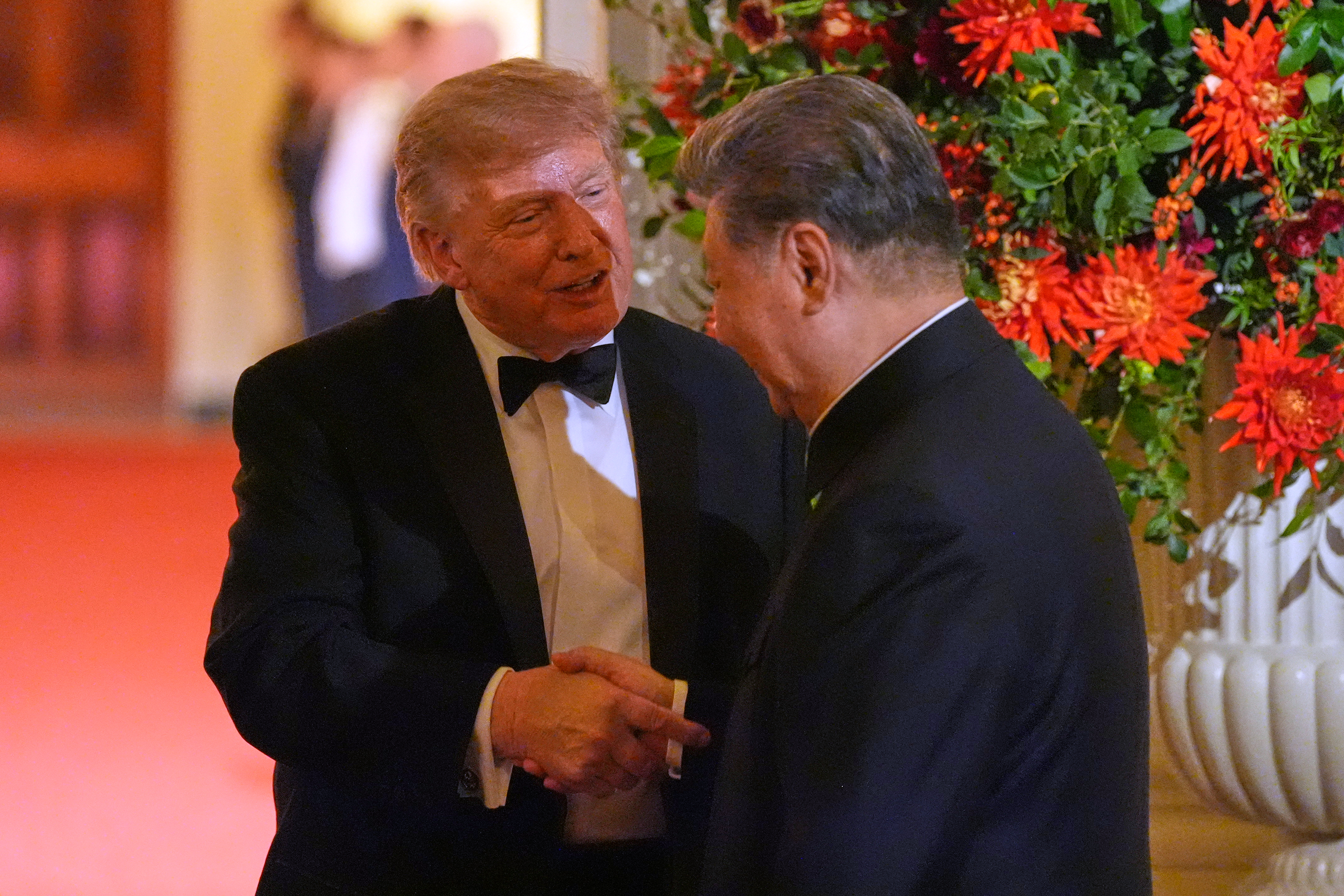
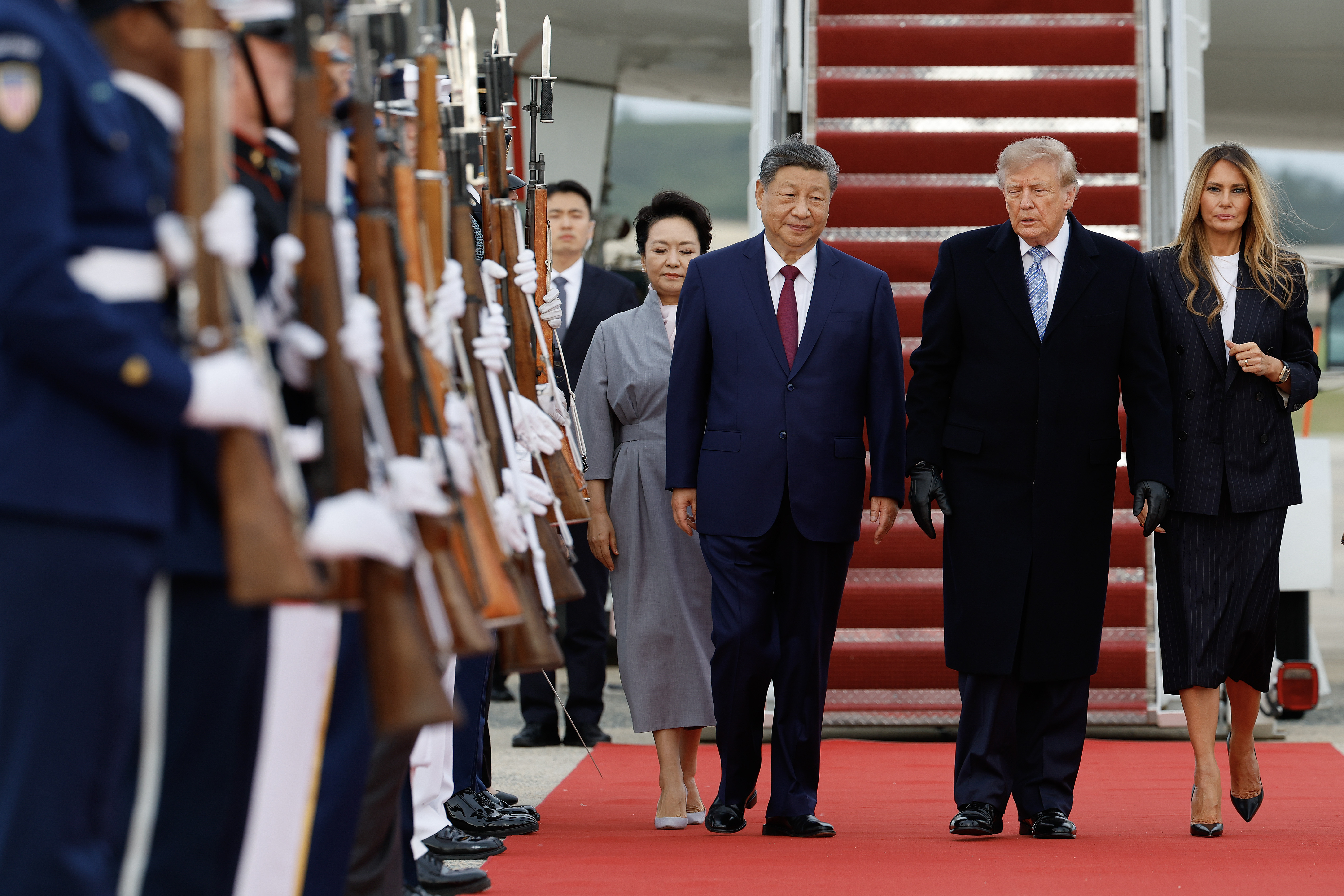
Johnson also defended the administration’s approach to artificial intelligence, arguing that strict restrictions could undermine the United States’ ability to compete with China.
“We do not need a moratorium,” he said, adding that excessive regulation could cause the country to lose the race to China.
He said AI companies should take responsibility for developing safe products, while supporting transparency and some oversight.
Johnson said a meeting with Trump and AI executives, scheduled for the following day, would focus on finding a balance between innovation and safeguards.
Johnson also rejected claims that Republican opposition to strict AI regulation ignored community concerns about data centers.
He said companies should work with local residents and offer protections against rising utility rates and water use.
The House had passed the Ratepayer Protection Act a couple of weeks earlier, Johnson said, describing it as legislation that codifies Trump’s provision for protecting communities hosting AI infrastructure.
He argued that such projects could bring jobs and investment when companies cooperate with local communities.