Hegseth calls Mojtaba Khamenei 'not-so supreme leader', says he's 'wounded and likely disfigured'
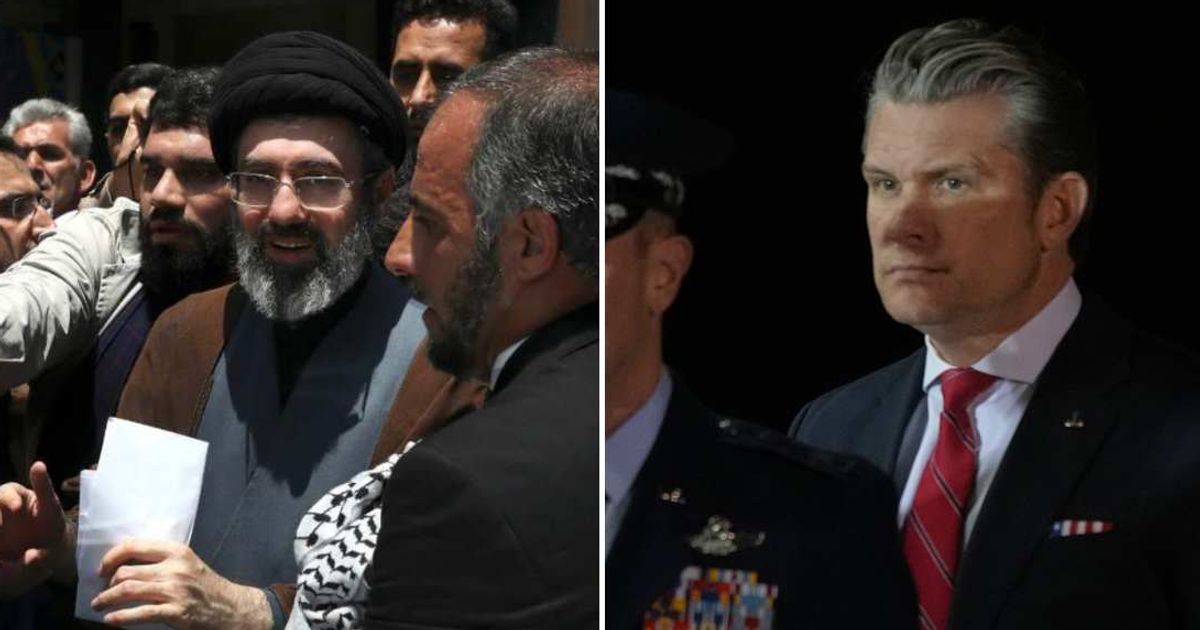
.@SecWar: “We know the new, so-called (not so) Supreme Leader is wounded — and likely disfigured.” pic.twitter.com/3LtUBVimjp
— Rapid Response 47 (@RapidResponse47) March 13, 2026
WASHINGTON, DC: Defense Secretary Pete Hegseth said on Friday, March 13, that Iran’s newly appointed Supreme Leader Mojtaba Khamenei, 56, was injured during the early stages of the US and Israeli military campaign against Iran.
Speaking during a press briefing at the Pentagon, Hegseth said that the leader was “wounded and likely disfigured,” referencing reports about injuries sustained during the initial airstrikes.
Mojtaba Khamenei assumed leadership of Iran after his father, longtime Supreme Leader Ayatollah Ali Khamenei, was killed in Israeli airstrikes on his compound in Tehran on February 28.
Iranian state media later broadcast a written message attributed to the new leader, warning that Tehran would continue retaliatory actions against the United States and its regional allies.
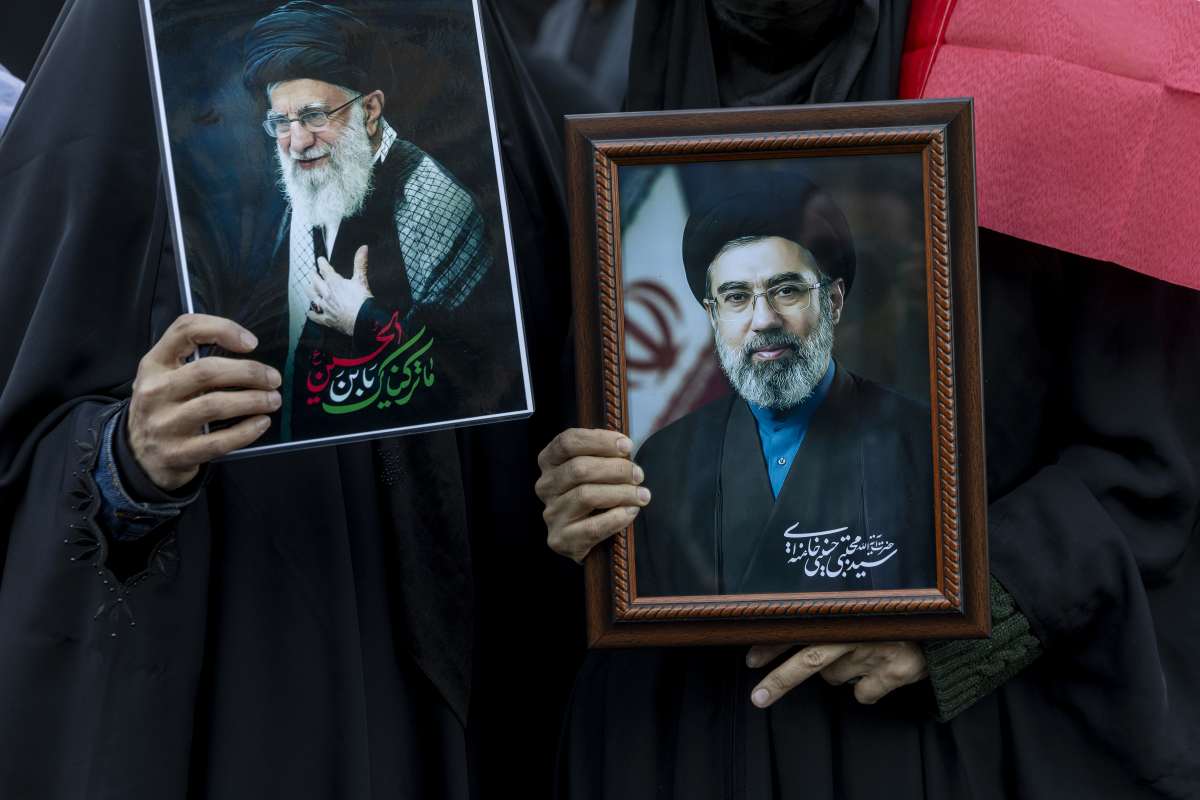
Pete Hegseth says Iranian leadership 'hiding underground' after attacks
“Iran’s leadership is in no better shape, desperate and hiding. They’ve gone underground, cowering. That’s what rats do. We know the new so-called not-so supreme leader is wounded and likely disfigured,” Hegseth said.
The Pentagon chief said that the injuries occurred during the opening phase of the military campaign and referenced intelligence reports indicating that the new Iranian leader had been hurt during the strikes.
The leadership transition came after the death of Ayatollah Ali Khamenei, who had ruled Iran for decades before being killed in Israeli strikes earlier this year. Mojtaba Khamenei, his son, was named as the country’s new supreme leader.
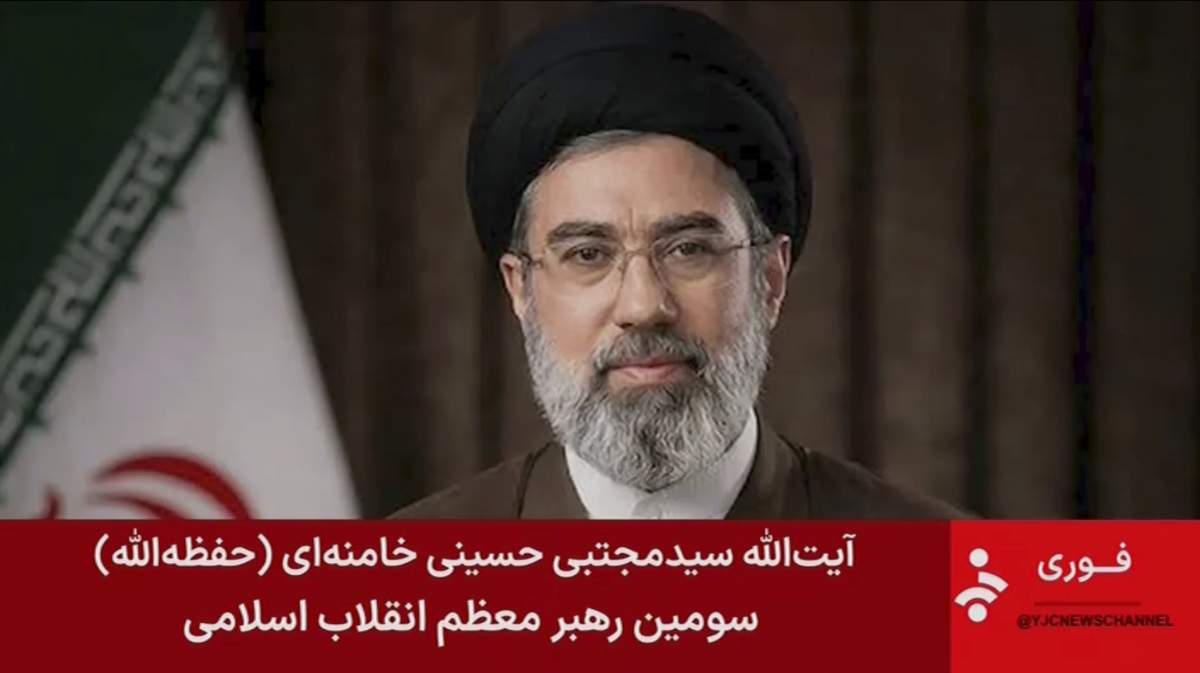
Iran threatens new conflict fronts against US, Israel and allies
Iranian state television later aired a message attributed to Mojtaba Khamenei in which he warned that Iran would keep the Strait of Hormuz closed and continue attacks against US allies in the Gulf region.
In the statement, read by a state television anchor, the Iranian leader also warned that “other fronts” in the conflict, “in which the enemy has little experience,” could be explored if the US and Israel continued their military campaign.
Hegseth criticized the message and questioned why the statement was delivered in writing rather than through a recorded address.

“There was no voice, and there was no video. It was a written statement. He called for unity, apparently, killing tens of thousands of protesters is his kind of unity,” Hegseth said, referencing Iran’s crackdown on anti-government protests that began late last year.
“Iran has plenty of cameras and plenty of voice recorders. Why a written statement? I think you know why His father dead, he’s scared, he’s injured, he’s on the run, and he lacks legitimacy. It’s a mess for them,” Hegseth said. “Who’s in charge? Iran may not even know,” he added.