House votes 231-195 to overturn Trump executive order on federal bargaining rights
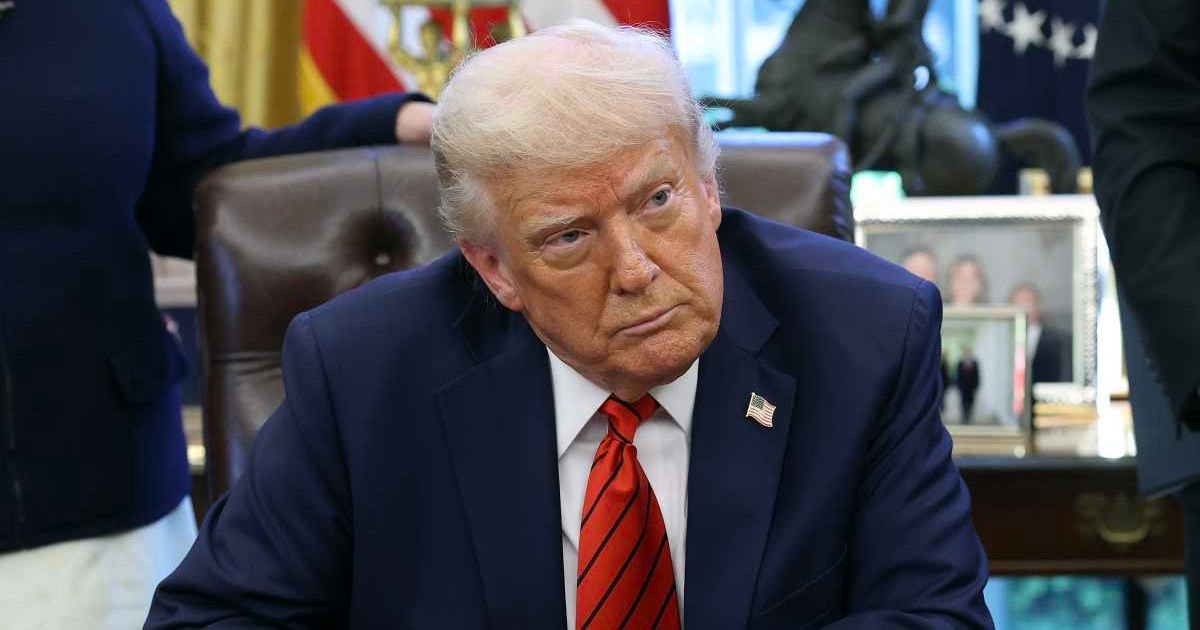
WASHINGTON, DC: The Republican-led House of Representatives delivered a significant rebuke to President Donald Trump on Thursday, December 11, voting 231-195 to overturn his executive order regarding federal worker bargaining rights.
The rare bipartisan measure marks the first time the House has voted to nullify an executive order from the president this term, signaling a fracture in GOP unity regarding labor protections.
Twenty Republicans crossed the aisle to join Democrats in passing the bill, which aims to reinstate collective bargaining rights for nearly one million federal employees.
Jared Golden hails vote as 'solidarity in action'
The legislation was introduced by Representatives Jared Golden (D-Maine) and Brian Fitzpatrick (R-Pennsylvania), highlighting the cross-party effort to protect civil servants.
"This is solidarity in action. I’m proud of the bipartisan coalition who passed this bill," Golden wrote on X (formerly Twitter) following the vote.
Fitzpatrick echoed the sentiment, stating that the measure "restores something fundamental: the right of public servants to be heard, respected, and represented in their workplace."
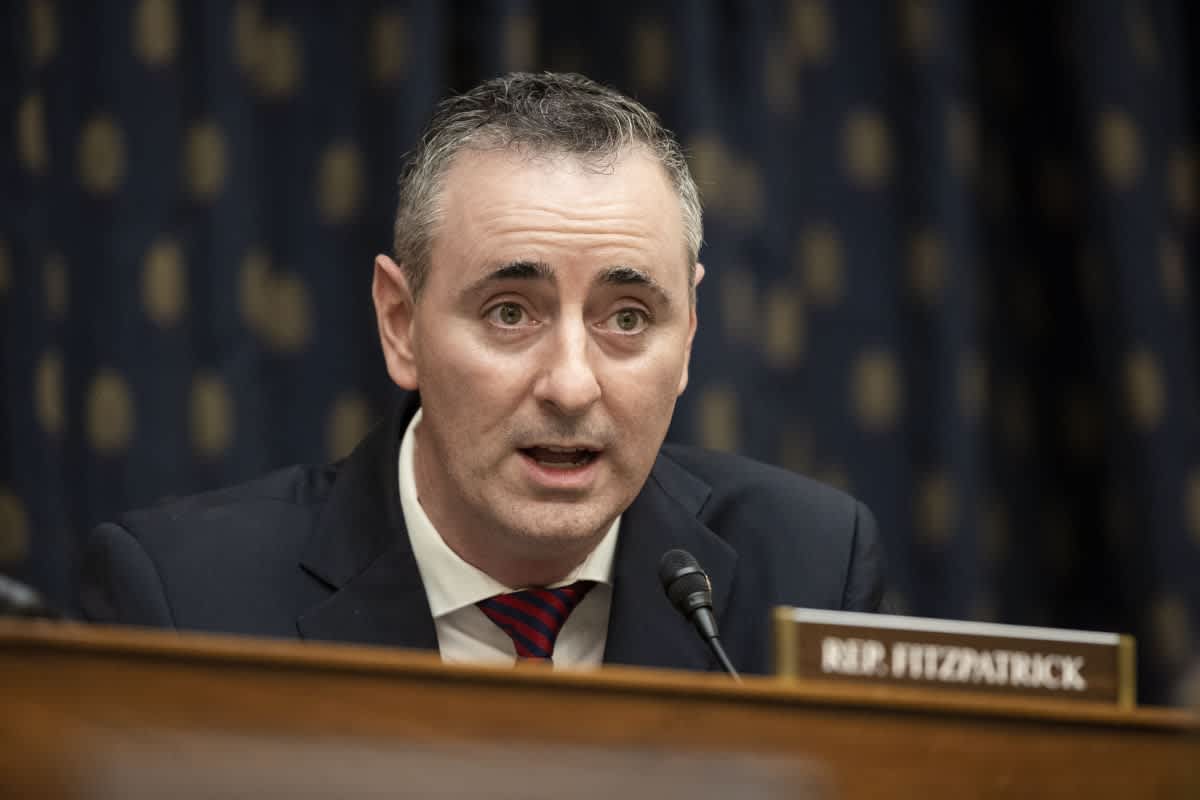
He urged the Senate to "finish the job," though it remains unclear if Senate Majority Leader John Thune (R-South Dakota) will bring the bill to a floor vote.
White House cited 'national security' for crackdown
The controversy stems from an executive order Trump signed earlier this year, which terminated collective bargaining with federal agencies tied to national security.
Citing authority under the Civil Service Reform Act of 1978, the administration argued that certain unions had "declared war" on the POTUS' agenda.

The White House defended the posture in March, stating that Trump "refuses to let union obstruction interfere with his efforts to protect Americans and our national interests."
The order affected a wide swath of the government, including the Departments of State, Defense, Veterans Affairs, Energy, Treasury, Justice, and Homeland Security.
In August, Trump expanded these restrictions to include the National Weather Service, NASA, and the US Agency for Global Media.
Unions praise House's move
Labor leaders celebrated the House vote as a major victory against what they termed an assault on workers' rights.
Liz Shuler, president of the AFL-CIO, commended the lawmakers who "stood with workers and voted to reverse the single largest act of union-busting in American history."
"As we turn to the Senate - where the bill already has bipartisan support - working people are calling on the politicians we elected to stand with us, even if it means standing up to the union-busting boss in the White House," Shuler said in a statement.
The bill now heads to the upper chamber, where its fate rests with Republican leadership.