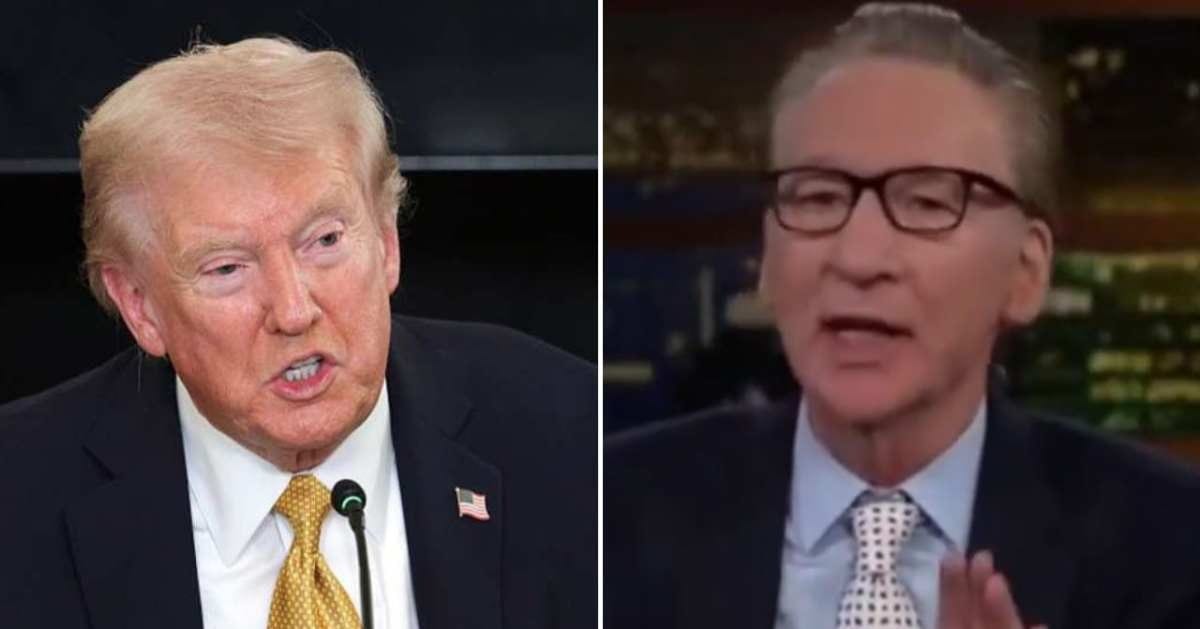
Leavitt blasts reporter over Trump Iran war justification question: ‘He's not making anything up’
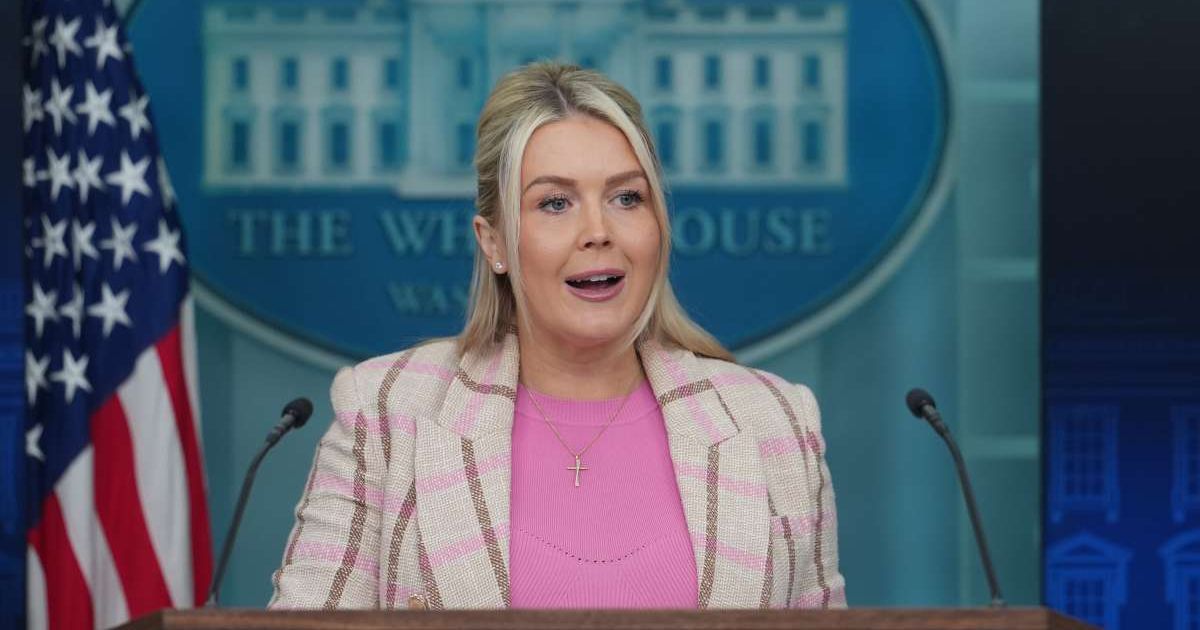
WASHINGTON, DC: White House Press Secretary Karoline Leavitt defended President Donald Trump’s assertions about the ongoing war with Iran, flatly rejecting claims that he is “making anything up” and saying his decisions are based on intelligence and facts. She also addressed questions about Russia’s role in the conflict, saying Trump would not be happy if Moscow were sharing intelligence with Tehran.
Reporter: There are no U.S. Leaders or Israeli leaders who are making those same claims. So is he making this up to justify his decision to go to war?
— Acyn (@Acyn) March 10, 2026
Leavitt: The president is not making anything up. Iran wanted to attack the US, and the president was not going to allow that to… pic.twitter.com/aDd1CNaYch
Karoline Leavitt says Iran chose a path of 'death and destruction'
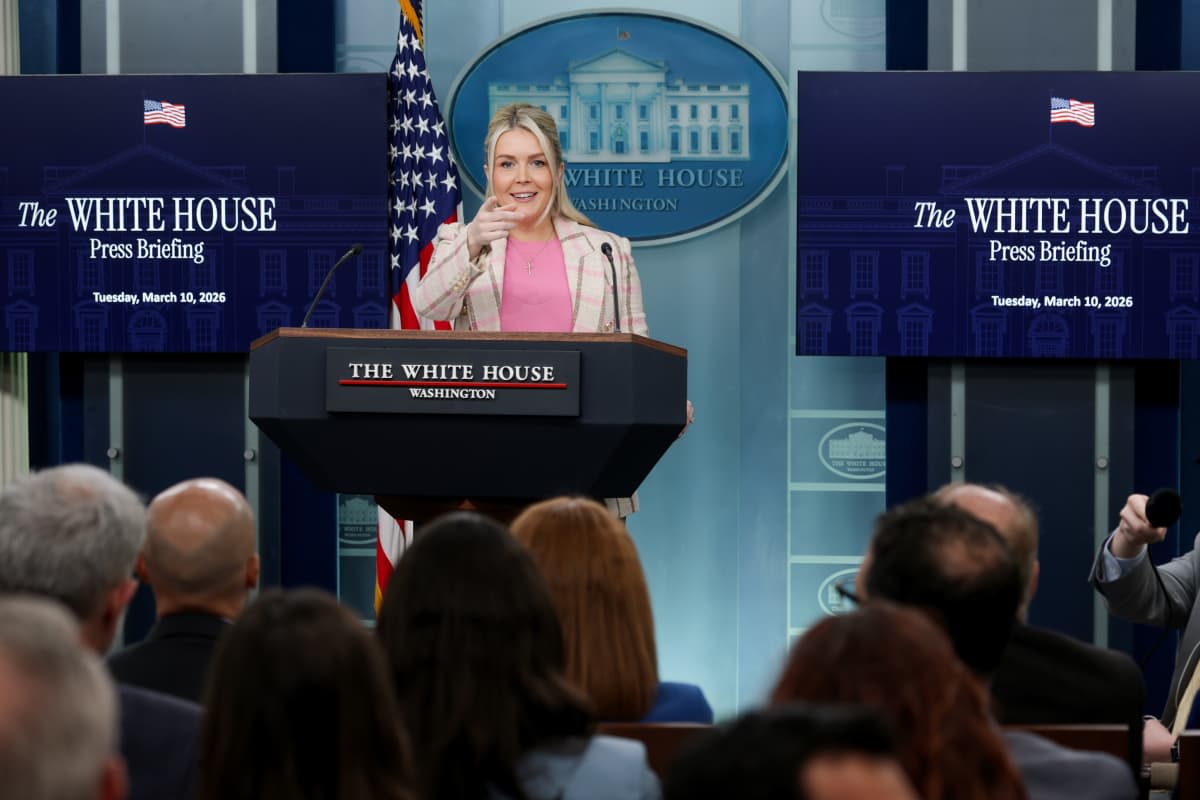
Karoline Leavitt spoke to reporters on Tuesday, facing tough questions from CBS News’ Chief White House Correspondent Nancy Cordes. Cordes asked if President Trump was making up claims that Iran was about to attack US targets in the Middle East to justify going to war.
"But there are no US leaders or Israeli leaders who are making those same claims. So is he making this up to justify his decision to go to war now?"
Leavitt responded firmly, “The President is not making anything up, Nancy.”
She explained that Trump reviews the situation every day based on intelligence, facts, and information his team has gathered during negotiations with the Iranian regime over the past year.

"He is looking at this every single day based on intelligence, based on facts, and based on intelligence that he himself and his negotiators have consumed based on their, again, negotiations with the rogue Iranian regime over the past year,” Leavitt pushed back.
Leavitt added that Trump and his team tried in good faith to reach a diplomatic deal through peaceful means, but Iran chose a path of “death and destruction.”
She said, "And the President and his team tried in a good-faith way to reach a diplomatic deal through peaceful means with the Iranian regime. And Iran chose this path of death and destruction. Iran wanted to attack the United States of America, and the President was not going to sit back and allow that to happen. He was not going to sit back and allow it to happen, and everyone in this room should be grateful for it.”
Karoline Leavitt clarifies Trump’s stance on Putin, Iran, and oil sanctions
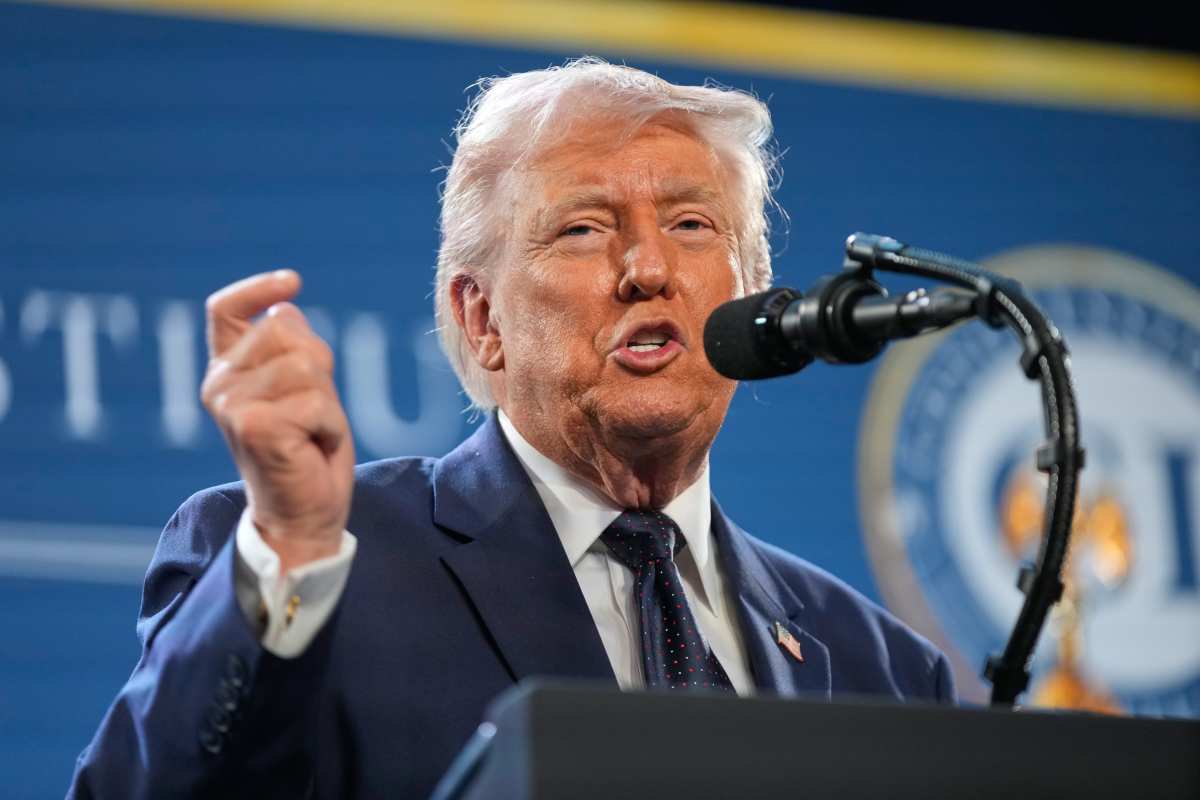
During the same briefing, Leavitt faced questions about President Putin’s offer to be “helpful in the Middle East.”
A reporter asked, "The president said yesterday that President Putin told him he wanted to be helpful in the Middle East. The Kremlin put out a statement where Putin said, quote, I would like to reaffirm our unwavering support for Tehran and our solidarity with Iranian friends. How does the President think that Russia could be helpful if not helping Iran? And did the President push Putin on Russia sharing intelligence with Iran in this war?"
Leavitt said, "The president and his special envoy (Steve) Witkoff have both said that, of course, they’ve sent a message to Russia that if that was taking place, it’s not something they would be happy with and they hope that it is not taking place."
"As for further details about the discussions between these two leaders, I'll leave it to the president to divulge any more of that conversation, but he did confirm it yesterday and provided you with a little bit of the background and his view," she added.
Witkoff, who has led US talks with both Russia and Iran in recent months, told CNBC that Russia denied sharing intelligence with Tehran and that the US could take them at their word.
Leavitt also explained Trump’s decision to temporarily waive sanctions on Russian oil sales to India. She said Washington allowed it because India had complied with previous sanctions, and the short-term measure was intended to address a temporary global oil supply gap caused by Iranian restrictions.
Leavitt emphasized that the move would not provide Russia with ay significant financial benefit at this time.
“As we work to appease this temporary gap of oil supply around the world because of Iranians, we have temporarily permitted them to accept that Russian oil,” Leavitt said. “This short-term measure, we don’t believe it will provide significant financial benefit to the Russian government at this time.”