ICE slams ‘60 Minutes’ over report on deported father sent to unsafe country
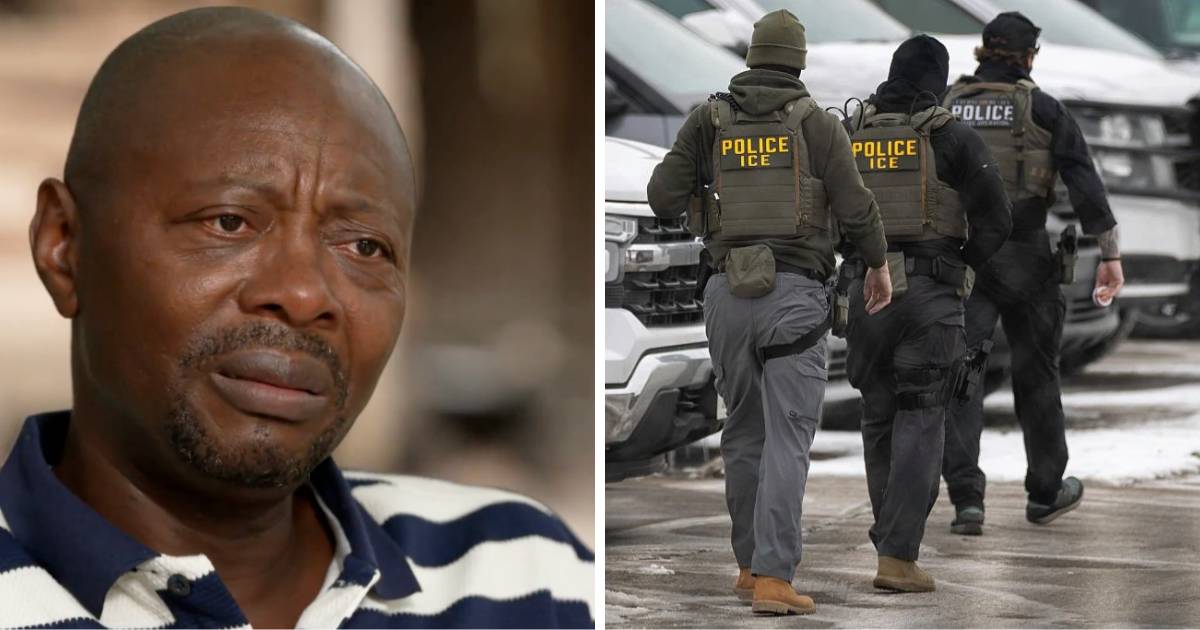
WASHINGTON, DC: Immigration and Customs Enforcement (ICE) has pushed back against a '60 Minutes' investigation into the deportation of a Texas father who was sent to Ghana before allegedly being transferred to Mali, accusing the CBS program of leaving out key details about his immigration case.
The agency’s response, posted on X (formerly Twitter) and reshared by the White House, disputed the report’s portrayal of Moussa Diawara, a Malian national who lived in the United States for over two decades and has two US citizen children.
Moussa Diawara showed 60 Minutes his Department of Homeland Security-issued bag tags from his deportation flight listing Mali as his destination — a country a U.S. immigration judge ruled he could not be deported to because he would likely face persecution. DHS said in a statement that the “contractors” who filled out the bag tags “are not part of the process that determines…the destination.” A medication form that also included Mali, the agency said, was a “clerical error.” Ghana’s government declined to comment. https://t.co/Q3gwBPfPw0
— 60 Minutes (@60Minutes) October 25, 2026
ICE challenges CBS account of deported father’s case
The dispute followed a '60 Minutes' report published Sunday, October 25, that examined the Trump administration’s use of third-country deportations. The investigation said Diawara, 57, had lived in the US for nearly half his life before ICE deported him to Ghana on July 31.
According to CBS, a US immigration judge ruled in 2012 that Diawara could not be deported to Mali because he was likely to face persecution there. The ruling, known as withholding of removal, did not prevent the government from seeking to remove him to a safe third country.
NOT a Texas father! He is an ILLEGAL ALIEN from Mali with a final order of removal from a judge, who said he’s homosexual in order to dodge deportation - despite having a wife and two kids at home. Wonder why @60Minutes didn’t ask him about that.
— U.S. Immigration and Customs Enforcement (@ICEgov) October 26, 2026
Diawara told the outlet that Ghanaian officials detained him and other deportees before he was taken to Mali against his will. He said he later escaped to another country with help from local truckers and was hiding there because he feared for his safety.
ICE challenged the report’s framing of his case, emphasizing that Diawara had a final order of removal. The agency also alleged that he claimed to be homosexual to avoid deportation despite having a wife and two children. The agency’s post questioned why the program had not asked him about that allegation.
A spokesperson for the Department of Homeland Security previously told '60 Minutes' that Ghana had provided diplomatic assurances concerning Diawara’s safety. The agency also questioned the credibility of his claims that he feared persecution in Mali.
DHS disputes allegations about treatment of deportees
During the interview, DHS general counsel James Percival said he was not aware of cases in which Ghana had sent deportees to other countries against their will. He argued that some people might voluntarily return to their home countries, while others could be returned through procedures carried out by foreign governments.
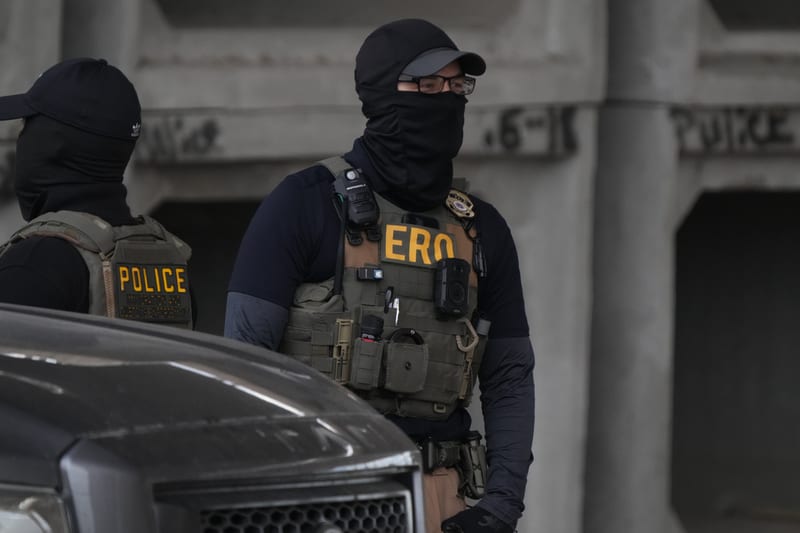
The report also said a federal appeals court had upheld a ruling in a class-action lawsuit finding the Trump administration’s third-country deportation policy unlawful because it denied deportees due process. The Supreme Court had allowed the deportations to continue while it considered the case, with a hearing expected in December, according to the outlet.
Diawara’s attorney, Reuben S Kerben, has asked a federal judge in Washington, DC, to order his return to the US.
“It feels really empty without him,” says 16-year-old Corey Diawara, whose father was deported in July. His father had lived in the U.S. for 25 years and had no criminal record. Moussa Diawara says he was deported without being able to speak to his lawyer or a judge. He was eventually sent to Mali, a country a U.S. immigration judge ruled he could not be deported to. In a statement, the Department of Homeland Security told 60 Minutes that Ghana had provided the U.S. with “diplomatic assurances for his safety.” DHS also questioned the credibility of Diawara’s arguments for fearing persecution in Mali. https://t.co/P6flp7Q41f
— 60 Minutes (@60Minutes) October 25, 2026
Diawara’s wife, Barbara, a registered nurse, and their two children remain in Texas. Their son Corey, 16, said that the family home feels empty without his father. Barbara said she was trying to remain strong for the children while waiting for her husband’s case to be resolved.