Immigration crackdown in Minnesota cost over $600M, court filing says
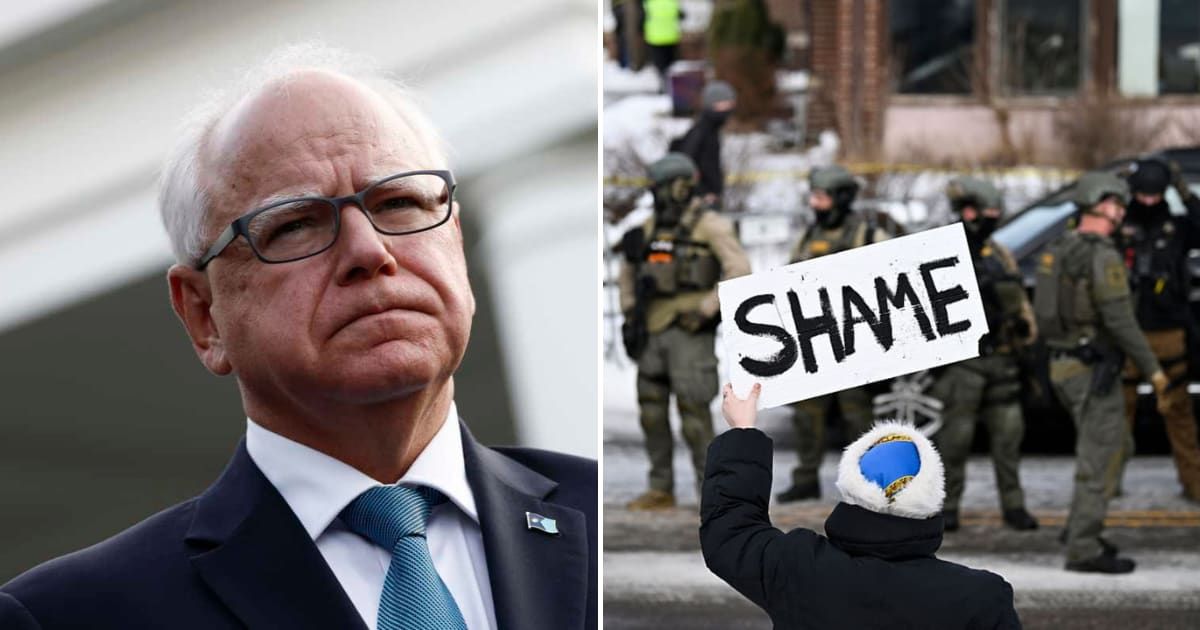
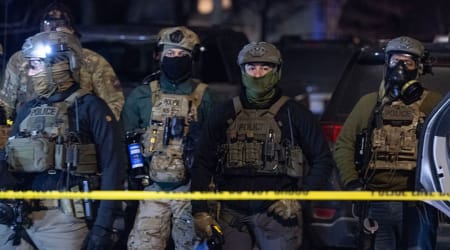
MINNEAPOLIS, MINNESOTA: An immigration enforcement sweep known as “Operation Metro Surge” drained more than $600 million from Minnesota’s economy, according to an amended court filing submitted by state and city officials.
Minnesota Governor Tim Walz has strongly opposed ICE enforcement in the Twin Cities.
Attorney General Keith Ellison, along with leaders from Minneapolis and St Paul, updated their lawsuit against the federal government, arguing that local agencies were forced into sudden, unplanned spending to respond to the crackdown.
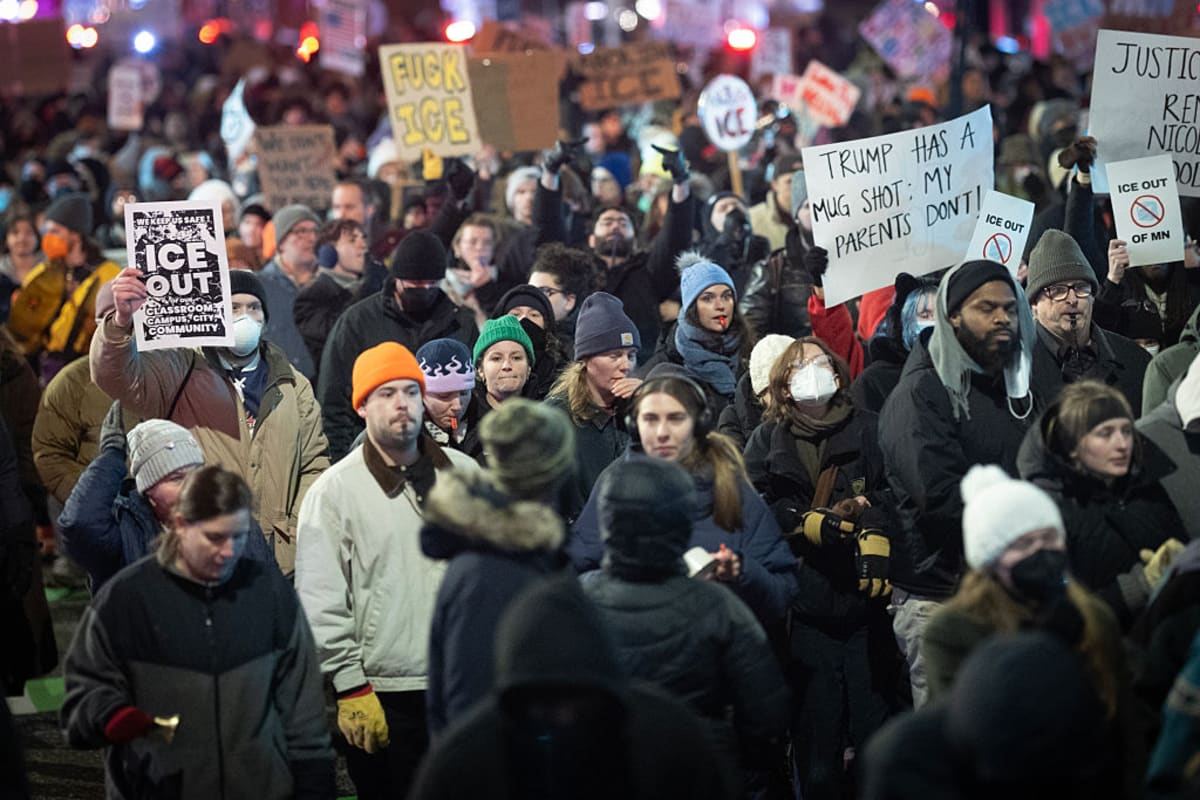
Filing says businesses and workers hit hard
The filing cites findings from the US Immigration Policy Center, which surveyed over 1,300 residents across the Twin Cities.
Researchers estimate total business losses at roughly $610 million, with more than $440 million in Minneapolis and over $165 million in St Paul.
Workers were also heavily affected.
Encounters with federal agents reportedly led many residents to skip work, resulting in an estimated $240 million in lost wages, nearly $190 million in Minneapolis and about $50 million in St. Paul.
The operation placed significant pressure on local law enforcement. In Minneapolis, police extended 500 shifts and canceled around 1,000 vacation days to respond to increased calls for service.
The Minneapolis Police Department recorded more than $6 million in overtime expenses between January and March alone.
Meanwhile, the St Paul Police Department spent nearly $5 million tied directly to federal immigration activity between November 2025 and February 2026.
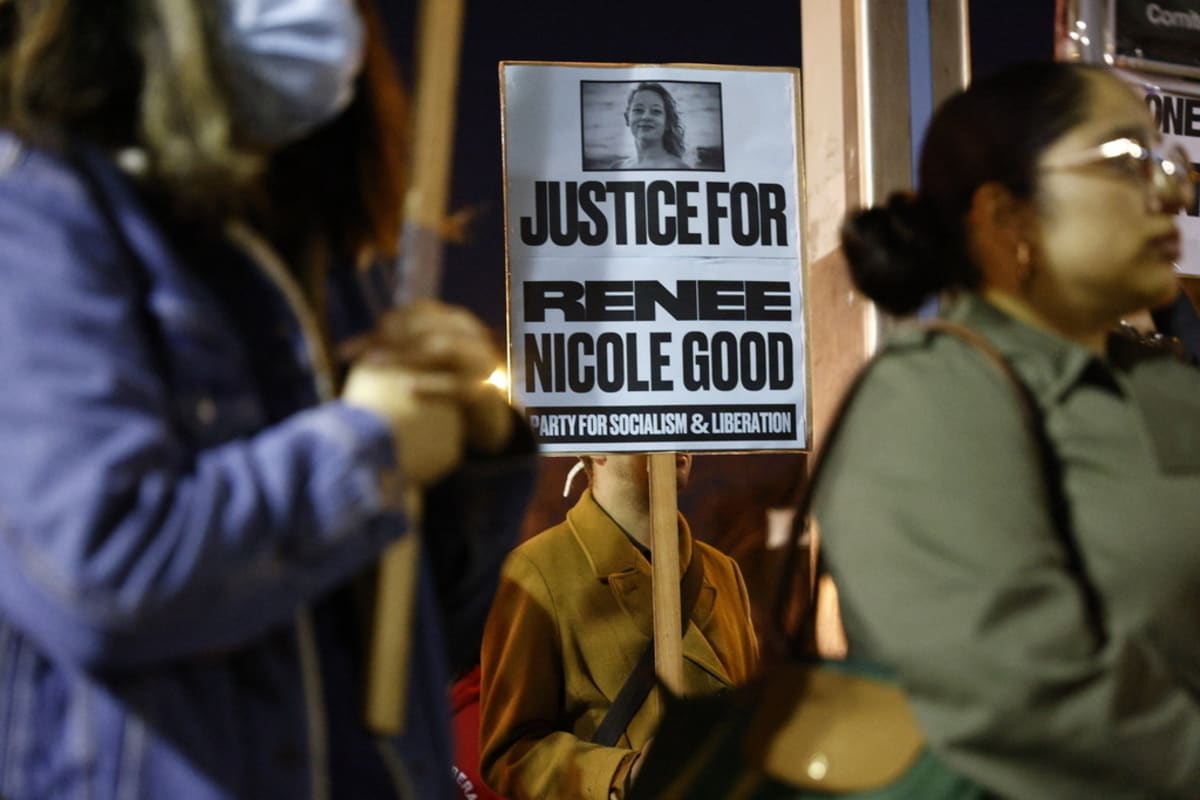
Ripple effects across economy and healthcare
The economic disruption extended beyond workplaces. Several conventions scheduled at the Minneapolis Convention Center were canceled, cutting off a key revenue stream that supports the city’s hospitality sector.
The survey found that many residents avoided seeking medical care after encounters with federal agents.
In Minneapolis, 66% of those needing urgent treatment reportedly skipped hospital visits.
Local leaders argue that the financial and social fallout from the operation should not be borne by taxpayers in Minnesota.
The lawsuit seeks accountability from the federal government, as officials continue to assess the long-term impact of the enforcement surge.