IOC shuts trans women out of Olympics from 2028, limits entry to 'biological females'
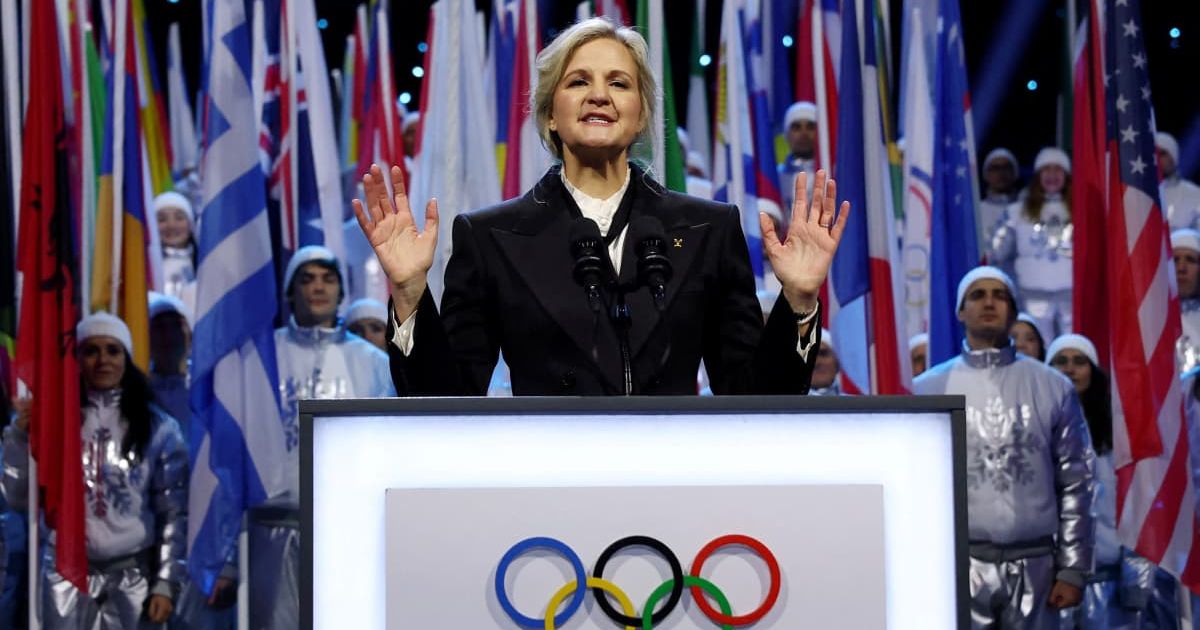
LAUSANNE, SWITZERLAND: The International Olympic Committee (IOC) has approved a new eligibility policy that will bar transgender women from competing in women’s events at the Olympic Games starting in 2028.
The decision was announced following an executive board meeting in Lausanne, where the organization is headquartered.
The policy introduces genetic screening criteria and marks a significant shift in Olympic regulations. It comes ahead of the 2028 Summer Olympics and reflects a broader effort to standardize rules across sports.
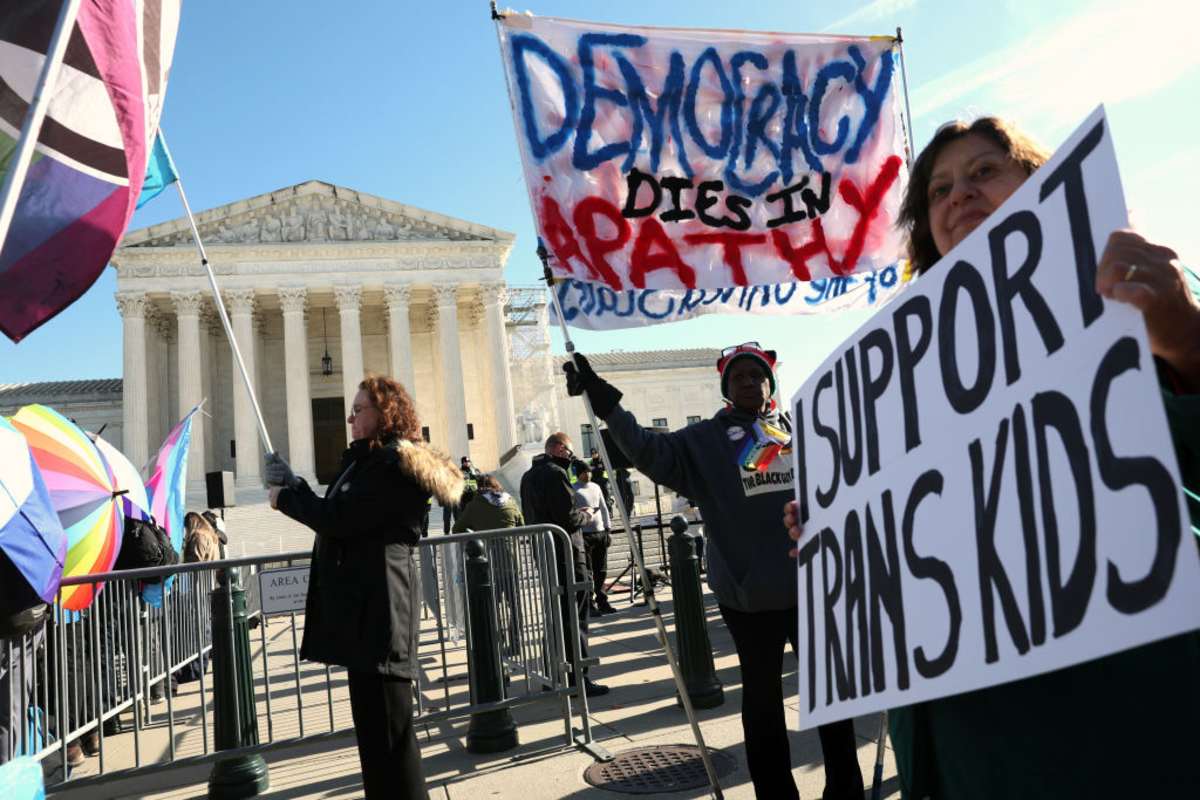
IOC introduces new eligibility criteria for women’s events
Under the updated policy, eligibility for women’s categories at Olympic events will be restricted to biological females, determined through a one-time genetic screening process.
“Eligibility for any female category event at the Olympic Games or any other IOC event, including individual and team sports, is now limited to biological females,” the IOC said, “determined on the basis of a one-time SRY gene screening.”
The IOC stated that the policy will take effect beginning with the 2028 Los Angeles Games and is intended to “protect fairness, safety and integrity in the female category.”
Officials clarified that the rule is not retroactive and will not affect grassroots or recreational sports programs.
The move follows ongoing discussions within the Olympic movement about how to ensure consistent standards across disciplines.
Previously, individual sports federations had been responsible for setting their own eligibility criteria, leading to variations in rules. The IOC said the new framework is designed to provide clarity and uniformity.
It remains unclear how many transgender women currently compete at the elite Olympic level. According to available data, no athletes assigned male at birth participated in women’s events at the 2024 Summer Olympics.
Broader policy changes and scientific rationale
The newly released policy document also addresses athletes with differences in sex development (DSD), including cases such as that of two-time Olympic champion Caster Semenya.
The IOC indicated that additional restrictions will apply in such cases, aligning with its broader eligibility framework.
The policy reflects a shift under IOC President Kirsty Coventry, who initiated a review process focused on “protecting the female category” shortly after assuming leadership.
The issue was also a central topic during the IOC presidential election, where candidates debated the need for clearer and more consistent rules.
Before the Paris 2024 Olympics, several international sports federations, including those governing athletics, swimming, and cycling, had already implemented policies excluding transgender women who had undergone male puberty.
The IOC’s decision brings its overarching framework more in line with those existing regulations.

In explaining the scientific basis for the policy, the IOC cited research on physiological differences between sexes.
“Males experience three significant testosterone peaks: in utero, in mini-puberty of infancy and beginning in adolescent puberty through adulthood,” the document said.
It added that these factors contribute to “individual sex-based performance advantages in sports and events that rely on strength, power and/or endurance.”

The IOC’s Olympic Charter states that access to sport is a human right, and the organization emphasized that the new policy applies specifically to elite competition categories.
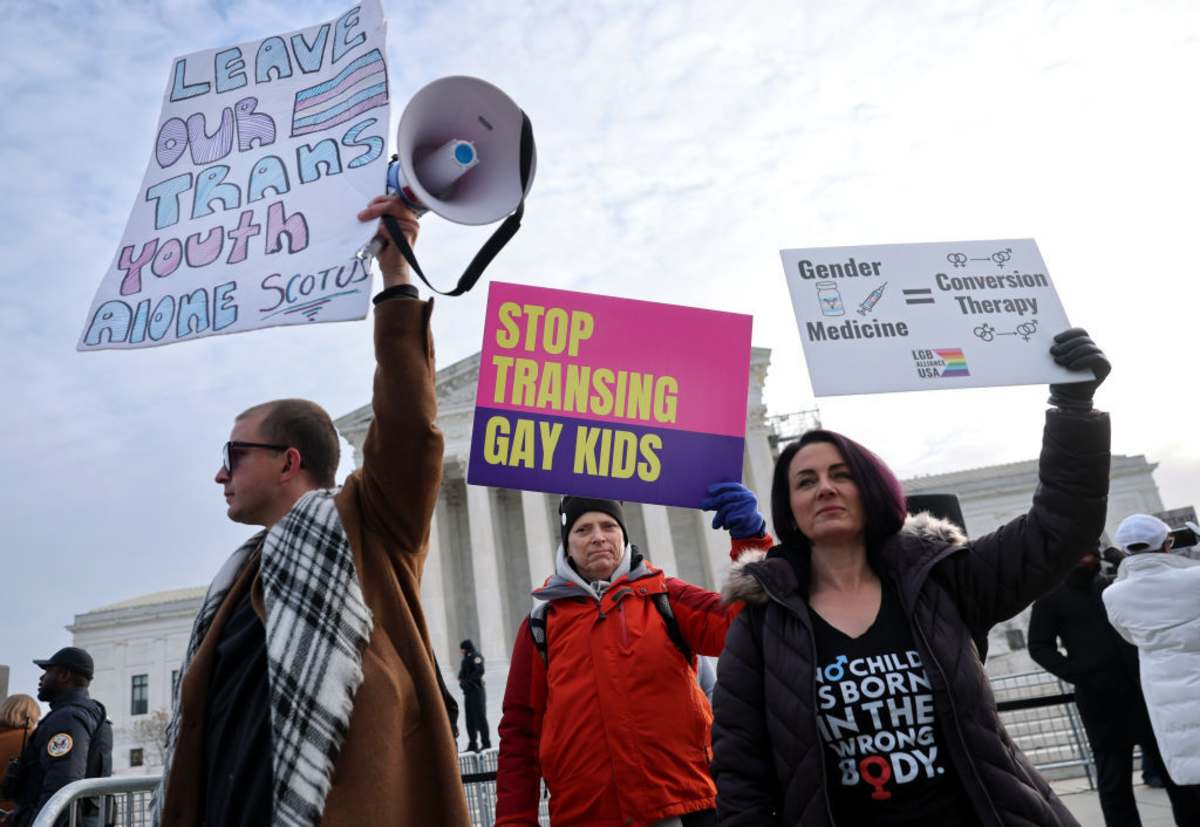
The decision underscores the ongoing global debate over inclusion, fairness, and competitive balance in international sports.