Iran retaliates after fresh US strikes despite Trump’s warning of ‘much harder’ attack
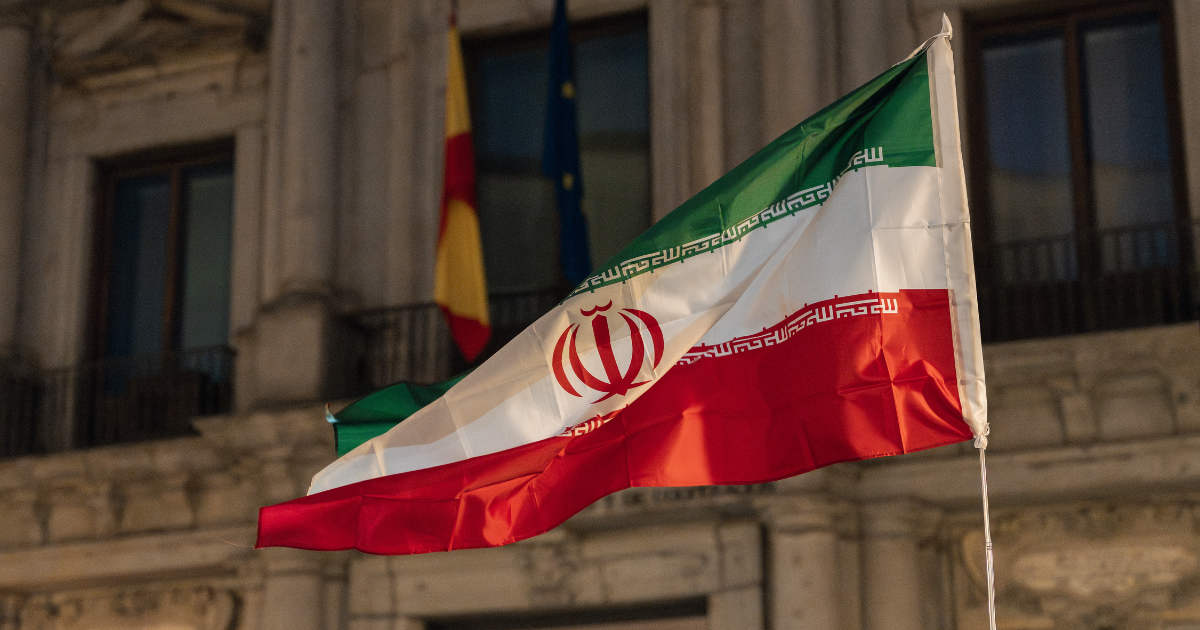
WASHINGTON, DC: Iran has retaliated after the US launched another round of strikes on Iranian targets, defying President Donald Trump’s warning that Tehran would be “hit much harder” if it responded.
The latest escalation unfolded on Tuesday, September 1, after US Central Command said it carried out fresh strikes against Iranian military-linked targets. Iran responded by launching missiles toward Jordan, while Kuwait and Bahrain also activated air defense systems as attacks were reported.
The back-and-forth comes after the US and Iran exchanged attacks overnight into Monday for the first time in more than a month, raising fresh concerns about the conflict escalating again after weeks of relative calm.
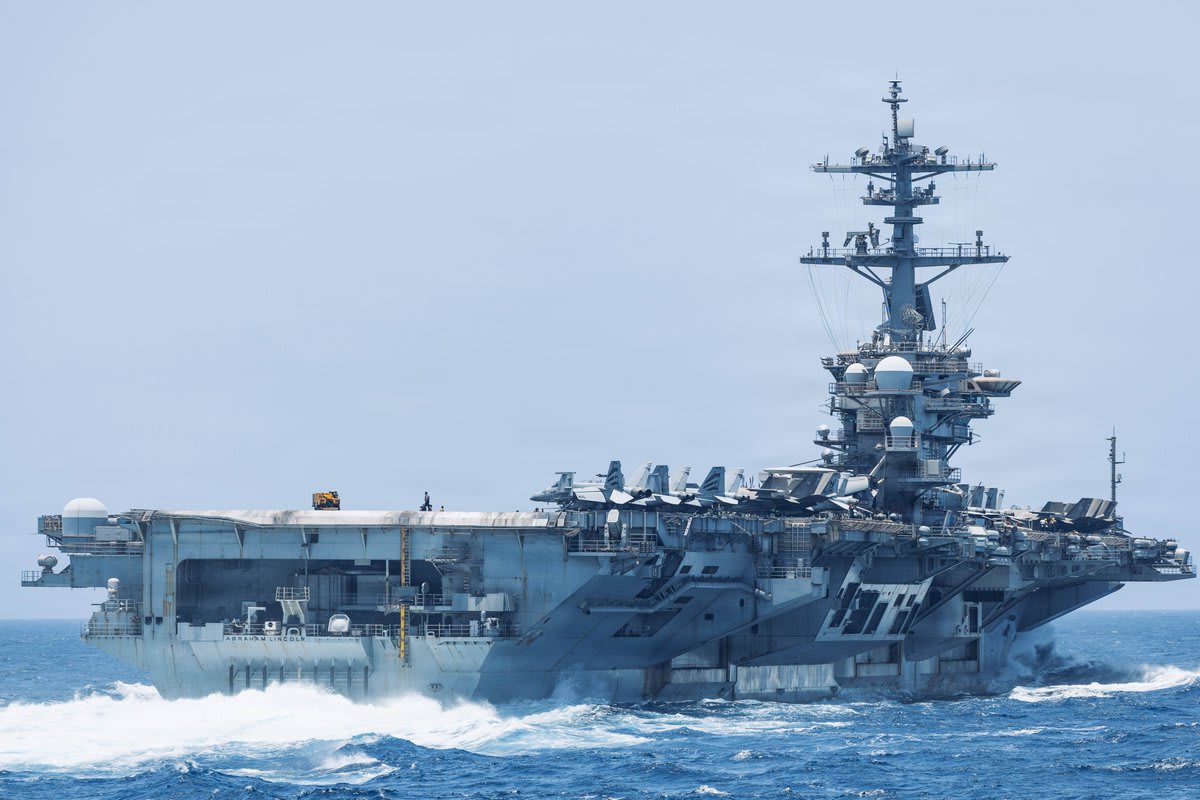
Today at 12 p.m. ET, U.S. forces began striking Islamic Revolutionary Guard Corps (IRGC) targets in Iran. The strikes follow recent attempted attacks by the IRGC against commercial shipping in the Strait of Hormuz and against American service members deployed to the region.
— U.S. Central Command (@CENTCOM) September 1, 2026
Iran retaliates after fresh US strikes
US Central Command said its latest strikes began at 12 pm ET Tuesday and were carried out in response to recent attempted Iranian attacks against commercial shipping in the Strait of Hormuz and American troops stationed in the region.
The US military said it targeted “air defense sites, radar systems, maritime assets and facilities, mine laying capabilities, and communications sites” associated with Iran’s Islamic Revolutionary Guards Corps.
CENTCOM later said the wave of strikes had been completed at 6.33 pm ET.
Trump had already warned Iran against responding to the US attack, which he described as a “very justified attack.” He said any retaliation would bring an even stronger American response.
The United States is, as we speak, striking Iranian Targets near the Strait of Hormuz. The strikes are large and powerful, and in retaliation for the Iranians’ failed attempt at adding sea mines to the Strait, which currently has no mines (They have been completely removed or… pic.twitter.com/64FZNNnIMi
— Commentary Donald J. Trump Truth Social Posts On X (@TrumpTruthOnX) September 1, 2026
“They will be hit again at a much harder and higher level, but it will not be the biggest attack of them all, that is waiting in the wings and, when it is over, there will be very little left of the Islamic Republic of Iran!” Trump wrote on Truth Social.
Iran nevertheless quickly promised a “crushing” response.
Iran's Armed Forces Central Headquarters said it would “deliver crushing and devastating blows” against the “American enemy.”
“The more the US military persists in its aggression in the region, the greater and heavier the losses it will have to endure,” it said, according to state broadcaster IRIB.
Iran targets Jordan as Gulf allies activate defenses
Iran said Tuesday that it had launched missiles toward Jordan and released video it said showed the launches.
The Jordanian Armed Forces said it intercepted 10 missiles launched from Iran, while another three landed in remote areas away from populated locations.
No casualties were reported, and authorities urged people not to approach or touch debris.
Jordan’s state broadcaster Al-Mamlakah reported that air raid sirens sounded in the Mafraq and Aqaba governorates following the reported attack.
Kuwait and Bahrain also activated their air defense systems to intercept attacks from Iran, according to authorities in the two countries.
The latest developments put the wider region back in the spotlight as the US-Iran confrontation spills beyond the two countries.
Iran also reported strikes inside its own territory. Four projectiles hit the port cities of Chabahar and Konarak in southeastern Iran, according to Iranian authorities. Multiple explosions were heard east of Bandar Abbas and around Qeshm Island in the Strait of Hormuz, IRIB reported.
Strait of Hormuz becomes key flashpoint
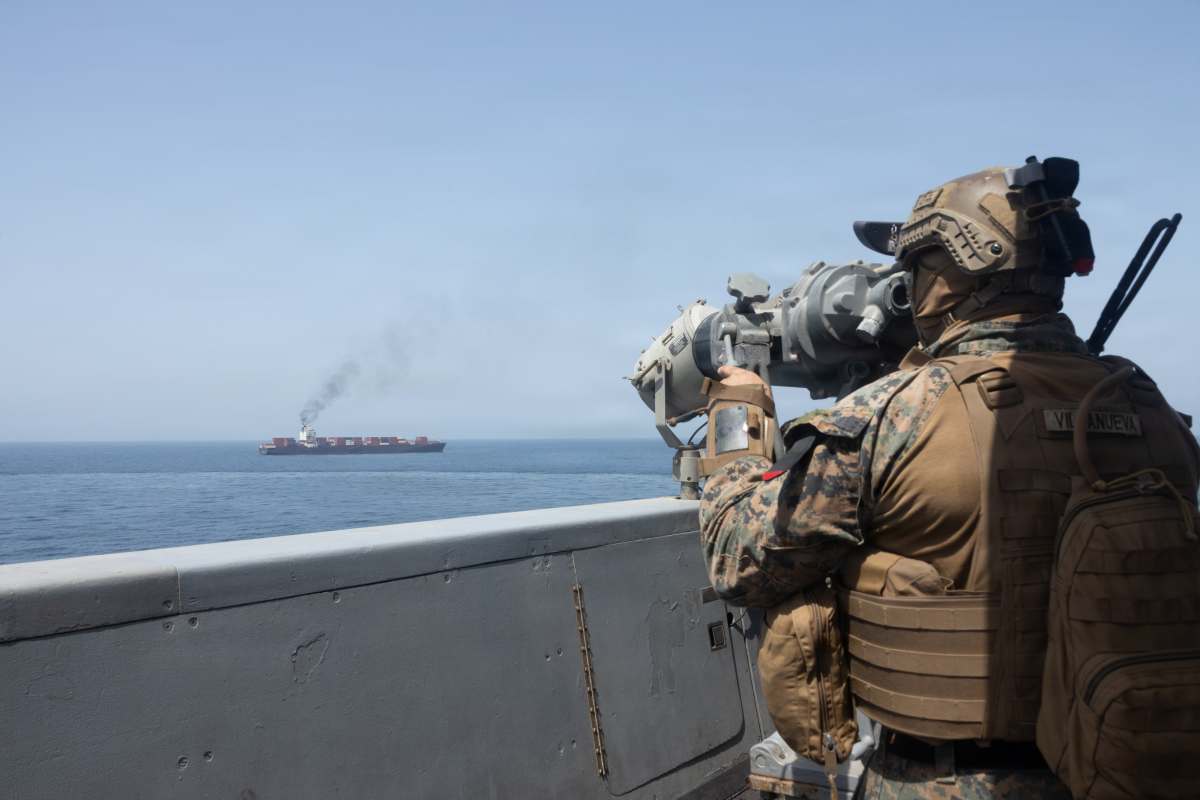
The Strait of Hormuz remains at the center of the latest tensions. The waterway is one of the world’s major energy-shipping routes, and the US has accused Iran of attempting to lay sea mines there.
Trump said the US had targeted radar systems that Iran was attempting to rebuild.
“They tried to rebuild their radar because they can't see anything,” Trump told Fox News. “We waited until it was almost built and then we hit it.”
After the latest US strikes were announced, oil futures climbed above $94 a barrel.
Trump later said he was not trying to force Iran back to negotiations.
“I couldn't care less if they sign a worthless, to them, agreement. I like our position now much better, with almost total control of the Hormuz Strait, and their economy totally collapsing,” he wrote on Truth Social.
“I’m not trying to force Iran to the bargaining table,” he added.
Treasury Secretary Scott Bessent also addressed the Strait of Hormuz at the G20 meeting, arguing that new oil routes could eventually reduce its importance.
“In two years, the Strait of Hormuz will be like a worthless piece of water — the oil will be going on pipelines across land,” Bessent said.
He also defended the administration’s economic pressure campaign against Tehran, saying, “We are going to economically asphyxiate this regime.”