Iran warns Strait of Hormuz won’t reopen until US ‘corrects its behavior’
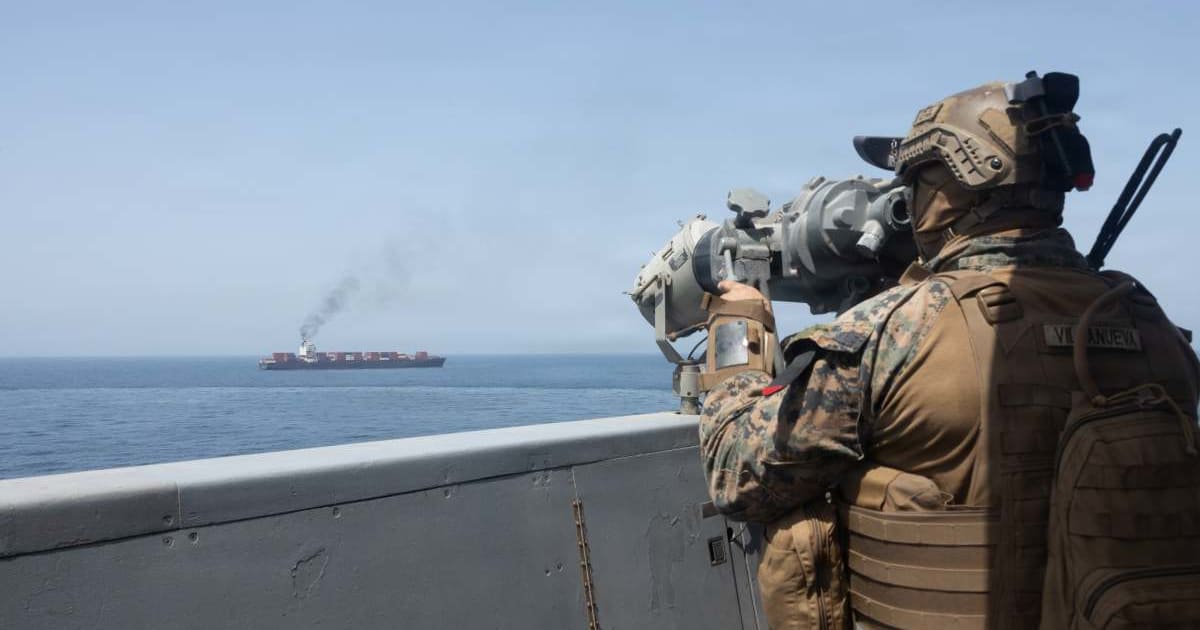
TEHRAN, Iran: Iran has warned that the Strait of Hormuz will not reopen until the United States “corrects its behavior,” raising fresh doubts over when traffic through the key waterway could return to normal.
The warning came on Saturday, August 8, as Iran and Oman continued talks on managing traffic through the strait.
Iranian officials said those discussions were nearing their final stages, but stressed that a deal with Oman alone would not mean the waterway was reopening.
Iran’s Supreme National Security Council secretary, Mohammad Bagher Zolghadr, has urged the US to “correct its behaviour” for Tehran to reopen the Strait of Hormuz, as the country sets six demands for reopening the key waterway.
— Al Jazeera English (@AJEnglish) August 9, 2026
🔴 LIVE updates: https://t.co/iuHu5y86jY pic.twitter.com/fQfwxY5tZ3
Iran puts reopening of Strait of Hormuz on US conditions
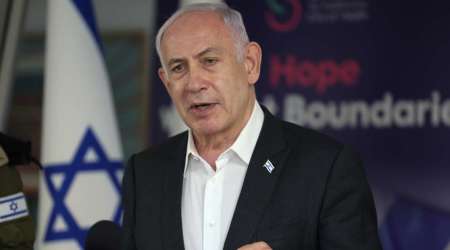
Mohammad Bagher Zolghadr, secretary of Iran's Supreme National Security Council and a commander in the Revolutionary Guard, said the US must change its approach before Iran allows the strait to reopen.
Iran's state broadcaster carried his statement, which called for Washington to stop threatening Iran and permanently end the war with Iran and its armed allies in the region.
Reopening of Strait of Hormuz depends on US 'fully accepting Iran’s conditions' — IRGC spox Mohebi
— RT Intl (@RT_on_X) August 8, 2026
'The Strait of Hormuz is not just a waterway for [Iran] now, but rather component of strategic and geographic strength' pic.twitter.com/FarGJJlzhH
The demands also include lifting the US naval blockade of Iranian ports, withdrawing American forces from the region, compensating Iran for war damage, ending sanctions and releasing frozen Iranian assets.
The latest warning could complicate efforts to reach an agreement over the waterway, particularly because the US has wanted an acceptable deal on the strait before ending its blockade.
Iran-Oman talks near final stage, but strait remains closed
Iranian Foreign Minister Abbas Araghchi said Saturday that negotiations with Oman were “approaching the final stages.”
However, he was quick to make clear that this did not mean ships would immediately be allowed to pass through the Strait of Hormuz.
“This is not a sign of the reopening of the Strait of Hormuz,” Araghchi said.
Iran FM Araghchi Says Hormuz Reopening Hinges On U.S. Honoring the WHOLE MoU
— Ryan Rozbiani (@RyanRozbiani) August 8, 2026
Abbas Araghchi:
"We're talking about a temporary route, we're pretty close to a conclusion. Defining this path between Iran and Oman doesn't necessarily mean the Strait of Hormuz will REOPEN. That… pic.twitter.com/GgvPhD4XZw
He added that reopening the waterway would depend on other conditions, including compensation for what Iran described as a violation of the June memorandum of understanding between the two countries.
The Revolutionary Guards also sought to separate the Oman negotiations from the actual reopening of the strait.
“The opening of the Strait of Hormuz has its own mechanism and has nothing to do with the negotiations between Iran and Oman,” it said.
The statement added that the US would have to accept Iran's conditions and stop interfering in the ongoing negotiations.
US blockade has already redirected 53 ships
The warning comes as the renewed US blockade continues to affect shipping around Iranian ports.
US Central Command said the blockade has so far redirected 53 commercial vessels trying to enter or leave Iranian ports.
That figure is two more than the previous day's total. The blockade was reinstated on July 14 after Iran targeted ships in the strait and a ceasefire between the two sides collapsed.
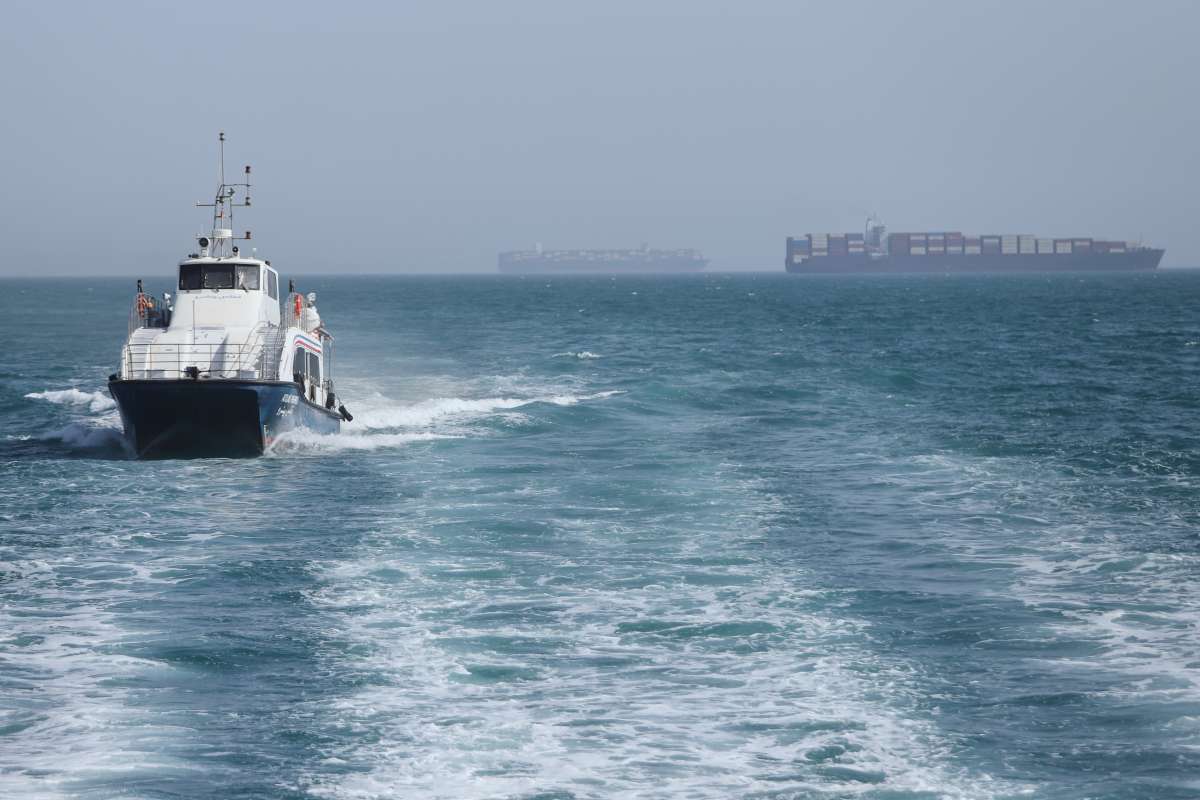
The current disruption follows an earlier blockade that redirected more than 140 ships between April 14 and June 18.
At the same time, Central Command said more than 30 vessels carrying humanitarian aid have been allowed through, although the military does not regularly release that figure.
The US had not immediately commented on Iran's latest statement.
Under the interim agreement reached in June, plans for lifting sanctions and possible compensation were expected to form part of a final deal, while negotiations would also address frozen Iranian assets.