Israel-Hezbollah ceasefire takes hold after deadly final hours of fighting
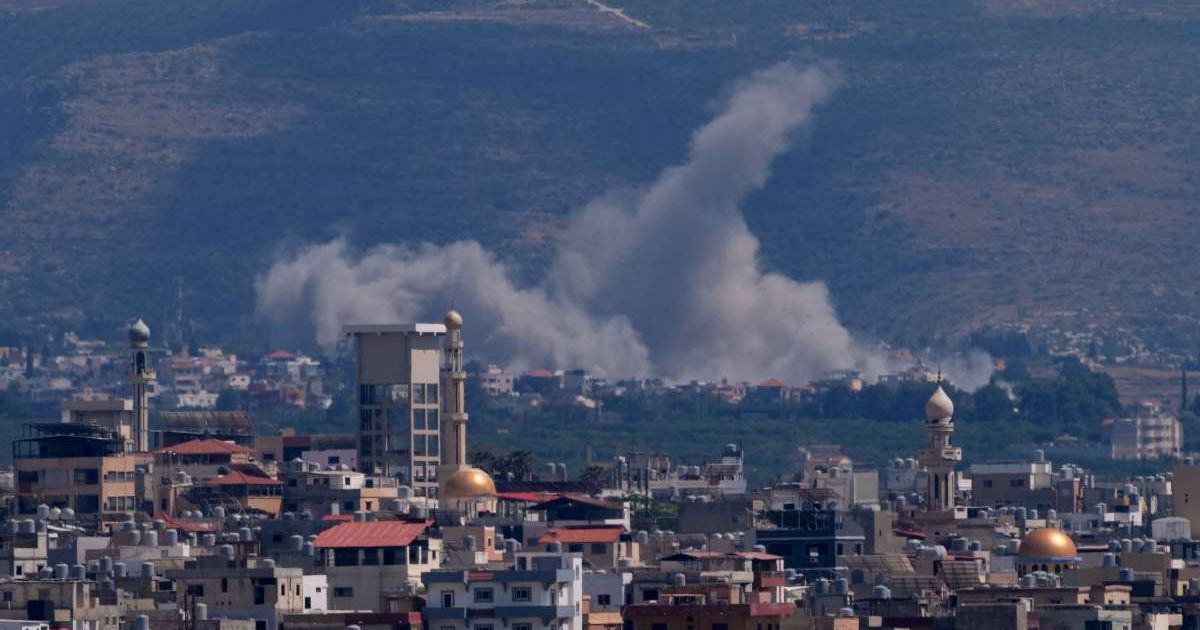
TEL AVIV, ISRAEL: After months of escalating violence and one last wave of deadly attacks, a ceasefire between Israel and Hezbollah officially came into effect on Friday, June 19, bringing a halt to one of the region's most destructive confrontations in recent months.
The truce follows intense diplomatic efforts tied to the recently signed US-Iran agreement and arrives after both sides exchanged heavy strikes that left dozens dead just hours before the guns fell silent.
NEW: Israel and Hezbollah renew a ceasefire after an outbreak of fighting threatened to derail peace talks between the U.S. and Iran. @Max_Gorden reports. @DanaPerino l @FoxNews pic.twitter.com/DoDY1ZxfYW
— America's Newsroom (@AmericaNewsroom) June 19, 2026
Ceasefire begins after deadly escalation
A US official confirmed that Israel and Hezbollah had accepted a ceasefire arrangement that took effect at 4 pm local time on Friday.
The agreement came only hours after one of the bloodiest periods of the conflict, underscoring how close the region remained to further escalation before the truce was finalized.
In southern Lebanon, health authorities reported that at least 18 people were killed following overnight Israeli strikes. At the same time, Israel announced that four of its soldiers had died during ongoing operations linked to the conflict.
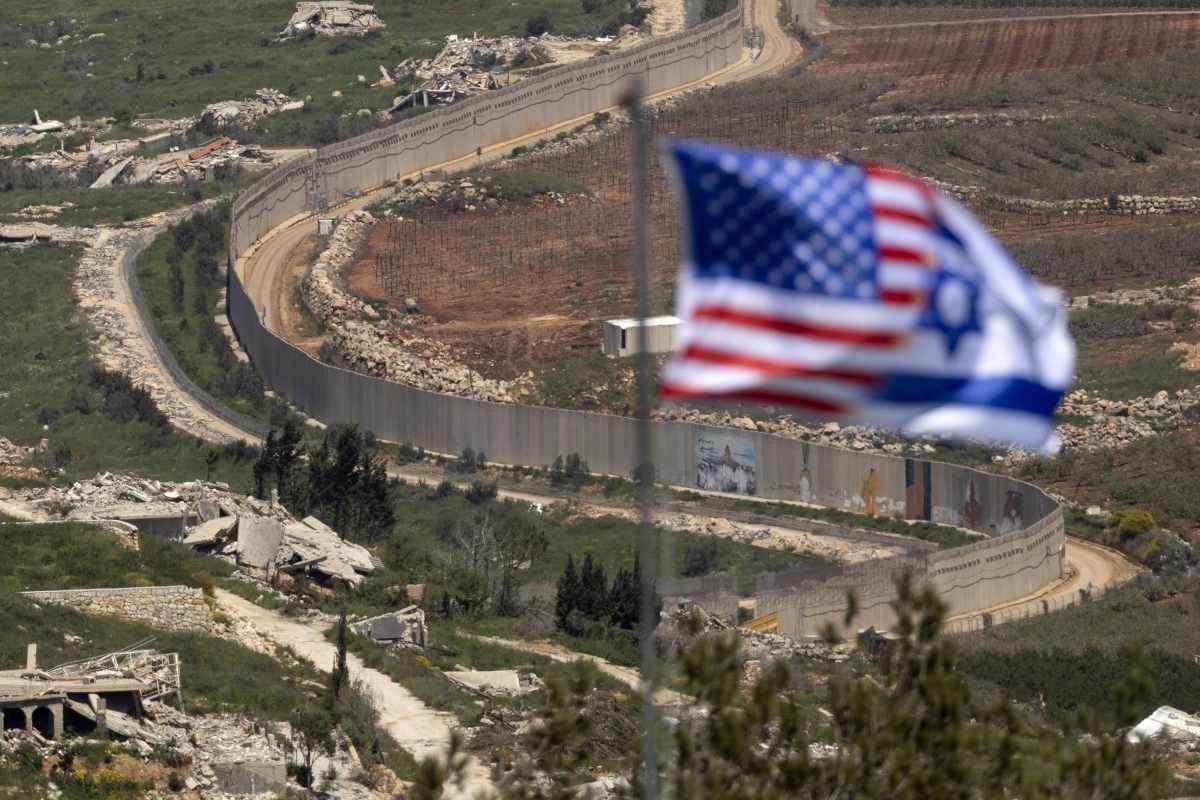
Before the ceasefire came into force, the Israeli military said it had carried out attacks on dozens of Hezbollah-linked sites and claimed multiple fighters from the Iran-backed group were killed.
The operations represented a final surge of military activity before both sides agreed to stop active hostilities. Despite the ceasefire, Israeli officials emphasized that military forces remain on alert.
IDF spokesperson Brig Gen Effie Defrin stated that while a ceasefire is now in place, Israel remains prepared to resume operations if circumstances require it.
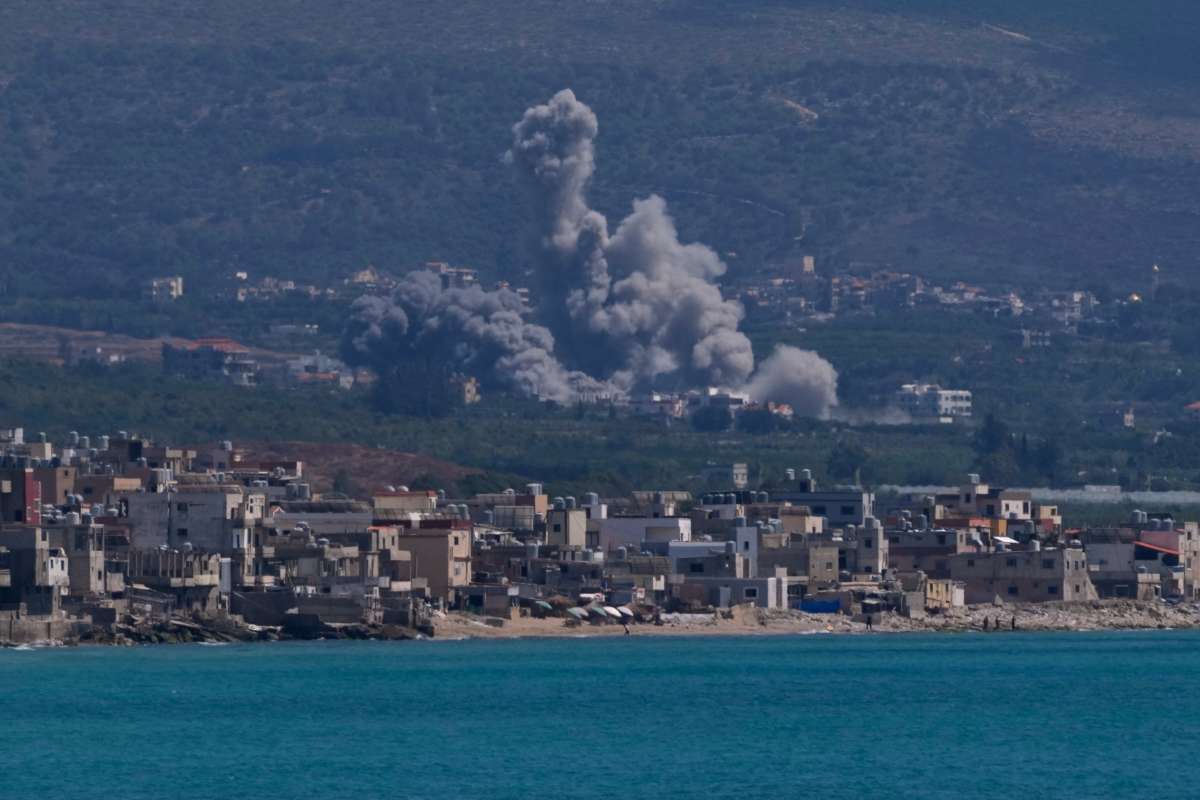
Fighting left thousands dead and injured
The agreement marks a potentially significant turning point after months of fighting that displaced large populations, devastated communities and raised fears of a broader regional war.
Lebanon became deeply involved in the wider regional conflict earlier this year after Hezbollah launched attacks against Israel following developments involving Iran.
Israel responded with an extensive military campaign that expanded beyond border exchanges and eventually included large-scale strikes across Lebanese territory.
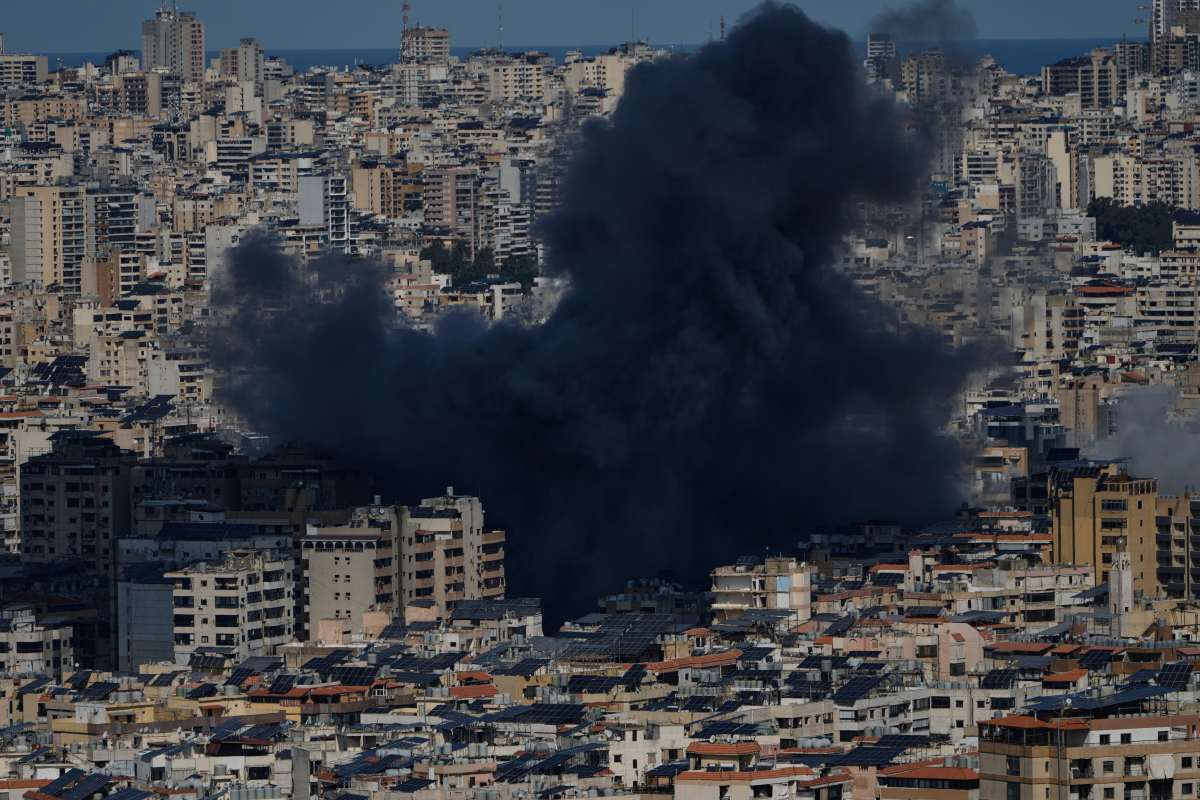
According to Lebanese authorities, thousands of people have been killed since the latest round of fighting began, while many more have been injured.
Entire communities in southern Lebanon suffered extensive destruction, and large numbers of residents remain unable to return home.