'It'll all go to hell': Trump defends his $5,000 pledge with a swipe at Democrats
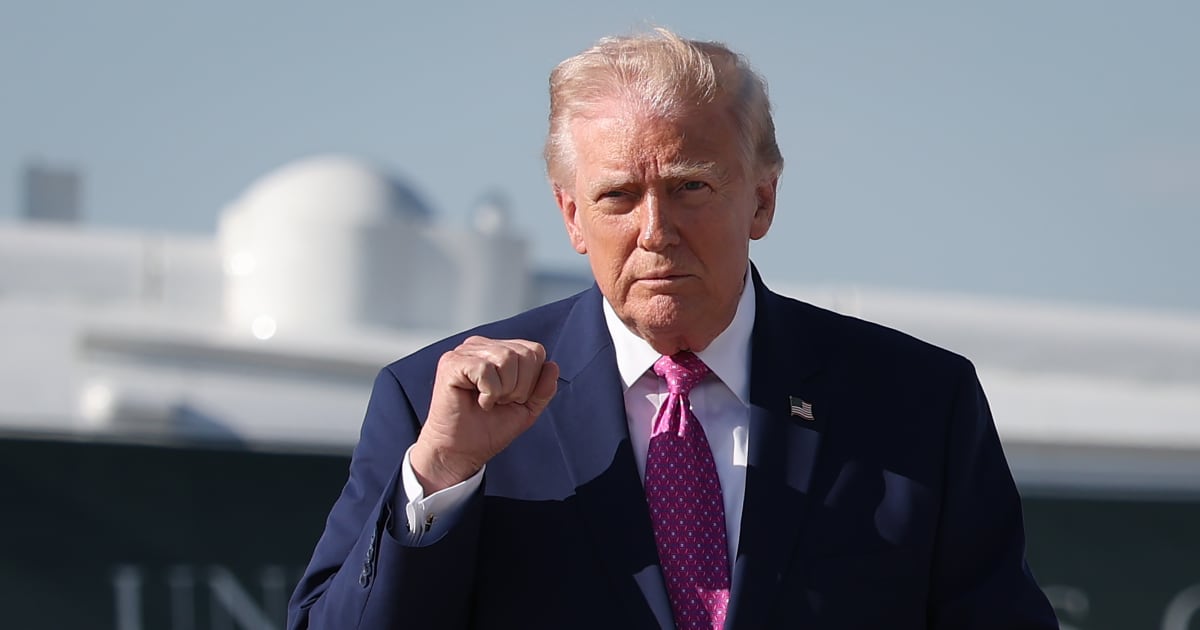
DUBLIN, IRELAND: President Donald Trump defended his $5,000 pledge to US adults on Sunday, September 13, saying Republicans could “easily handle” the payments while attacking Democrats’ ability to deliver.
Trump said the proposed dividends would be funded because his administration is taking in “so much money,” despite questions over congressional approval.
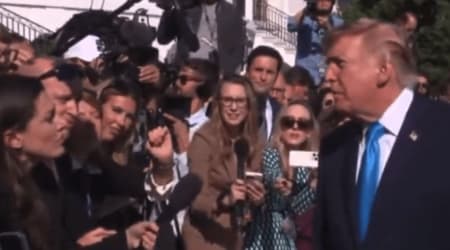
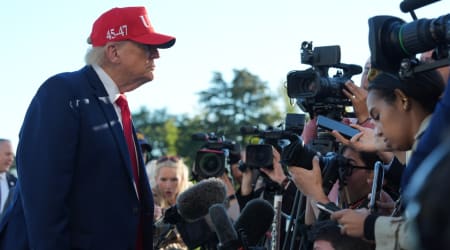
The president made the remarks while speaking with reporters during his two-day visit to Ireland, where he was attending the Irish Open.
Q: Do you expect Congress would need to approve the $5,000--
— Aaron Rupar (@atrupar) September 13, 2026
TRUMP: I don't know, but it's easy enough. It's $5,000 to all adults in the country, and we can easily handle that because we're taking in so much money pic.twitter.com/PmSgSgibAq
Trump says Republicans can handle the proposed payments
Asked whether Congress would need to approve the $5,000 payments, Trump said Republicans could make the plan work if they retain control of both chambers in the midterm elections.
“But it's easy enough that the Republicans win, as you said,” Trump said. “It's $5,000 to all adults in the country, and we can easily handle that because we're taking in so much money.”
He then contrasted the proposal with Democrats, saying, “The Democrats can't make that pledge because it'll all go to hell right away.”
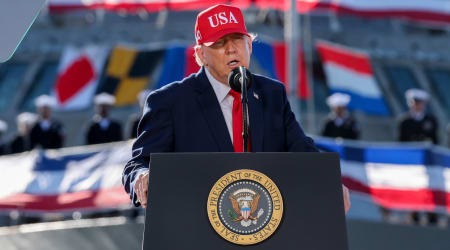
Trump announced the so-called “Trump dividends” during the first night of the Republican National Committee’s midterm convention in Dallas, as per a report by The Hill.

He also said that the payments would reflect his administration’s “tremendous economic success.”
He compared the payments to a company distributing cash to shareholders and said the money “must be spent” inside the country.
Legal experts question whether Trump can spend the money
The proposed payments face a question over whether Trump can authorize the spending without Congress.
Paul Berman, a George Washington University Law School professor, said, “It’s not something that the president can unilaterally do,” as per the outlet.
.@POTUS on Trump Dividends: "We've taken in trillions of dollars in tariffs and other things. We have now over $20 trillion worth of manufacturing plants and other investments being made... We think it's something that's really good, popular — and it's a great infusion." pic.twitter.com/CKlbQB7WPO
— Rapid Response 47 (@RapidResponse47) September 10, 2026
Congress has appropriating power, meaning the executive branch cannot spend public money unless lawmakers have specifically set aside funds, the report said.
Sen Bernie Moreno, R-Ohio, has said he would introduce legislation to make the dividends a reality, but Trump has said he does not think it is needed.
“The country is doing so well. We’ve taken in trillions of dollars in tariffs and other things,” Trump told CBS News when asked about congressional approval.
Tariffs have generated roughly $341 billion in net revenue since the start of 2025, according to Treasury Department data cited by the Bipartisan Policy Center.
The Trump administration has also been ordered to refund roughly $166 billion after the Supreme Court struck down its sweeping global tariffs in February.
Berman said the tariff revenue would not solve the congressional spending issue. “First of all, there isn’t enough tariff revenue to cover this,” he said. “Even if there were, that’s money that goes back to the public fisc, and then Congress is the one that has the power of the purse to allocate it.”
Trump's $5,000 plan faces questions over election rules
The condition that Republicans retain control of Congress has prompted criticism over whether the proposed payments could amount to an unlawful quid pro quo, as per the Hill report.
Federal law makes it illegal to offer or receive money or anything of value in exchange for voting or withholding a vote, it said.
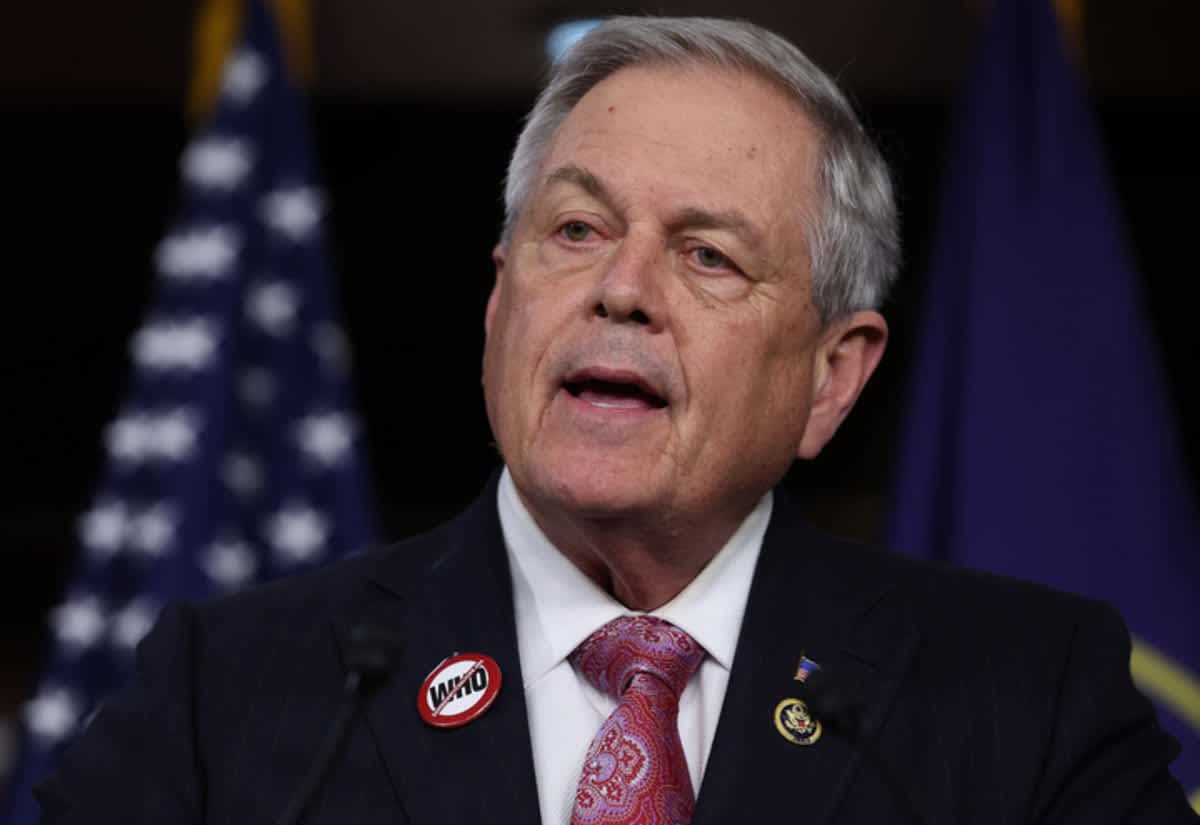
Rep Jim McGovern, D-Mass, called the proposal an attempt to “bribe people for votes,” while Rep Ralph Norman, R-SC, cited “serious concerns” about how it would be paid for.
Former Rep Bob Good, R-Va, called it a “socialist-vote buying scheme.”
The Supreme Court held in a 1982 case that broad campaign promises to confer benefits on voters as taxpayers, citizens or members of the general public are constitutionally protected speech.