'Jaws of economic death': Scott Bessent reveals what comes next for Iran

WASHINGTON, DC: Treasury Secretary Scott Bessent said Iran is in the “jaws of economic death” as the Trump administration prepares to sanction more banks supporting Tehran.
Bessent said the campaign is entering what he called the “end game,” with allies joining efforts to cut Iran off financially.
He made the remarks on Friday, September 4, during an appearance on Steve Bannon’s ‘War Room’, while discussing the administration’s economic pressure campaign.
FULL INTERVIEW: Treasury Secretary Scott Bessent joins Steve Bannon on WarRoom to break down the blowout jobs report, the Trump economic plan, manufacturing, Iran, AI and data centers.
— Grace Chong, MBI (@gc22gc) September 4, 2026
Watch the full interview: pic.twitter.com/x1Gy2HVR04
Treasury targets Iran's financial lifelines
Bessent said the administration would sanction another bank on Friday and likely another the following week, warning financial institutions supporting Tehran that “it’s over.”
He pointed to a Dubai-based operation involving an Egyptian bank that he said had provided $1.8 billion to the Iranian regime.
Last week, Bessent said Treasury sanctioned the bank’s five branches in Dubai.
“We are going to economically suffocate them,” Bessent said, citing Iran’s collapsing currency and what he described as zero oil exports.
“Either the regime is going to change within,” he said, “the people are going to come up, or you know we'll see what happens.”
“Their currency is collapsing,” he said. “You know they're in what I call the jaws of economic death. The currency is collapsing, and they have zero oil exports.”
Bessent said the administration is also working with the United Arab Emirates to stop illicit financing and plans to work with countries whose banking systems contain institutions tied to Iran.
“The countries are now all on board,” Bessent said. “It is the end game for this regime. They can either normalize or face the consequences.”
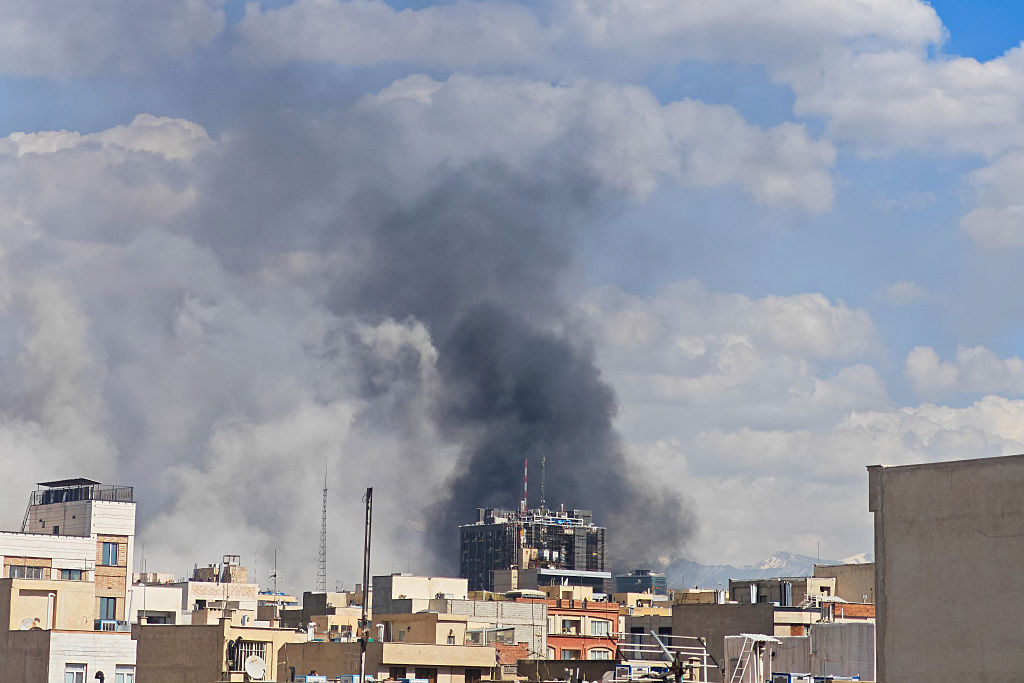
The Treasury secretary described the broader campaign as an isolation effort backed by US allies.
He said European and Gulf allies were increasingly supporting the effort to cut off Iran’s economic connections.
The pressure campaign has multiple fronts
Bessent said the financial campaign follows six weeks of military strikes that he claimed destroyed parts of Iran’s navy, air force, missile and drone capabilities, as well as factories that could replenish them.
He also pointed to what President Donald Trump calls the “iron wall blockade,” saying Iran had moved “zero barrels” of oil in the past month and a half except for oil allowed to move toward China under a memorandum of understanding.
Bessent on Iran:
— Clash Report (@clashreport) September 4, 2026
Either the regime is going to change within, the people are going to come up, or we will see what happens. pic.twitter.com/UoLu0Ygm12
“We know who you are, you know who you are, it’s over,” Bessent said of financial institutions that continue supporting Tehran.
The Treasury secretary has also warned that the administration can target Iran’s outside support network across airline, maritime and digital asset sectors.
He said Treasury, the State Department and DOJ teams were conducting talks with countries and others supporting the regime.
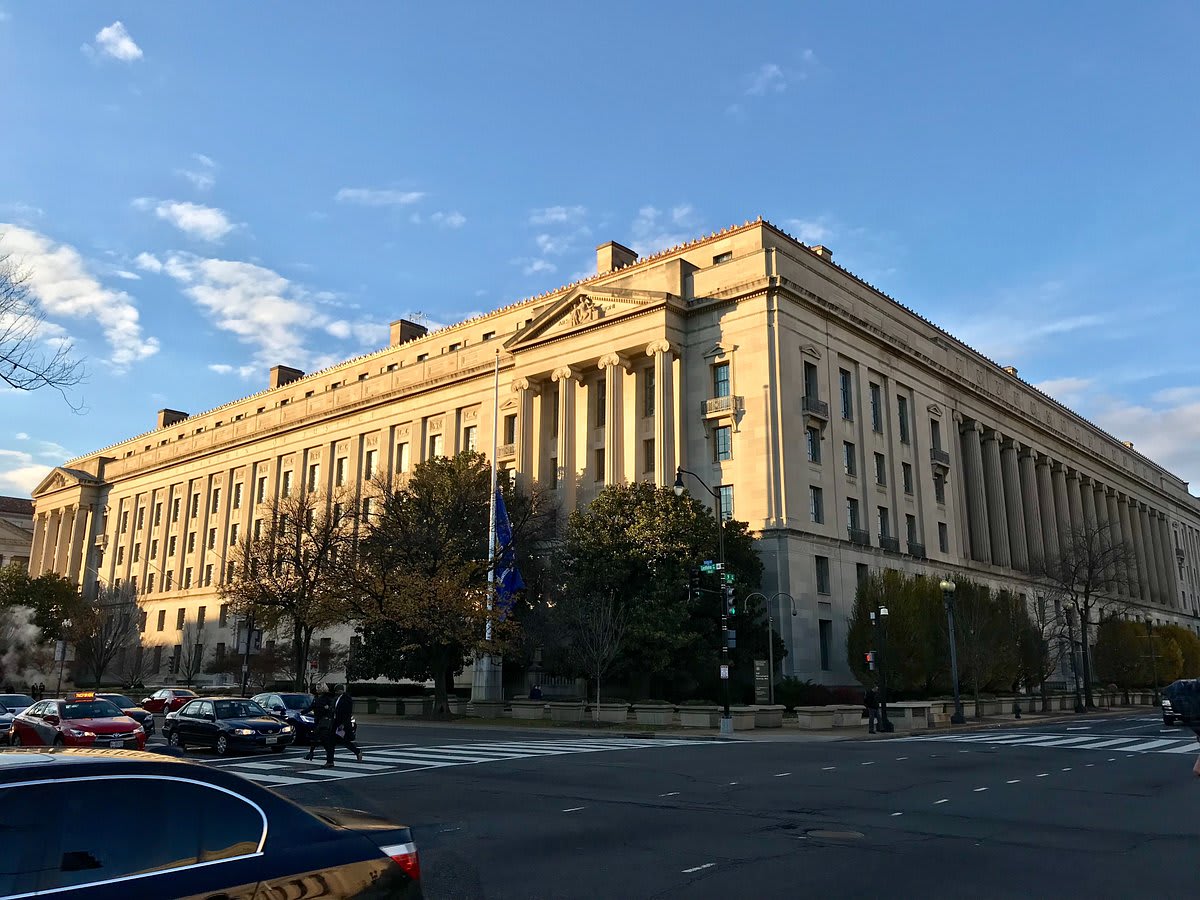
“We are going to systemically go through and take every bad actor like that out,” Bessent said.
Iran’s economic distress remains central
In earlier remarks, Bessent also cited hours-long gas lines, inflation above 100% and Iran’s inability to pay its troops.
The White House has separately said sanctions have contributed to rampant inflation and a major loss in the value of Iran’s currency, while US officials have described the Iranian financial system as “one big house of cards.”
The administration’s economic strategy comes as Iran remains under pressure from military action, the blockade and sanctions.
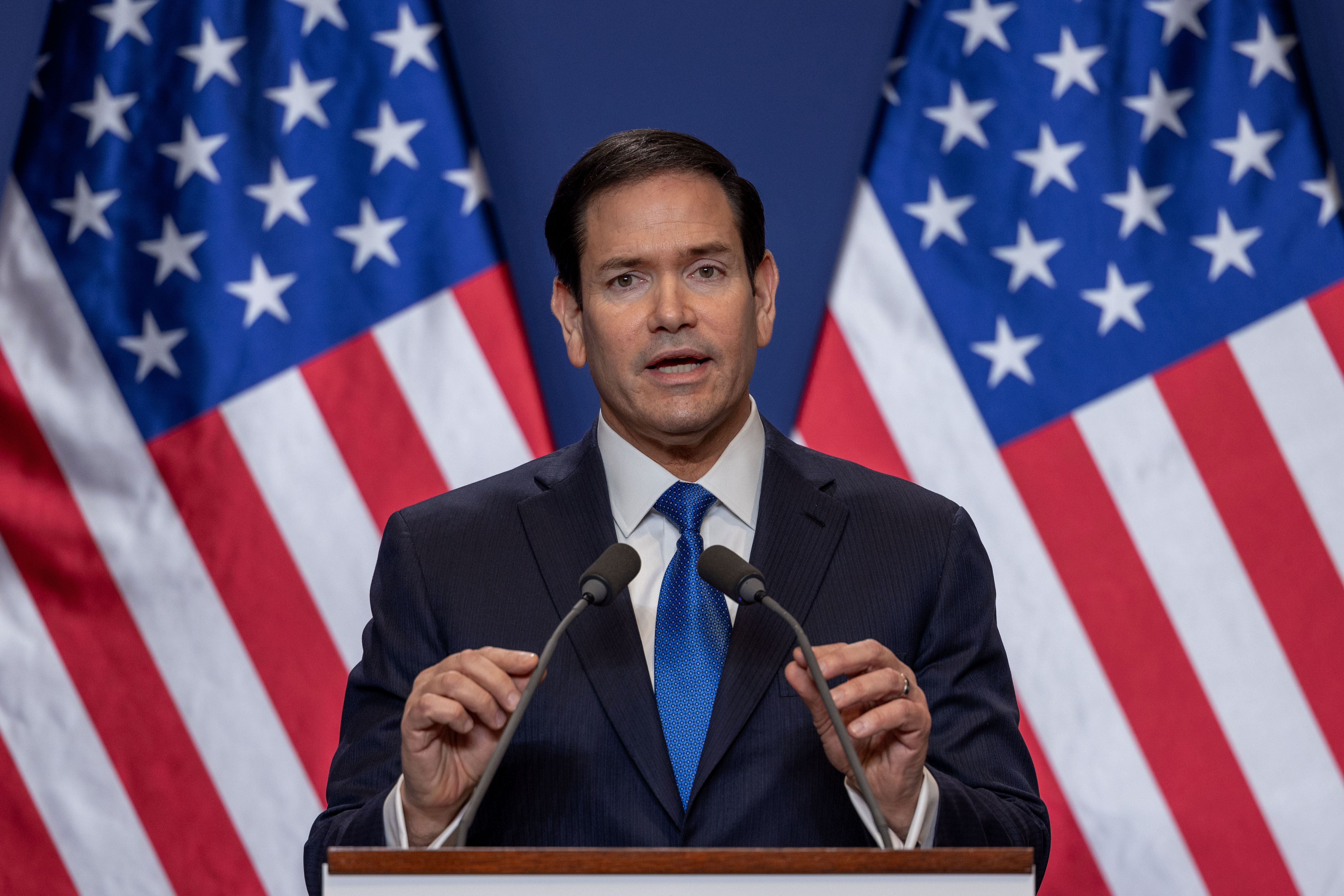
Secretary of State Marco Rubio said Iran would continue to feel the economic pressure while the United States reserved the right to take military action when necessary.