JB Pritzker says Iran 'did not come after us,' blames Trump for war
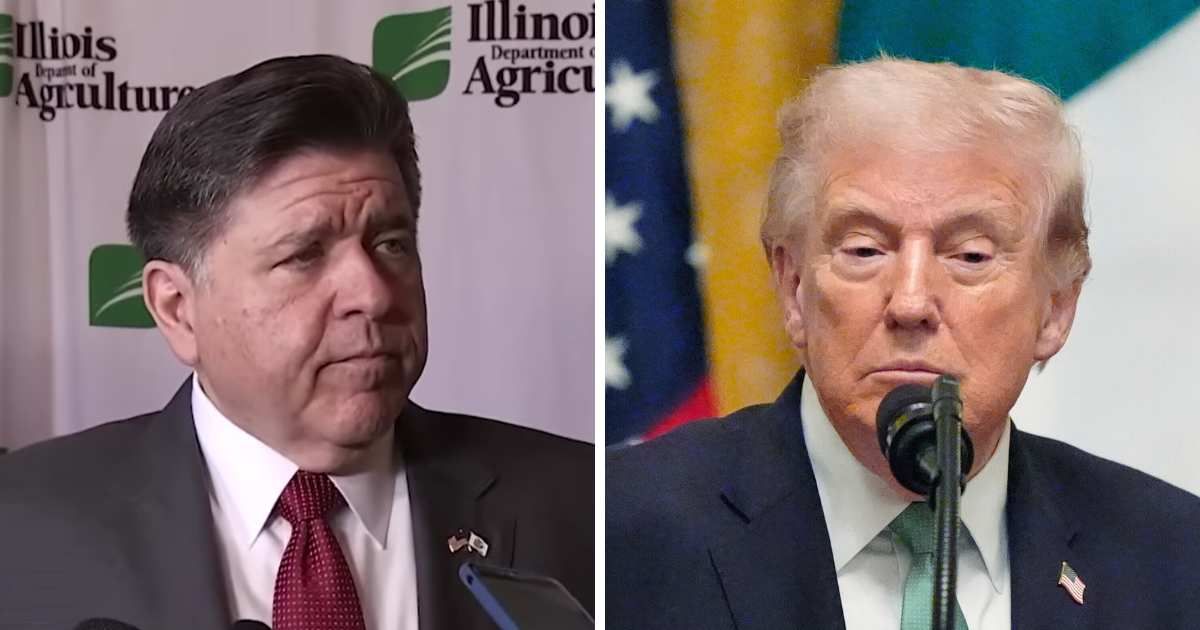
JB Pritzker: “Donald Trump’s the one who decided to go to war with Iran. They did not come after us. It was a decision by him to go after them. We’re now in this war. We need to get out of Iran, we need to get out of that conflict right now” pic.twitter.com/yjQ9L5OimV
— Marco Foster (@MarcoFoster_) March 24, 2026
CHICAGO, ILLINOIS: Governor JB Pritzker strongly criticized the ongoing Iran conflict, linking it to rising costs impacting everyday Americans, while speaking to reporters following his speech at the Illinois Agriculture Legislative Day on Tuesday, March 24.
The United States and Israel launched a joint military operation against Iran on February 28, targeting its military and political establishment over its nuclear enrichment program. Strikes have continued since then, with ongoing heavy casualties reported in and around the Iranian capital.
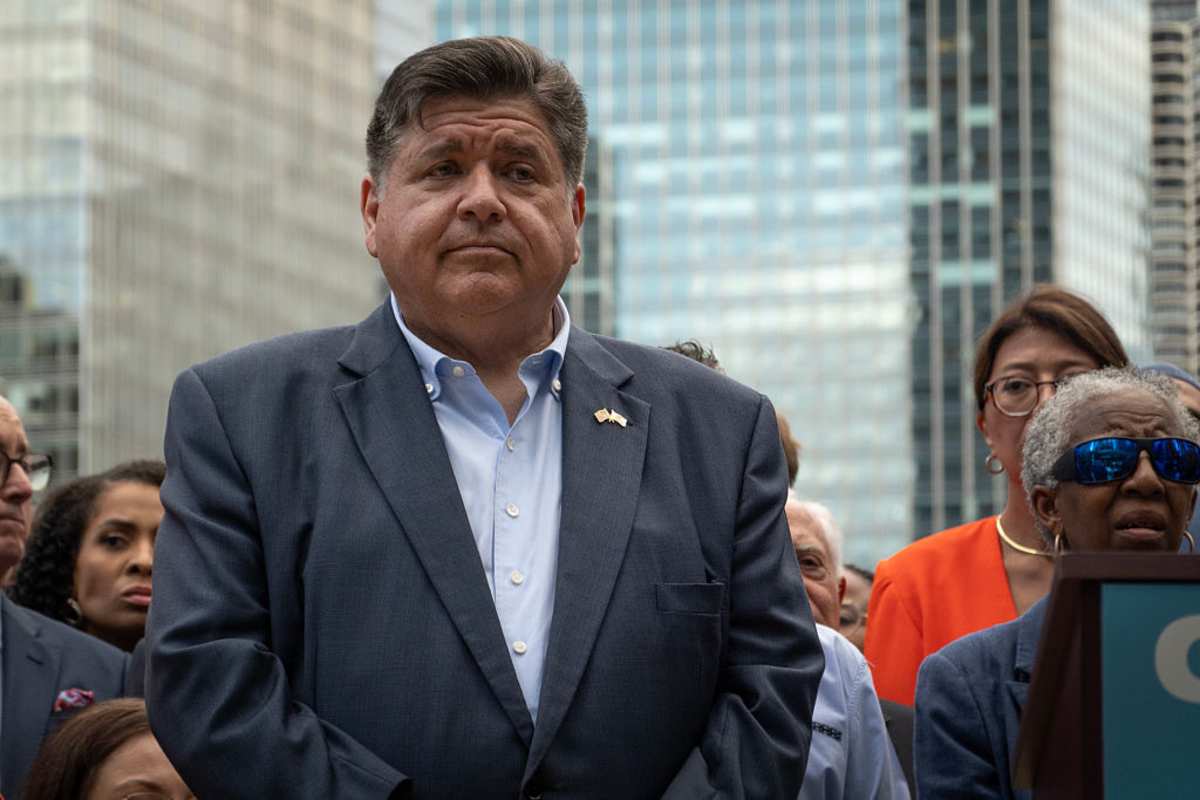
JB Pritzker criticizes Iran War and economic impact
Pritzker condemned the Iran conflict, arguing that Americans are bearing the financial burden while economic conditions worsen. He emphasized that, "People want to pay attention to who it is actually that's paying the lower cost, you know, who it is that's fighting for it, and who it is instead that's causing, on the other side, trade wars that have made it harder and harder to sell the goods."
He continued, "Input cost have gone up, and, as I mentioned earlier, when oil prices and gas prices are going up, it hurts everybody, and especially the people who were here earlier, who have to travel by car, much farther than everybody else in the world right now."
Pritzker then emphasized, "Who's done that? Donald Trump decided to go to war with Iran. They did not come after us. It was a decision by Trump to go after them. And we're now in this war."
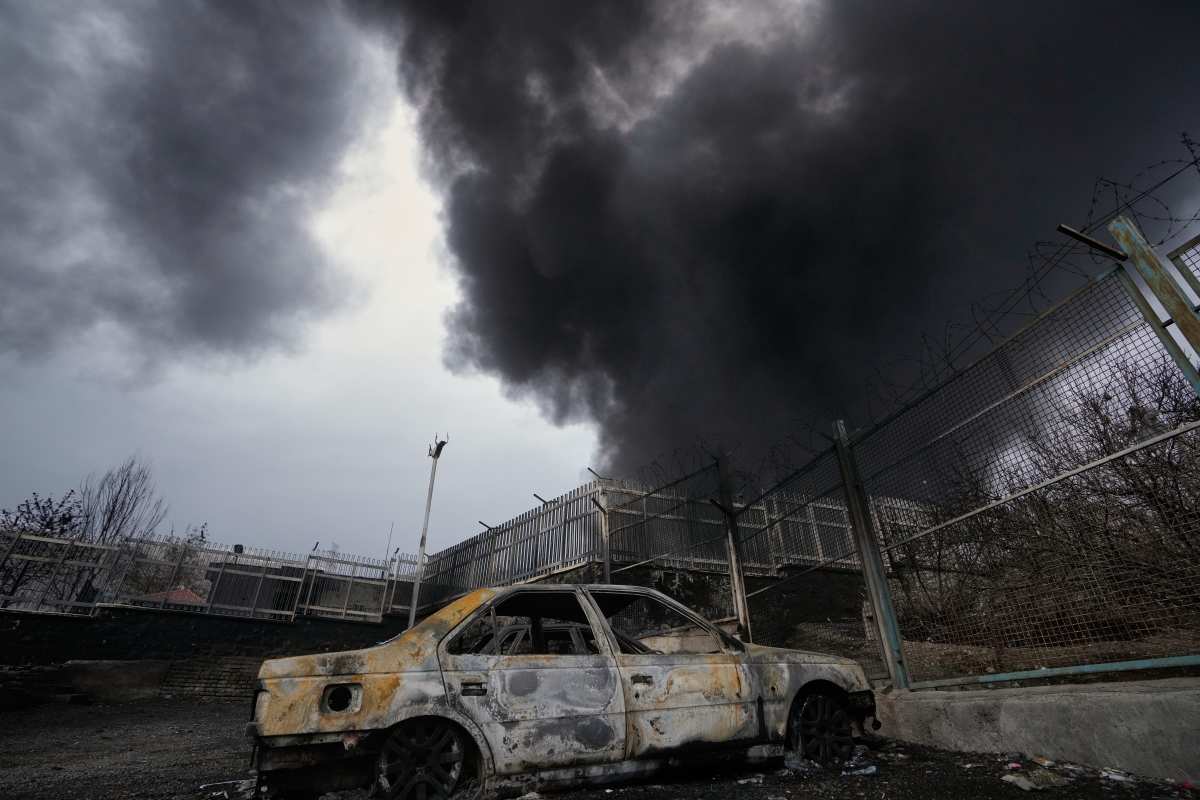
He suggested that, despite claims of negotiations, ongoing attacks indicate a lack of commitment to peaceful resolution. Pritzker further stressed, "We need to get out of Iran. We need to get out of that conflict right now. It's an important decision to make. It's going to hurt our economy. It's going to take us away from the recession that we're in right now."
Iran has effectively restricted the Strait of Hormuz, disrupting nearly 20% of global oil and LNG shipments and pushing oil prices above $100 per barrel. Tanker traffic has dropped sharply, with major shipping firms suspending operations, leaving over 150 vessels anchored outside the strait due to security risks.

Public opinion, costs, and escalating Iran War efforts
Public sentiment reflects growing concern over the conflict. A March 2024 YouGov poll found that President Donald Trump’s handling of the Iran situation remains unpopular, with 36% of Americans approving and 55% disapproving.
These numbers are consistent with previous findings. Additionally, nearly all Americans believe the conflict is driving up gas prices, with 69% saying significantly, 20% say slightly, while almost none believe prices are decreasing.
Expectations about the war’s duration are also clear. About 49% of Americans think Trump will continue the conflict until objectives are achieved, compared to 21% who believe he will withdraw early. Among Republicans, 71% expect the war to continue, while Democrats remain more divided.
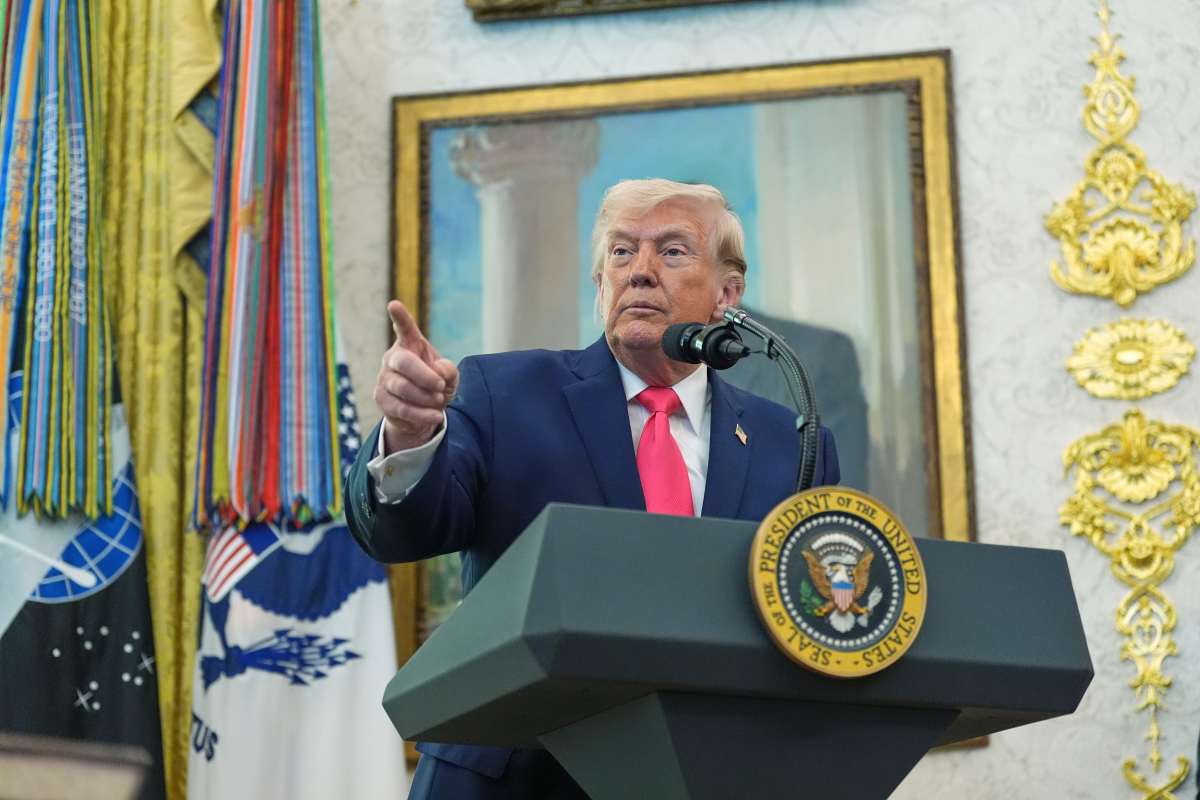
The financial cost of the war is rapidly increasing. Director of the National Economic Council Kevin Hassett reported that the US has already spent approximately $12 billion in the first week of war. The Pentagon has also requested over $200 billion from Congress to fund ongoing operations.
Addressing the situation, Trump described the global environment as “very volatile” and emphasized the need for large ammunition reserves, noting that previous supplies were reduced due to aid to Ukraine.
Secretary of War Pete Hegseth defended the rising costs, stating, “It takes money to kill bad guys.” The intensity of combat was underscored when a US F-35 fighter jet, costing up to $77 million, was struck by suspected Iranian fire during a mission and forced to make an emergency landing.