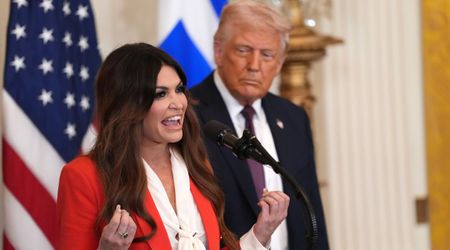
Trump buys Iran 5 days over 'productive' talks Tehran says never happened
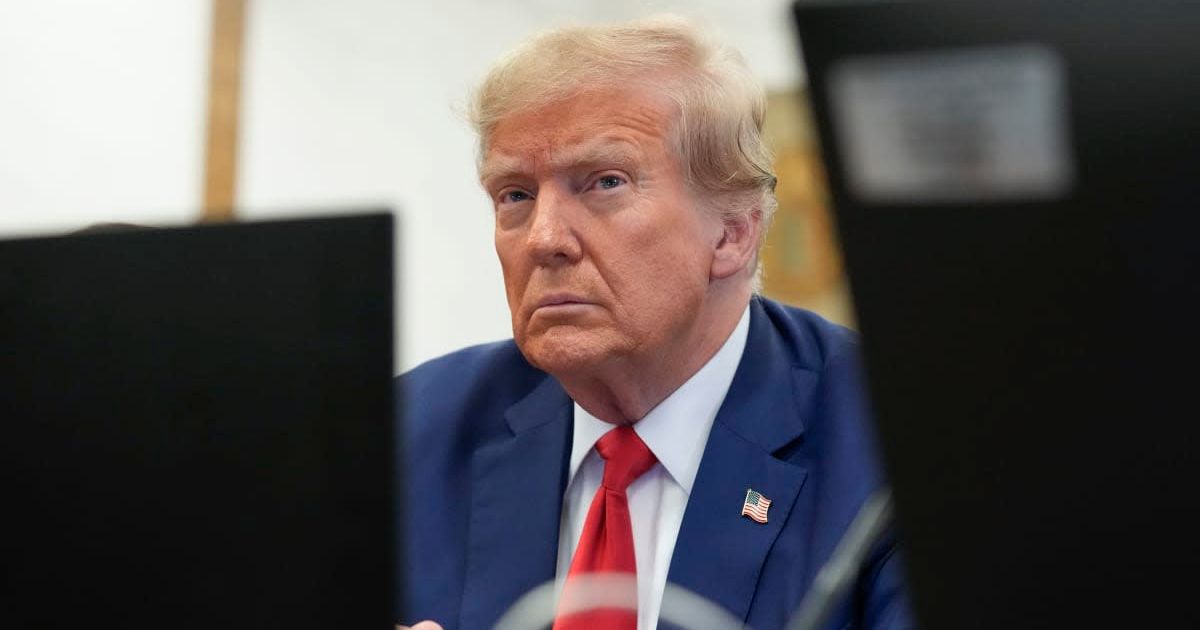
WASHINGTON, DC: President Donald Trump said on Monday, March 23, that he is extending a previously issued 48-hour ultimatum targeting Iran’s energy infrastructure, granting a five-day pause as he cited “very good and productive conversations” with Tehran.
The announcement, made on Truth Social, signals a temporary halt to planned strikes on Iranian power facilities amid the ongoing conflict that began on February 28.
Trump said he directed the Department of War to delay any action against Iran’s energy grid, adding that the decision is “subject to the success of the ongoing meetings.”
The pause comes as global markets remain volatile, with oil prices elevated and shipping disruptions continuing in the Strait of Hormuz.
Tehran denies negotiations as hostilities persist
Despite the president’s statement, Iranian officials have denied that any talks are underway. State-affiliated outlets, including IRNA, reported that the foreign ministry said no negotiations, direct or indirect, have taken place with the United States.
Fars News Agency, which is linked to the Islamic Revolutionary Guard Corps, also rejected claims of communication. Iranian state television described the extension as a shift in US posture, even as military operations continue.
US and Israeli strikes on Iranian targets have persisted, while regional defenses, including those in the United Arab Emirates, have remained active against incoming projectiles, according to local officials.
Threats to Middle East water and power
The announcement follows a period of escalating threats tied to critical infrastructure.
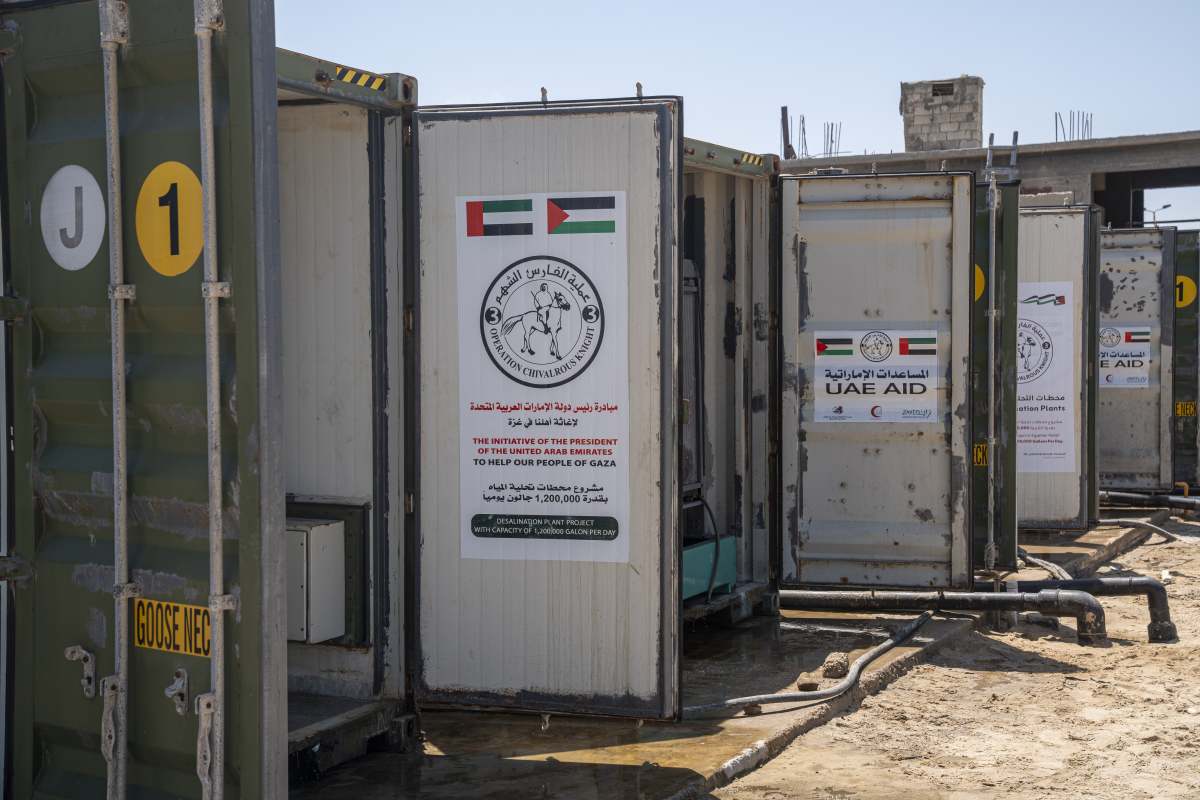
After the initial US warning targeting Iran’s energy network, Iranian officials said that they would respond by targeting key infrastructure across the region, including water and power facilities.
Statements from Iranian sources indicated potential retaliation against economic and energy assets linked to US interests. The exchange of threats came after missile strikes in southern Israel injured more than 100 people, prompting Israeli officials to signal further military action.
The developments have heightened concerns about the vulnerability of infrastructure across the Gulf region, particularly facilities tied to water supply and electricity generation.
Shifting goals and the Hormuz blockade
The administration’s broader objectives in the conflict remain under discussion, with recent statements ranging from limiting military capabilities to broader strategic outcomes.
Trump has also referenced challenges in engaging with Iranian leadership, noting difficulties in establishing direct communication channels.
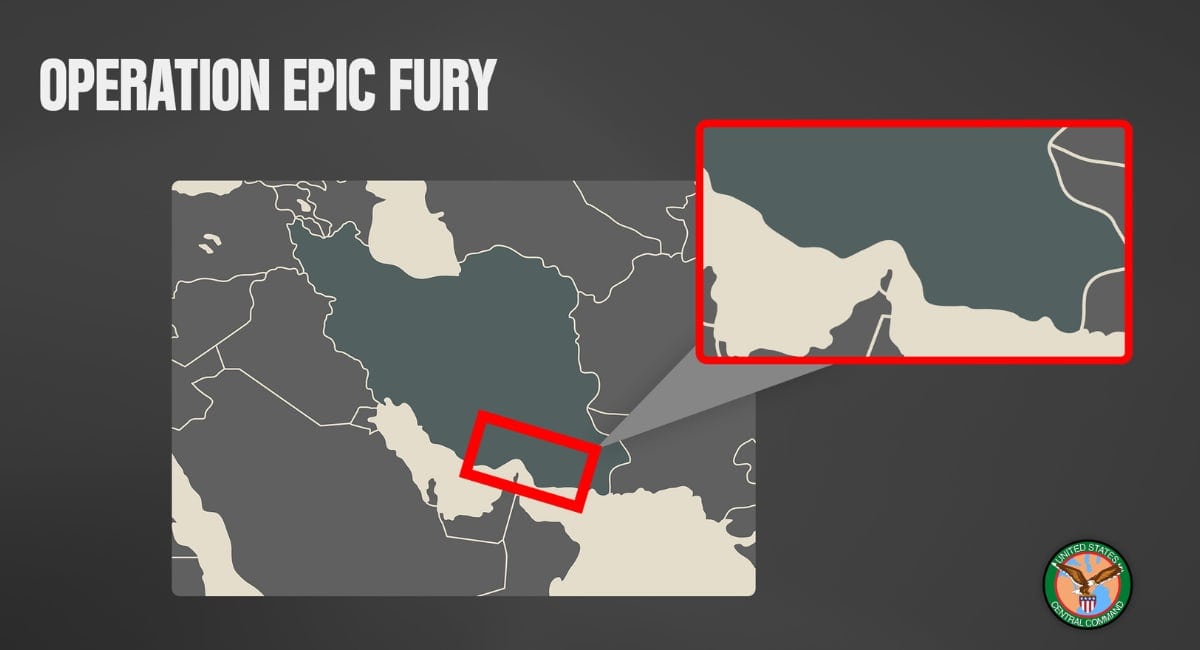
The Strait of Hormuz, a key global transit route for oil and gas, remains partially disrupted, contributing to continued pressure on energy markets. Analysts note that restoring full access to the waterway may require a combination of military and diplomatic measures.

Iran has outlined conditions for de-escalation, including changes to US military posture in the region, though these positions remain far apart from current US policy.
As the five-day window progresses, attention is focused on whether diplomatic engagement will materialize or if military operations will resume at scale.