'Will not hesitate': Iran dangles 'completely closed' Hormuz as Trump threatens power plant strikes
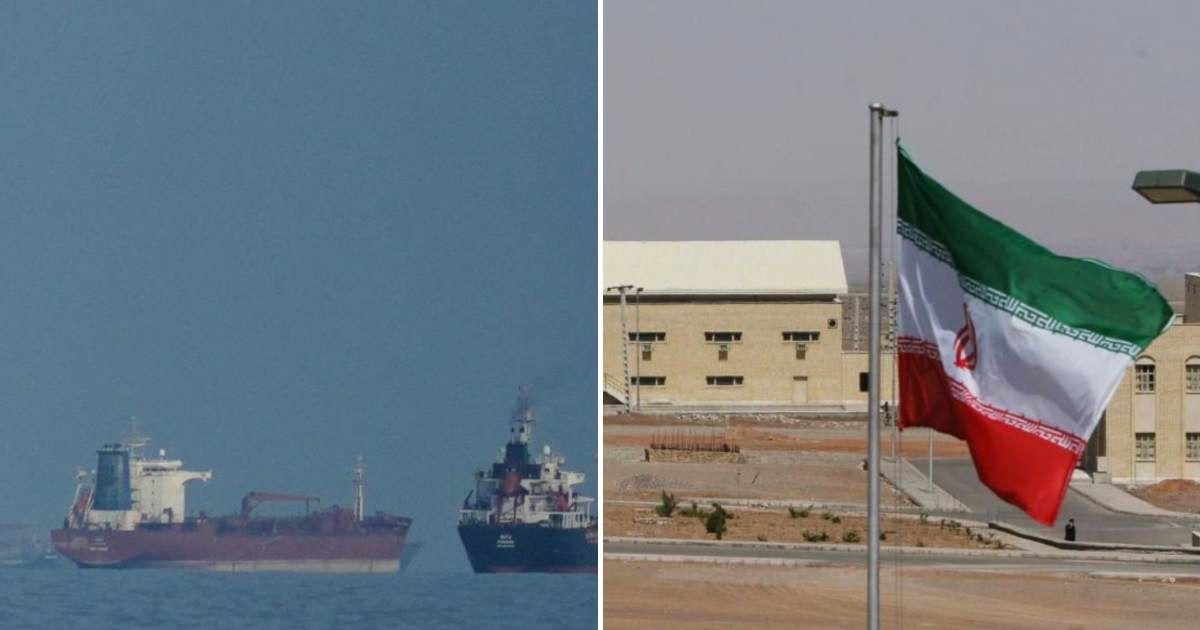
TEHRAN, IRAN: Iran’s armed forces warned on Sunday, March 22, that the Strait of Hormuz could be “completely closed” if the United States carried out threats to bomb Iranian power plants.
The statement follows remarks by President Donald Trump, indicating possible strikes on Iran’s energy infrastructure if the vital shipping route is not reopened within 48 hours.
Iranian officials responded with warnings of retaliation targeting regional infrastructure. The developments come as the conflict between Iran, the United States, and Israel continues into its fourth week.
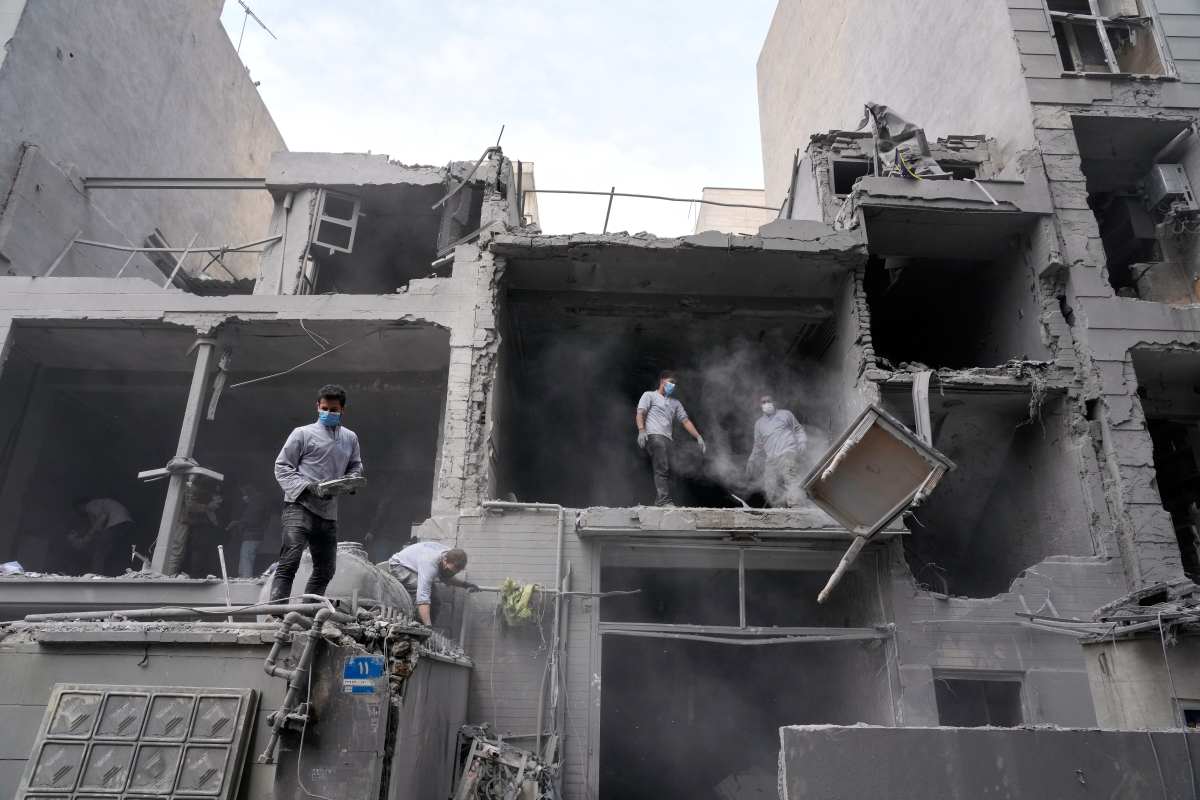
Iran warns of strong response to US threats
Iran’s military headquarters said it was prepared to take significant action if the US threats were implemented.
The military said that if attacks on Iran’s power plants were carried out, the Strait of Hormuz would be “completely closed” and would remain so until damaged infrastructure was rebuilt.
The warning marked the latest escalation in rhetoric surrounding the strategic waterway, which is a key route for global oil shipments. Iranian officials indicated that any expansion of US strikes to include energy facilities would trigger a broader response.
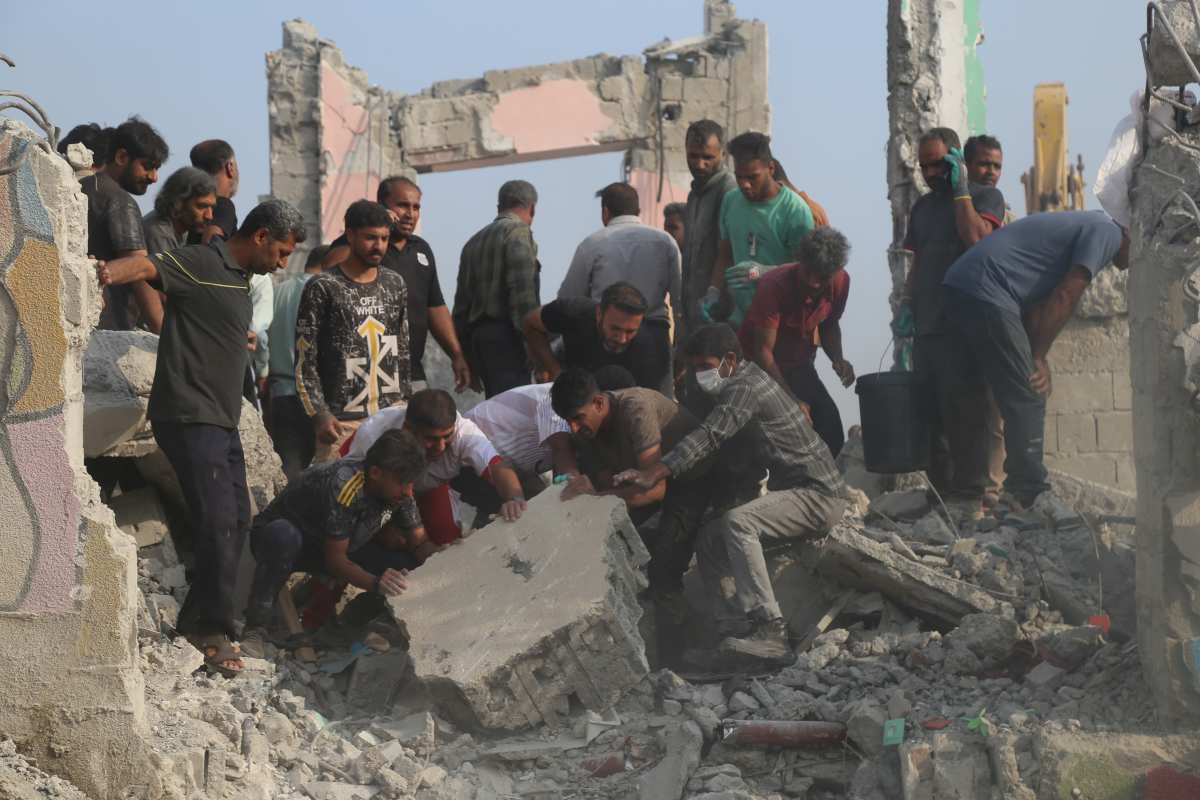
Military spokesperson Ebrahim Zolfaghari said Iran would retaliate by targeting infrastructure used by the United States, Israel, and their allies.
This would include “fuel, energy, information technology and desalination infrastructure,” according to statements carried by state media.
Iran’s First Vice President Mohammad Reza Aref also emphasized the country’s position, stating: “The Islamic Republic of Iran did not start this war, but it will not hesitate in defending its people and its land.”
He added that Iran would "determine when and how this war will end."

Meanwhile, Iranian officials sought to clarify the current status of the Strait of Hormuz.
Ali Mousavi said the waterway remained “open to everyone” except Iran’s adversaries, with some countries such as China, India, and Pakistan reportedly continuing to use the route under certain conditions.
Officials warn of broader regional impact and retaliatory strikes
Senior Iranian figures also warned that attacks on the country’s infrastructure could have far-reaching consequences across the region.
Mohammad Bagher Ghalibaf said energy and oil facilities in the Middle East could be “irreversibly destroyed” if Iranian power plants were targeted.
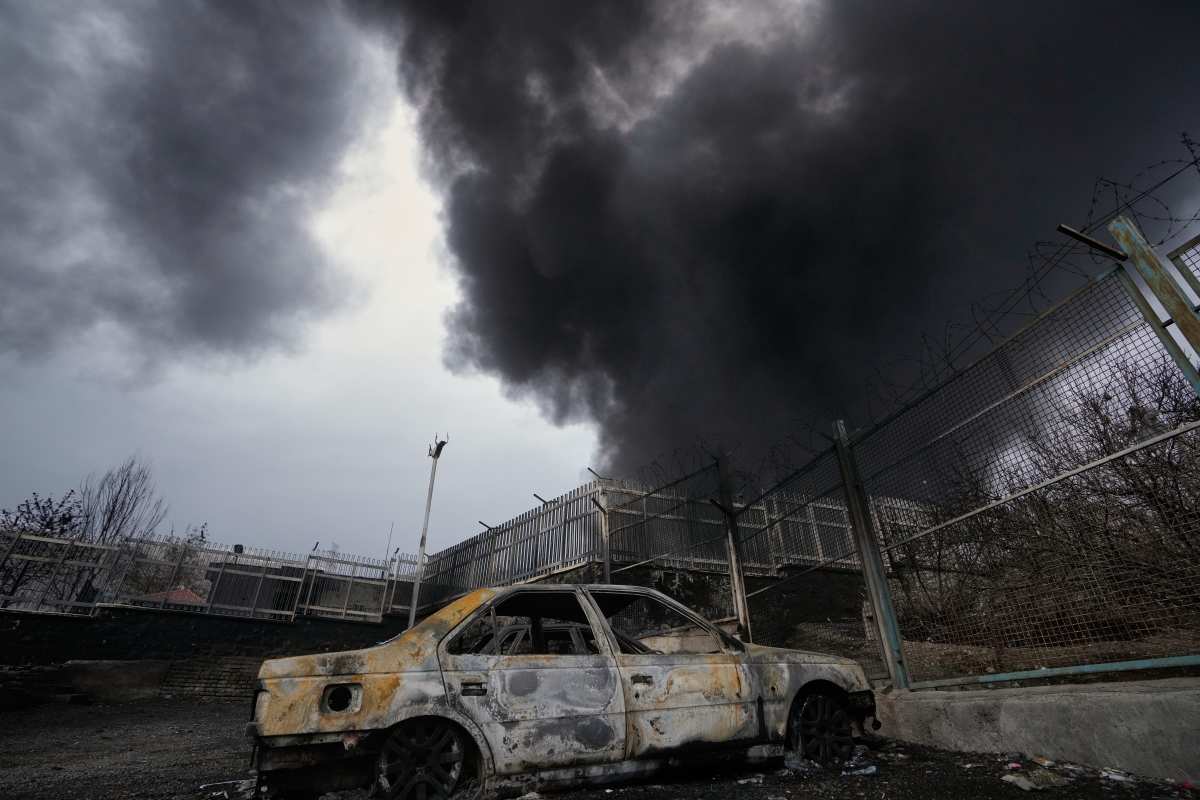
The military headquarters further stated that “the power plants of regional countries hosting US bases will be legitimate targets for us,” signaling potential expansion of the conflict beyond Iran’s borders.
It also warned that Israeli infrastructure, as well as “similar companies in the region with US shareholders,” could be targeted.
Iranian officials framed potential US strikes as a direct threat to civilians. Aref said that targeting energy infrastructure “showed the real target of these policies is directly the Iranian people themselves.”
He added, “Attacking a nation’s vital infrastructure means a direct threat against its people and a clear violation of humanitarian principles and international law.”
The warnings come after Trump said he would “obliterate” Iran’s power plants if the Strait of Hormuz was not fully reopened. The waterway, which carries a significant portion of global oil shipments, has been partially disrupted amid ongoing hostilities.