Trump threatens to ‘obliterate Iran power plants’ if Tehran keeps Hormuz shut for 48 hrs
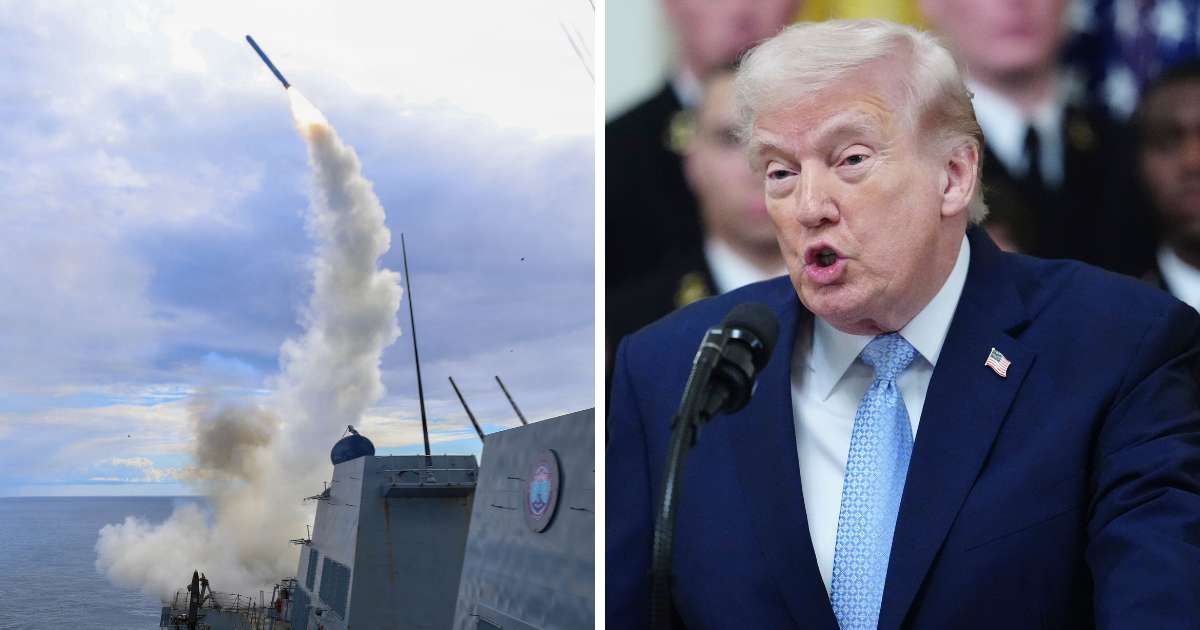
( @realDonaldTrump - Truth Social Post )
— Donald J Trump Posts TruthSocial (@TruthTrumpPost) March 21, 2026
( Donald J. Trump - Mar 21 2026, 7:44 PM ET )
If Iran doesn't FULLY OPEN, WITHOUT THREAT, the Strait of Hormuz, within 48 HOURS from this exact point in time, the United States of America will hit and obliterate their various POWER… pic.twitter.com/4VTtYjplGc
WASHINGTON, DC: President Donald Trump has threatened strikes on Iran’s power plants if the Strait of Hormuz is not reopened within 48 hours.
The escalation comes amid a joint US-Israeli operation targeting Iran’s political and military leadership over its nuclear enrichment program. In response, Iran has blocked the crucial global shipping route, intensifying geopolitical tensions and impacting global energy markets.
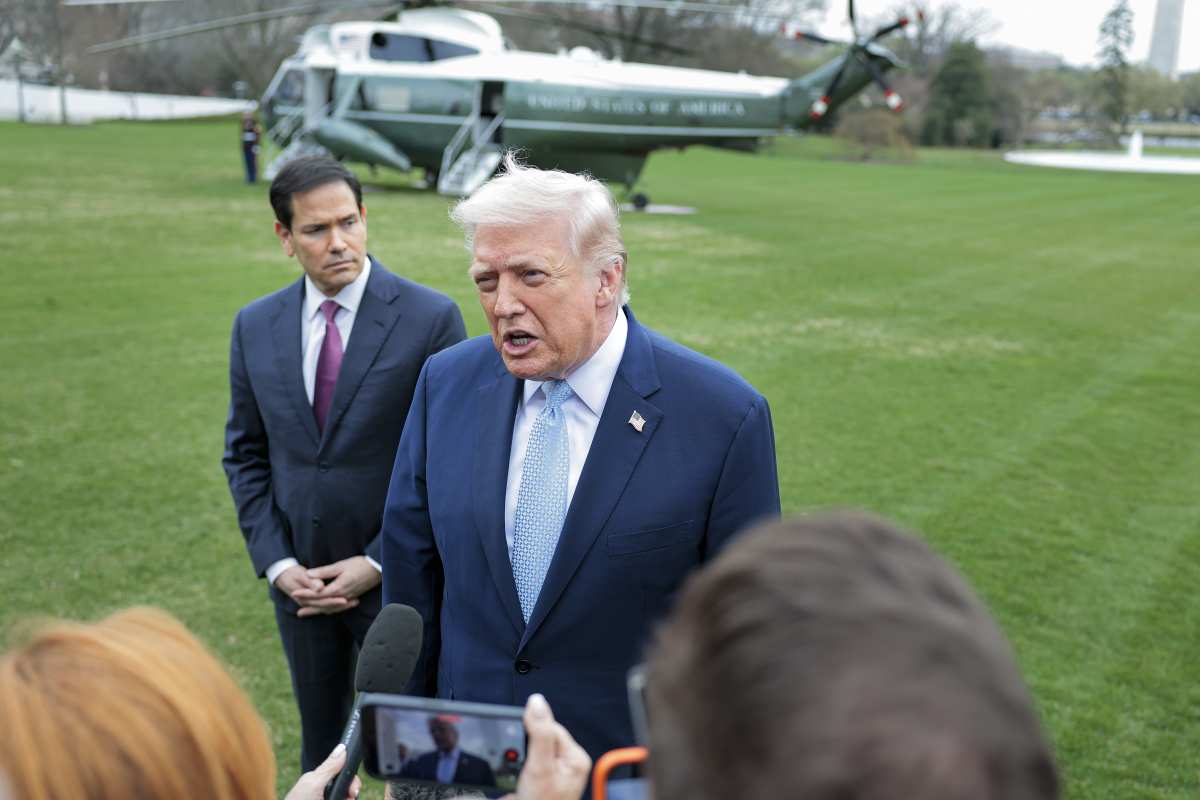
Trump threatens Iran over Strait of Hormuz blockade
Trump made his position clear in a post on Truth Social, stating that "If Iran doesn't FULLY OPEN, WITHOUT THREAT, the Strait of Hormuz, within 48 HOURS from this exact point in time, the United States of America will hit and obliterate their various POWER PLANTS, STARTING WITH THE BIGGEST ONE FIRST!"
Iran's largest power plant, the Bushehr Nuclear Power Plant, is located on the Persian Gulf in southwest Iran. This comes after Iran effectively blocked the strait, one of the busiest oil transit routes in the world, through which about 20% of global oil and liquefied natural gas passes.
According to estimates from the US Energy Information Administration, around 20 million barrels of oil and oil products moved through the strait daily in 2025, representing nearly $600 billion in annual energy trade.
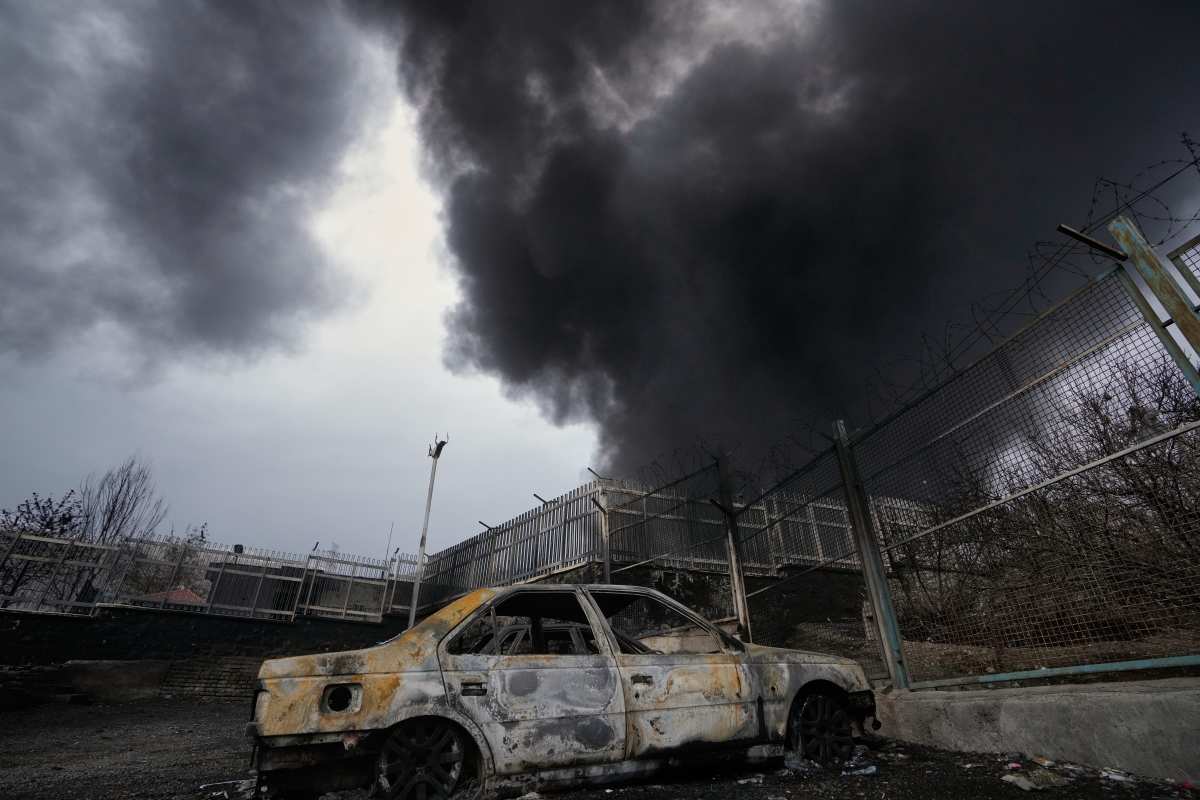
The oil supply includes not only Iran but also other Gulf nations such as Iraq, Kuwait, Qatar, Saudi Arabia, and the United Arab Emirates. The disruption has already sent global fuel prices soaring.
Trump also criticized allied nations, calling them “cowards” for not stepping forward to help reopen the strait. Following these remarks, more than a dozen countries, including the United Kingdom, France, Germany, Italy, Japan, Canada, South Korea, Denmark, Norway, Sweden, and Bahrain, issued a joint statement pledging support to reopen the route.
"We condemn in the strongest terms recent attacks by Iran on unarmed commercial vessels in the Gulf, attacks on civilian infrastructure, including oil and gas installations, and the de facto closure of the Strait of Hormuz by Iranian forces," the statement read.
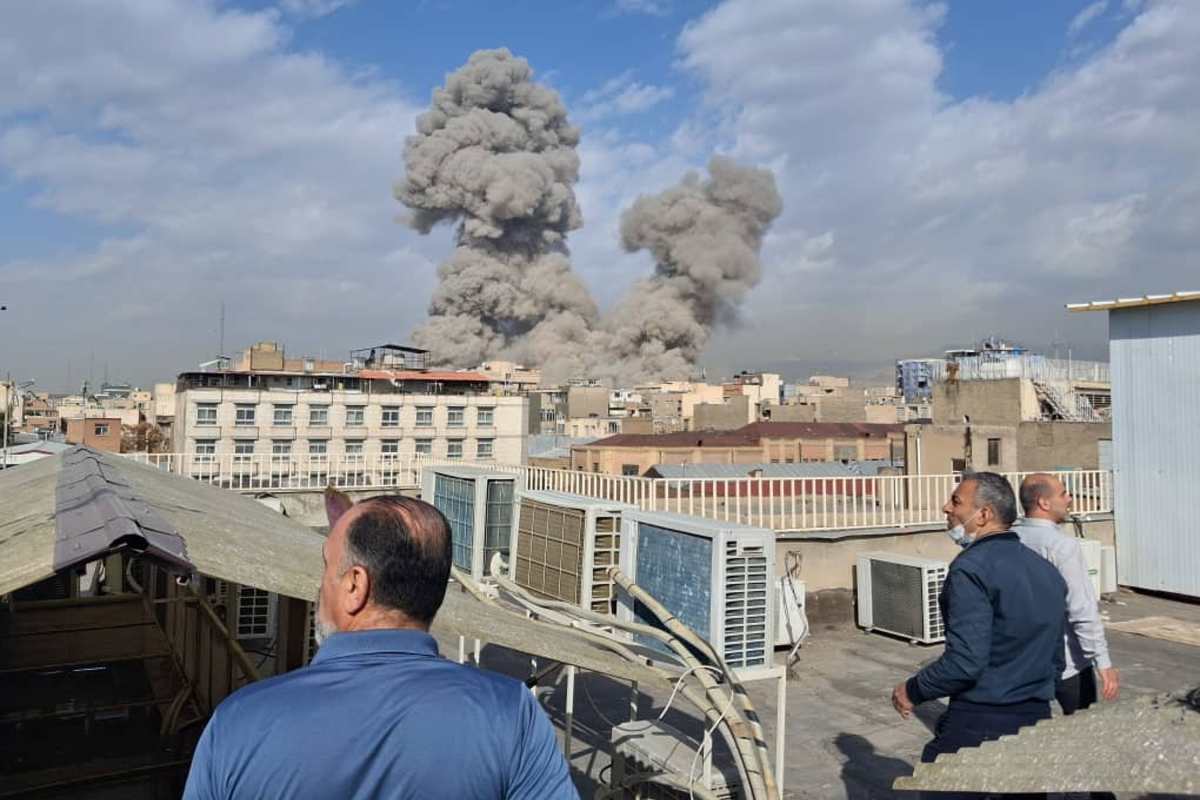
US military buildup in Middle East amid rising tensions
As tensions continue to rise, the United States is increasing its military presence in the Middle East. Thousands of additional Marines and sailors are being deployed, including the USS Boxer amphibious assault ship, its Marine Expeditionary Unit, and accompanying warships.
The unit consists of approximately 2,500 Marines and is being sent about three weeks ahead of schedule. This deployment will add to the roughly 50,000 US troops already stationed in the region and bring a second Marine Expeditionary Unit into the area.
Another unit from the Indo-Pacific is expected to arrive soon. While officials stated that no decision has been made to send troops into Iran itself, the buildup is intended to strengthen operational capacity for potential future actions.

Trump told reporters he was not currently deploying troops into Iran, but added that if he were, he would not disclose such plans. Meanwhile, he claimed significant success in the ongoing conflict, stating that the US has “blown Iran off the map” and achieved its objectives ahead of schedule.
He asserted that Iran’s leadership, navy, and air force have been eliminated and that the country now seeks a deal, which he said he is not interested in pursuing.