Tehran’s naval forces ‘shattered’ after US strikes hit 8,000 targets, officials claim
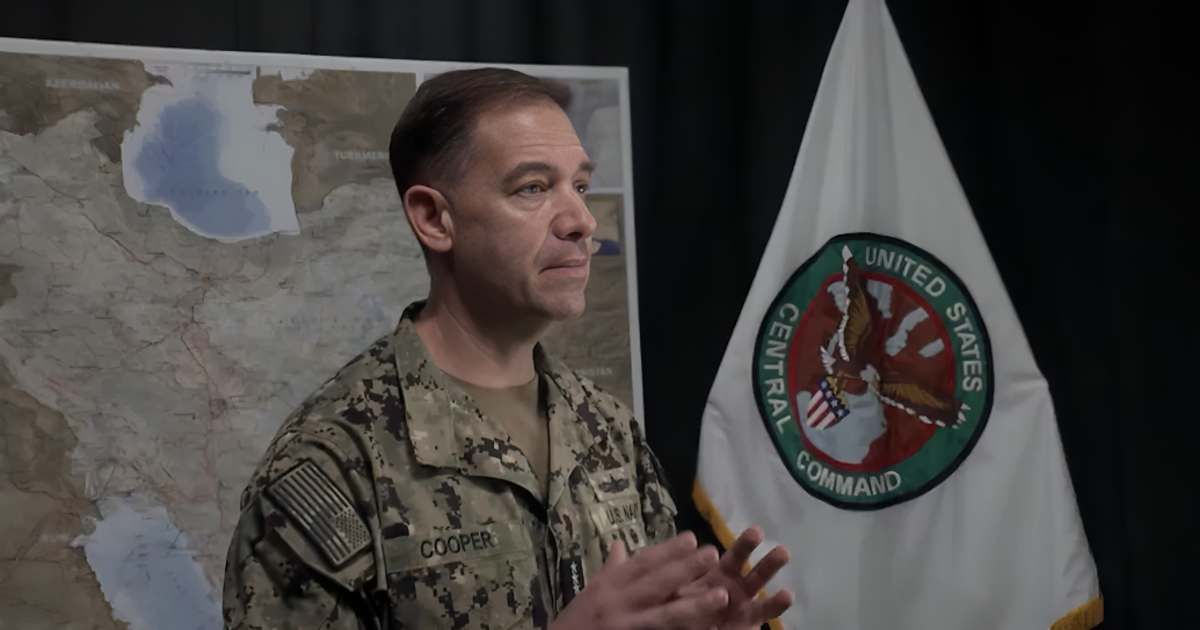
CENTCOM HQ: The United States Central Command (CENTCOM) released an operational update on Saturday, March 21, stating that Iran’s military capabilities in the Strait of Hormuz have been significantly reduced following weeks of sustained combat operations.
In a video briefing on “Operation Epic Fury,” CENTCOM Commander Admiral Brad Cooper said the campaign has impacted the Islamic Revolutionary Guard Corps’ (IRGC) ability to operate in the region.
The update comes as the US continues operations without additional military contributions from several NATO allies.
According to CENTCOM, US forces have conducted more than 8,000 combat flights during the campaign, maintaining air dominance while targeting remaining threats.
Historic elimination of Iranian naval forces
Update from CENTCOM Commander on Operation Epic Fury: pic.twitter.com/8yTLrVy4jk
— U.S. Central Command (@CENTCOM) March 21, 2026
Admiral Cooper said US forces have destroyed approximately 130 Iranian vessels over the past three weeks. He stated that Iranian naval and air activity has declined as a result of these operations.
“Their Navy is not sailing, their tactical fighters are not flying,” Cooper said, describing a reduction in Iran’s ability to carry out coordinated attacks seen earlier in the conflict.
CENTCOM officials said the operations have focused on vessels and assets used in maritime activity near key shipping lanes.
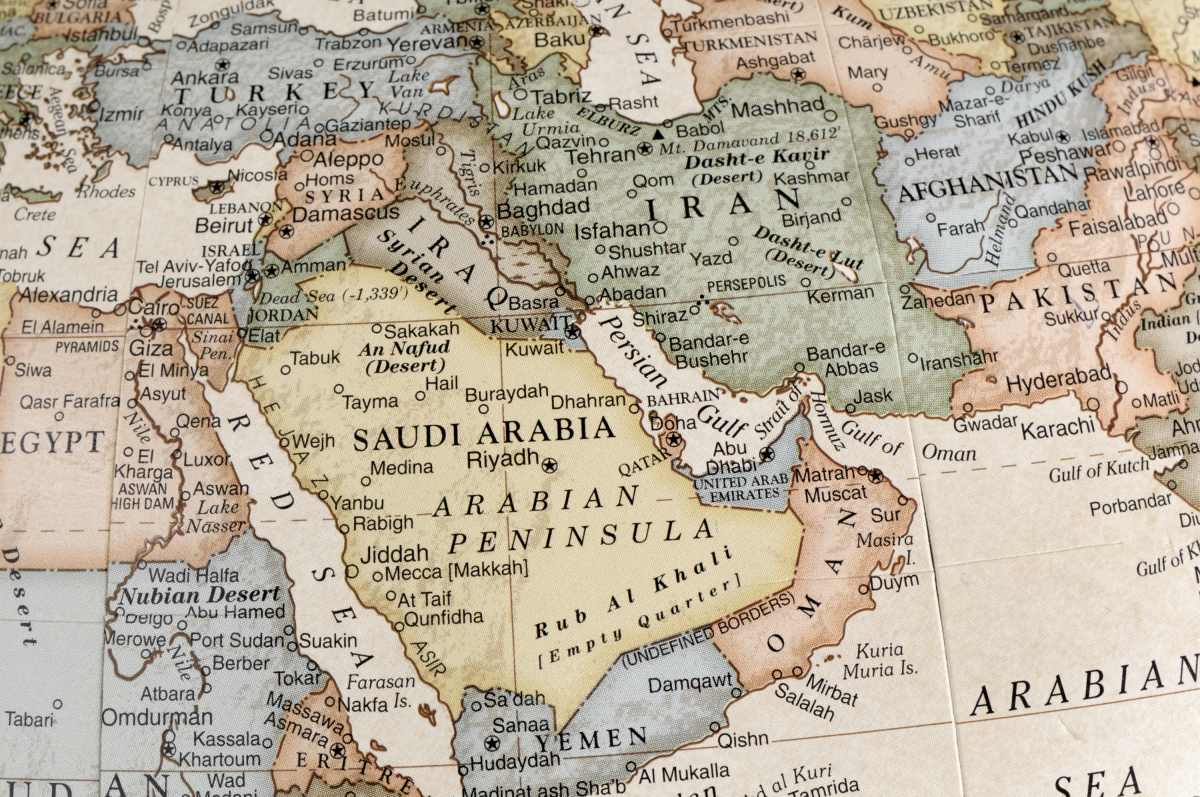
The effort is aimed at reducing risks to commercial traffic moving through the Strait of Hormuz.
Coastal “underground facility” destroyed by bombers
CENTCOM also reported strikes on a coastal underground facility used to store missile launch systems and related equipment.
US bombers deployed multiple 5,000-pound munitions during the operation, targeting infrastructure linked to anti-ship capabilities.

According to the briefing, the site included storage for mobile launchers and cruise missiles, along with radar and monitoring systems used to track maritime movement.
Officials said the strike also disrupted supporting intelligence and communication networks tied to those systems.
In addition, the US Army conducted long-range precision strikes on related infrastructure. CENTCOM said these actions were part of broader efforts to reduce Iran’s capacity to target vessels in the region.
Global air defense umbrella proves effective
Admiral Cooper highlighted the role of regional air defense systems in countering incoming threats.
He said an integrated network involving the US and partner nations has intercepted a large number of drones launched during the conflict.
The system, developed over several years, is designed to protect both military assets and civilian infrastructure across the region.
CENTCOM said coordination with partner nations has been central to maintaining defensive coverage.
Cooper also addressed US personnel involved in the operation, noting that approximately 50,000 service members are supporting efforts across multiple domains.
CENTCOM stated that operations will continue as long as necessary, with a focus on limiting Iran’s ability to conduct military activity beyond its borders and ensuring stability in key maritime routes.