'One of the dumbest things': Vance targets what America told young people
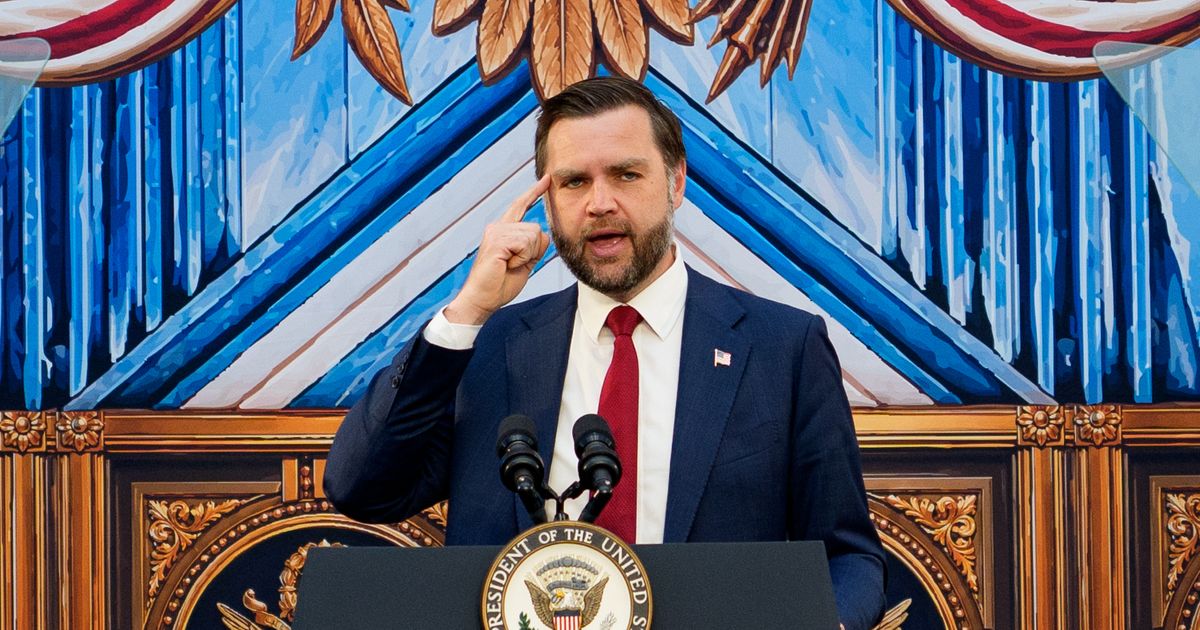
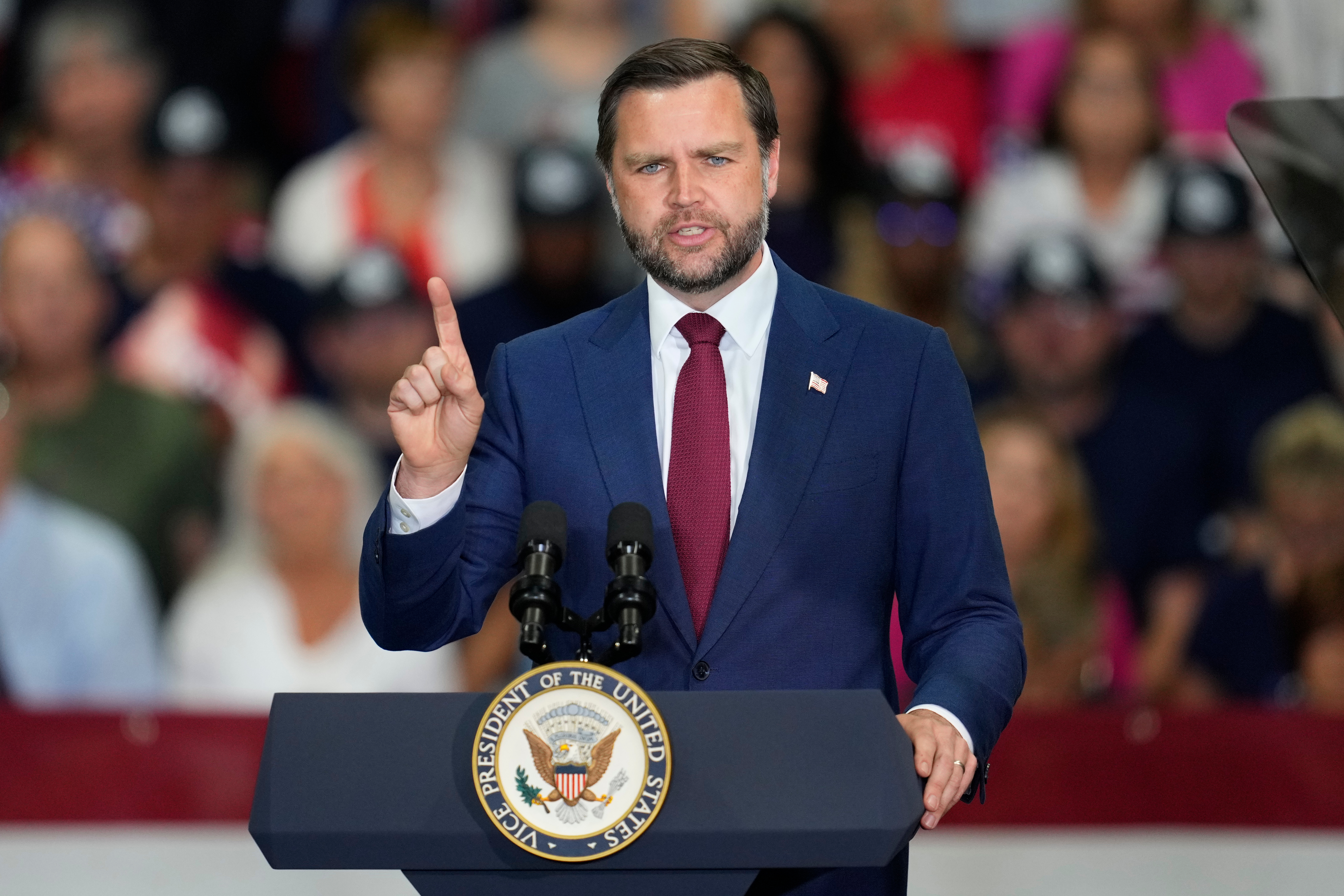
WASHINGTON, DC: Vice President JD Vance said a generation of American students was wrongly taught that finance, law, and computer-based careers were more prestigious than building things.
He made the case for manufacturing as a path that can combine financial opportunity with the dignity of hands-on work.
Vance spoke on Thursday, September 3, at the launch of the Foundry School at the Institute of Peace in Washington.
JD Vance:
— Clash Report (@clashreport) September 3, 2026
You cannot run an economy entirely on services.
You have to have a foundation of making stuff. pic.twitter.com/ae3hWwFByQ
JD Vance says hands-on work wrongly devalued
Vance said the Foundry School is meant to change the message young Americans receive about what makes a successful career, including for students considering engineering and entrepreneurship.
“The message that I got 30 years ago, 20 years ago, was go into finance, go into tech, go into law,” Vance said.
He argued that the new program would offer a broader choice.
“I think what we're doing with the Foundry is we're telling America's next generation of entrepreneurs and engineers and just brilliant kids-that there is a future, both a financial future, but also a future in the dignity of what you're going to be doing every single day by actually building things,” he said.
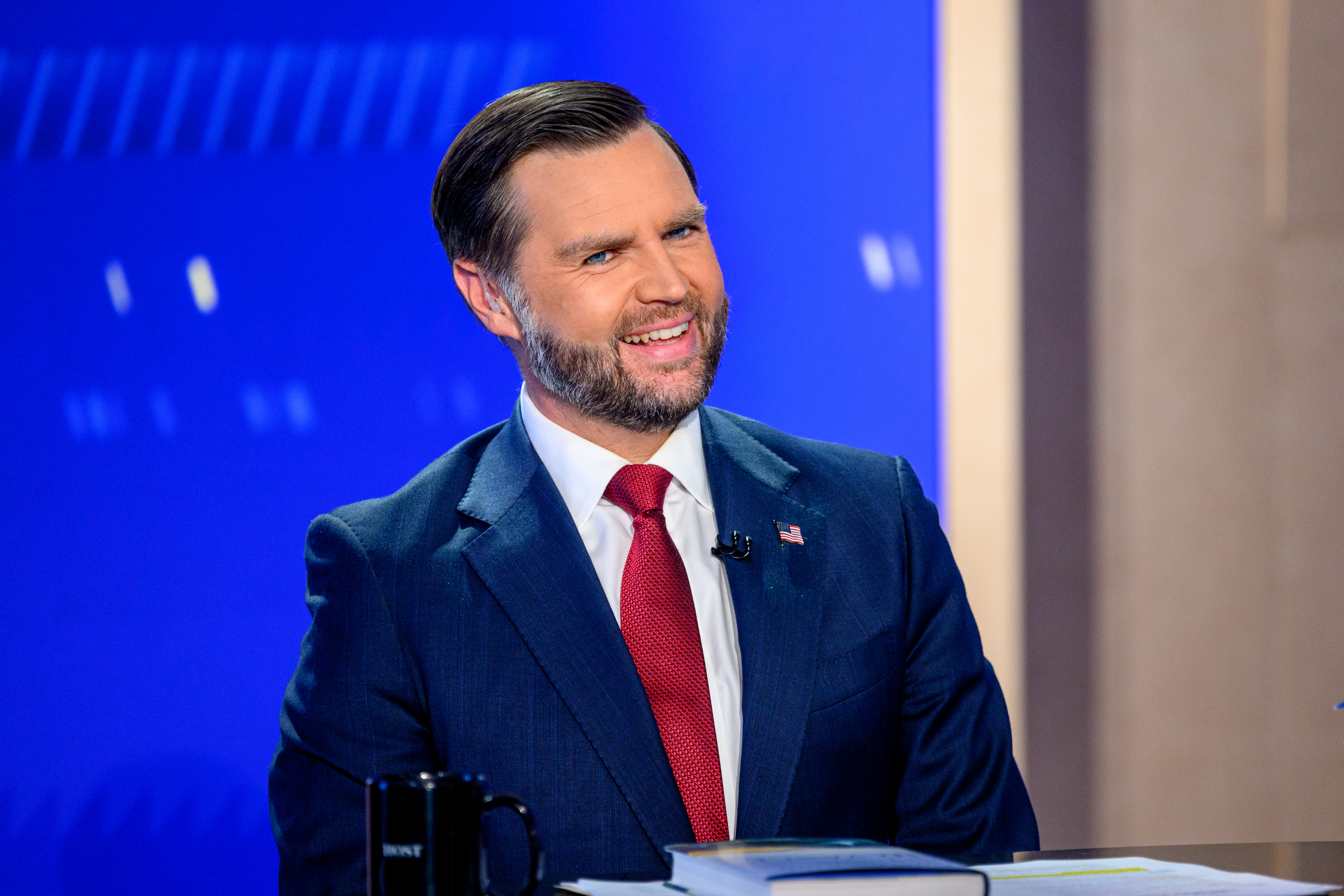
“The idea that if you're working with your hands, you're not using your mind is one of the dumbest things that America's leaders ever told a generation of American kids,” Vance said.
Vance said students in the program would learn from academics and industry figures while developing connections with other students, professors, and business leaders.
Vice president ties manufacturing to national security
The Foundry School is a project of the State Department’s Pax Silica initiative and will train entrepreneurs, engineers, technicians, and industrial leaders for advanced manufacturing jobs in semiconductors, defense, and energy.
Vance said the administration views manufacturing capacity as tied directly to national security.
“Industrial security, I should say, is national security,” he said, arguing that insufficient domestic manufacturing can leave the country weaker when enemies exploit supply vulnerabilities.
He also pointed to the COVID era as an example, saying shortages of hospital gowns and masks contributed to canceled medical procedures.
“The only way to fix that, the only way to fix that, is to reindustrialize the United States of America,” Vance said.
He said the administration’s approach includes incentives for businesses to invest in capital equipment and industry, while also discouraging companies from moving American jobs overseas or relying on “brittle and frankly adversarial countries” for supply chains.
JD Vance invokes a West Virginia success story
Vance also used the story of Homer Hickam, the West Virginia author and NASA engineer whose life inspired 'Rocket Boys' and the film 'October Sky', to make his case for investing in American talent.
He said Hickam had not appeared to have obvious prospects but became a NASA engineer after teachers and communities invested in his potential.
Vance said the lesson was that young people should not be written off because they have not figured out their future early.
NOW: VP Vance lays out the vision behind the Foundry School, a push by the Trump administration to get America’s next generation building again.
— Fox News (@FoxNews) September 3, 2026
“We’re telling America’s next generation of entrepreneurs and engineers and just brilliant kids that there is a future.”
Vance says… pic.twitter.com/Qs2UgwQ5WH
He connected that argument to the Foundry’s broader purpose, saying the program should signal that working with one’s hands is not separate from intellectual work.
He said the goal should be to encourage young people who want to work with their hands, minds or both.
“Why don't you do both?” he asked, describing that combination as central to building the next generation of American products with American workers.