Iranian nuclear site struck again despite Trump’s ‘obliteration’ claim, officials say
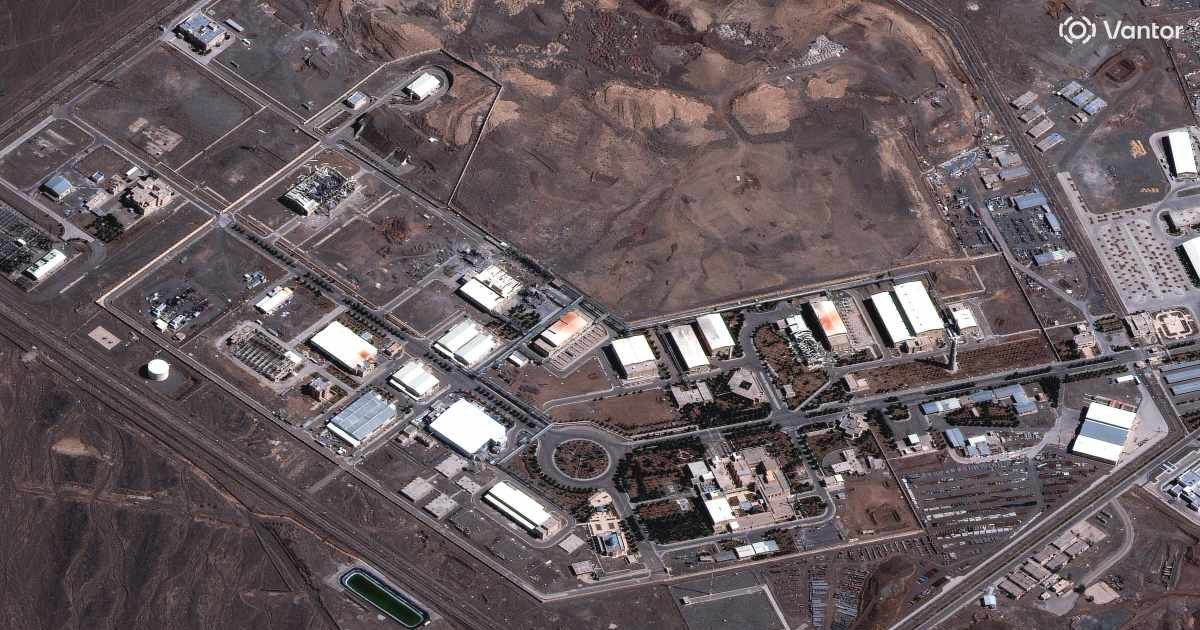
TEHRAN, IRAN: Iranian state media reported a fresh strike near the Natanz nuclear facility on Saturday, March 21, raising new questions about the current status of Iran’s nuclear infrastructure.
The development follows earlier statements from President Donald Trump, who had said key elements of the site were “totally obliterated” during prior US-Israeli operations.
The International Atomic Energy Agency (IAEA) said it had been informed of the incident by Iranian authorities, who reported no increase in off-site radiation levels.
The agency noted it is continuing to assess the situation. The Israeli military said it was “not familiar” with the reported strike, while US Central Command has not issued a statement.
Rebuilt infrastructure and underground tunnel complexes
Recent satellite imagery and independent analyses indicate that parts of Iran’s nuclear and missile infrastructure have been restored following earlier strikes in 2025.
While some facilities sustained damage during previous operations, assessments suggest that not all critical components were affected.
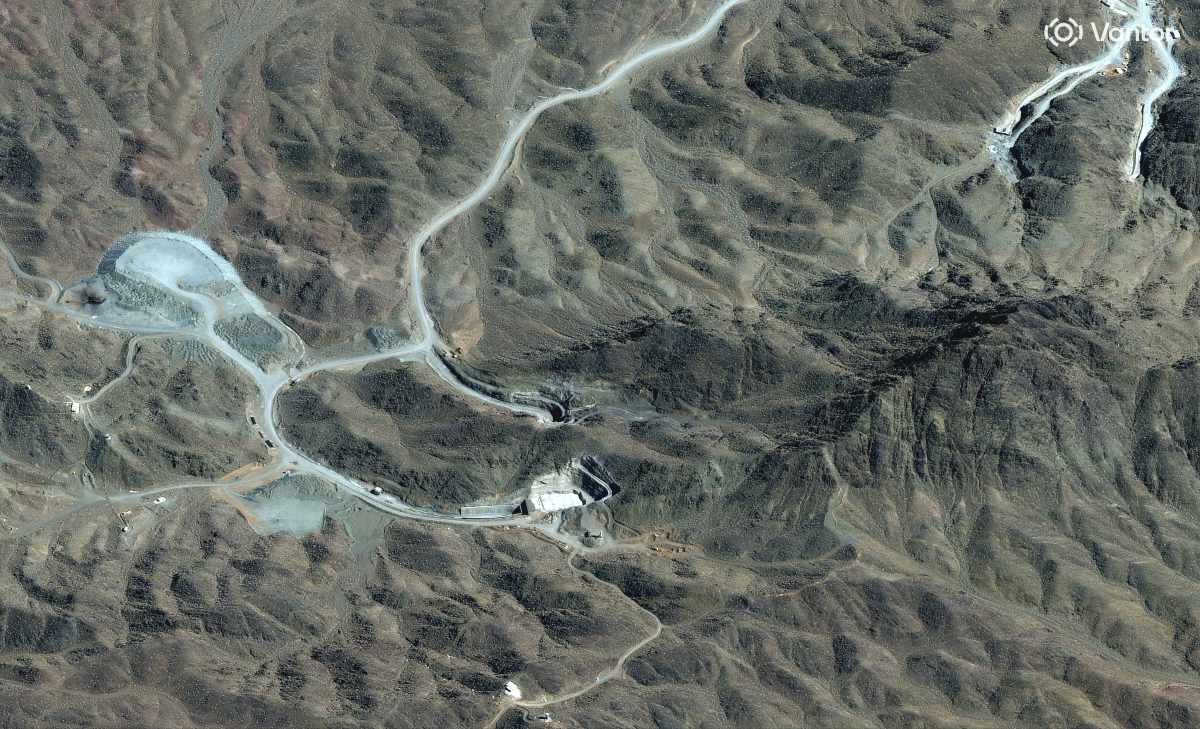
A November report by the Institute for Science and International Security identified ongoing activity near “Pickaxe Mountain,” located south of the Natanz enrichment site.
The area includes underground tunnel complexes believed to support advanced centrifuge production.
According to the report, these underground sections did not show visible signs of damage during earlier military actions, suggesting that portions of Iran’s nuclear capabilities may have remained intact.
This has kept Natanz and the surrounding facilities central to ongoing military and intelligence assessments.
Shifting rationales and stalled political uprisings
The stated objectives of US and Israeli operations have evolved, with officials pointing to goals ranging from degrading nuclear capabilities to limiting missile threats.
Some public statements have also referenced broader political outcomes, though no large-scale internal uprising has been observed.
The IAEA has previously indicated that enriched uranium stockpiles may still be present at or near key facilities.
While earlier strikes did not result in confirmed radiological impact beyond facility boundaries, the agency continues to monitor developments closely.
Analysts say the absence of a clear end-state has contributed to uncertainty around the trajectory of the conflict, which has now extended into a prolonged phase.
Oil sanctions lifted amid market turmoil
The latest developments come alongside economic adjustments by the US administration.
Following a spike in global oil prices and volatility in financial markets, officials moved to ease restrictions on Iranian oil already in transit.
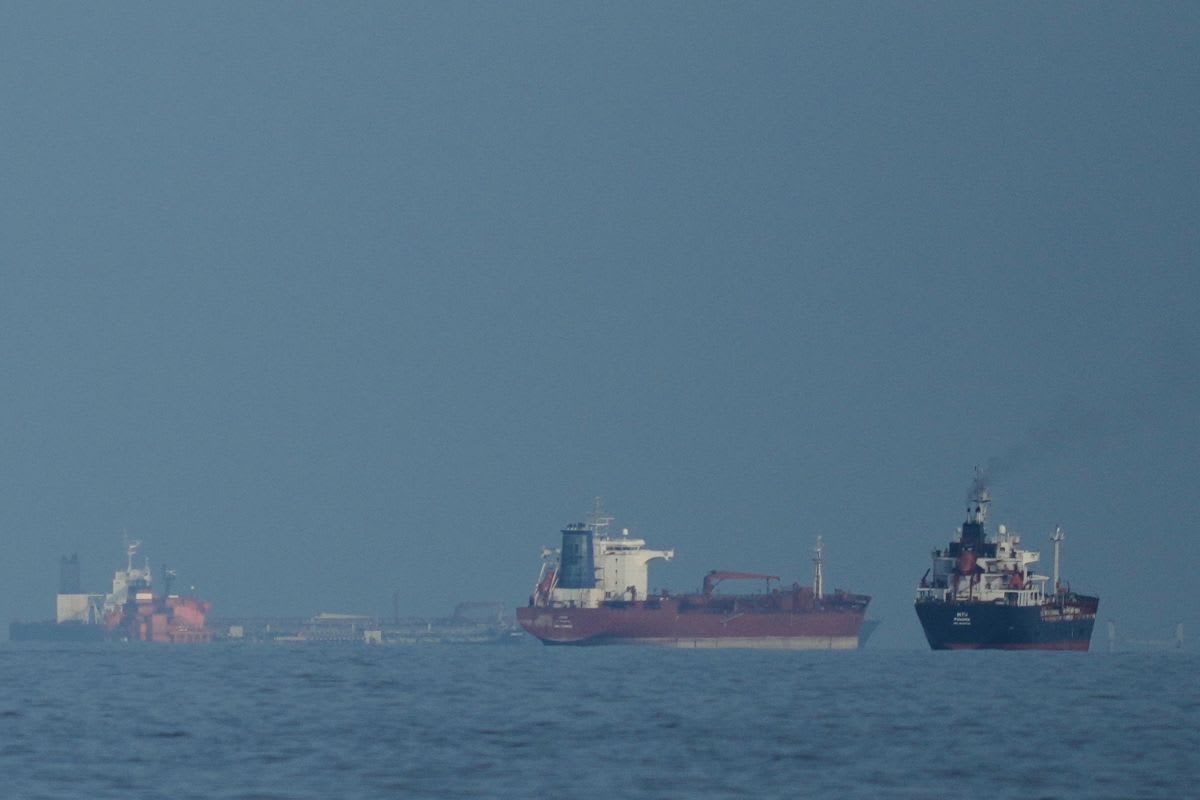
The decision is aimed at stabilizing fuel supply and limiting domestic economic pressure linked to rising energy costs.
The move follows earlier statements from President Trump addressing both military and economic dimensions of the conflict.
The policy shift reflects ongoing efforts to balance operational objectives with broader economic considerations as global markets respond to disruptions in the region.