Jessica Tarlov says ‘No Kings’ protests reach 8M as Trump approval dips: ‘The energy is real’
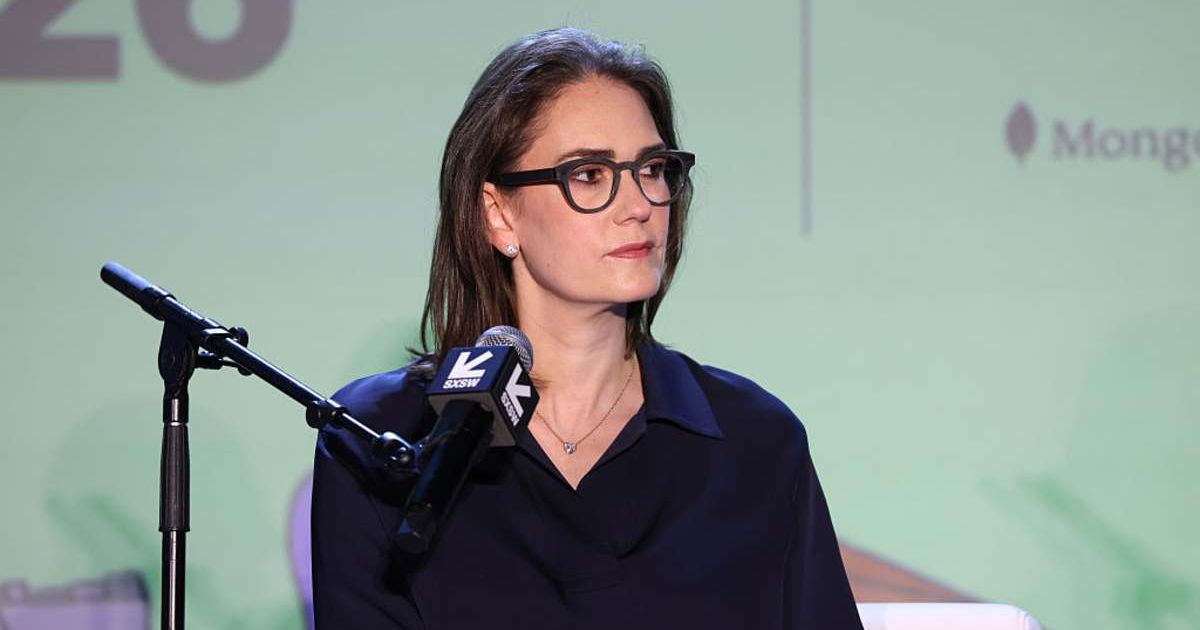
WASHINGTON, DC: Jessica Tarlov is putting the spotlight on the growing scale of the ‘No Kings’ protests, arguing that rising numbers reflect a deeper political shift as Donald Trump’s approval ratings remain low.
Speaking on ‘The Five’, Tarlov said the protests have expanded rapidly in just a few months, pointing to what she described as a surge in public energy.
No Kings protests surge to 8M nationwide
Tarlov made it clear that the movement is not slowing down—in fact, she believes it is picking up pace.
“Republicans can mock the No Kings protests all they want, but the reality is it just grew from 6 million to 8 million people in a few months,” she said.
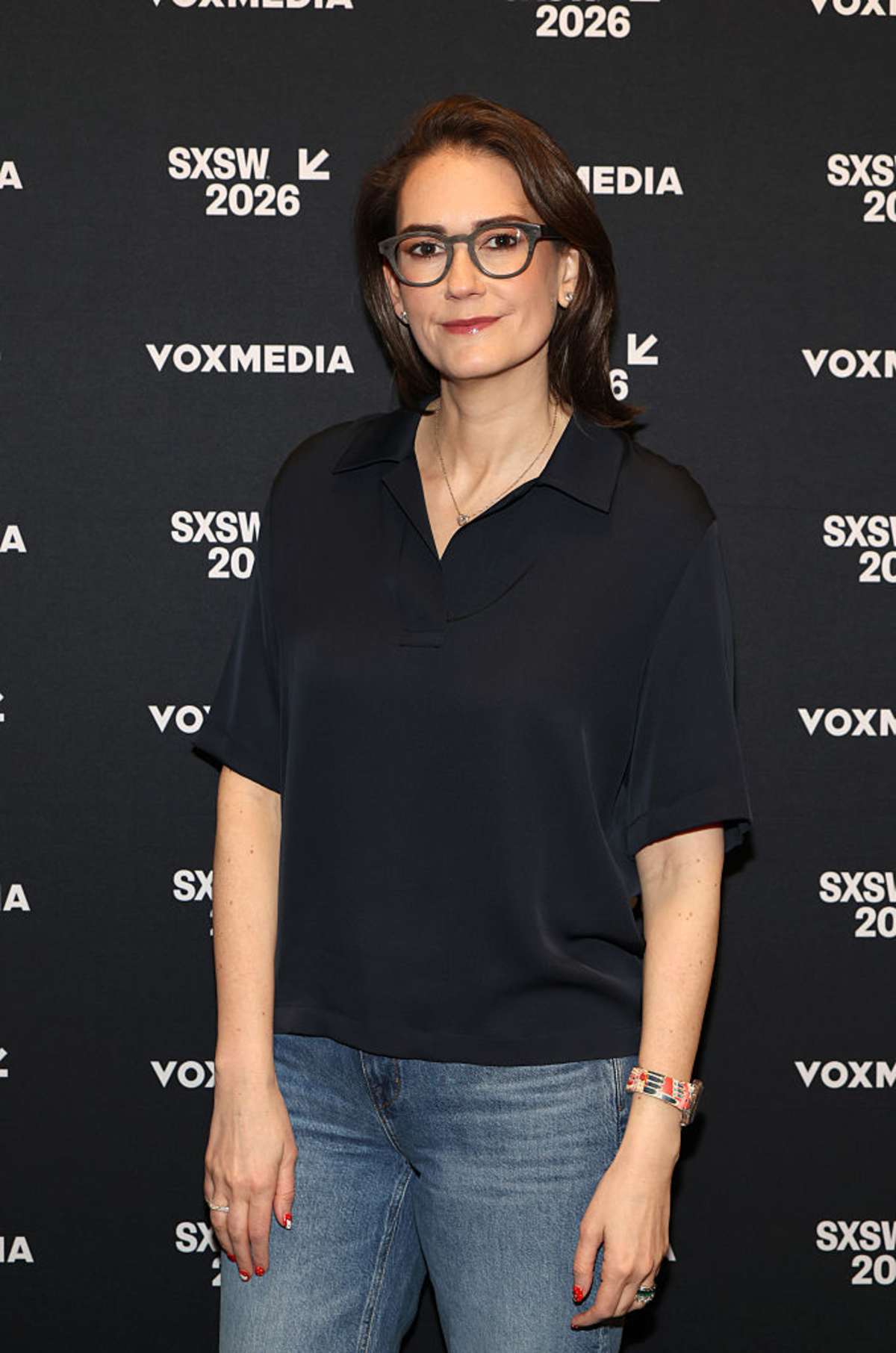
She also highlighted the scale of the demonstrations, noting that they are happening across the country and not just in major cities. “3,300 rallies in all 50 states, many in suburbs and small towns,” she added, stressing how widespread the movement has become.
Her comments frame the protests as a growing national force rather than isolated events, with participation cutting across regions and communities.
No Kings protests spread across cities, suburbs, towns
The ‘No Kings’ protests, now in their third round after earlier largely peaceful demonstrations that drew millions, have unfolded across the United States through a mix of large gatherings and smaller local rallies happening simultaneously.
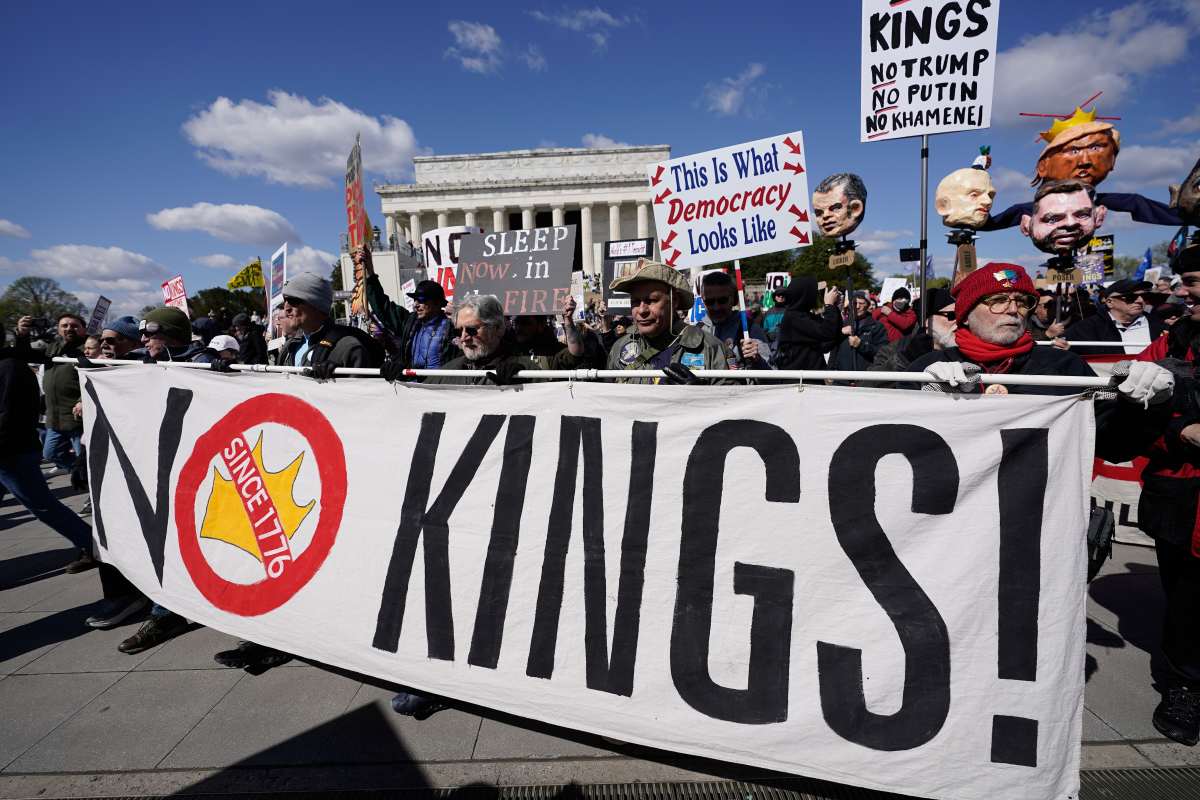
On the morning of March 28, 2026, a ‘No Kings’ rally outside Donald Trump National Golf Club in Rancho Palos Verdes drew attention as tensions briefly flared. Protesters lined Palos Verdes Drive South, holding signs and chanting, while passing drivers honked in support.
While most remained peaceful, the situation escalated momentarily when a protester got into a face-to-face shouting match with a counter-protester wearing a provocative shirt.
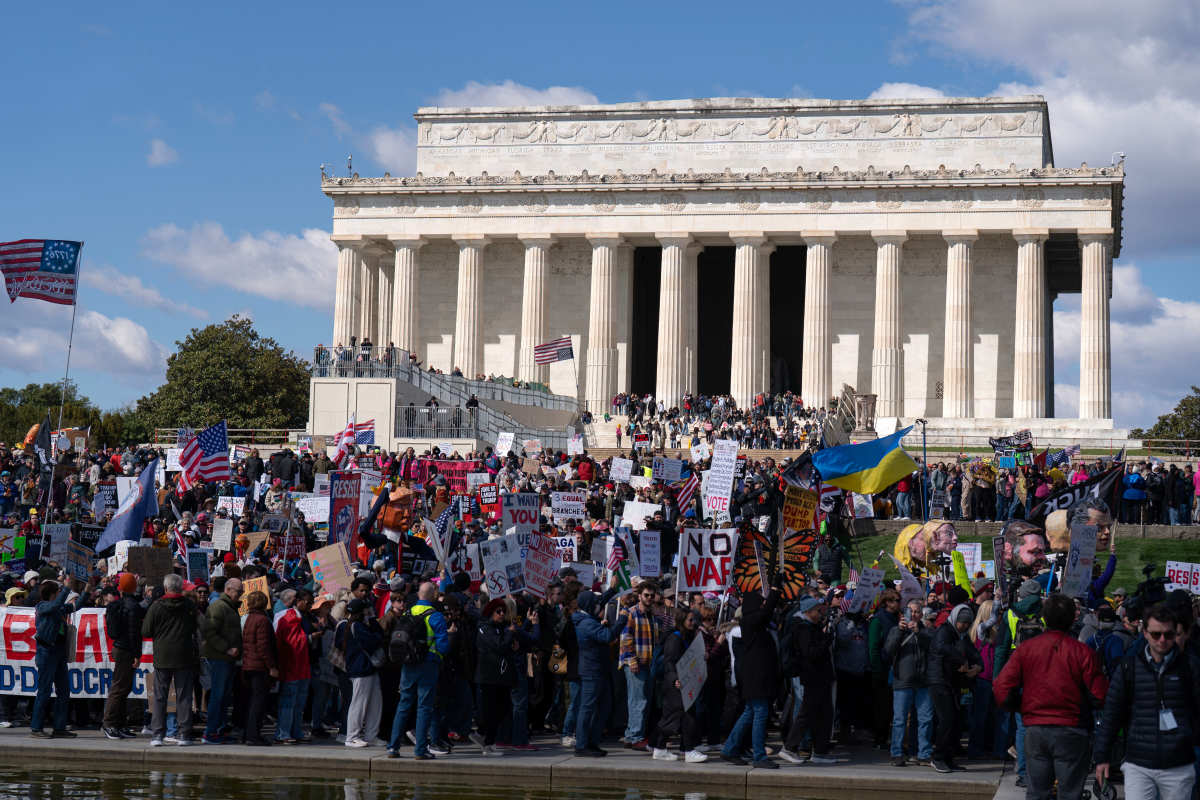
Beyond that moment, the overall tone of the protests has largely been energetic and expressive. Across Southern California and other regions, people marched through streets, gathered in public spaces, and turned the events into a mix of protest and public display.
Major demonstrations were seen in cities like San Francisco and Los Angeles, while smaller gatherings also took place in suburbs and towns across both red and blue states.
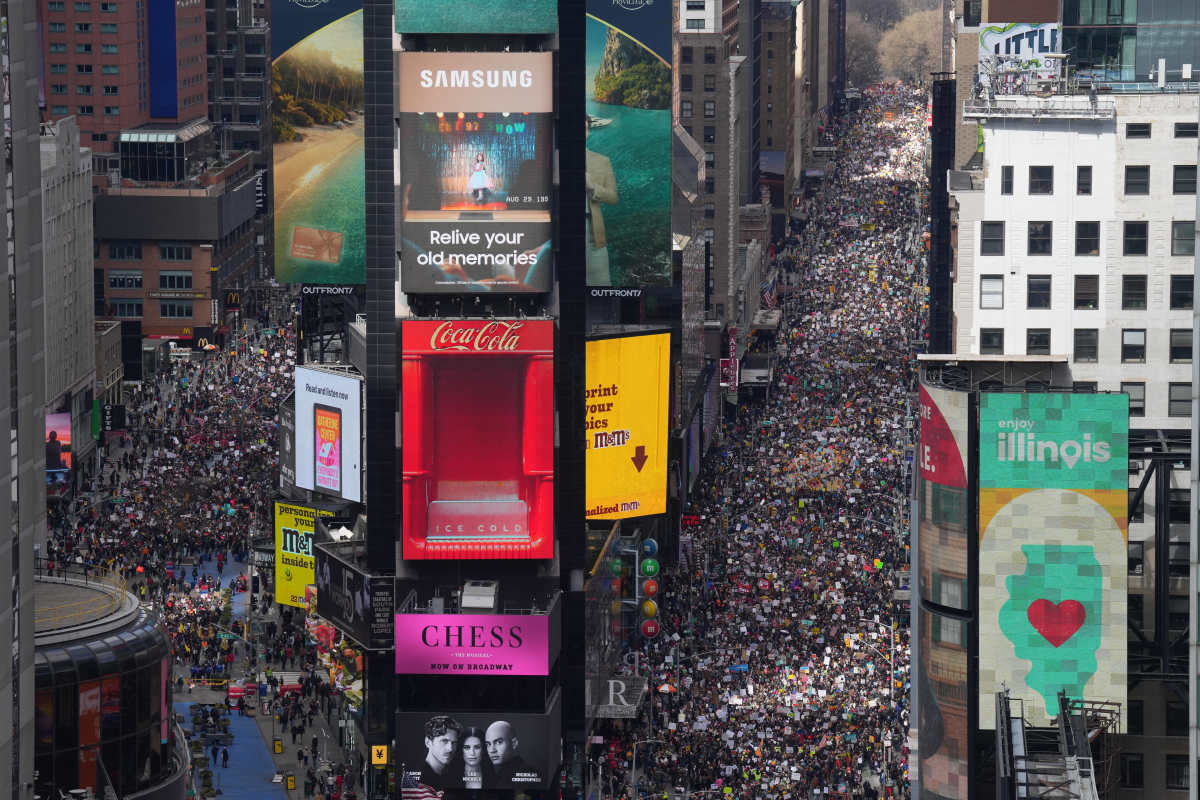
Crowds sang, danced, and held up signs throughout the day, with some events featuring performances and speeches. In Minnesota, one standout moment included a performance by Bruce Springsteen alongside remarks from public figures.
Jessica Tarlov links protests to Trump approval, GOP concerns
Tarlov tied the growing turnout directly to political sentiment, particularly around Donald Trump’s approval ratings. “Donald Trump is sitting around 40% approval at best, closer to the low 30s by some measures,” she said.
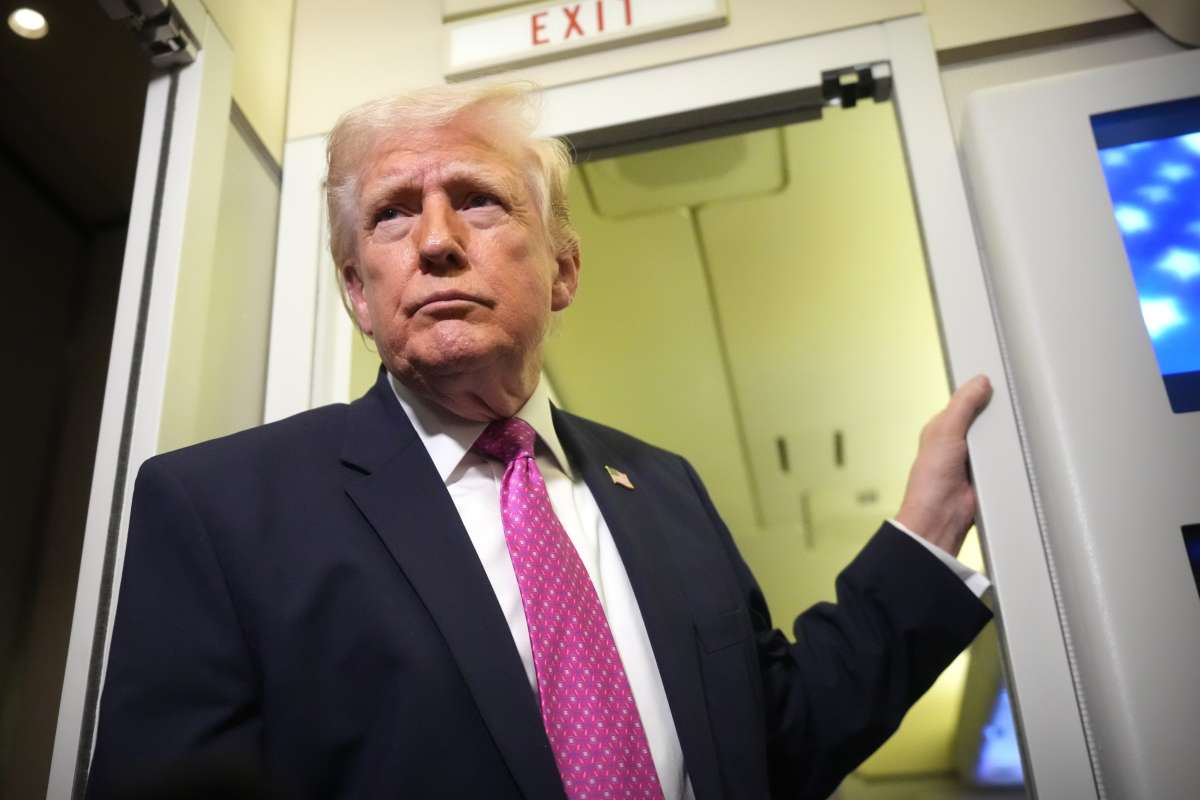
She also pointed to what she described as growing concern within Republican ranks. “Meanwhile, Republicans in Congress see the writing on the wall. A record 36 are retiring early,” Tarlov noted.
Looking ahead, she framed the situation in historical terms, suggesting potential consequences for the party. “When a president is under 50%, their party historically loses an average of 34 seats in Congress. Democrats only need a handful of seats,” she said.
“The energy is real and it is growing,” she added.