Johnson accuses Democrats of radicalizing Hilton shooter and calls for Trump's ballroom as the fix
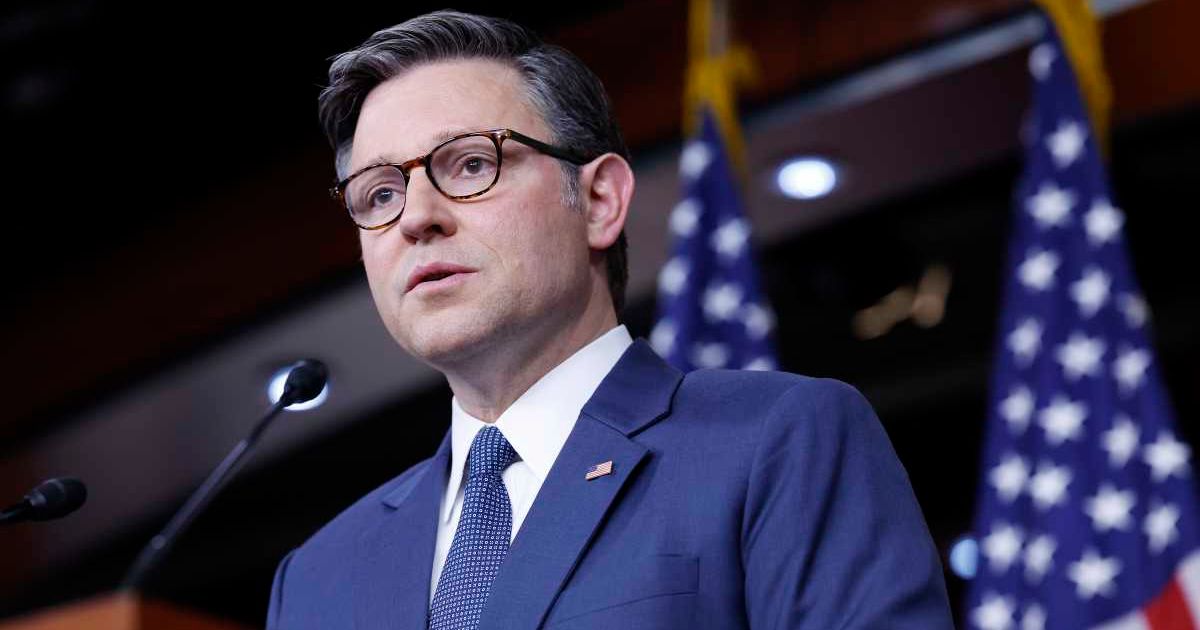
WASHINGTON, DC: House Speaker Mike Johnson has leveled a staggering accusation against his Democratic colleagues, claiming their political rhetoric is "effectively calling for war" and radicalizing unstable individuals.
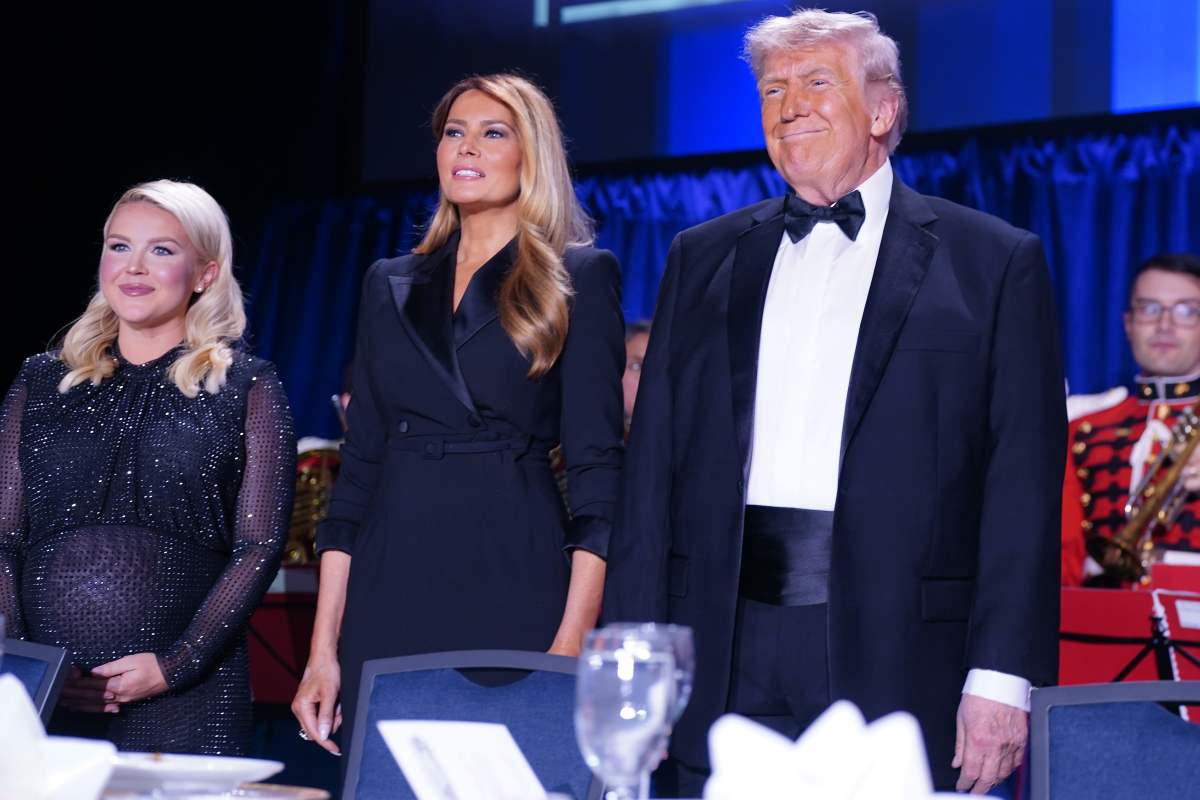
Appearing on 'America’s Newsroom' on Monday, April 27, Johnson addressed the fallout from Saturday’s assassination attempt at the Washington Hilton, where a gunman opened fire during the White House Correspondents’ Dinner.
The speaker argued that the "tough stand" taken by many on the left has crossed the line into "inciting violence," creating a dangerous environment for the president and the line of succession.
Speaker Mike Johnson: "You have some of the most prominent figures in the House and the Senate on the Democrat side effectively calling for war ... It incites violence because there are crazy people in society, and they get radicalized online." pic.twitter.com/3rQV0iV07h
— The Post Millennial (@TPostMillennial) April 27, 2026
The shooting, which occurred at a security checkpoint while thousands of journalists and administration officials were inside, has reignited the debate over the $400 million White House State Ballroom project.
While the event is traditionally hosted by the White House Correspondents’ Association rather than the government, the breach at the commercial hotel has provided the administration with fresh momentum.
Johnson insisted that "crazy people in society" are being radicalized online by Democratic metaphors, and urged a "total reset" of the national conversation to prevent further bloodshed.
Democratic rhetoric accused of inciting violence
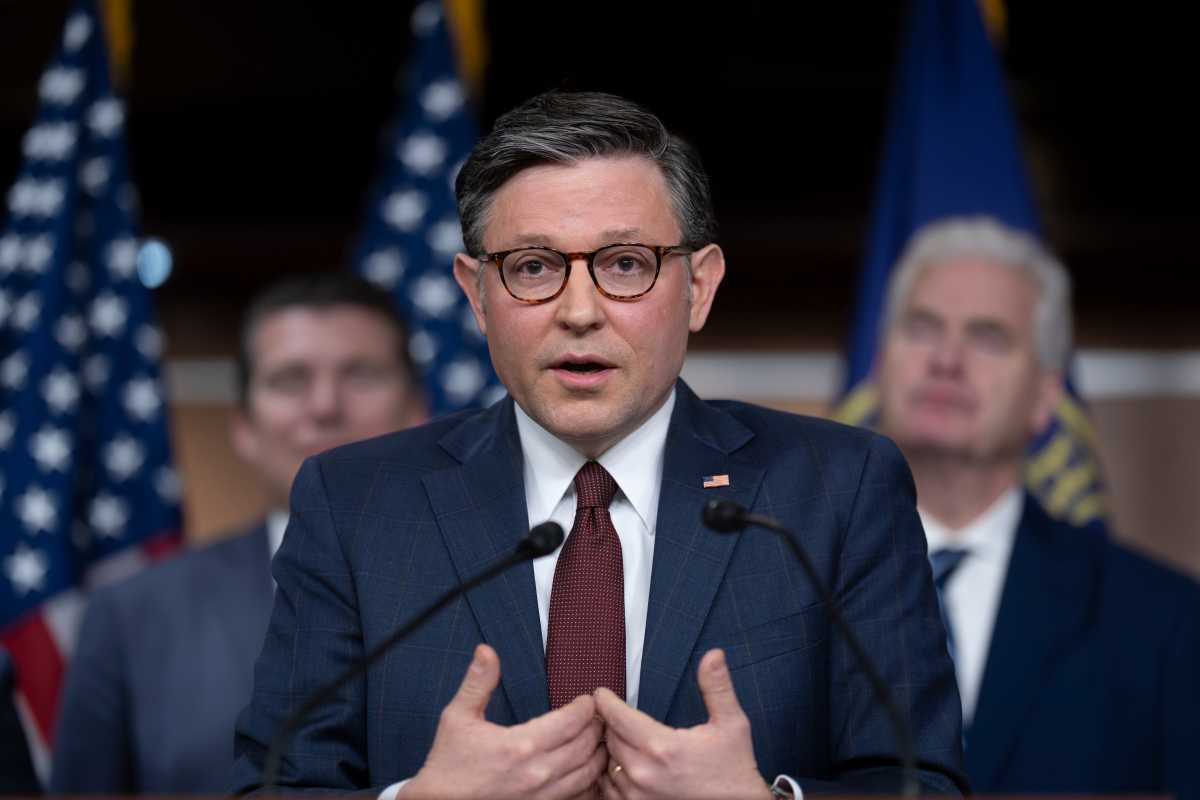
Speaker Johnson did not hold back in his assessment of the current political climate, suggesting that prominent figures in both the House and Senate are responsible for the "absolute disarray" of civil discourse.
He claimed that the metaphors used by his rivals are interpreted as literal calls to action by radicalized actors.
"It’s time to turn down the rhetoric, we’ve been saying this over and over, and not use that kind of language," Johnson stated, framing the Hilton shooting as a "sobering reminder" of the stakes involved.
🚨 JUST NOW: Speaker Johnson OBLITERATES the traitor Democrats for INCITING assassination attempts on President Trump
— Eric Daugherty (@EricLDaugh) April 27, 2026
He’s calling it like it is! 👏🏻
“No. They've done the opposite. They've incited violence, in my view!”
"It's time to turn DOWN the rhetoric. We've been seeing… pic.twitter.com/WyNo6HrqJ4
Johnson expressed frustration that voices for calm were rare within the Democratic camp, leading to a "strategic disarray" that imperiled the safety of the most secure compound in the world.
John Fetterman breaks ranks on ballroom project
In a rare move of bipartisan agreement, Senator John Fetterman has emerged as a "rare voice" supporting the president’s call for a secure, on-site event space.
Hours after the shooting, Fetterman took to social media to urge his colleagues to "drop the TDS" (Trump Derangement Syndrome) and build the White House ballroom.
We were there front and center.
— U.S. Senator John Fetterman (@SenFettermanPA) April 26, 2026
That venue wasn’t built to accommodate an event with the line of succession for the U.S. government.
After witnessing last night, drop the TDS and build the White House ballroom for events exactly like these. pic.twitter.com/eeUBnlSe5y
He noted that the Washington Hilton was never built to accommodate the security needs of the entire US government line of succession.
Johnson praised Fetterman’s stance, agreeing that the new facility would provide a definitive solution to the vulnerabilities exposed Saturday. The proposed ballroom, which replaced the demolished East Wing, is designed to be a "mechanical necessity" for protection.
Unlike commercial hotels, the White House compound offers a "safe and secure" environment that can be fully sterilized by the Secret Service without the risk of unsecured public access from hotel rooms above.
Military-grade features ensure presidential safety
Detailing the technical specifications of the project, Johnson highlighted that the ballroom would feature "seven-inch thick glass" and sit within the most fortified perimeter on earth. This stand on infrastructure is presented as the only way to avoid the tactical gaps found in public venues.
Mike Johnson: "The ballroom will be a solution for this. It'll have 7-inch thick glass, so it'll be a very safe environment to do events like that. We need a place like that and the president keeps pointing it out." pic.twitter.com/zWv0u8ybO8
— Aaron Rupar (@atrupar) April 27, 2026
The speaker noted that the president has been pointing out this necessity for years, describing the ballroom as a "final deal" for the safety of the cabinet and the first family.
The project, which has faced significant legal hurdles from preservationists, is now being framed by the GOP as an essential alternative. Supporters argue that the security of the presidency should outweigh concerns about the "sudden demolition" of historic structures.
The ballroom’s proposed underground bunker and drone-proof roof are now being touted as the results of an "America First" security mandate that must proceed without further delay.
Legal challenges face fresh political pressure
The shooting is being cited by the administration as part of its argument to dismiss ongoing legal challenges to the $400 million project.

Supporters have pointed to recent remarks from Senator John Fetterman to suggest that concerns over venue security are being acknowledged across party lines.
The Department of Justice is expected to reference the incident as it makes the case that the project addresses immediate security considerations.
The White House Correspondents’ Association has traditionally favored off-site venues, citing institutional independence. However, Saturday’s incident has renewed discussions over whether future events should be held within more controlled environments.
Administration officials and congressional allies have indicated that relocating such gatherings inside the White House complex could be part of broader security planning going forward.