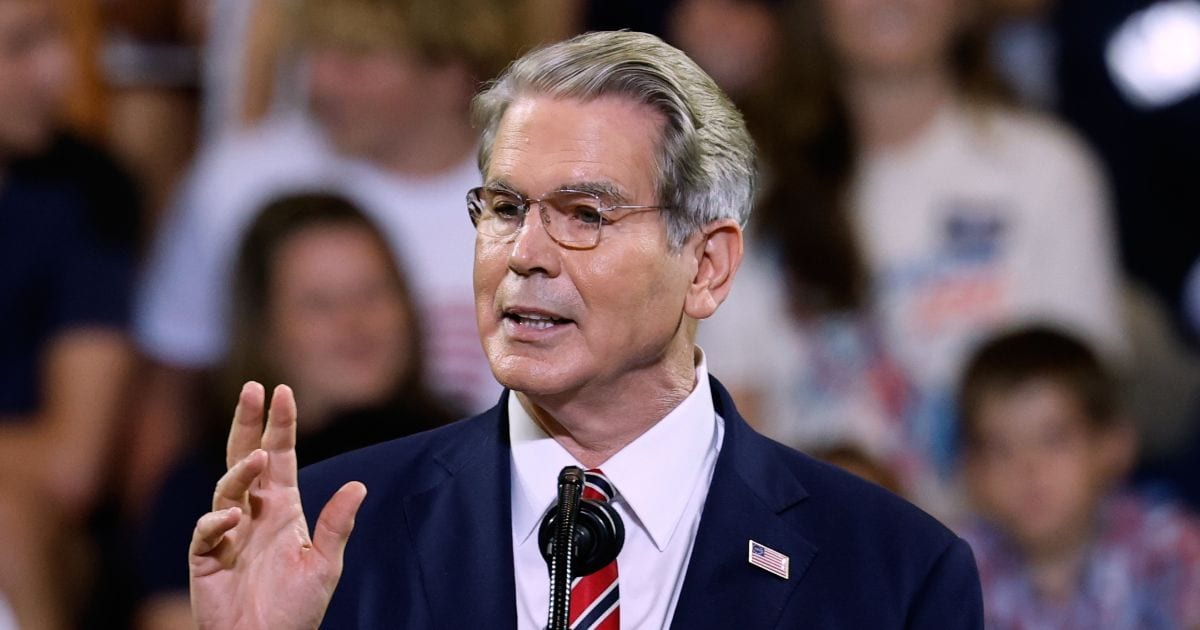
Air Force begins renaming Joint Base Charleston to honor Lindsey Graham 16 days after his death
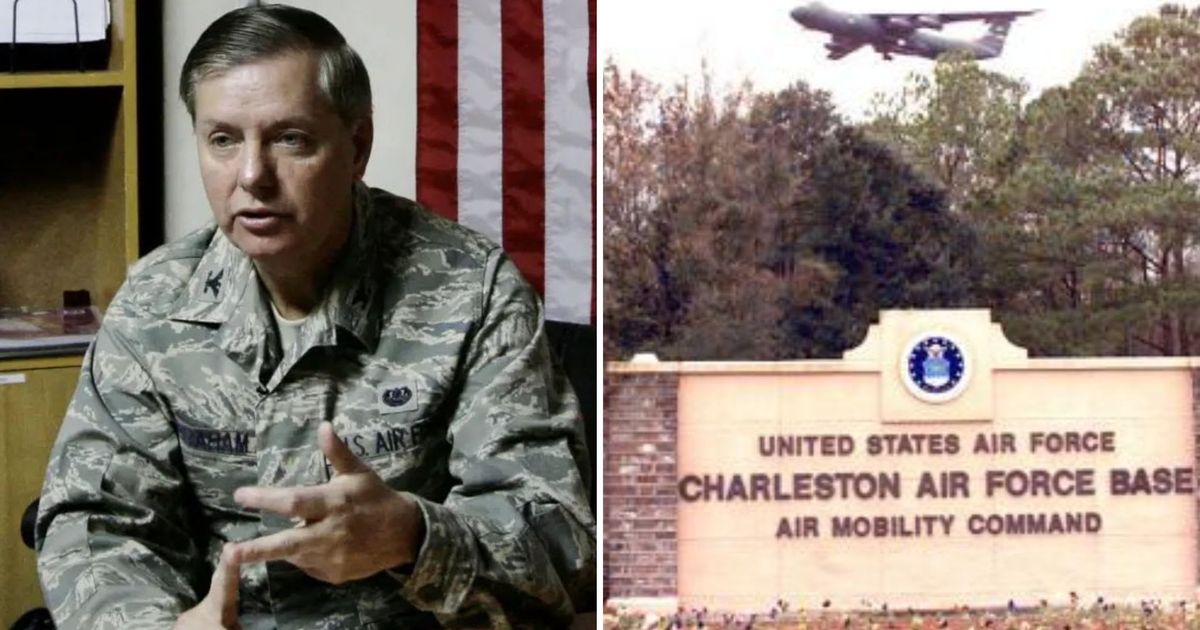
WASHINGTON, DC: The Air Force has confirmed it is moving to rename Joint Base Charleston after the late Senator Lindsey Graham, with the process beginning just 16 days after his death.
Air Force Secretary Troy Meink signed a memo on Monday, July 27, directing staff to work with Air Mobility Command and Joint Base Charleston leadership to take "all necessary and appropriate actions" to rename the South Carolina installation as Joint Base Lindsey Graham.
How Lindsey Graham shaped Joint Base Charleston
"Senator Graham's lifelong devotion to the military was shaped by his own military service and his public service in both the United States Senate and the United States House of Representatives," Meink wrote in the memo, dated July 27.
Joint Base Charleston will be re-named in honor of the late Sen. Lindsey Graham, Pentagon sayshttps://t.co/l3lidQjf9r
— Karoline Leavitt (@PressSec) July 28, 2026
"His steadfast advocacy was instrumental in modernizing our military infrastructure and enhancing aviation security, ensuring that Joint Base Charleston remains as one of America's premier military installations."
White House Press Secretary Karoline Leavitt confirmed the renaming on Tuesday, July 28, in a social media post, linking to a report from The Post and Courier, which first obtained the internal memo. The Pentagon has referred additional questions to the Air Force.
Her post, issued from the West Wing rather than the Defense Department, signaled that the effort has White House backing and political momentum, even before Air Force officials had made any public announcement.
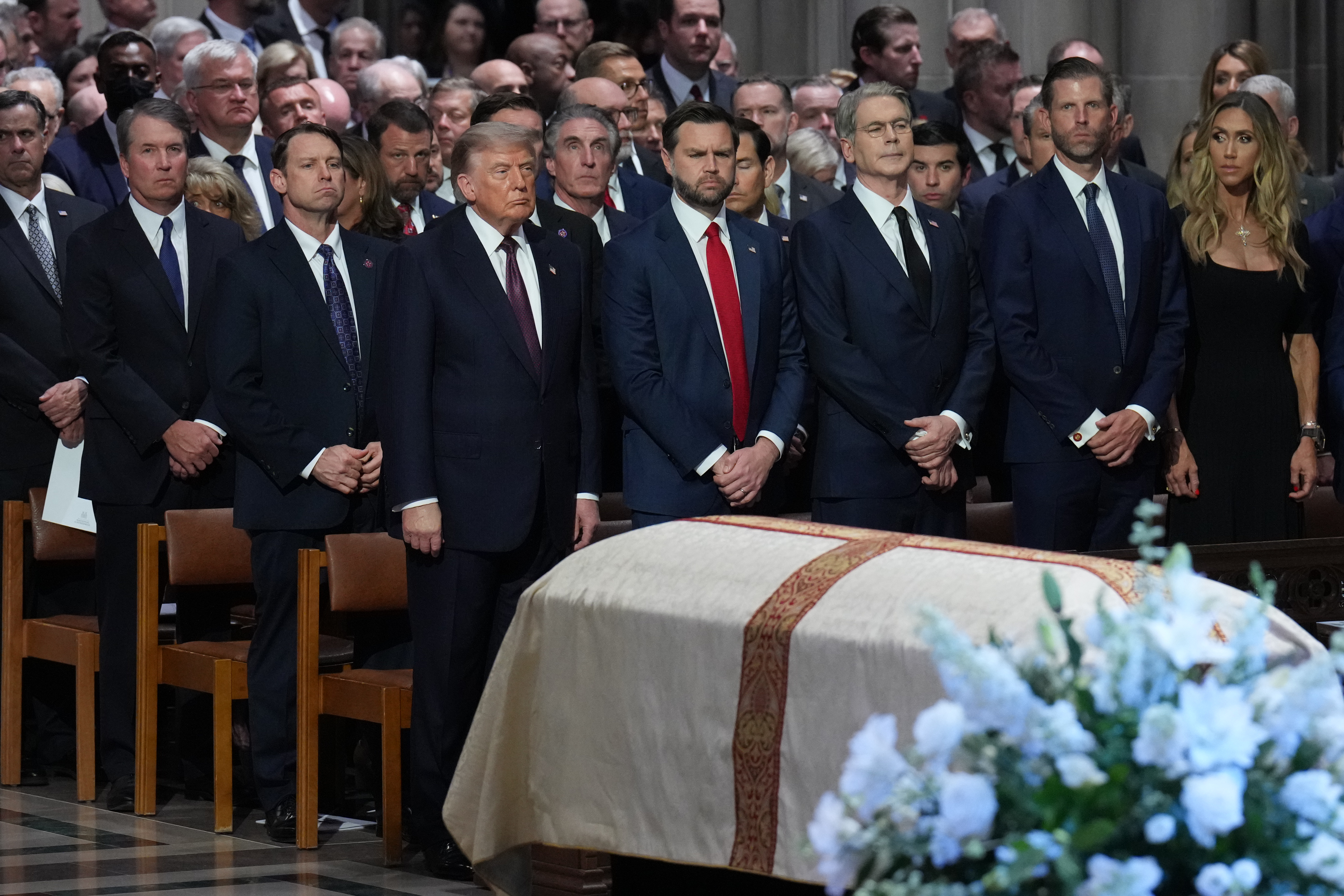
The timeline is notably compressed. Graham died on July 11 at age 71 from an aortic dissection, and Meink's memo initiating the renaming is dated just 16 days later, on July 27, the same day as Graham's funeral at Washington National Cathedral.
Joint Base Charleston holds a special place in Graham's legacy. It is home to the country's largest fleet of C-17 Globemaster III cargo planes, and Graham made supporting the base one of his top priorities in Congress.
While leading the Senate Budget Committee, he secured hundreds of millions of dollars for infrastructure upgrades and modernization efforts.
That included $212 million aimed at boosting Coast Guard readiness at the base.
South Carolina Attorney General Alan Wilson, now also the GOP's nominee for governor, applauded the move to honor Graham.
Joint Base Charleston will be re-named in honor of the late Sen. Lindsey Graham, Pentagon sayshttps://t.co/3JfxrQJyxx
— Rapid Response 47 (@RapidResponse47) July 28, 2026
“It’s a fitting tribute to a man who dedicated his life to serving our nation and state,” Wilson said.
“From his days in the Air Force to all those years in Congress and the Senate, Lindsey always stepped up when the country needed him. His legacy will last generations."
Lindsey Graham's decades of public service
The memo directs officials to begin the renaming process; it does not complete it.
Air Mobility Command and base leadership must now work through the administrative steps required to formally update signage, official documents, digital systems, and other assets bearing the installation's name. No cost estimate or completion timeline has been made public.
Graham was a longtime advocate for the base, which was created by combining several adjoining military installations in North Charleston as part of a broader Defense Department reorganization in 2010.
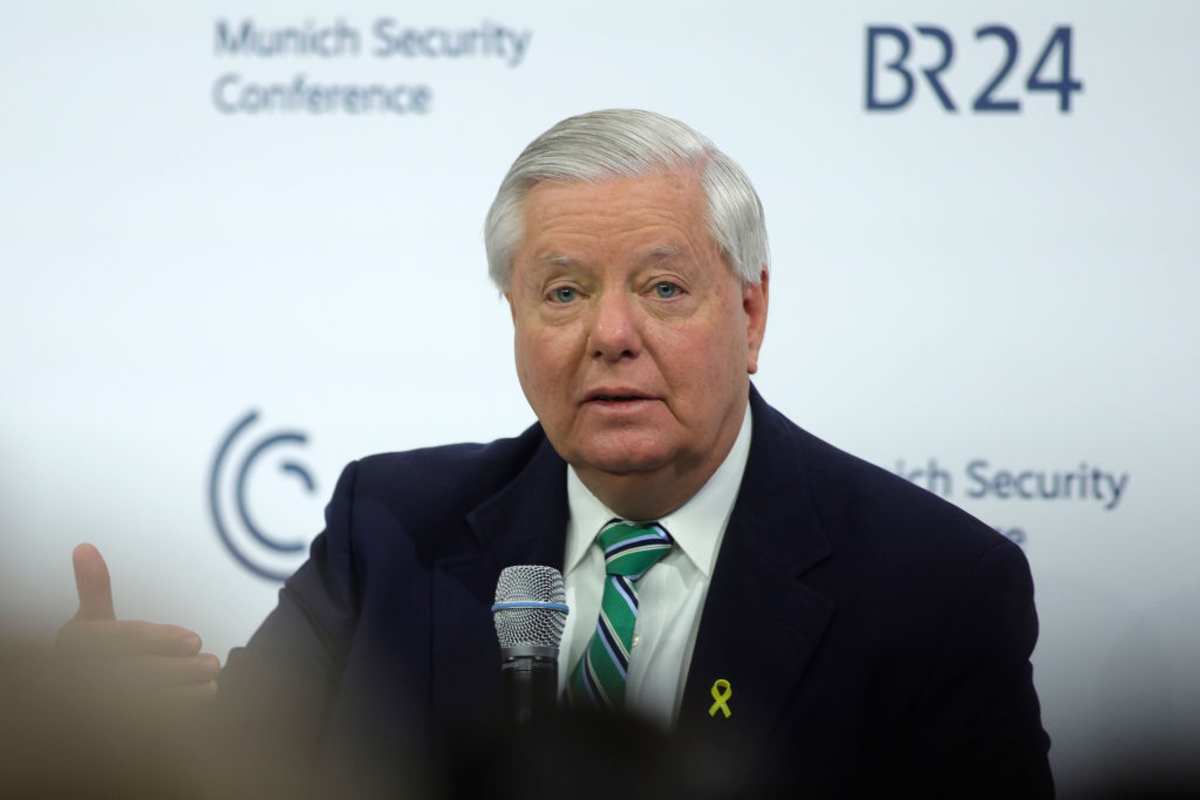
In the years that followed, Graham helped secure hundreds of millions of dollars in federal funding to support the installation's missions.
He was also closely associated with the contentious effort to recruit Boeing to build its 787 Dreamliner in the area instead of in unionized Washington state, where the company had been based.
Born in Central, South Carolina, Graham was elected to the House of Representatives in 1994 before winning his Senate seat in 2002, a position he held until his death on July 11 at age 71 from an aortic dissection.
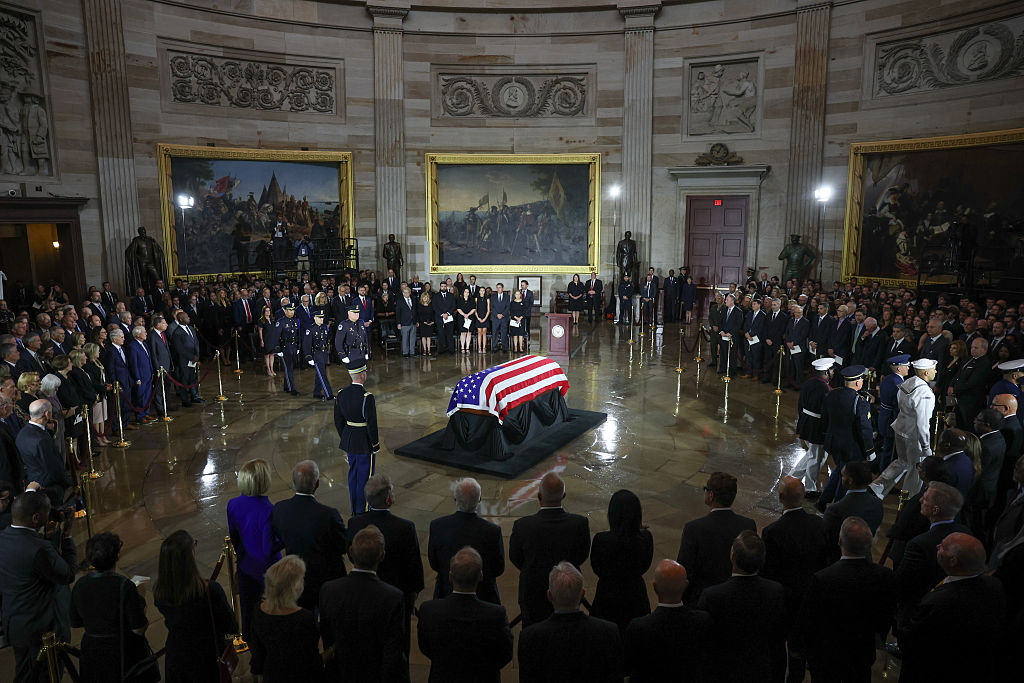
His funeral took place on Tuesday, July 28, at Washington National Cathedral. Earlier that day, his remains were carried into the US Capitol by an Armed Forces Body Bearer Team in tribute to his decades of military service.
The ceremony drew dignitaries and lawmakers from across the political spectrum to honor one of the Senate's most prominent voices on defense and foreign policy.
Pentagon fast-tracks Lindsey Graham base renaming
This time, the Pentagon moved far more quickly than it did during the previous round of military base renamings, a process that took years.
Congress began the effort through the 2021 National Defense Authorization Act, requiring nine Army bases to drop their Confederate names after overriding President Donald Trump's veto.
Lawmakers then established a bipartisan naming commission, which spent nearly 18 months visiting installations, consulting local communities, and reviewing more than 34,000 public submissions before recommending new names in 2022.
Fort Bragg, for example, did not officially become Fort Liberty until June 2023, nearly three years after Congress ordered the change. The renaming process also cost more than $6 million.
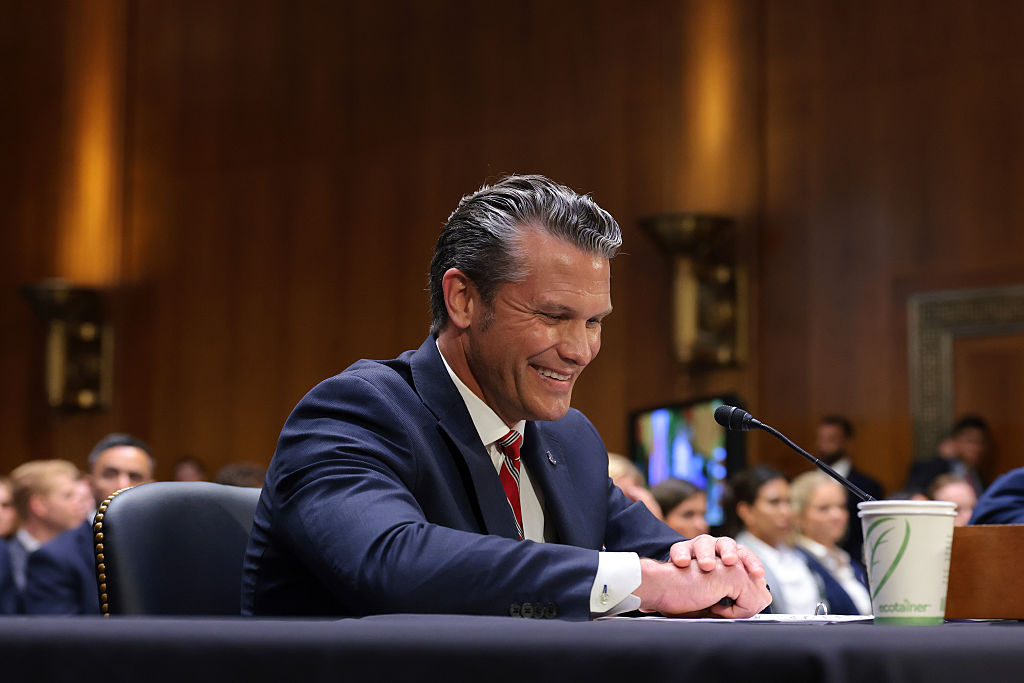
Then, in 2025, the story took another turn. Defense Secretary Pete Hegseth ordered Fort Liberty to revert to Fort Bragg.
Under the new designation, however, the base honors World War II Private Roland Bragg rather than the original Confederate namesake. That change allowed officials to avoid violating the law prohibiting Confederate base names while restoring the historic name.