Judge David Novak orders Lindsey Halligan justify use of US Attorney title after ruling
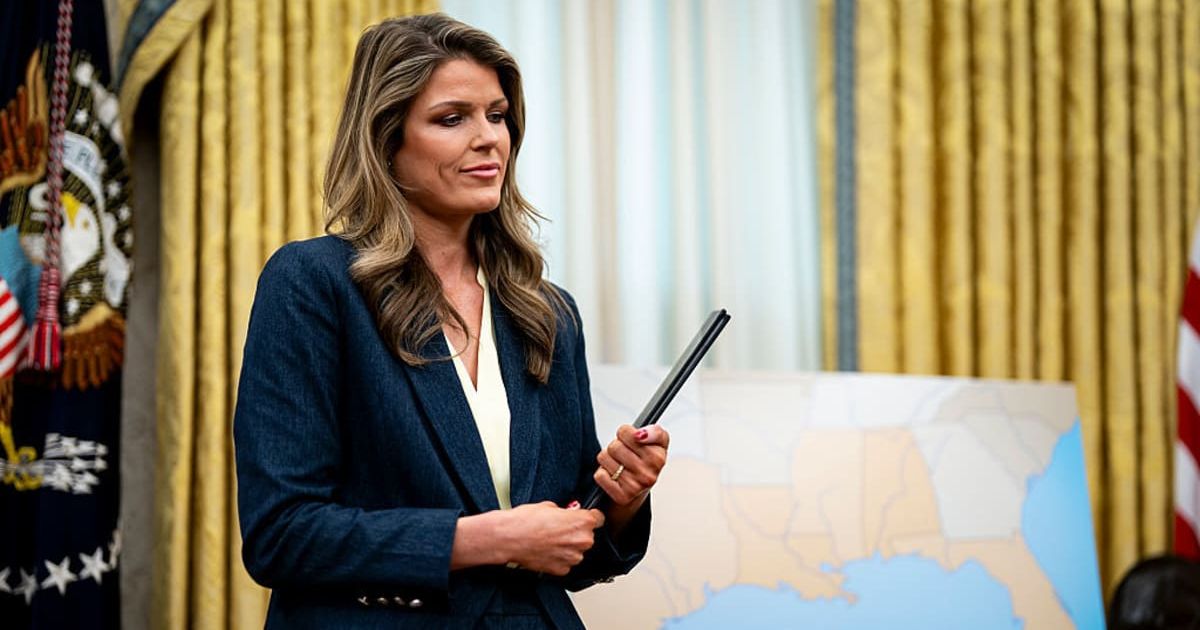
WASHINGTON, DC: A federal judge in Virginia has ordered Lindsey Halligan to explain why she continues to identify herself as a US attorney after another judge ruled her appointment to the role was unconstitutional. The order gives Halligan seven days to justify her continued use of the title on court filings.
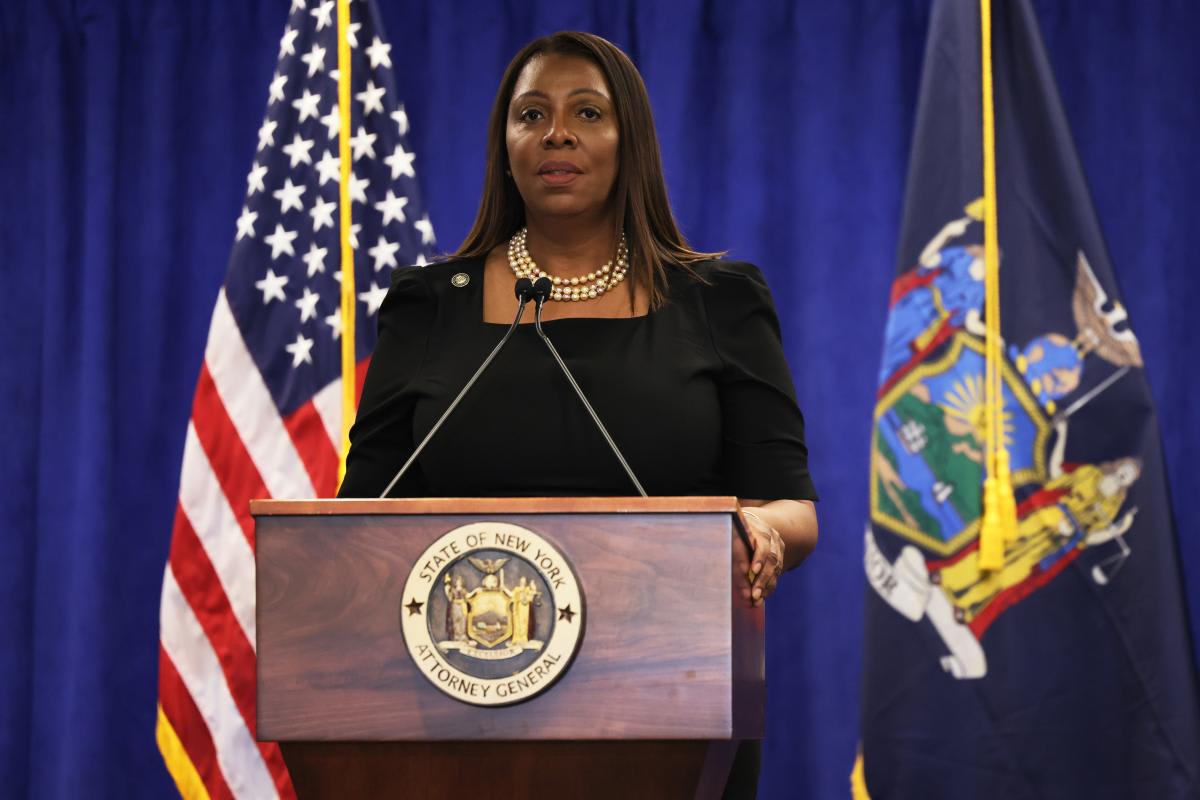
The move follows the dismissal of criminal cases against former FBI Director James Comey and New York Attorney General Letitia James, tied to the ruling. The Justice Department appealed the decision but has not obtained a stay.
Federal indictments face scrutiny as Lindsey Halligan listed with disputed titles
District Judge David Novak ordered Halligan to explain why her continued identification as “United States attorney” did not amount to a “false or misleading statement” following a November ruling that invalidated her appointment.
Novak also instructed Halligan to explain why the court should not strike her identification as United States attorney from a federal indictment returned by a grand jury in early December, last year.
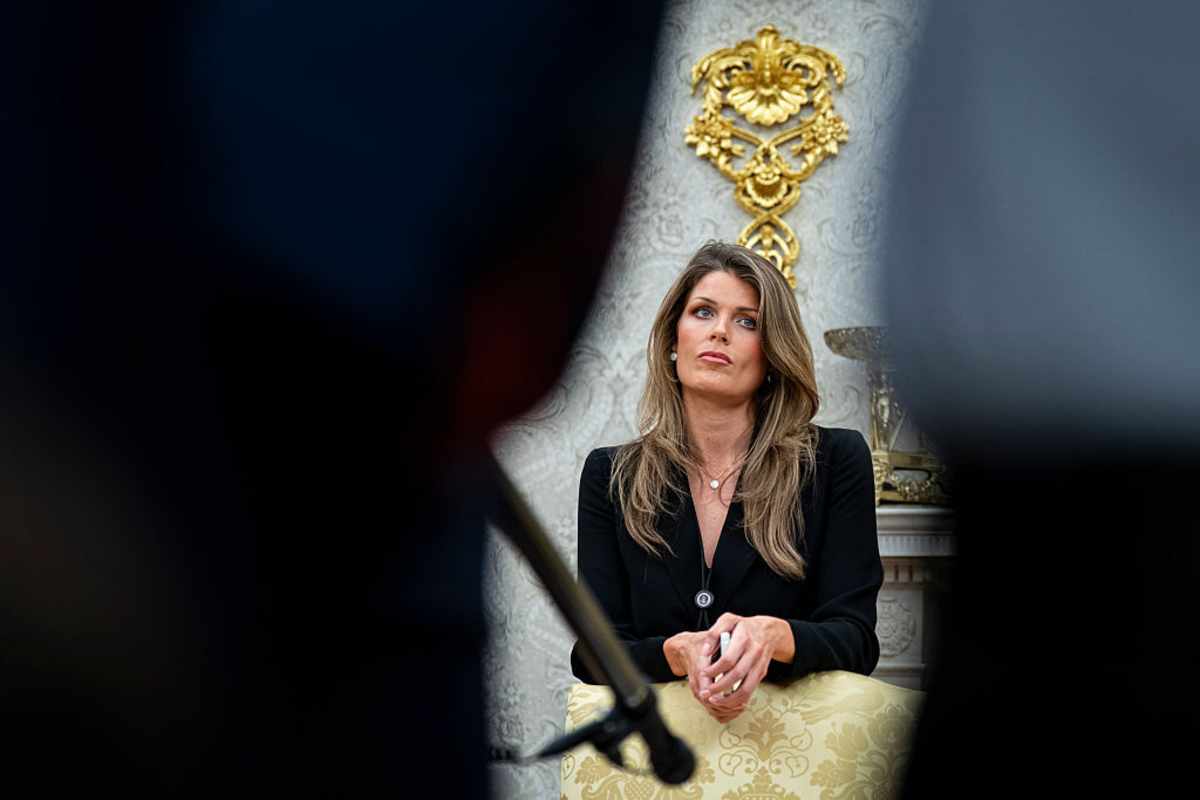
Halligan’s name appeared on the indictment as “United States attorney and special attorney.”
Novak noted that the earlier ruling by Senior District Judge Cameron Currie remains binding within the Eastern District of Virginia because no stay had been issued while the Justice Department’s appeal was pending.
“As a result,” Novak wrote, the decision “remains binding precedent in this district and is not subject to being ignored.”
He emphasized that his order was issued on the court’s “own initiative,” rather than at the request of any defendant, calling attention to the unusual nature of the move.
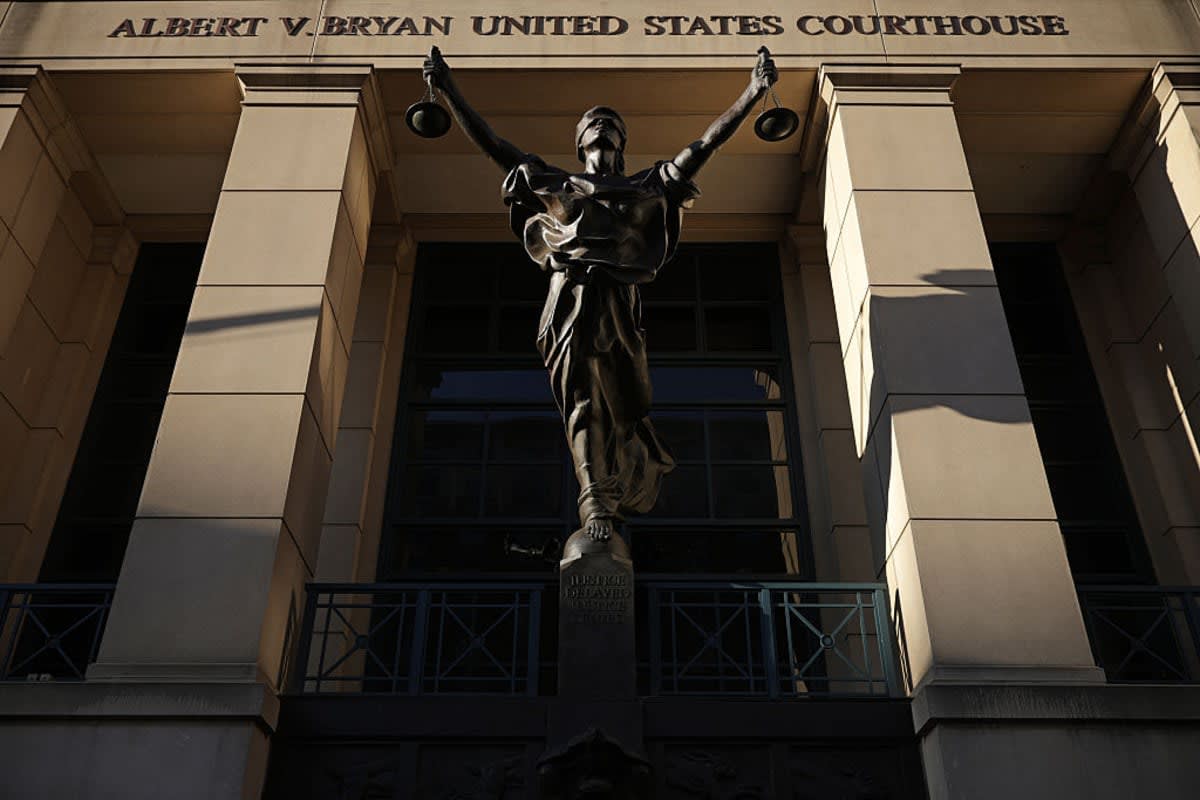
The order arose in connection with a federal carjacking and attempted bank robbery case overseen by Novak. The indictment in that case, handed up on December 2, listed Halligan using the disputed title.
Following Currie’s ruling, prosecutors in the Eastern District of Virginia were instructed to continue listing Halligan as US attorney on pleadings, according to an internal email reviewed by CBS News.
The email cited approval from the Justice Department’s Office of Legal Counsel and directed prosecutors to list Halligan as both United States Attorney and Special United States Attorney.
Appointment dispute and broader legal fallout
Currie ruled in November that Halligan’s appointment as interim US attorney violated the Constitution’s Appointments Clause and a federal statute governing US attorney vacancies.
The statute allows an attorney general to appoint an interim US attorney for 120 days, after which district court judges may extend the appointment.
Currie found that the 120-day clock began earlier, when Erik Siebert was appointed in January, and had expired by the time Attorney General Pam Bondi appointed Halligan in September.

As a result, Currie concluded that Halligan had been serving unlawfully since September 22 and ruled that “all actions flowing from Ms Halligan’s defective appointment” must be set aside.
That decision led Currie to dismiss criminal cases against Comey and James, both of whom had pleaded not guilty and challenged the indictments on multiple grounds, including the legality of Halligan’s appointment.
The Justice Department has appealed the ruling but has not sought a stay from the Court of Appeals for the 4th Circuit.
Judge Novak has now given Halligan seven days to respond in writing, setting the stage for further scrutiny of her role and authority as litigation over her appointment continues.