Judge temporarily bars Trump prosecutors from key evidence in James Comey probe
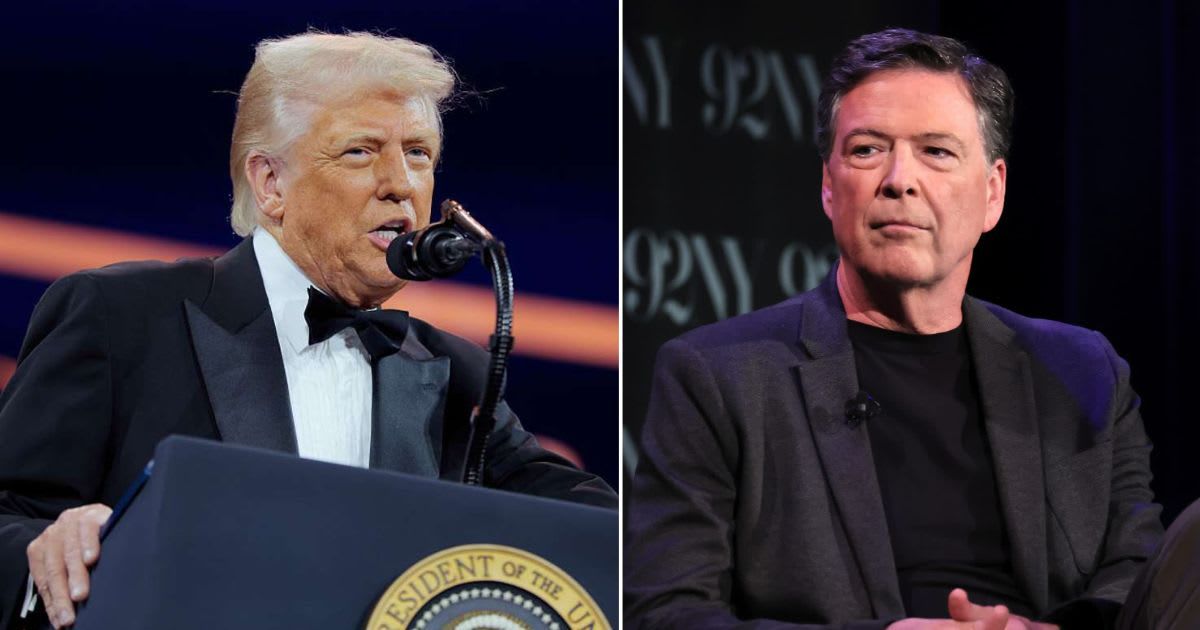
WASHINGTON, DC: A federal judge has dealt a significant blow to the Justice Department's case against former FBI director James Comey, temporarily blocking prosecutors from reviewing materials linked to one of Comey's closest allies.
The order, issued Saturday, December 6, found that the government likely violated constitutional protections against unreasonable searches.
The decision adds new complications to an already faltering prosecution, which has struggled through legal setbacks and procedural missteps. The ruling will remain in effect until December 12.
Judge flags potential constitutional violations
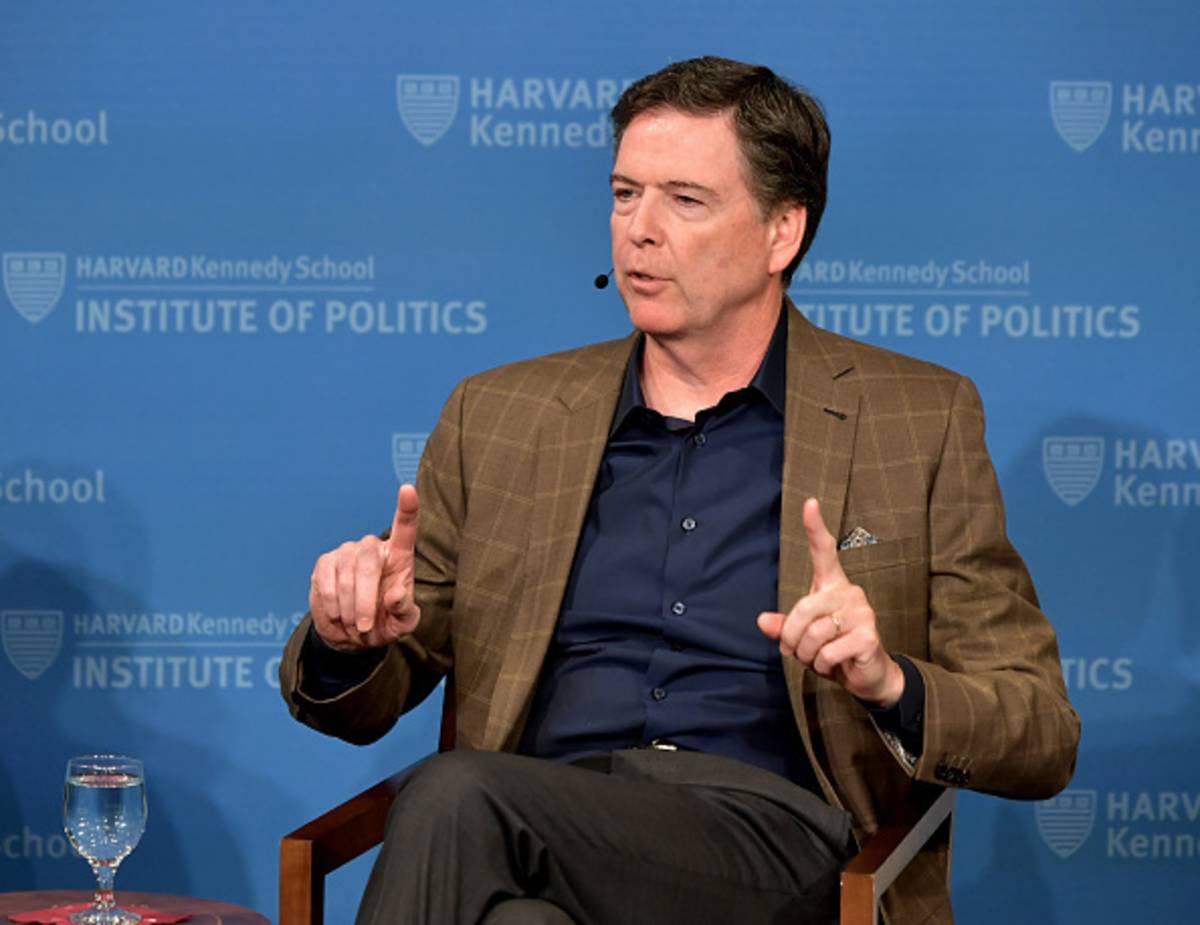
The ruling centers on materials belonging to Daniel Richman, a Columbia University Law professor and longtime confidant of Comey, who previously represented the former FBI director.
Richman sued the government in November, arguing that prosecutors unlawfully accessed data from his computer as part of their effort to charge Comey with lying to Congress.
Prosecutors accused Comey of making false statements about whether he authorized leaks and have leaned heavily on private communications between him and Richman.
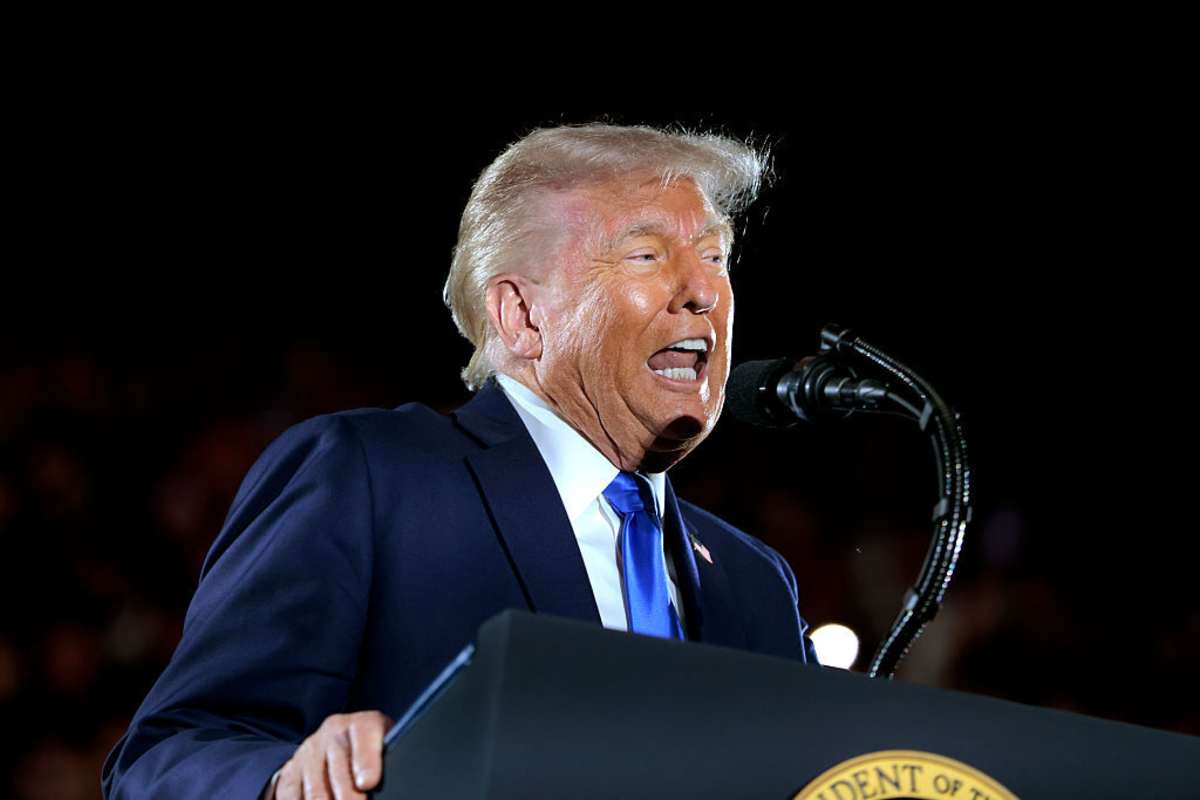
Comey has forcefully rejected any wrongdoing and the charges against him were thrown out earlier this year after a judge determined that the prosecutors overseeing the case had been improperly appointed.
Still, the Trump administration's Justice Department is expected to attempt a new indictment.
Court filings show that between 2017 and 2020, investigators obtained several warrants allowing them to search an image of Richman's computer.
Neither Richman nor Comey were ever charged, and the inquiry closed in 2021. But according to Magistrate Judge William Fitzpatrick's sharply critical opinion in November, the government appeared to keep all of the materials taken from Richman, far beyond what the warrants permitted.

As prosecutors revived their investigation into Comey this year, Fitzpatrick wrote that they did not secure a new warrant before searching those archived materials, opening the possibility that they accessed privileged attorney-client communications.
Federal district judge Collen Kollar-Kotelly, in her four-page order on Saturday, wrote that the government's conduct likely violated Richman's Fourth Amendment protections.
Her ruling effectively freezes prosecutors' ability to use or examine the seized materials while the matter is further litigated.
Setbacks mount for prosecutors
The block on accessing Richman's files comes at a precarious moment for the US attorney's office in the Eastern District of Virginia, which has been attempting to rebuild its case against Comey. The office has already faced multiple stumbles.

Just days earlier, prosecutors sought a new indictment against New York attorney general Letitia James, another frequent target of Donald Trump.
In an extraordinary outcome, a federal grand jury in Virginia declined to approve the charges, an uncommon public rebuke to prosecutors pursuing a high-profile political figure.