Judge denies halting White House ballroom construction, Trump says its ‘Great news for America’
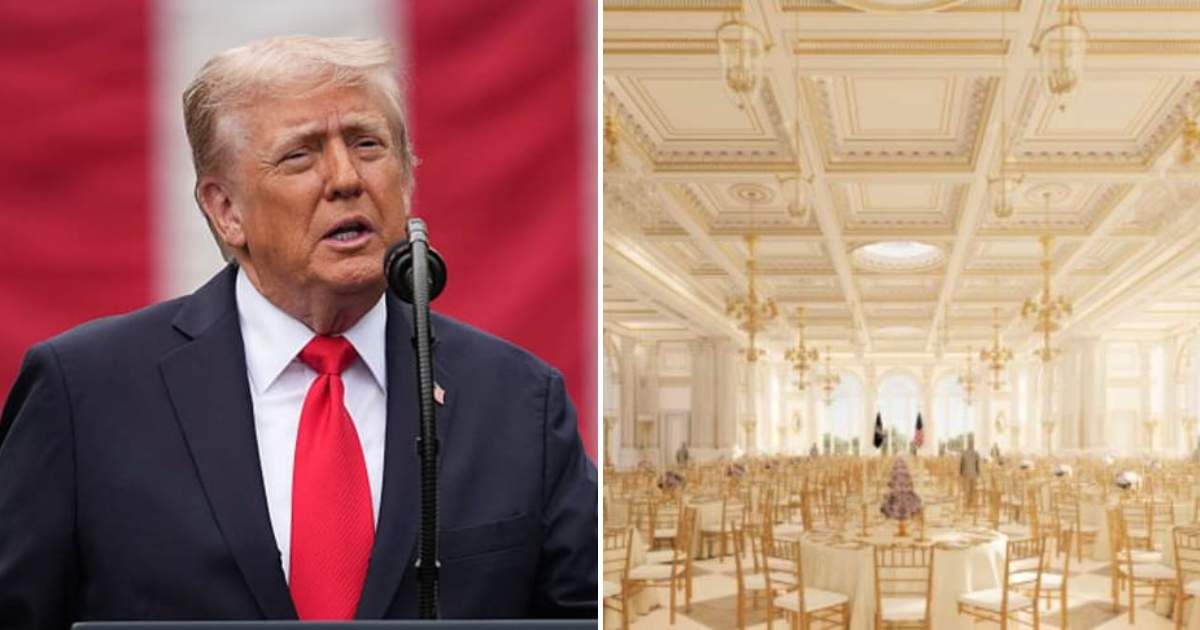
WASHINGTON, DC: A federal judge on Thursday, February 26, declined to block President Donald Trump’s plan to build a large ballroom at the White House, rejecting a preliminary injunction request from the National Trust for Historic Preservation.
The lawsuit, filed in December, sought to halt the project on the grounds that required approvals and reviews had not been completed before demolition and construction activities began.
While the decision permits construction to continue, the court indicated the preservation group could revise its legal arguments and return to court.
Court Finds Administrative Procedure Act Does Not Apply
In his ruling, Senior US District Judge Richard Leon determined that the National Trust relied on the wrong legal vehicle to challenge the project.
The group argued that the administration violated the Administrative Procedure Act (APA) by failing to submit plans to the National Capital Planning Commission and the Commission of Fine Arts before proceeding.
Judge Leon concluded that the White House offices overseeing the construction, including the Office of the Executive Residence, are not considered “agencies” under the APA and therefore cannot be sued under that statute.
“Unfortunately for Plaintiff, its challenge fails because the White House office in question is not an ‘agency’ under the APA and because Plaintiff did not bring the ultra vires claim necessary to challenge the President’s statutory authority to complete his construction project with private funds and without congressional approval!” Leon wrote.

He added, “Based on the claims presently before the Court, I agree with Defendants … and conclude that I lack authority to reach the merits of the National Trust's claims.”
Judge Leon noted that the preservation group could amend its complaint to assert that the president acted “ultra vires”, or beyond his legal authority.
He said the earlier omission of such a claim was understandable given that the statutory basis relied upon by the White House was not initially clear.
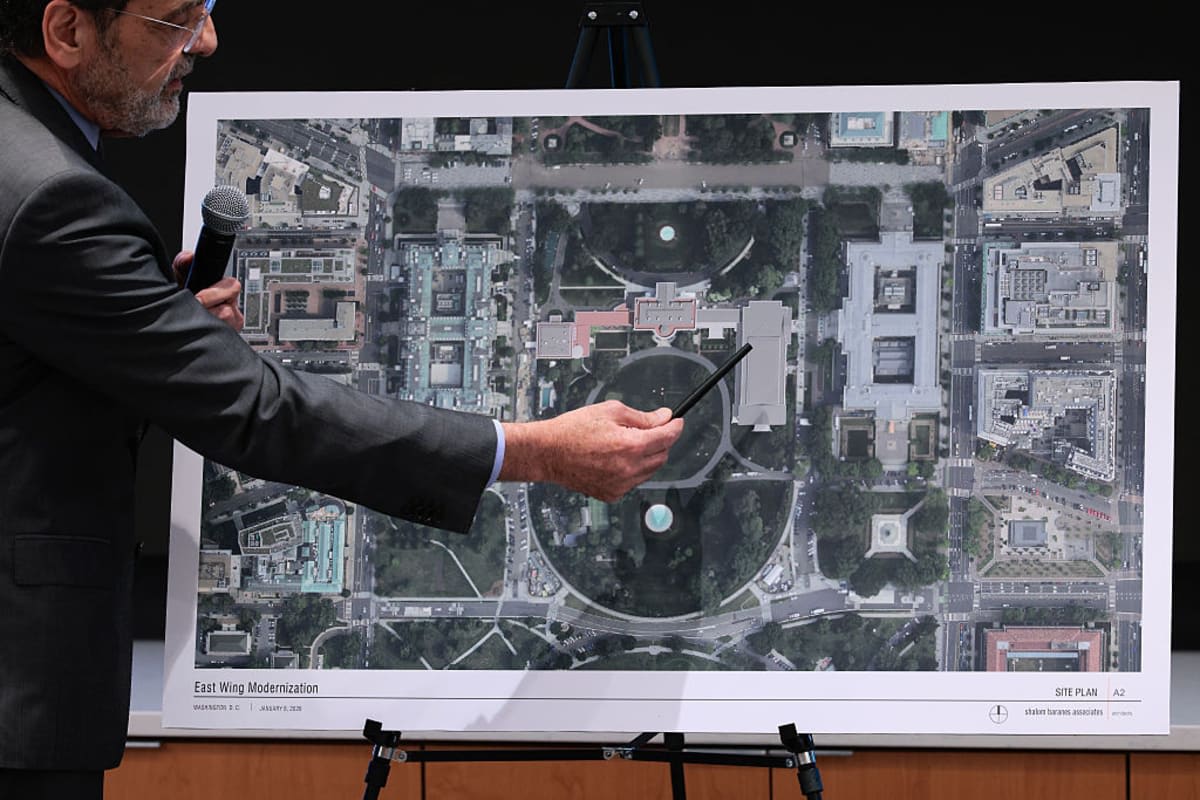
The Commission of Fine Arts approved the project after the lawsuit was filed. According to court filings, underground construction was expected to begin this month, with above-ground work potentially starting as early as April, leaving open the possibility of further legal action as the project advances.
Trump hails decision, says project is ahead of schedule
After the ruling, Trump praised the outcome in a post on Truth Social. “Great news for America, and our wonderful White House!” he wrote. “The Ballroom construction, which is anticipated to also handle future Inaugurations and large State Visits, is ahead of schedule, and under budget. It will stand long into the future as a symbol to the Greatness of America!”
Trump has said the estimated $400 million project will be funded privately and is intended to eliminate the need for temporary tent structures used for large-scale events, including state dinners. The ballroom is expected to span roughly 90,000 square feet, according to lead architect Shalom Baranes, significantly larger than the approximately 55,000-square-foot Executive Mansion.
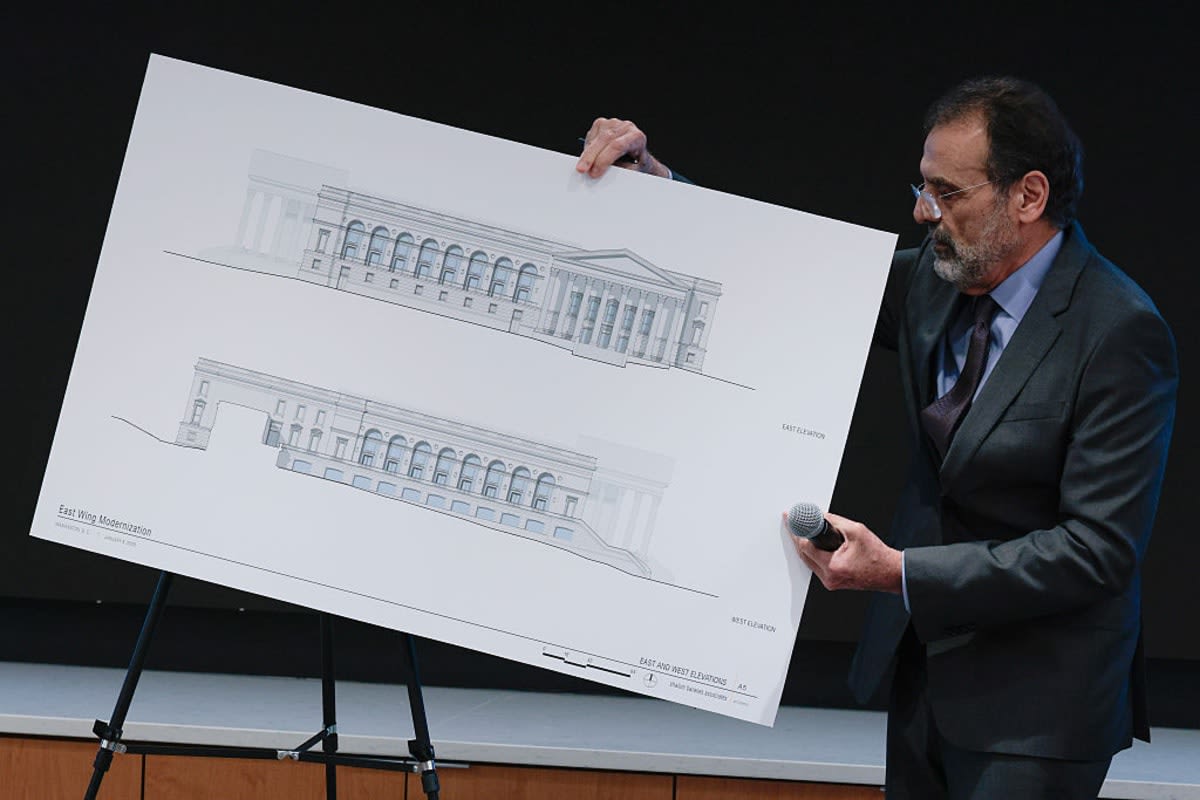
The president has maintained that the project is not subject to congressional approval and does not require additional oversight beyond what has already occurred.