Judge halts Trump’s $100,000 H-1B fee, rules administration overstepped
WASHINGTON, DC: A federal judge on Monday blocked the Trump administration’s $100,000 fee on new H-1B visa applications, ruling that the measure amounted to an unauthorized tax and exceeded presidential authority.
US District Judge Leo Sorokin sided with a coalition of 20 Democratic-led states that challenged the policy, finding that the administration had overstepped its powers and encroached on Congress’s constitutional role in setting immigration policy and taxation.
In his ruling, Sorokin said the fee functioned as a tax regardless of how the administration characterized it.
“Here, the substance and application of the $100,000 payment reveal that it is a tax, regardless of what the payment is called,” the judge wrote.
Trump imposed a fee last September
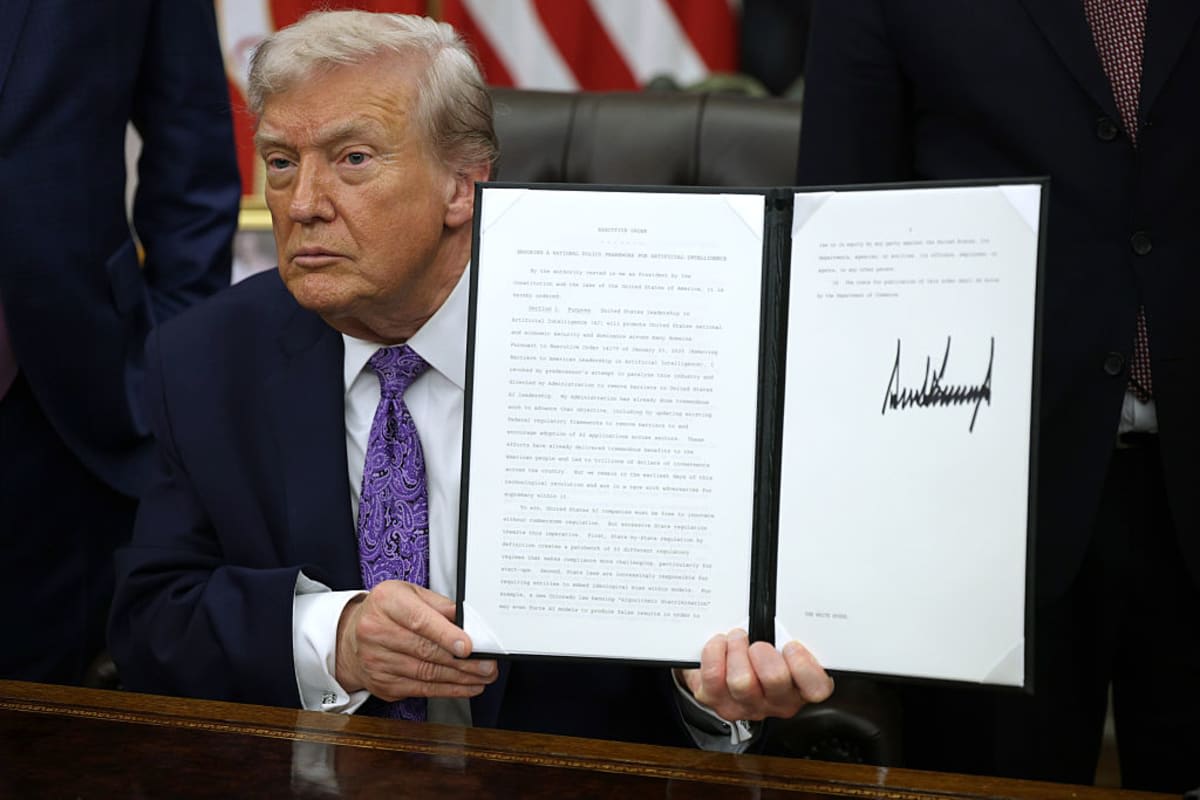
The fee was introduced through a presidential proclamation signed by President Donald Trump in September last year.
Administration officials argued that the measure would encourage employers to prioritize American workers by significantly increasing the cost of hiring foreign professionals through the H-1B visa program.
The H-1B visa allows US employers to recruit highly skilled foreign workers for specialty occupations, particularly in technology, engineering, healthcare and other professional fields.
Successful applicants are generally granted permission to work in the United States for up to three years, with the possibility of extensions.
Because employers typically bear the cost of visa sponsorship, critics argued the fee would effectively discourage companies from hiring international talent.

Democratic states challenge the measure
The lawsuit was brought by a coalition of Democratic-controlled states led by New York Attorney General Rob Bonta and Massachusetts Attorney General Andrea Campbell.
The states argued that only Congress has the authority to impose taxes and major immigration-related fees, and that the administration’s action unlawfully bypassed the legislative process.
Sorokin’s ruling relied in part on the Supreme Court’s landmark 2012 decision upholding the Affordable Care Act’s individual mandate.
In that case, the court concluded that the mandate was constitutional because it functioned as a tax rather than a penalty.
Drawing on that precedent, Sorokin determined that Trump’s visa fee should likewise be treated as a tax.
The Justice Department had argued that the courts lacked authority to review the visa fee and urged dismissal of the lawsuit, contending that the president’s action was shielded from judicial scrutiny.
The ruling adds to an ongoing legal dispute over the policy.
A separate lawsuit filed by the US Chamber of Commerce and the Association of American Universities previously resulted in a decision favoring the administration.
That case is currently before an appeals court, which could issue a ruling in the coming months, setting the stage for further legal battles over the future of the H-1B visa fee.