Judge Paul Engelmayer denies bid to compel DOJ release of Epstein records

NEW YORK CITY, NEW YORK: A federal judge on Wednesday, January 21, blocked a bipartisan bid to compel the Department of Justice (DOJ) to comply with the 'Epstein Files Transparency Act' (EFTA), ruling that the court lacked authority to impose outside oversight.
US District Judge Paul Engelmayer’s decision halted an effort by Representatives Ro Khanna (D-CA) and Thomas Massie (R-KY) to install an independent supervisor over the release of millions of records tied to Jeffrey Epstein.
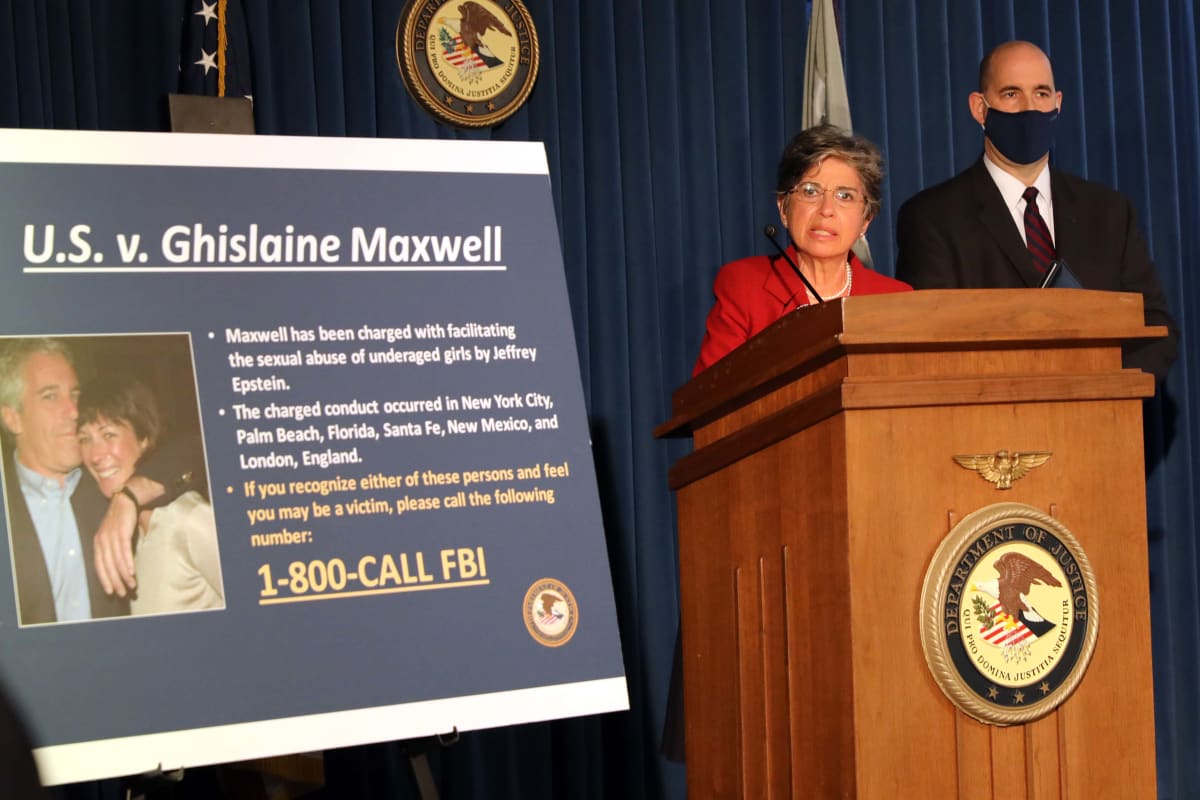
The lawmakers had sought to intervene in the closed criminal case of Ghislaine Maxwell, Epstein’s longtime associate, arguing that the DOJ has failed to meet the law’s disclosure mandate.
While acknowledging the concerns raised, Engelmayer said procedural limits prevented the court from acting.
Jurisdiction lacking in a closed criminal case
In a seven-page order, Engelmayer said that he could not grant the lawmakers’ request to participate as amici curiae, or "friends of the court," because they are not parties to Maxwell’s case, which ended with her conviction in December 2021.
"The only parties to the case are Maxwell and the United States, the latter represented, as is always the case, by DOJ," the judge wrote.
He noted that Maxwell was prosecuted under federal criminal statutes, not the EFTA, which did not exist at the time.
"And this case is now effectively closed," Engelmayer added, concluding that new oversight tied to a later-enacted statute cannot be grafted onto a completed prosecution.
Lawmakers vow to pursue other avenues

The ruling did not deter the bill’s authors. In a statement to Fox News Digital, Massie said that the pair would continue pressing the department.
"We appreciate the judge’s thoughtful consideration … and we remain determined to force the DOJ to follow our law using other avenues available to us and the survivors," he said.
Khanna echoed that stance, saying the decision would not end their push. "We respect the ruling, but we will continue to use every legal option to ensure the files are released and the survivors see justice," he said.
Flagrant violation of transparency deadline
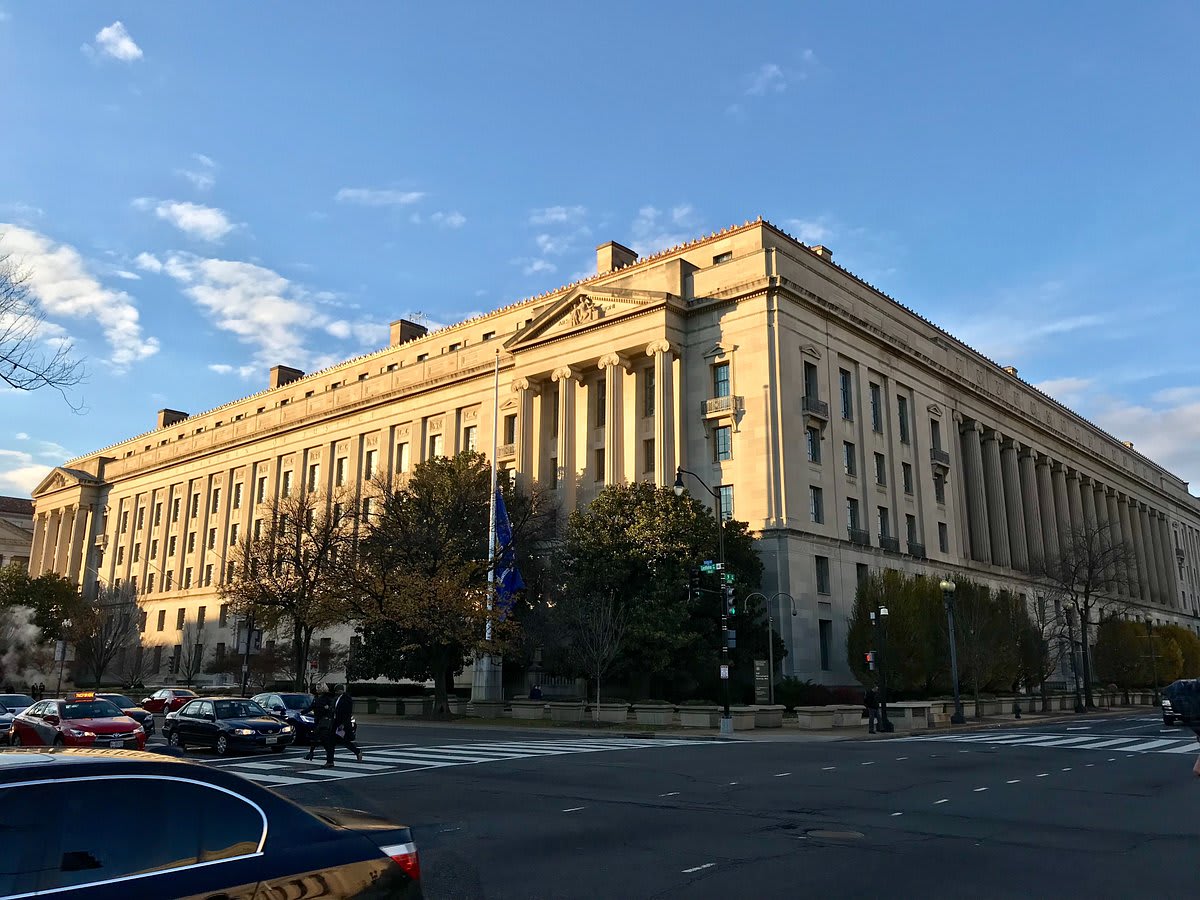
Khanna and Massie authored the EFTA, which President Donald Trump signed into law last year. The statute required the DOJ to release all Epstein-related investigative material by December 19, 2025. More than a month later, only a fraction has been made public.
In court filings, the lawmakers described the department’s performance as a "flagrant violation" of the law. They said roughly 12,000 documents have been released out of more than 2 million identified as potentially responsive.
"Put simply, the DOJ cannot be trusted with making mandatory disclosures under the Act," they argued. The department stated that the pace reflected the need for redactions to protect victims.
Court acknowledges legitimate concerns raised
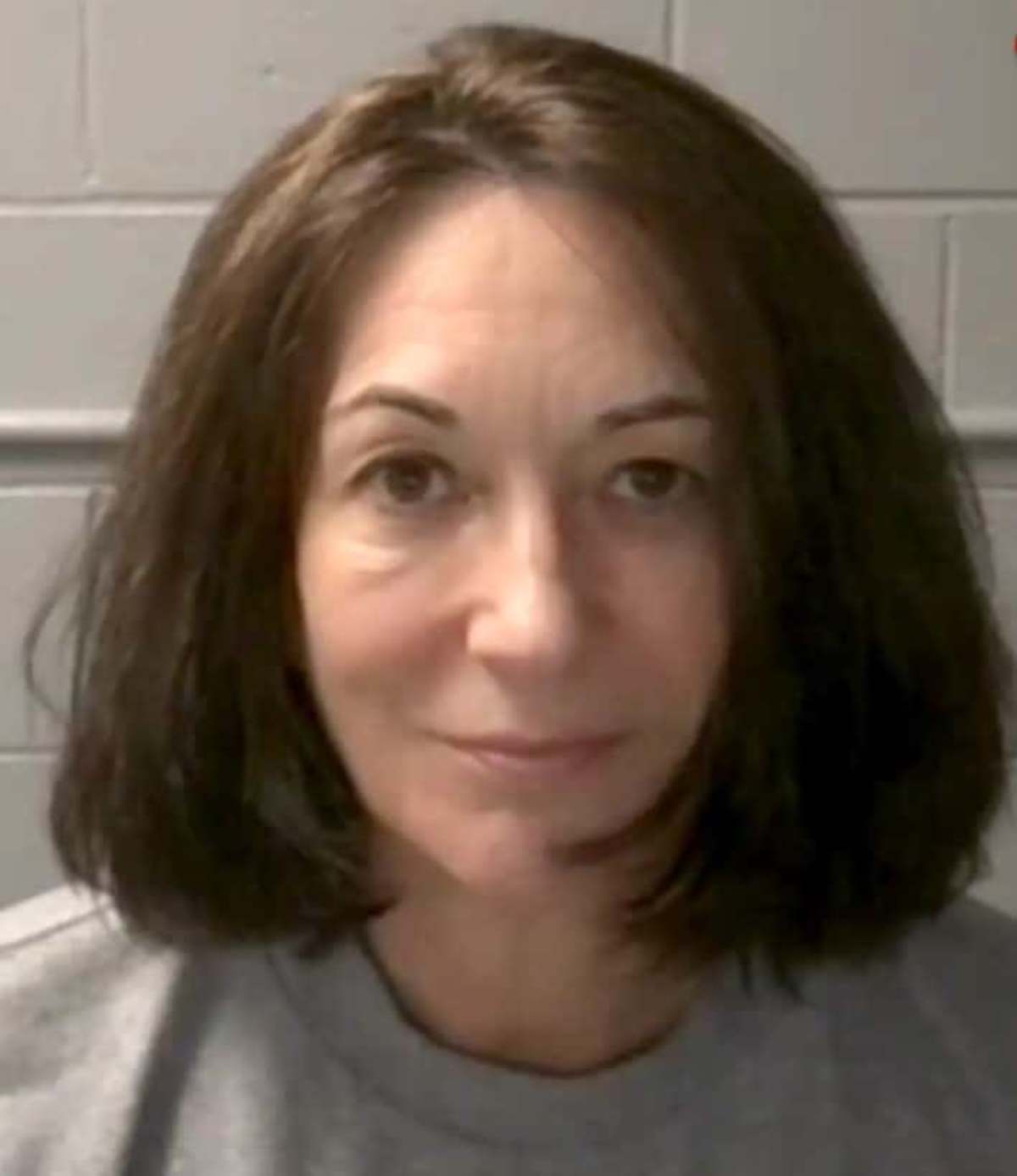
Although he denied the motion, Engelmayer validated the substance of the lawmakers’ complaint, writing that they raised "legitimate concerns" about DOJ compliance.
The problem, he said, was jurisdiction. "The Representatives do not seek to opine on any live issue before the Court," Engelmayer wrote.
"The appointment of a neutral to supervise DOJ’s compliance with the EFTA is far afield from any matter pending before the Court. It is thus not a permitted form of amicus participation," he added.