Epstein survivors press DOJ over missed deadline for record release

WASHINGTON, DC: Attorneys representing survivors of Jeffrey Epstein are pressing the Department of Justice after it missed a congressionally mandated deadline to release millions of investigative records tied to the late sex trafficker.
The deadline, set for December 19 under the Epstein Files Transparency Act, passed with only a portion of the material made public.
The law required the DOJ to disclose all Epstein-related investigative files within 30 days of enactment. Instead, only a limited tranche has been released, prompting complaints from victims’ advocates who say the delay continues a long pattern of withheld accountability.
“It has never been about the victims. It’s about powerful men covering up for each other, and that cover-up continues,” said attorney Lisa Bloom, who represents 11 survivors.
DOJ violates transparency act deadline
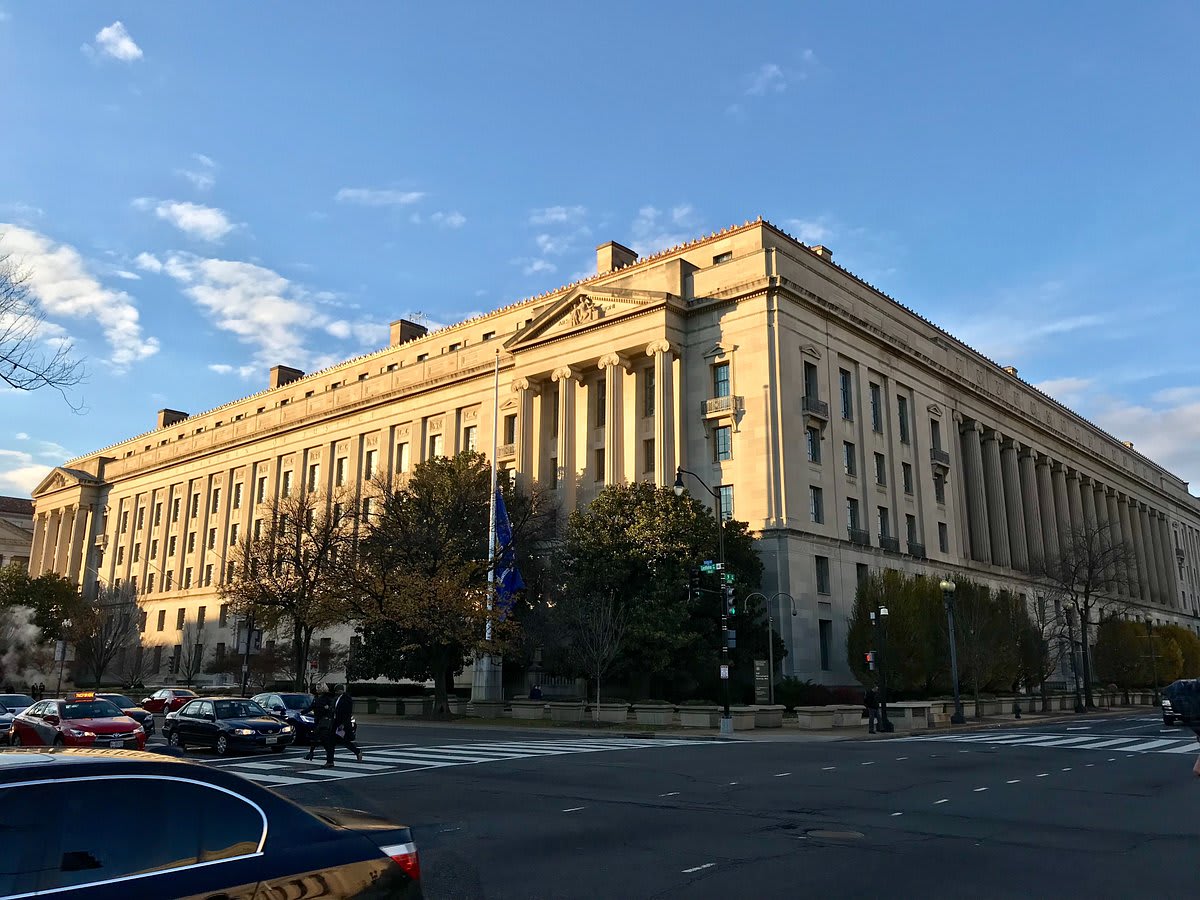
The Epstein Files Transparency Act, passed with bipartisan support and signed by President Donald Trump, directed the Justice Department to release all responsive records within 30 days. That deadline expired December 19.
Attorney Gloria Allred, who represents more than 20 survivors, said the statute left no ambiguity. “The Epstein Files Transparency Act could not have been clearer,” she said. “It is clear that the Justice Department has violated the act and that millions of files have not yet been released.”
Allred said judicial oversight is now necessary to determine why the deadline was missed. “For many of the victims, they are tired of the excuses,” she added. “Justice delayed is justice denied.”
Millions of documents remain unreviewed
The DOJ uploaded 12,285 documents totaling roughly 125,575 pages to its website by early January. In a January 5 court filing, however, the department acknowledged that this represents only a small share of the total material.
Government lawyers disclosed that staff had identified “more than 2 million documents potentially responsive to the act that are in various phases of review.”
Jennifer Plotkin of Merson Law questioned the pace and scope of the effort. “It’s shocking that the government defends their inactions and relations with Epstein yet somehow claim to be transparent,” she said.
Calls grow for special master
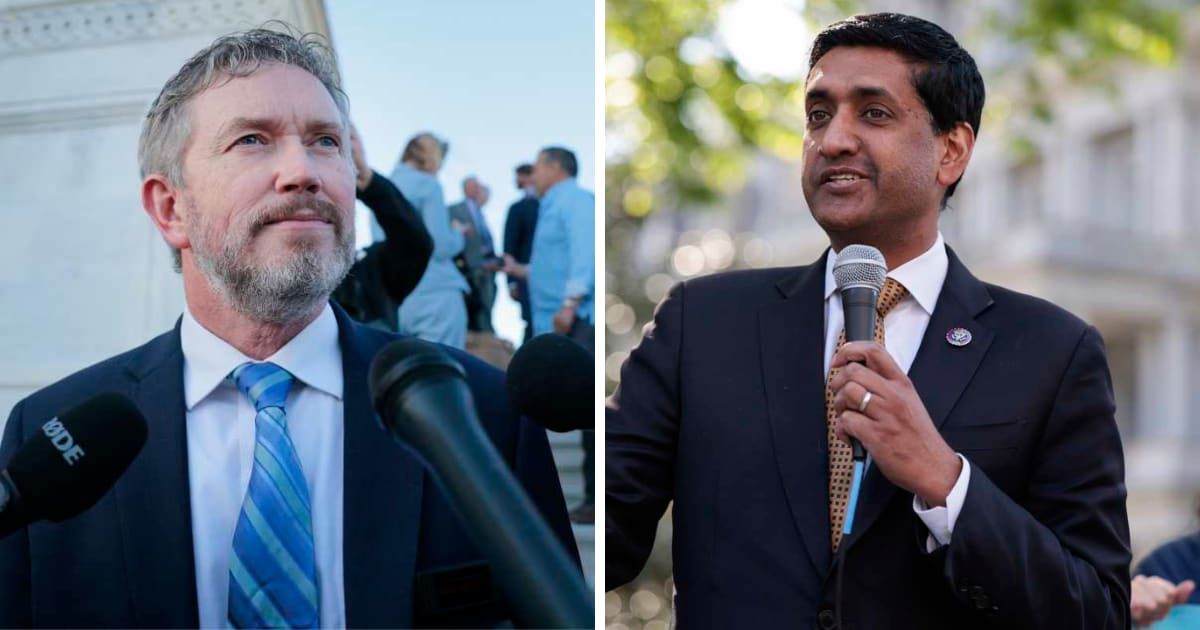
The bill’s co-sponsors, Rep Ro Khanna (D-CA) and Rep Thomas Massie (R-KY), have suggested appointing a special master to oversee the release process.
Jennifer Freeman of Marsh Law supported the proposal, calling the DOJ’s failure a “direct, flat violation of the statutory requirement.” She argued that an independent overseer is needed not only to speed production but to ensure accuracy and completeness.
“Compliance with the act should be overseen, audited and evaluated to address not only timeliness but also redactions and the completeness of the production,” Freeman said. The DOJ has opposed the appointment of a special master in court filings.
Trump signed act after pressure

President Trump signed the legislation after months of public pressure from both parties. The release of Epstein’s files has been a priority for lawmakers and voters who believe his crimes were enabled by influential associates.
Trump, who has acknowledged past social contact with Epstein while denying wrongdoing, initially declined to compel the disclosures. He later approved the bill, saying, “We have nothing to hide,” and describing the controversy as politically motivated.
Decades of denied justice continues

For survivors, the missed deadline reinforces long-standing concerns about systemic failure.
“There have been three decades of denial of justice for survivors of Jeffrey Epstein and the pattern of denial of justice continues in 2026,” Allred said. “Victims and survivors will need to continue to fight for justice or they will never achieve it.”