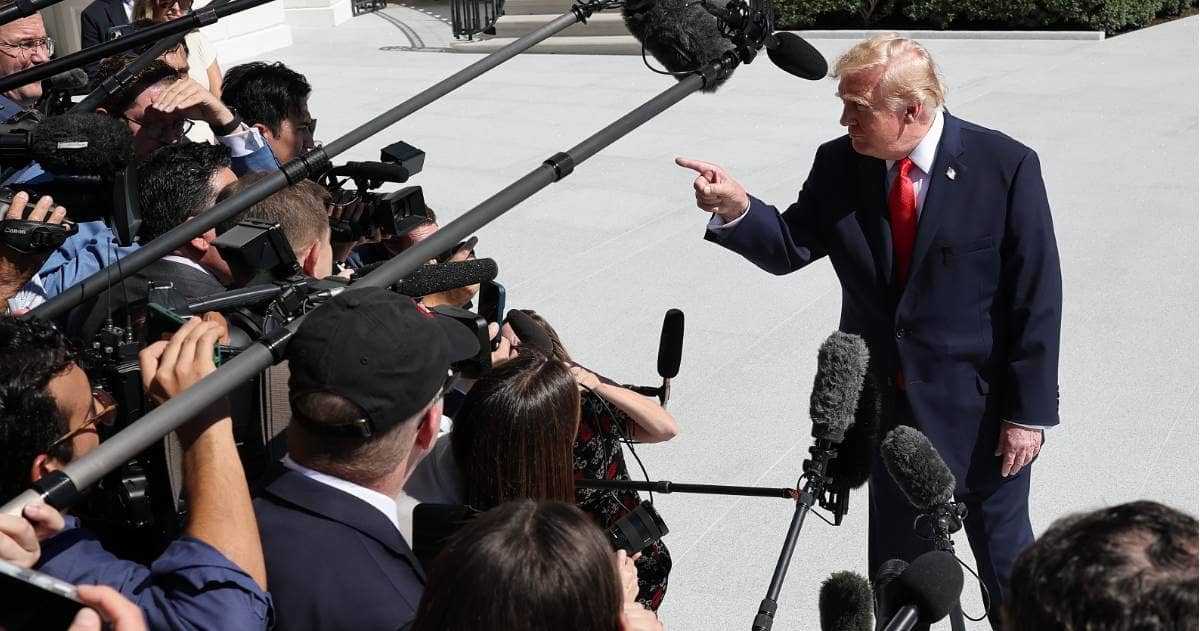
Judge Richard Leon doubts legal basis for Trump's White House ballroom plan
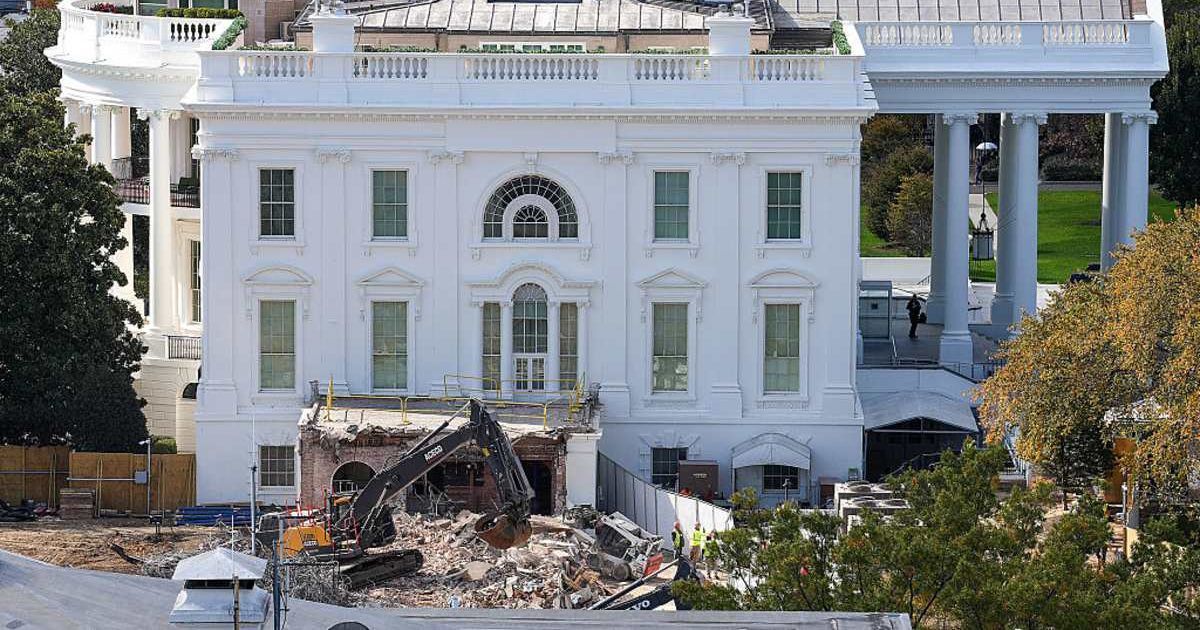
WASHINGTON, DC: A federal judge signaled skepticism on Thursday, January 22, over the Trump administration’s authority to proceed with construction of a proposed White House ballroom, raising the prospect that the project could be halted.
While US District Judge Richard Leon did not rule from the bench and said a decision would come in February, his questioning during oral arguments indicated doubts about whether the executive branch could move forward without congressional approval.
The hearing focused on a lawsuit filed by the National Trust for Historic Preservation, which argued that the president lacked constitutional authority to demolish the East Wing of the White House to construct the estimated $400 million facility.
The president lacks ownership over the White House
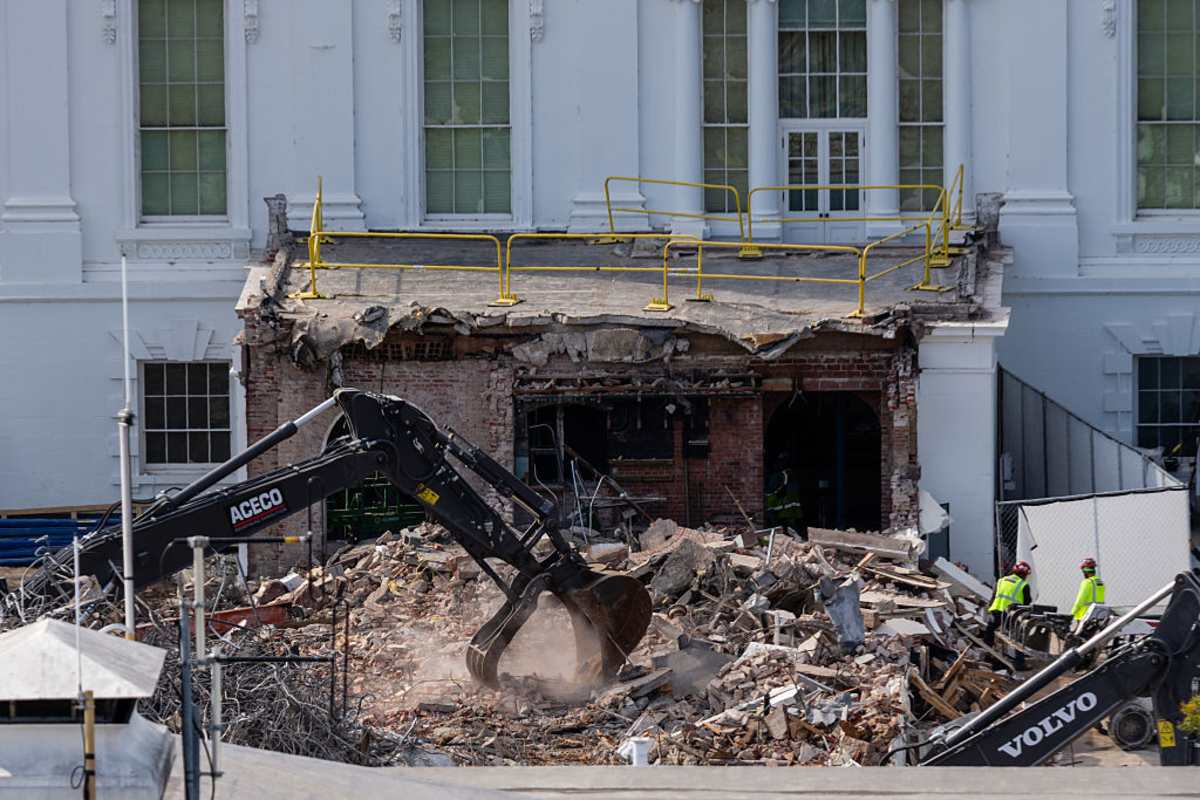
Attorney Thad Heuer, representing the National Trust, argued that the president did not possess unilateral authority over the structure of the Executive Mansion.
“He’s not the owner” of the White House, Heuer said.
Judge Leon interjected to clarify the point, stating, “He’s the steward,” underscoring that the president served as a temporary custodian of the property rather than its proprietor.
Judge questions legality of White House financing plan

Much of the hearing centered on the administration’s financing plan, which relied on private donations and statutory provisions governing routine maintenance. Leon compared the structure to a “Rube Goldberg contraption,” questioning whether Congress ever intended such authorities to permit a project of this scale.
Heuer argued that appropriations for “alterations and improvements” could not reasonably be stretched to authorize the demolition and construction of a new wing. “Congress does not hide elephants in mouse holes,” he said.
The administration had cited multiple statutes and private funding commitments to support its position that the project was lawful without explicit legislative approval.
Judge dismisses President Gerald Ford's pool comparison logic
Justice Department's attorney Yaakov Roth defended the plan, saying that the president sought to avoid using taxpayer funds. “The president didn’t want $400 million in taxpayer money to be used for this,” Roth said, adding that private donors, including Comcast Corp, would cover costs.
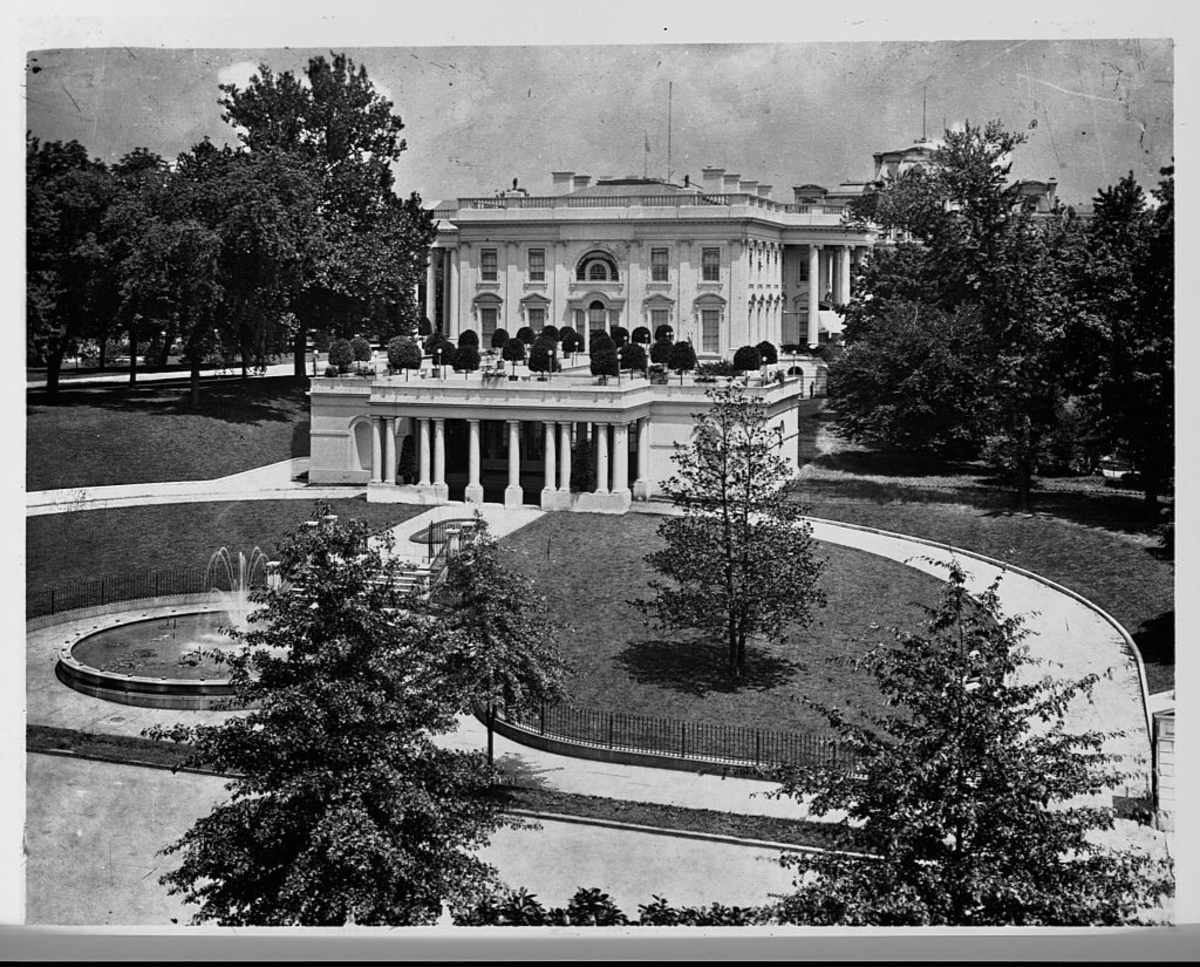
Roth pointed to precedents such as a swimming pool installed during President Gerald Ford’s tenure and the White House Tennis Complex. Leon rejected the comparison.
“The ’70s Ford pool? You compare that to ripping down the East Wing?” Leon said. “C’mon, be serious.”
Administration warns construction halt could pose security risks
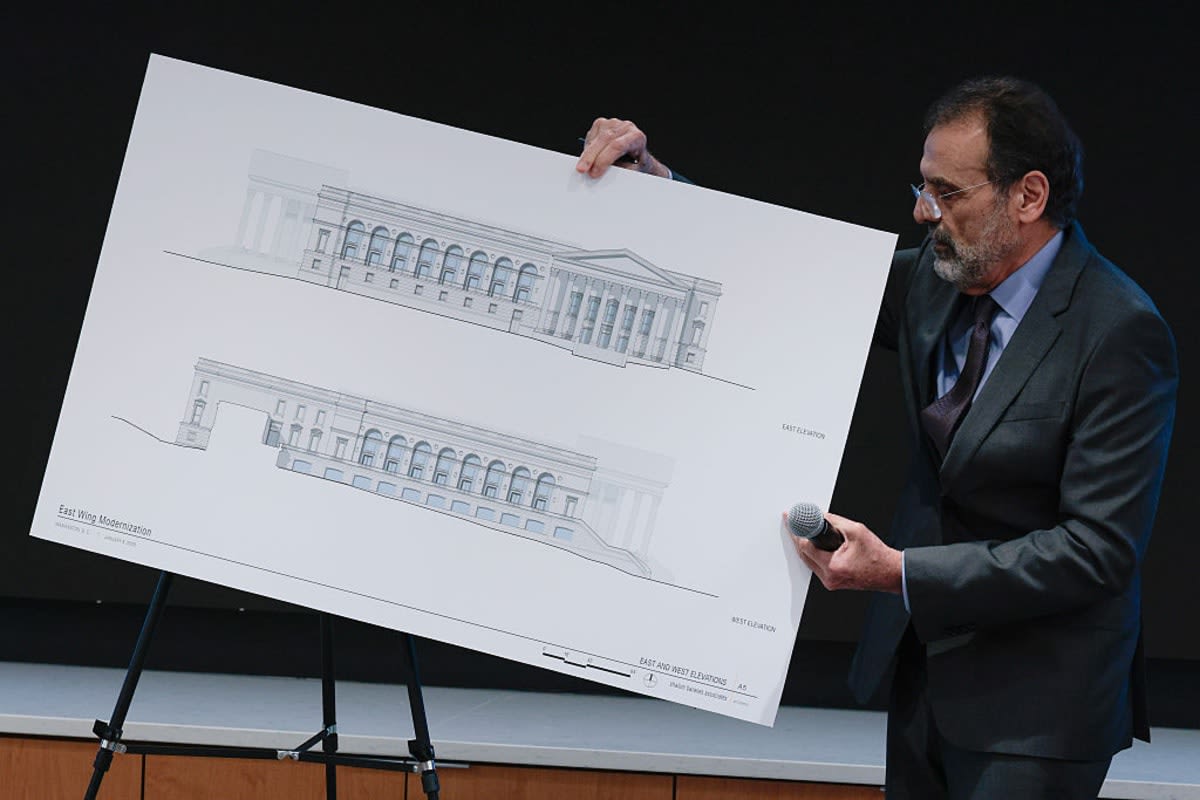
Roth warned that an injunction halting construction would cause “irreparable harm,” arguing that stopping work midstream could expose parts of the complex and raise security risks. He said that the ballroom project was tied to the construction of a new underground facility, asserting the two couldn't be "divided that way."
Despite the pending ruling, the administration continued with the preparatory steps. A White House official confirmed that officials planned to present the project to the National Capital Planning Commission in March.